Why Acorns Wear Caps — Before the first hard frost, Sylva invented a game she called Pass-It-Unseen: leave one good thing where another creature’s paw, claw, or root would find it, then walk away before thanks could catch you. Read the full story →
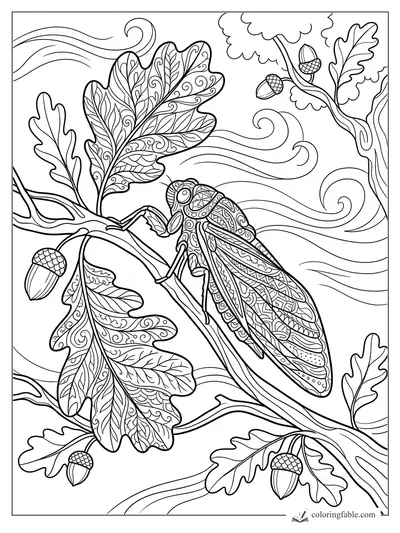
Before the first hard frost, Sylva invented a game she called Pass-It-Unseen: leave one good thing where another creature’s paw, claw, or root would find it, then walk away before thanks could catch you. In the old oak circle, the air smelled of tannin and damp moss, and acorns clicked softly in her coat pocket as she tucked them beneath fern lips, beside beetle doors, and into the hollows where field mice kept their winter dark.
She saved the smoothest acorns for last. No one watched when she pressed them into the bare ground around the youngest oak, each one naked and shining after its cup had fallen off. A wind moved through the leaves with a paper-thin hush, the kind of hush that knows your name but politely refuses to say it. Then the empty caps rolled back from the roots, one by one, and settled over the acorns like small brown helmets. “Keep the giving warm,” Sylva whispered.
Ever since, acorns have worn caps—not for pride, as some say, but because the forest once caught a secret gift in the act and decided generosity deserved a little shelter.