Ballet dance coloring pages for graceful moves and stage scenes
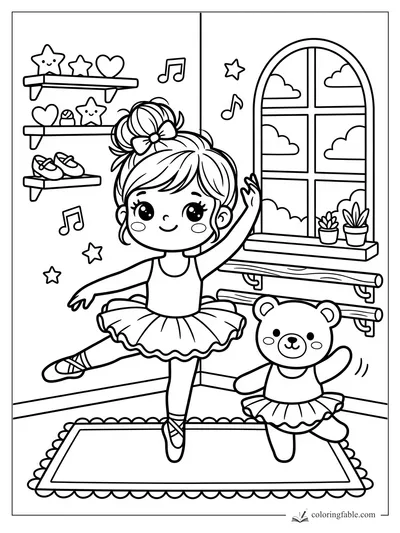
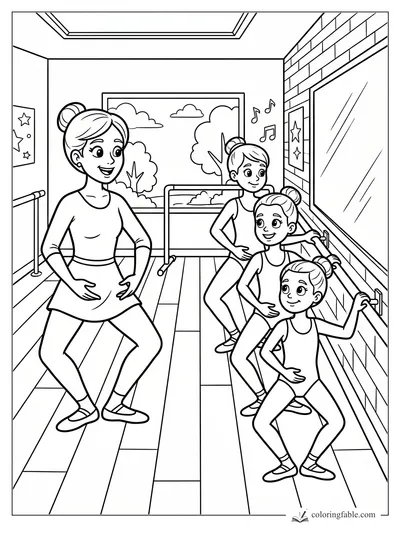
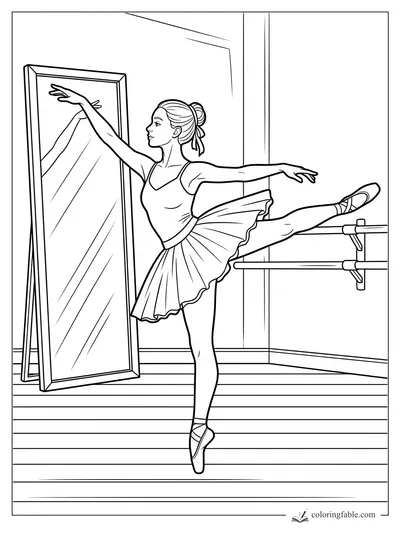
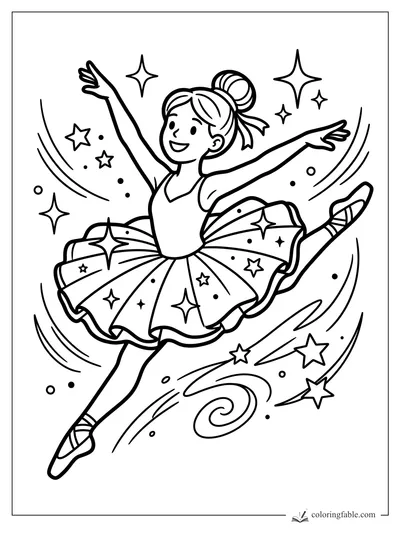
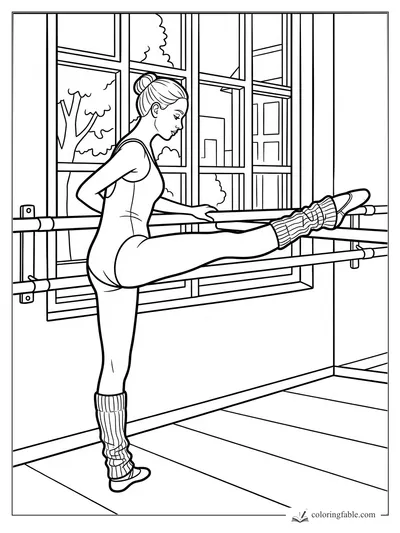
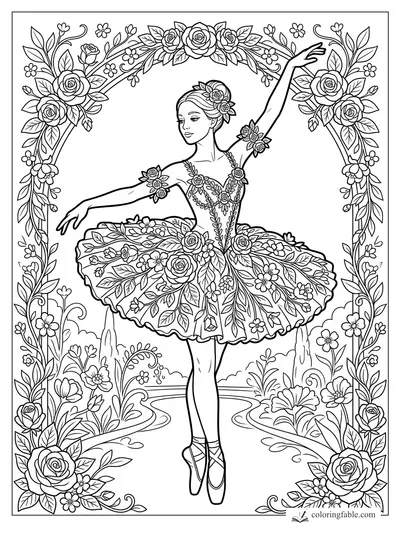
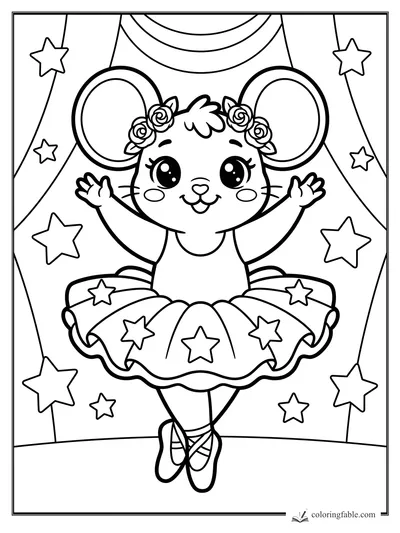
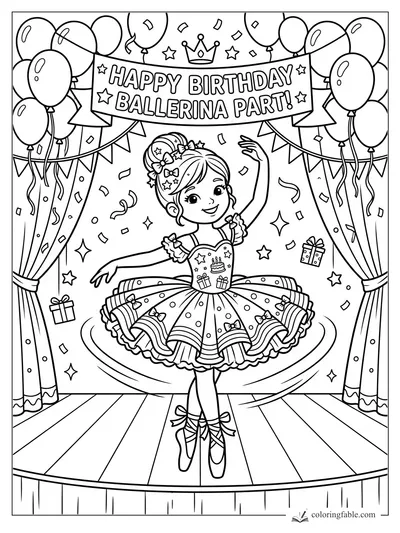
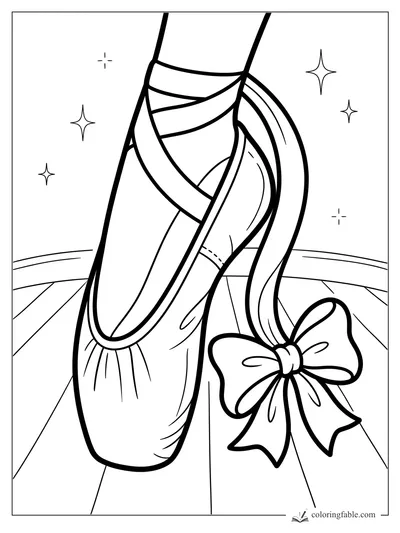
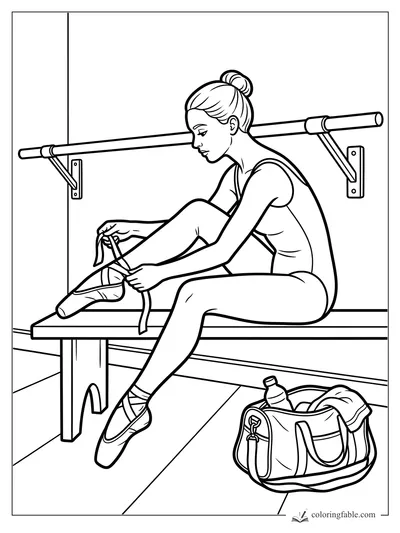
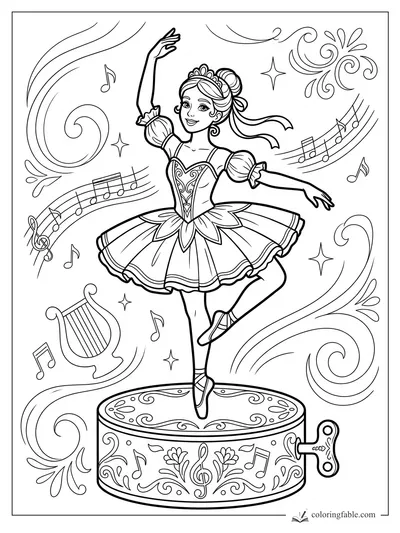
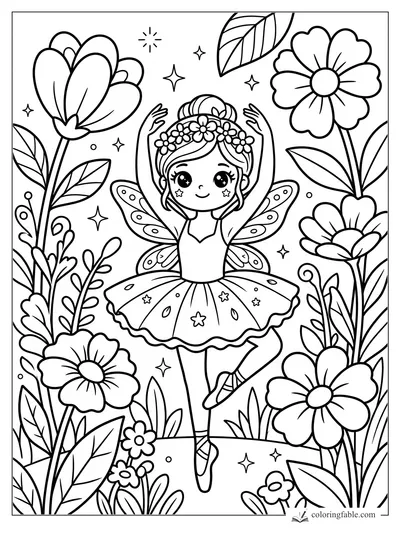
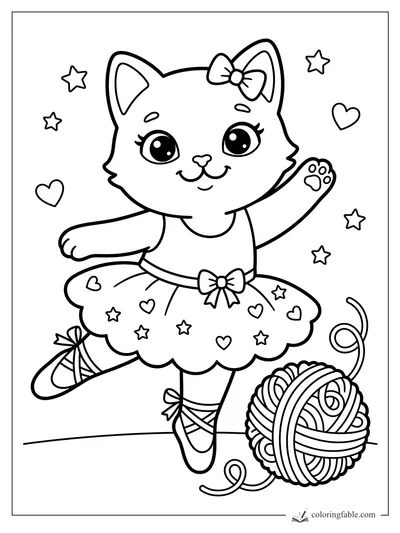
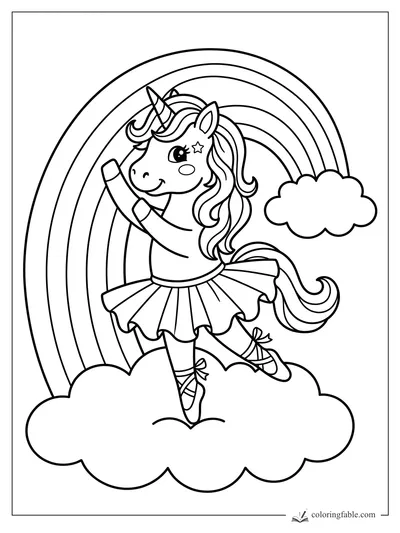
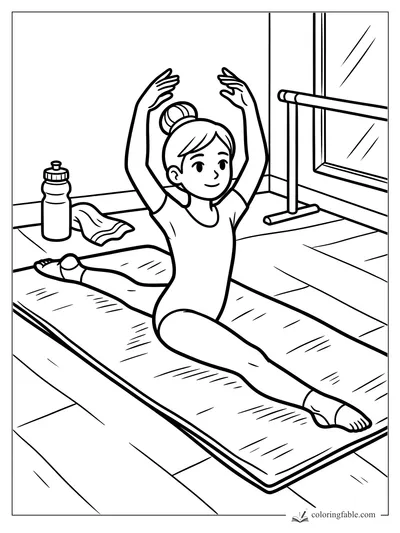
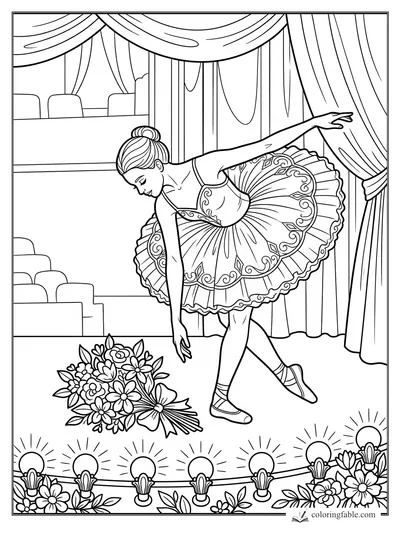
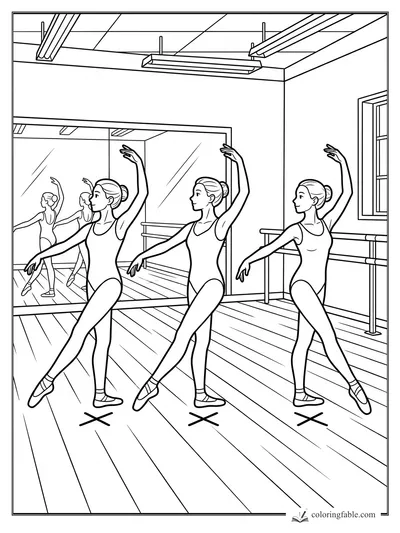
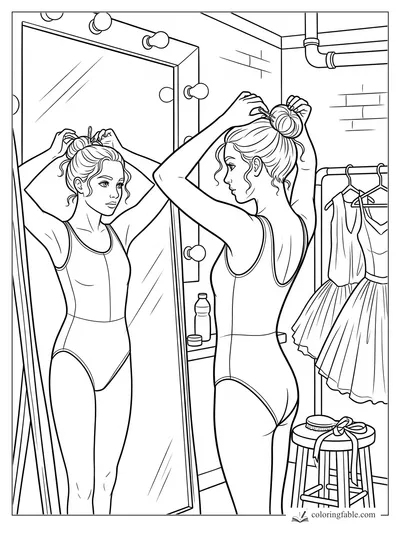
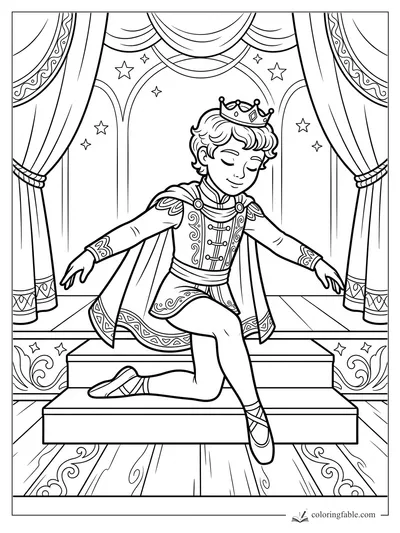
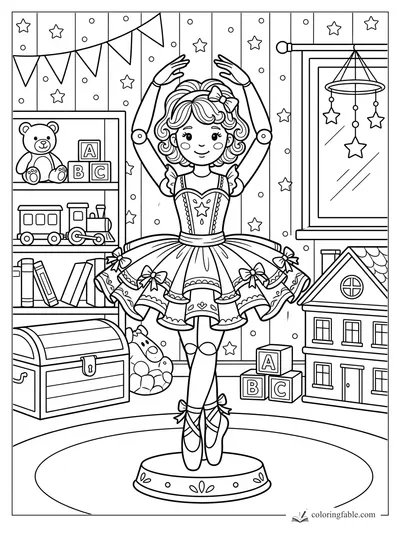
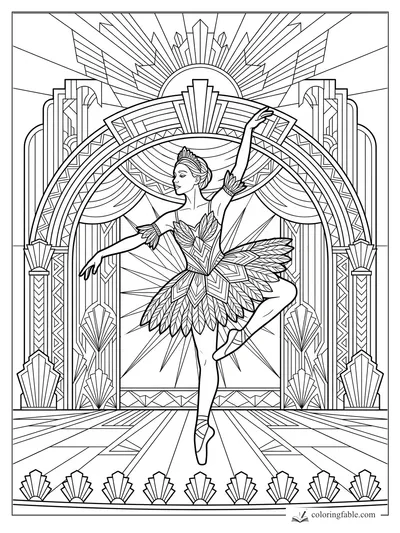
In this ballet dance coloring pages collection, you’ll find young dancers stretching at the barre, tying pointe-shoe ribbons, practicing first position, leaping across a studio floor, and taking a bow under recital lights. The pages range from big, simple shapes for preschool and kindergarten colorers to more detailed tutus, stage curtains, floral headpieces, and group poses for older kids. Dance students can color familiar class moments, while sports-minded children can notice balance, flexibility, strength, and coordination in every pose. Print a single warm-up scene or build a whole mini recital in PDF form.
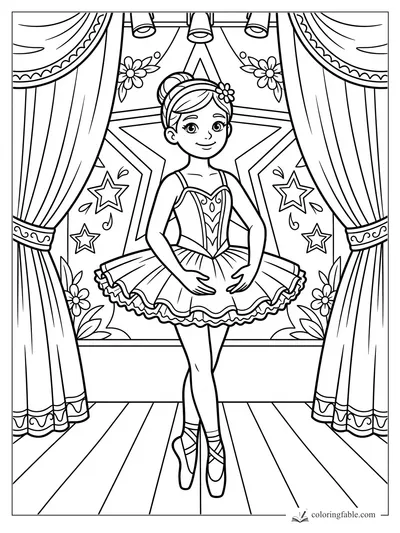
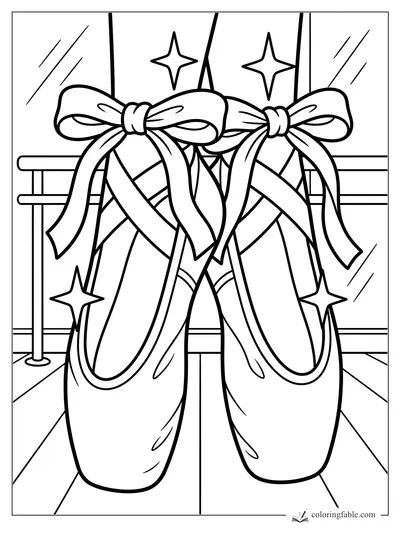
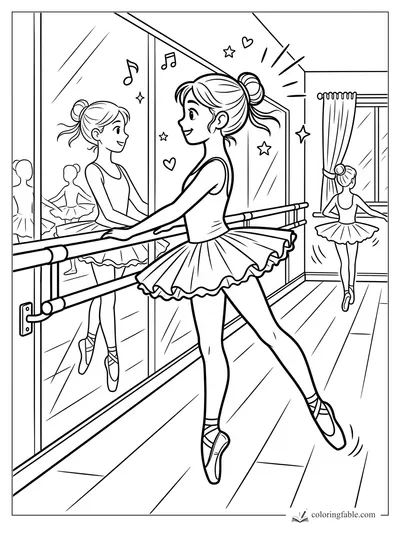
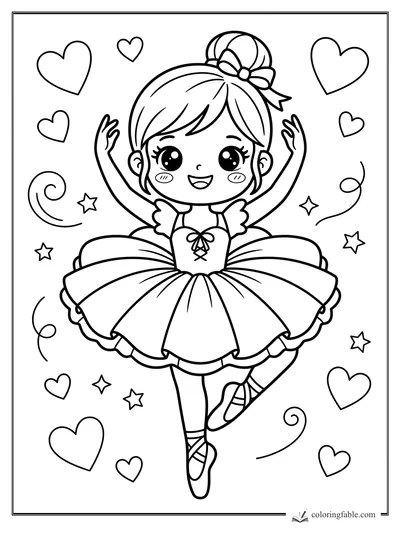
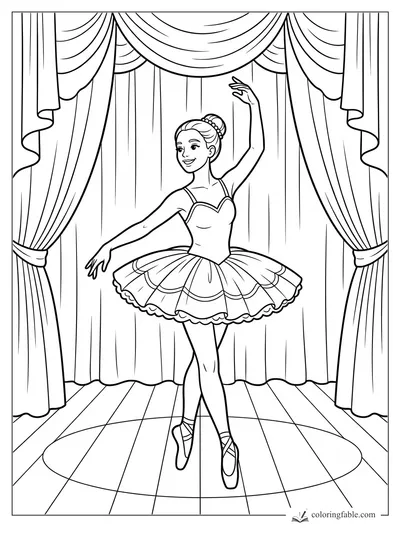
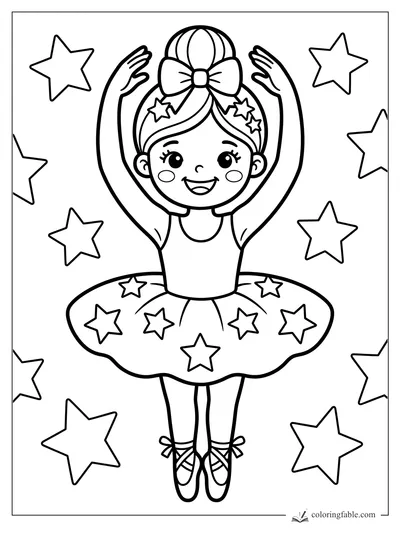
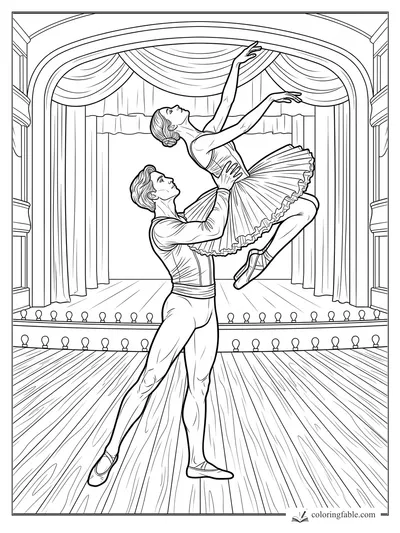
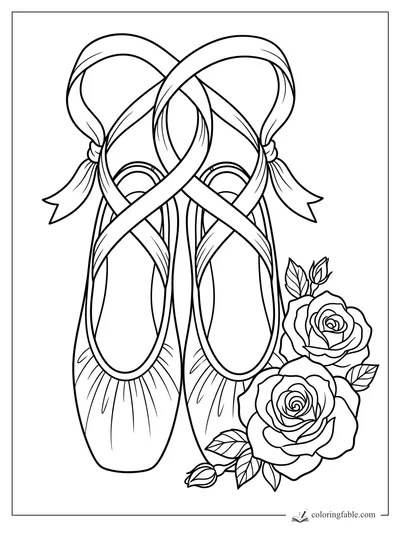
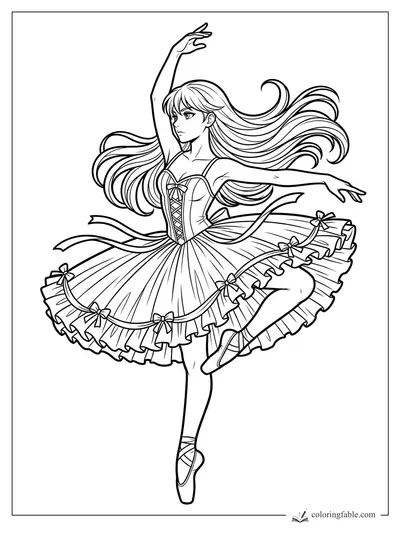
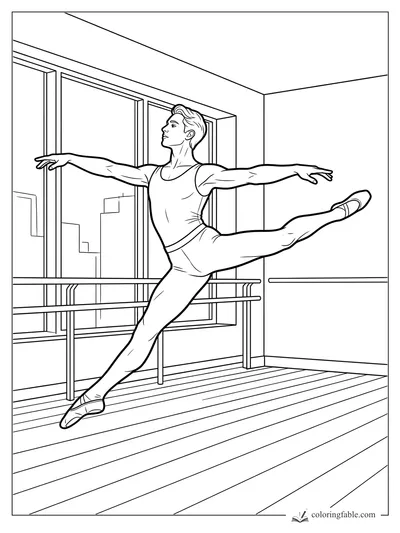
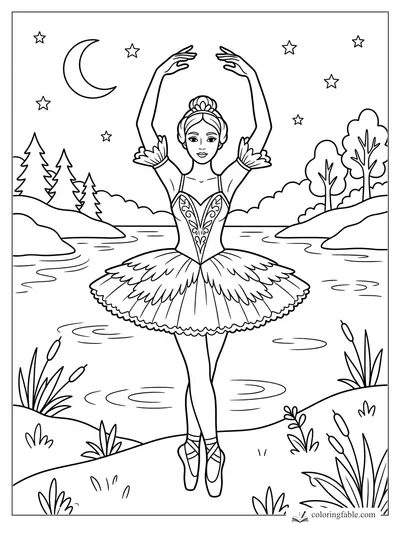
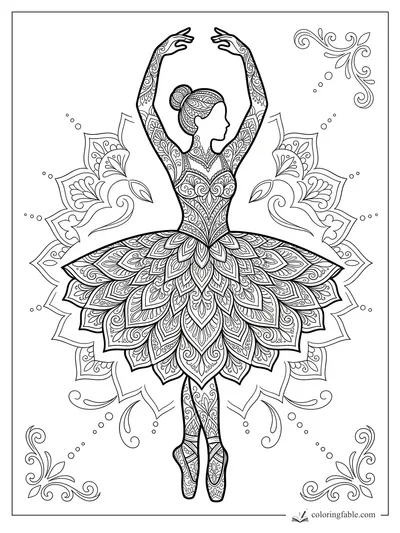
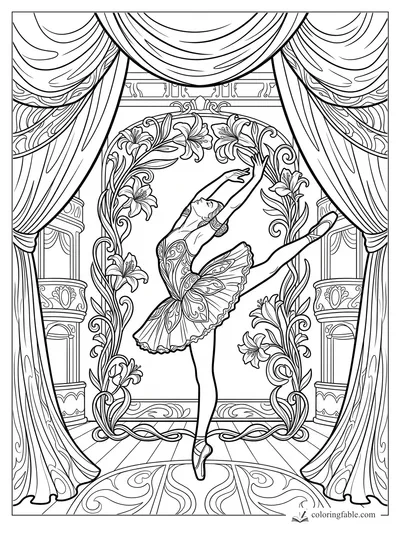
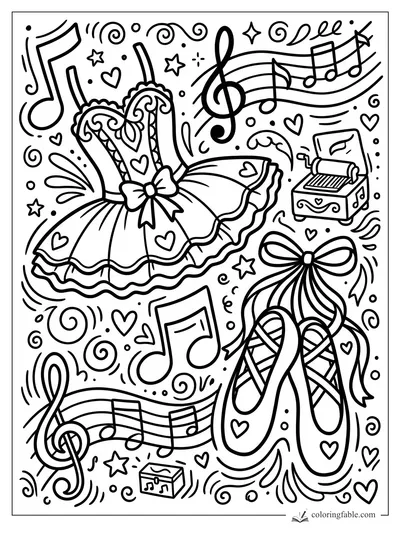
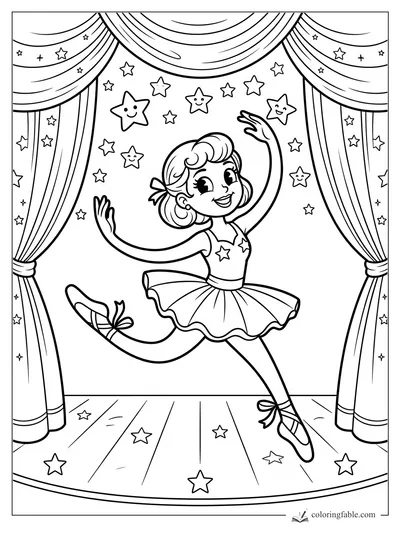
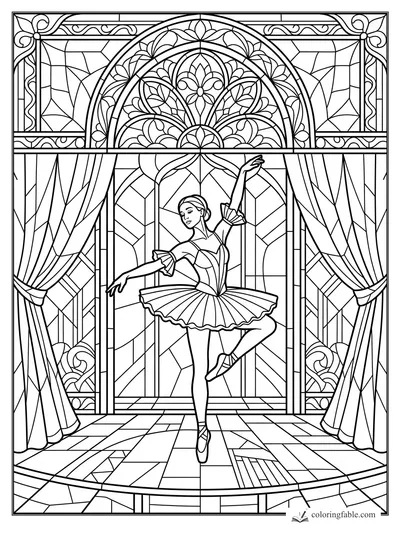
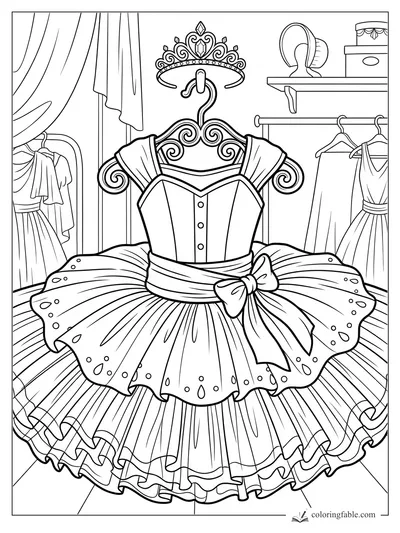
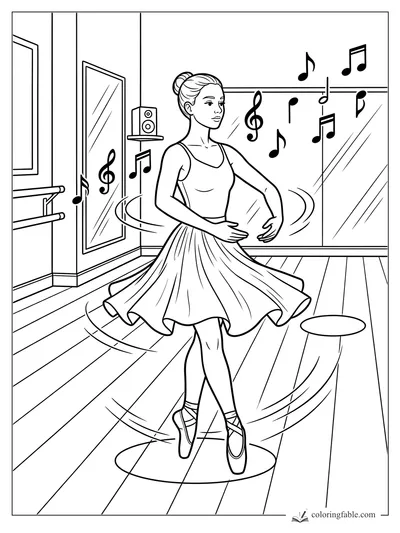
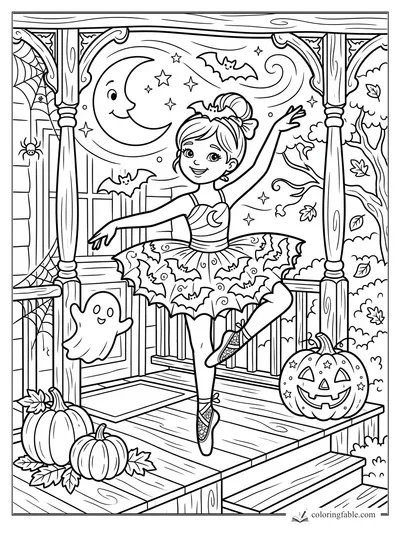
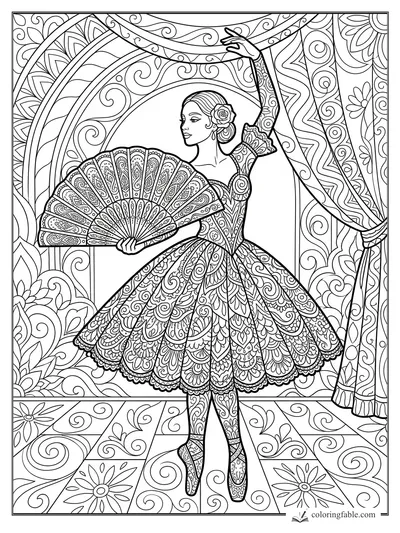
Ballet Dance pages by style, mood and season
Fun facts to share while coloring
Ballet began as court entertainment in Renaissance Italy, then grew into a formal stage art in France; many ballet words, including plié and jeté, are still French today. King Louis XIV loved dance and founded the Académie Royale de Danse in 1661, helping set rules for training and technique. The five basic foot positions are traditionally credited to Pierre Beauchamp, a French dancing master from that era. Pointe work became famous in the 1800s, and Marie Taglioni’s performance in La Sylphide helped make the floating, toe-dancing look iconic. Tutus also changed over time: Romantic tutus are long and soft, while classical tutus are shorter so the audience can see fast, precise legwork.
Coloring tips
Start with ballet’s signature palette: blush pink slippers and tights, satin ribbons, black or white leotards, soft ivory spotlights, polished tan studio floors, red velvet curtains, and touches of gold on crowns or theater trim. For tutus, use very light circular strokes or layered pale blues, lavenders, and whites so the fabric looks airy instead of flat. Add a thin gray shadow under a raised leg, behind crossed ribbons, or beneath a dancer’s feet to show balance and height. Since ballet poses create long curves and repeated pleats, color in the direction of the arm lines, skirt folds, and shoe ribbons. For a twist, design each dancer’s costume for a famous ballet mood—snowflakes, swans, toy soldiers, or a moonlit recital.
📕 Prefer it as a book?
TheBallet Dance Coloring Book: 20 pages hand-picked from this catalog, ordered from easy to intricate, with a personalized cover. One free PDF.