The kawaii style
Kawaii coloring pages with cute patterns, faces, and tiny treats
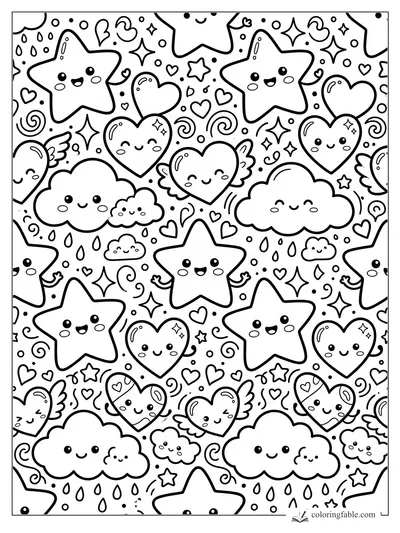
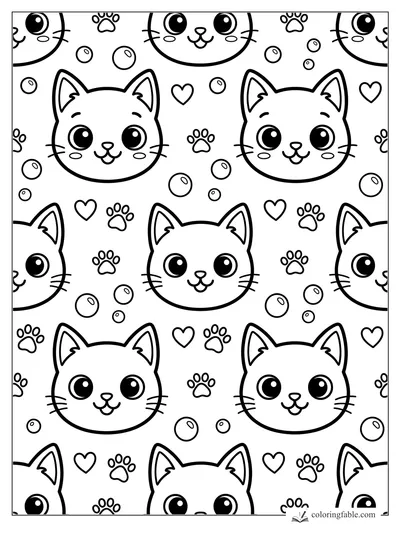
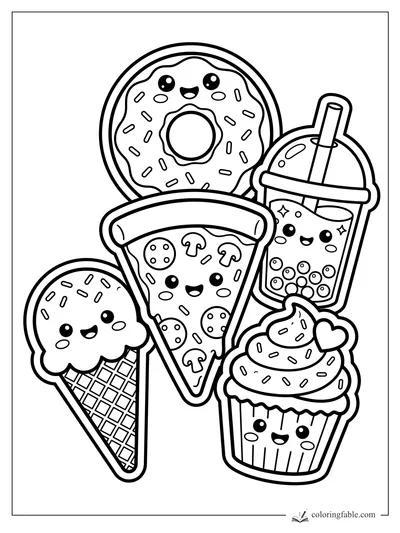
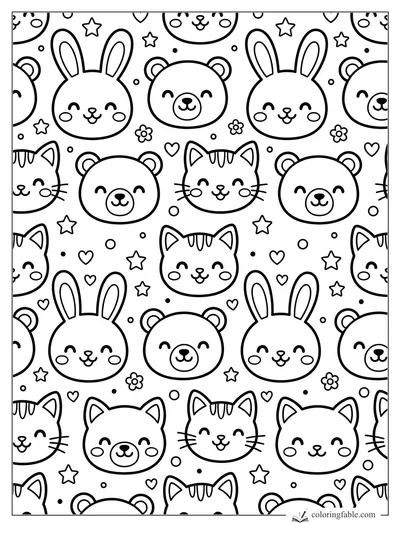
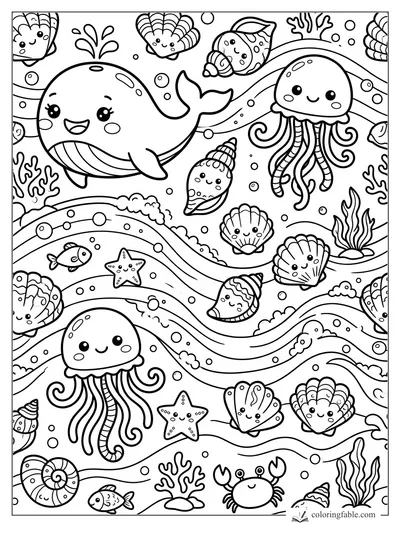
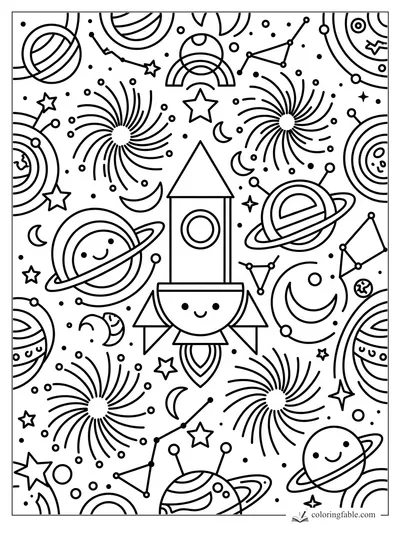
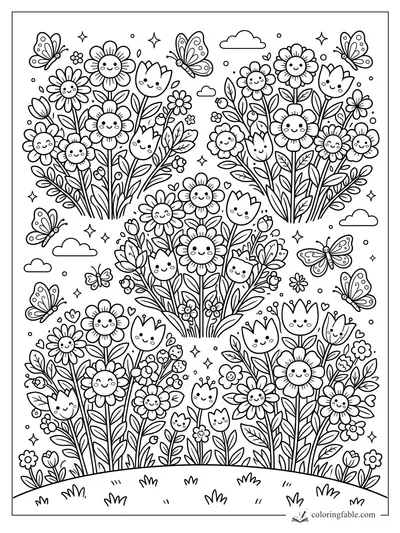
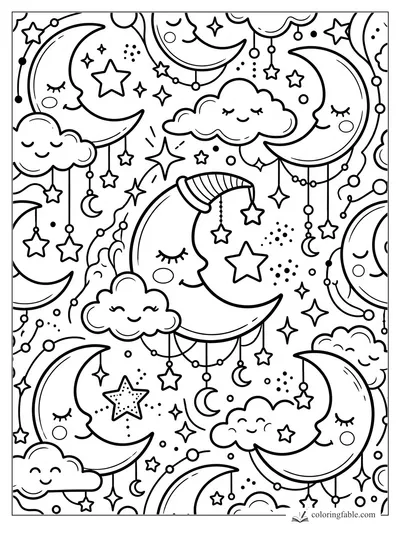
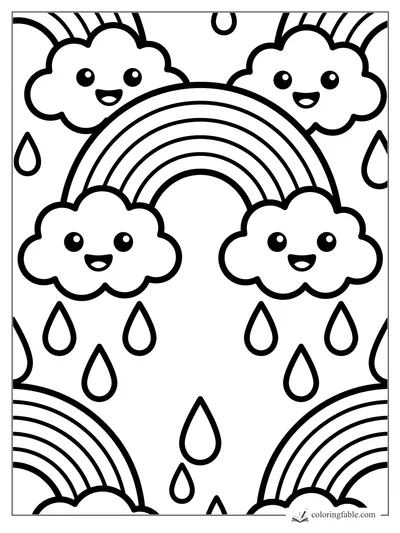
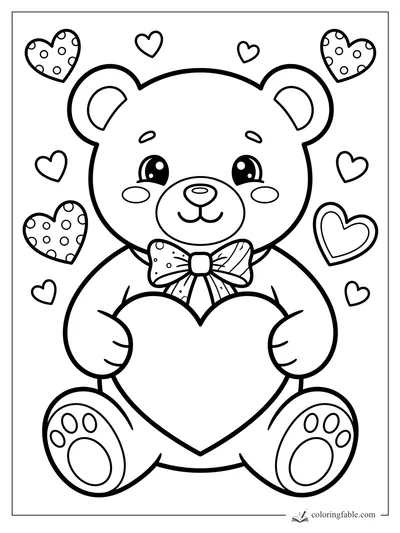
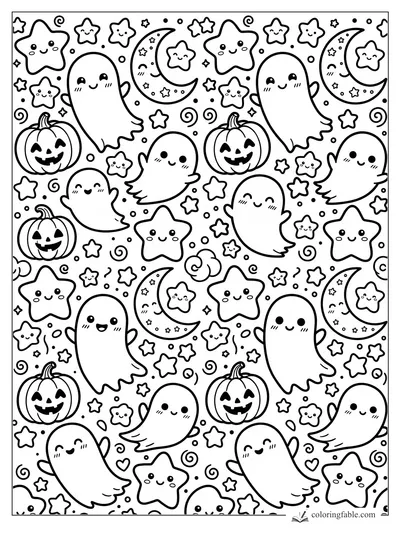
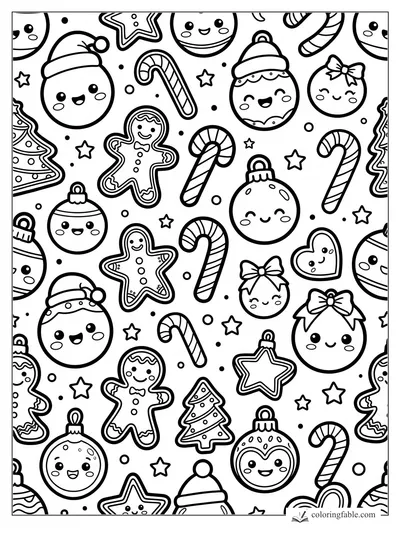
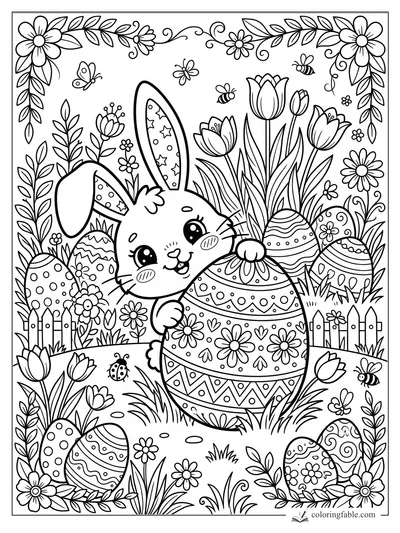
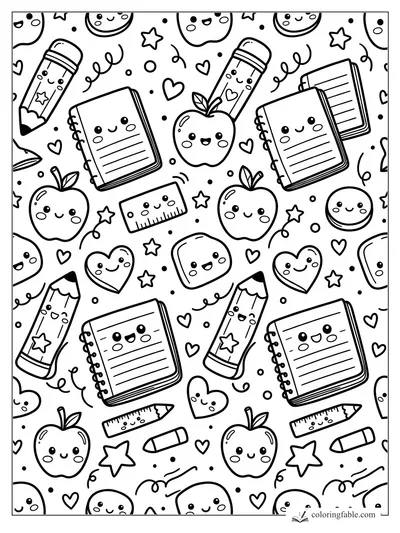
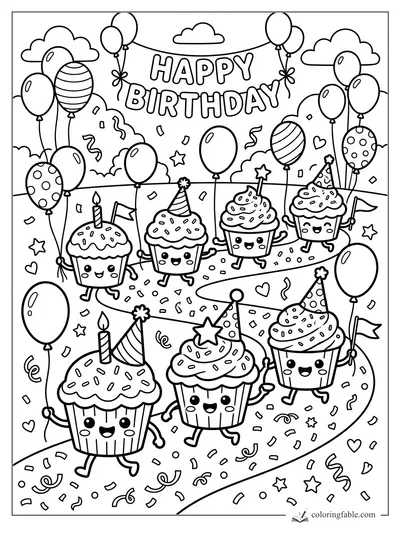
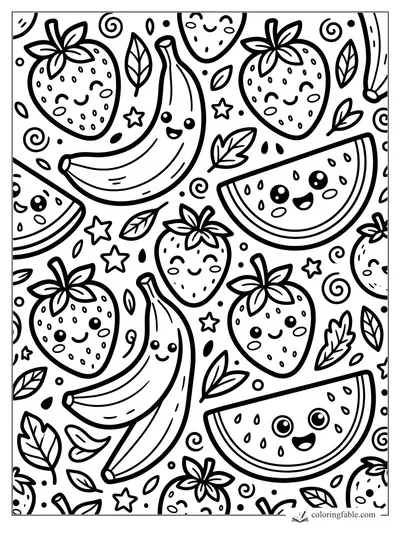
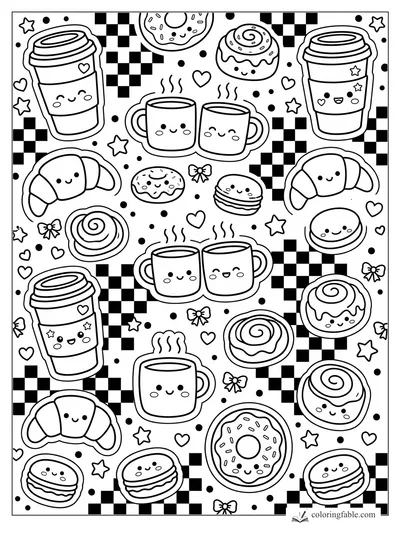
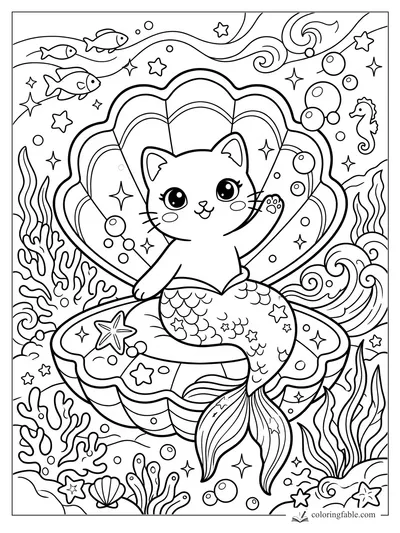
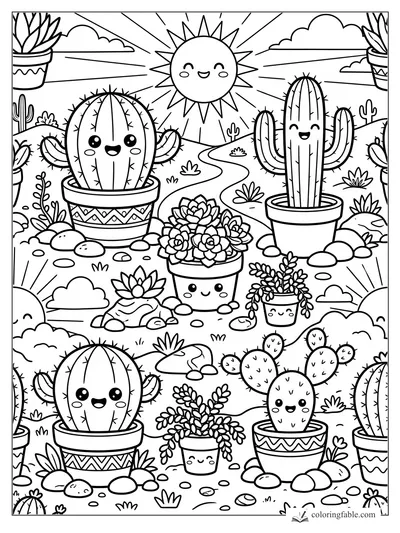
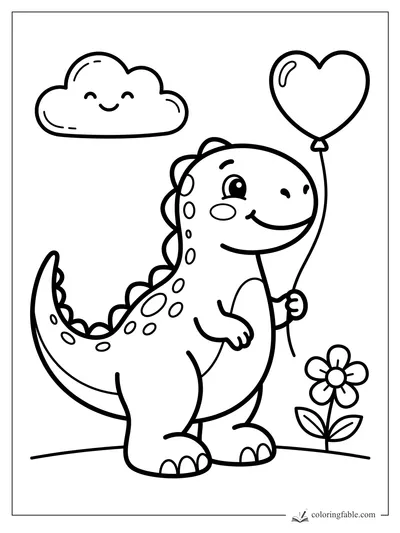
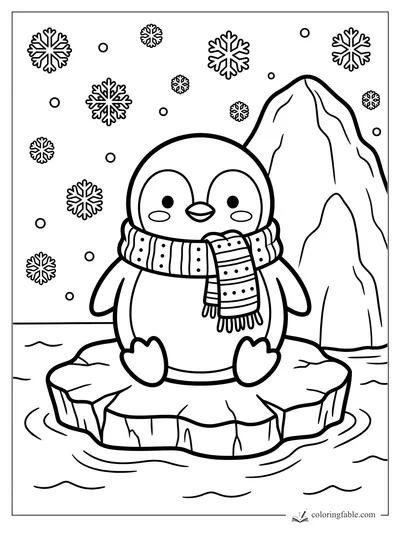
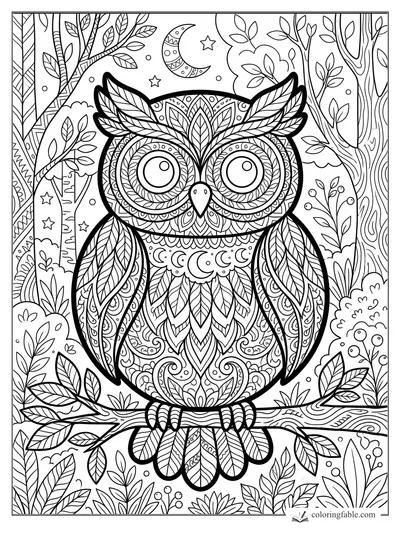
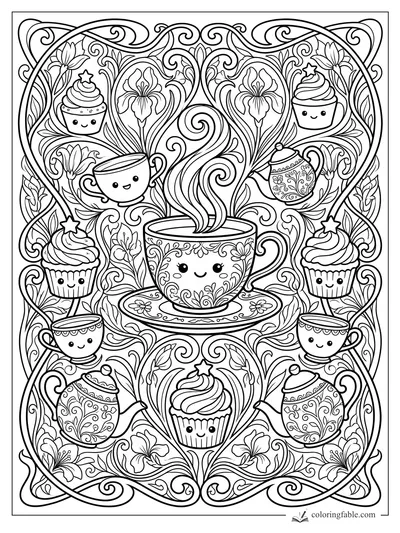
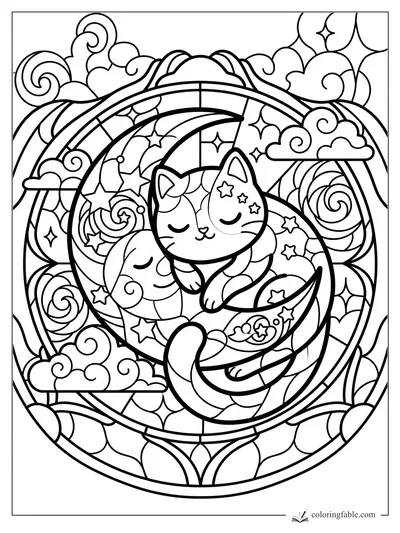
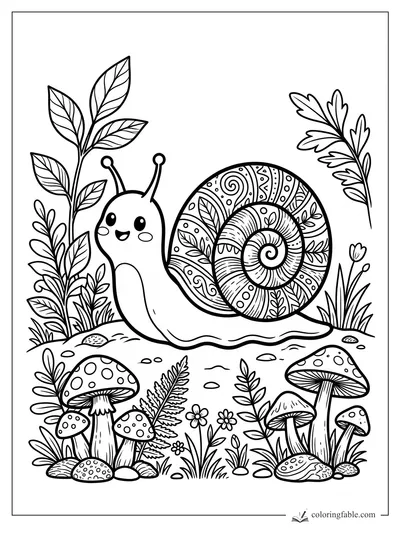
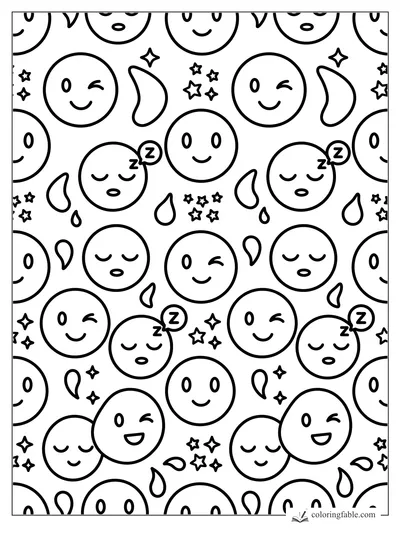
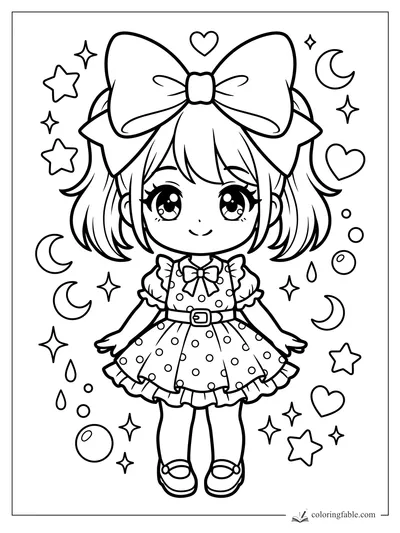
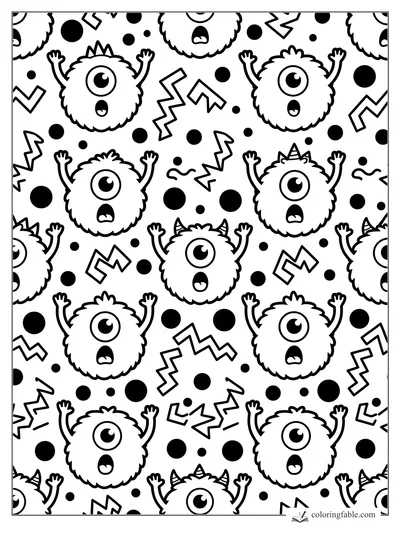
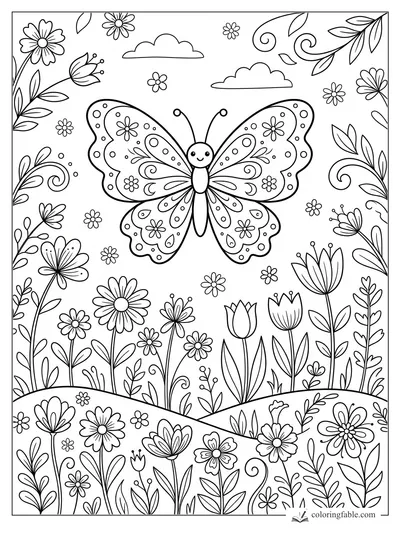
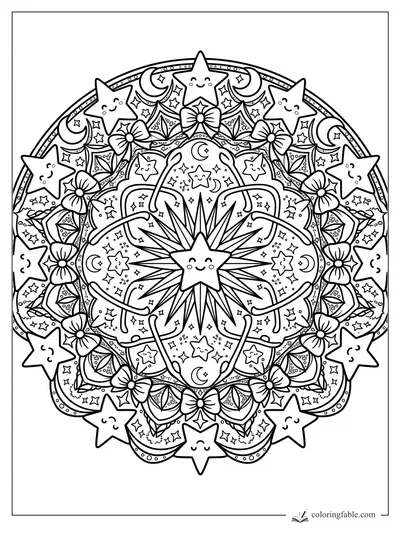
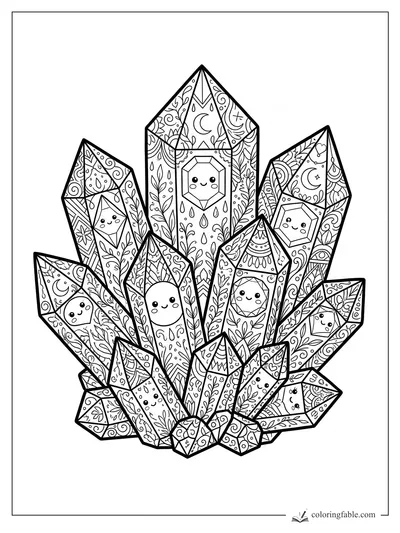
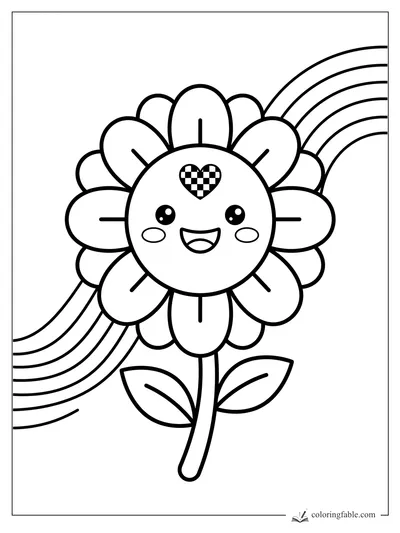
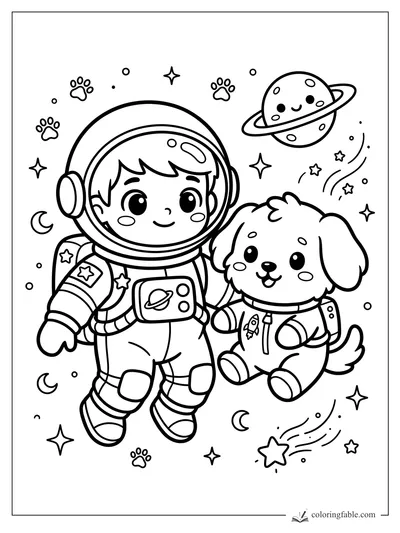
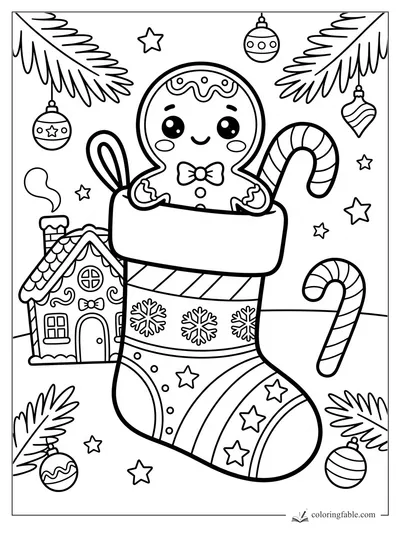
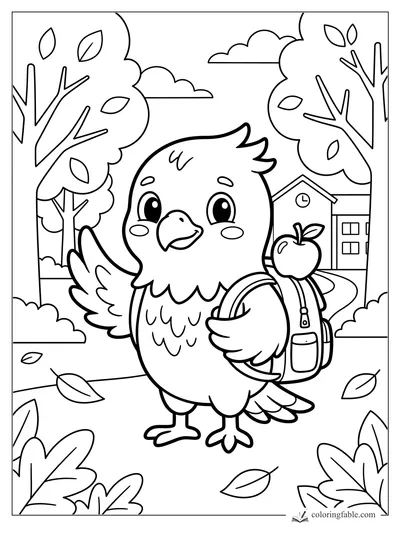
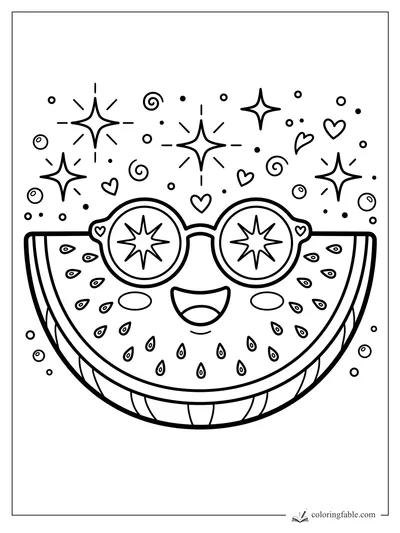
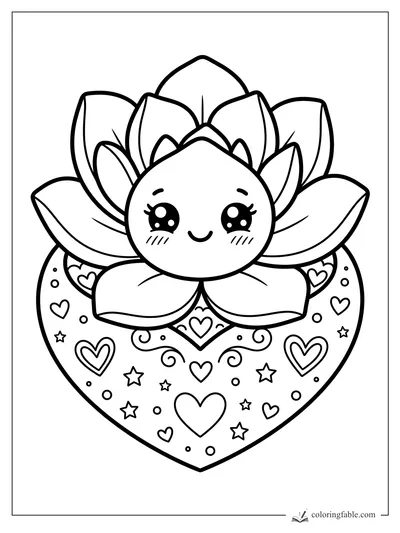
This kawaii collection gathers the small, smiley things that make the style instantly recognizable: dumpling cats, blushing clouds, milk cartons, tiny planets, sleepy toast, and repeating heart-and-star patterns. Younger colorers can start with chunky faces and wide outlines, while older kids and adults can settle into denser sticker-style pages, patterned backgrounds, and dessert spreads with lots of little expressions. The mix suits preschoolers practicing careful fills, tweens who love cute stationery, and anyone who wants a low-pressure page of cheerful shapes rather than realistic drawing.
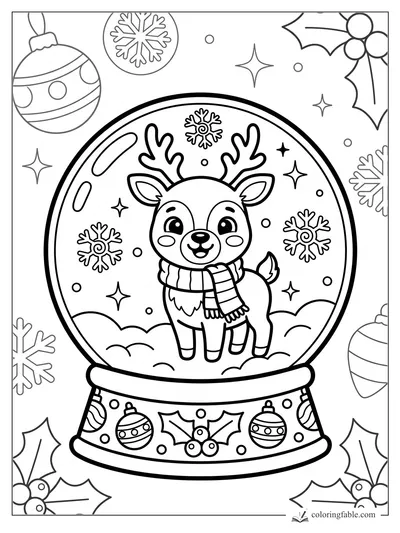
Kawaii coloring pages turn everything — dragons, trucks, vegetables — into round, huggable characters with big shiny eyes. The style comes from Japanese cute culture, and it is a gift for young colorists: thick outlines, simple interior shapes, and faces that look delighted whatever colors you choose.
The Kawaii collection
44 original pages drawn FOR this style — the heart of the theme.
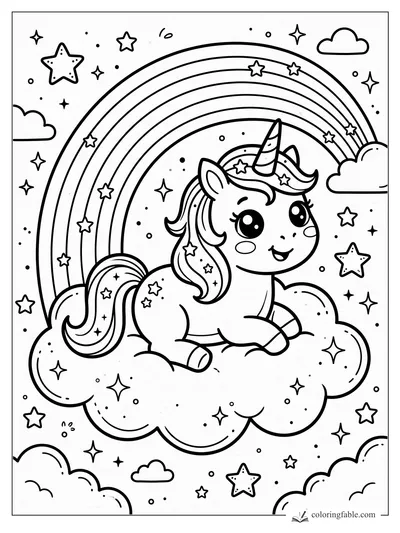
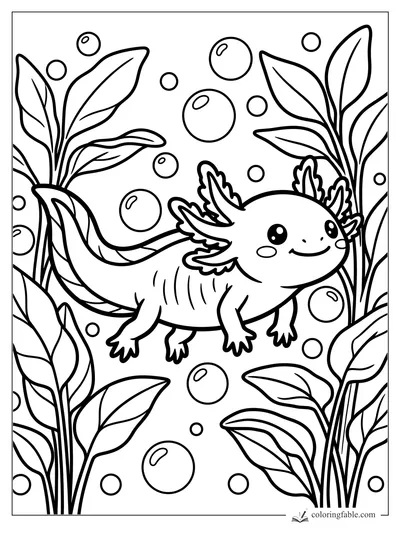
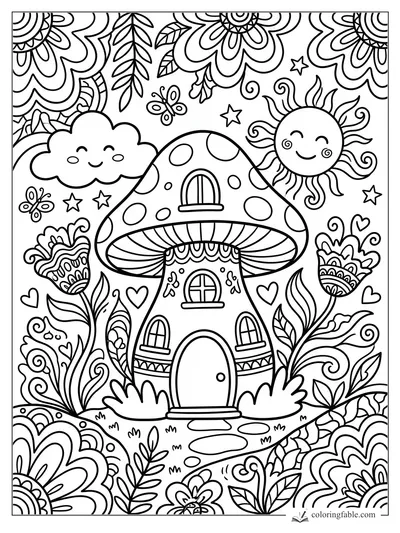
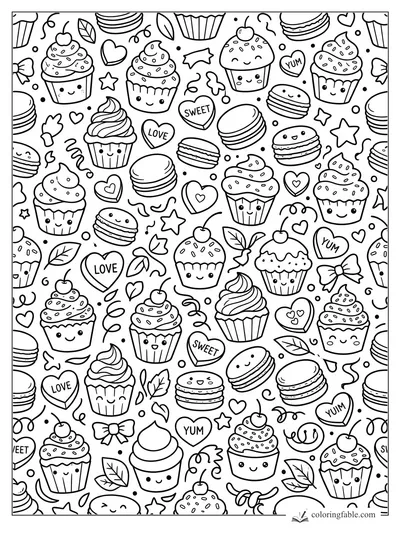
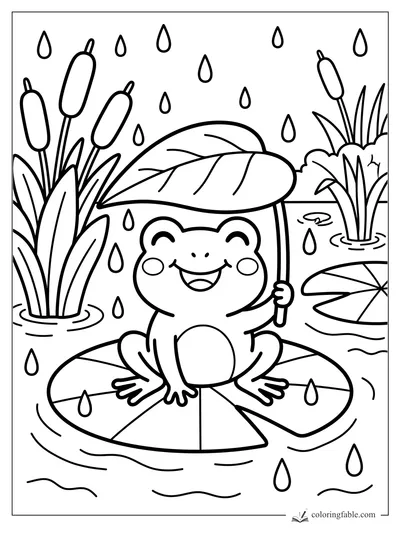
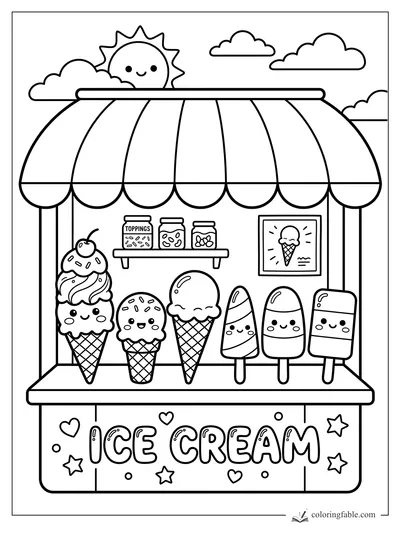
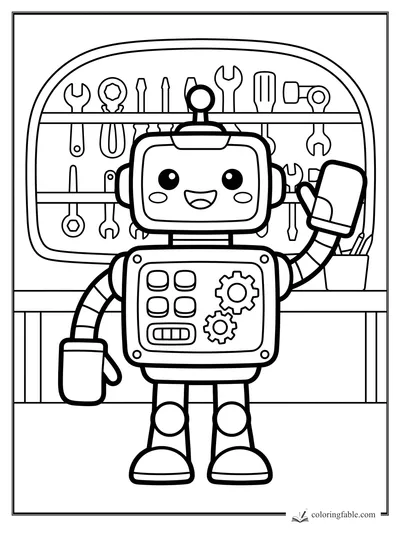
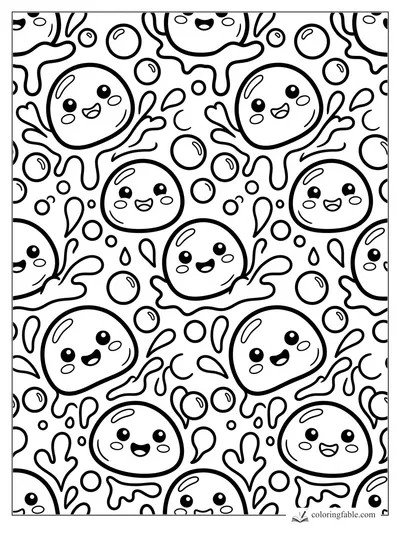
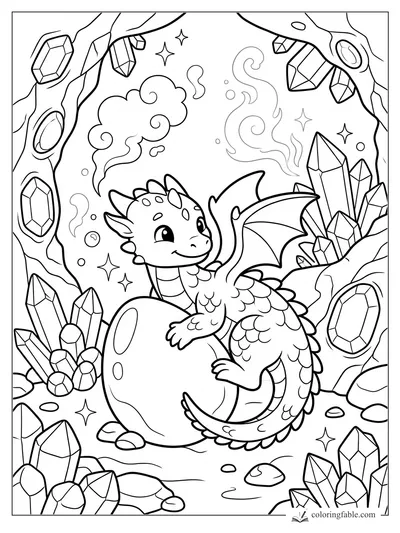
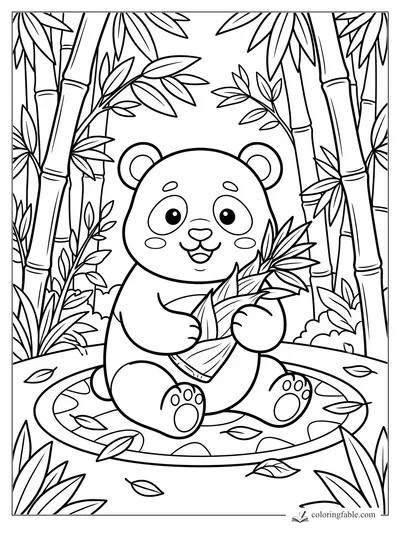
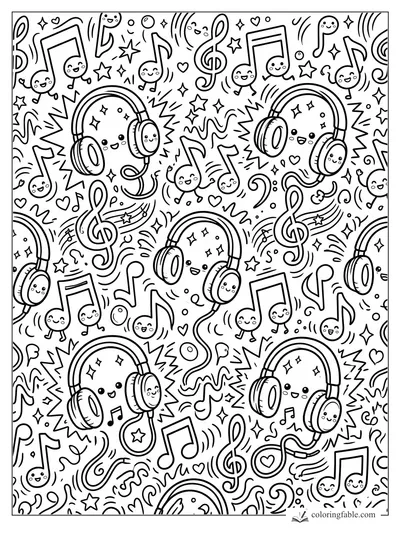
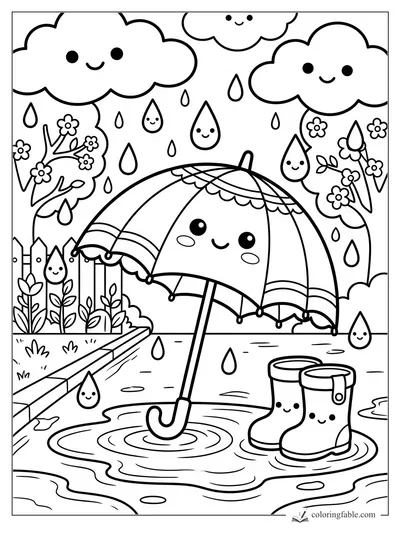
Kawaii pages by style, mood and season
Kawaii across all our worlds
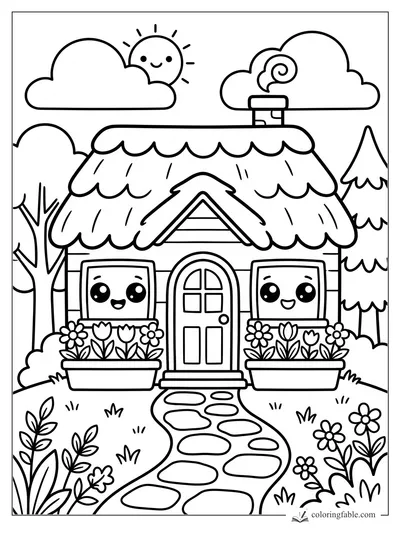
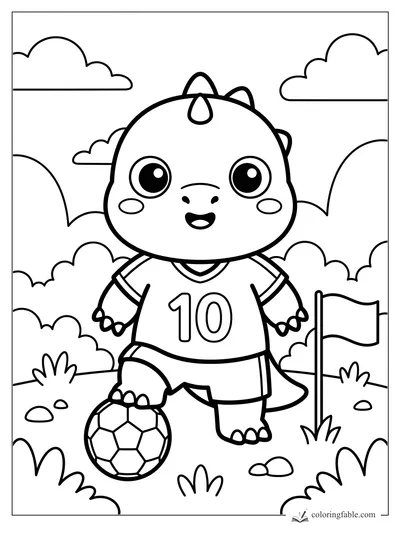
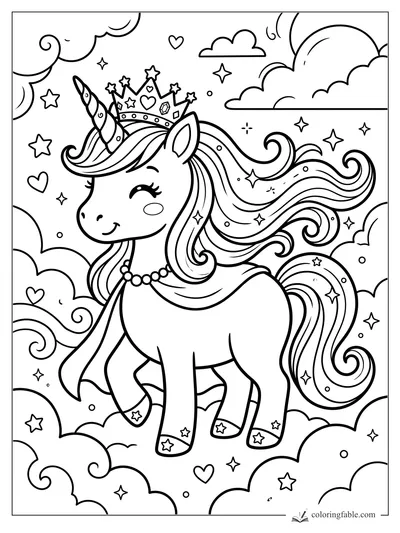
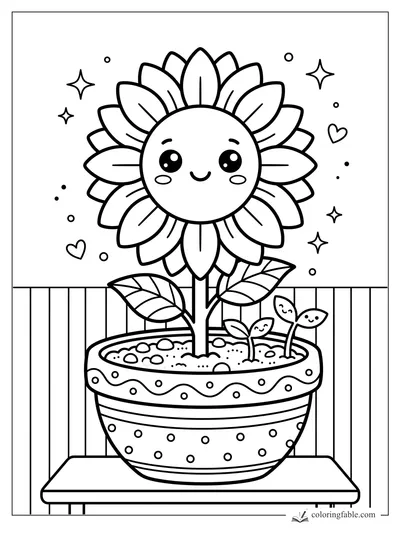
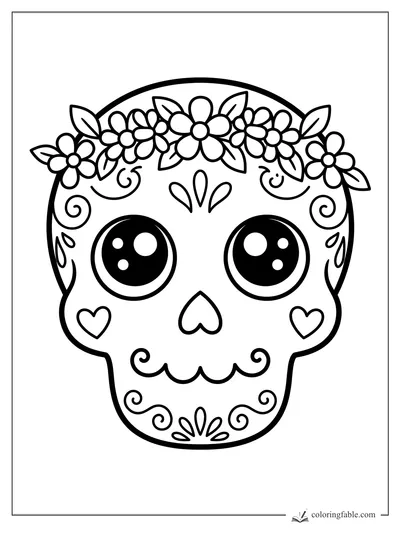
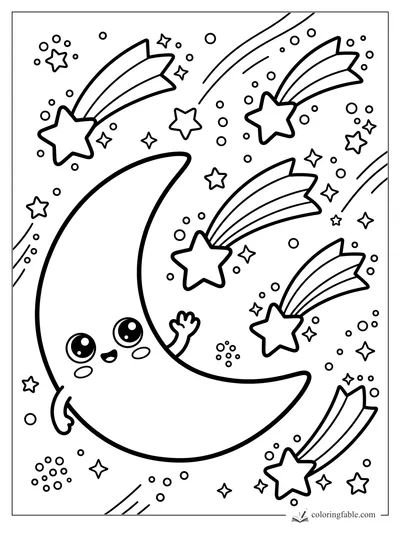
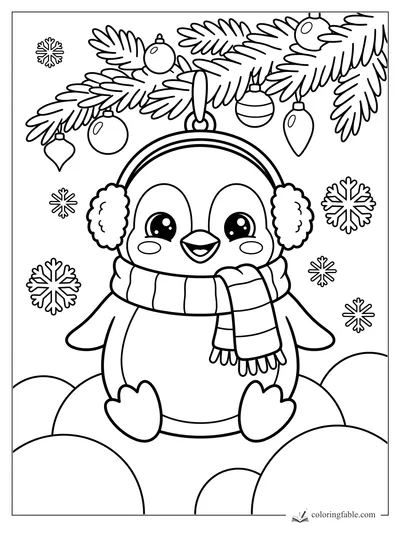
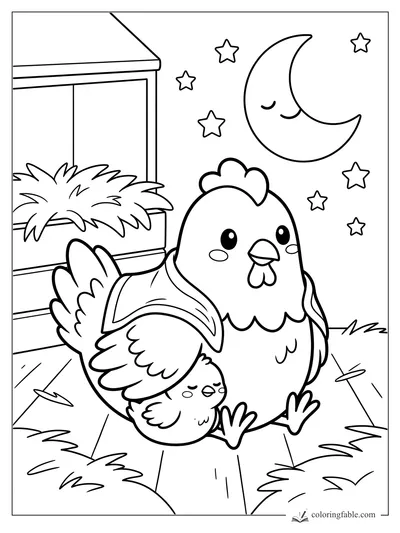
The kawaii style lives beyond its collection — a varied pick from the rest of the catalog, each page linking home. A sample of 48 pages out of 801.
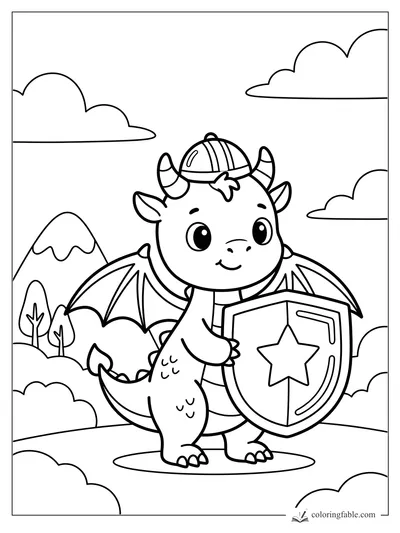
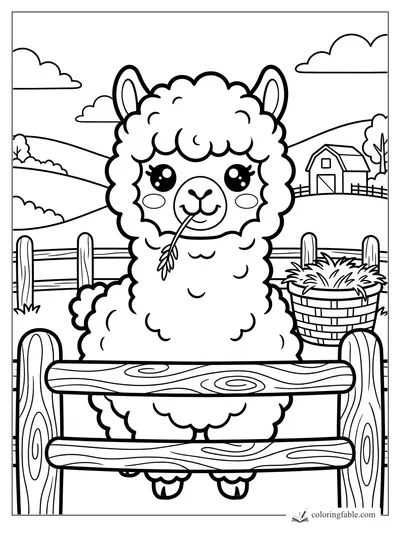
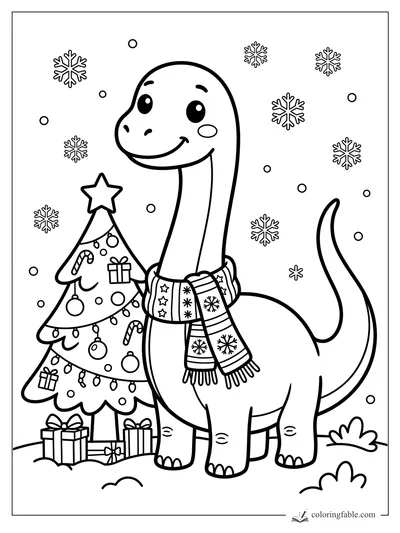
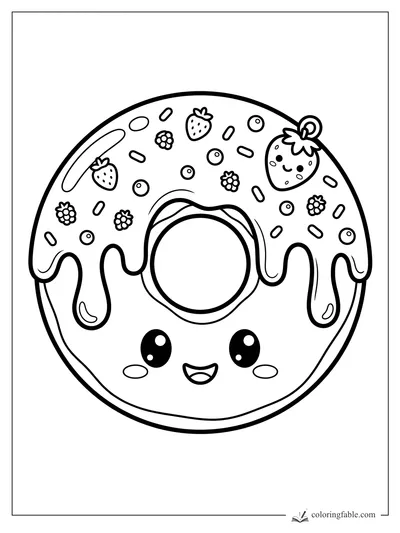
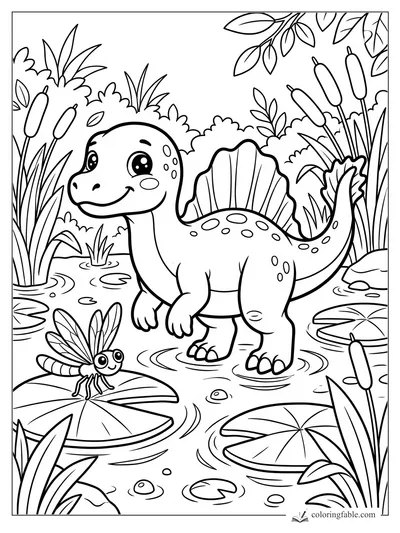
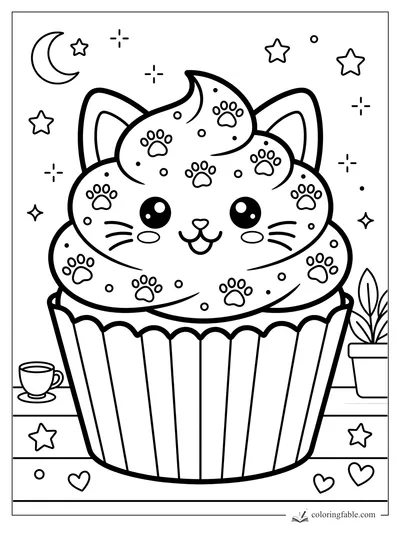
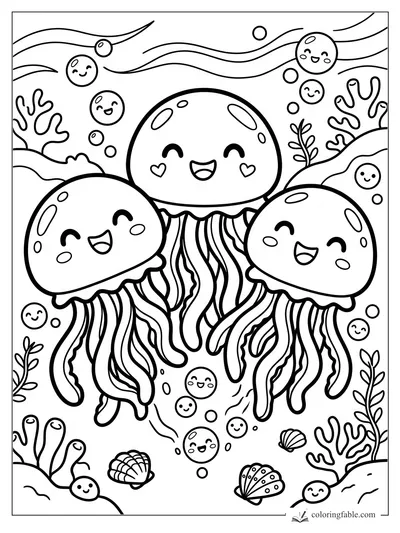
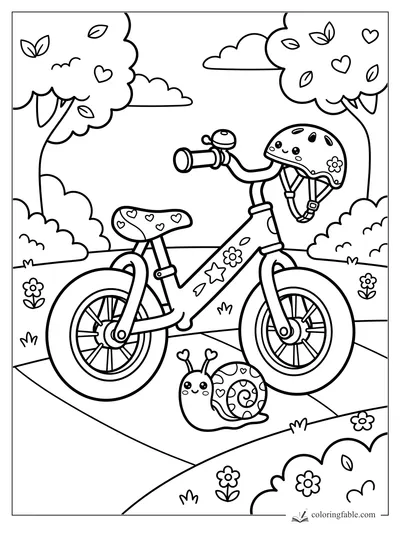
Collections that love this style
Each card opens the whole collection — the count is its kawaii pages.
 Fall 15 kawaii pages
 Summer 15 kawaii pages
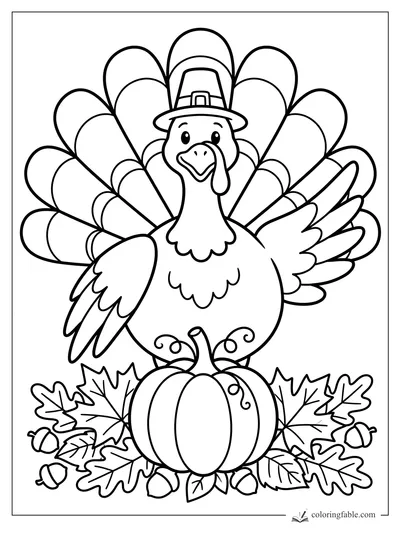 Thanksgiving 14 kawaii pages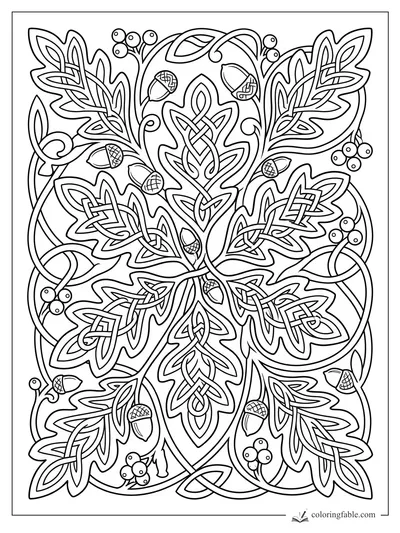
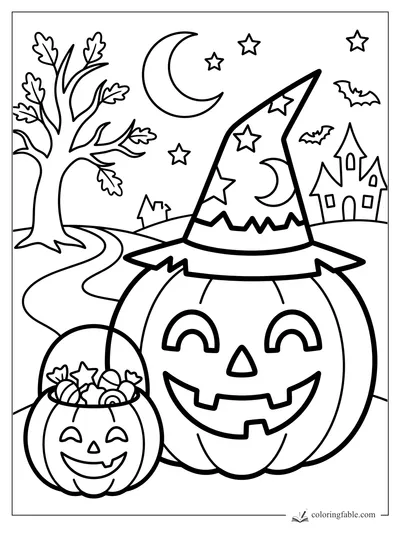 Halloween 13 kawaii pages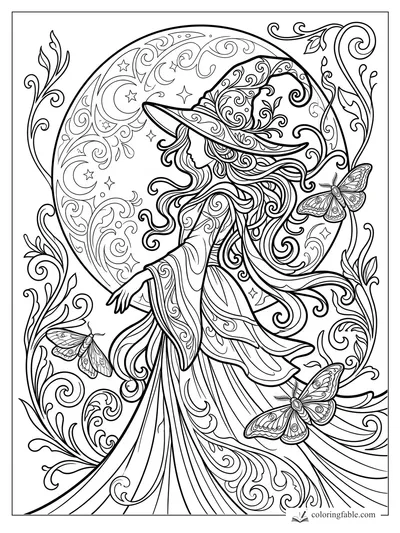
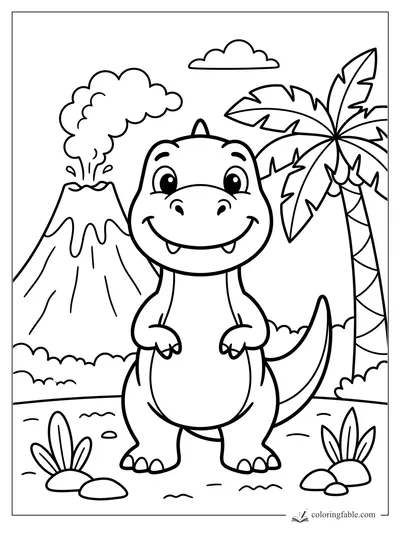 Dinosaur 13 kawaii pages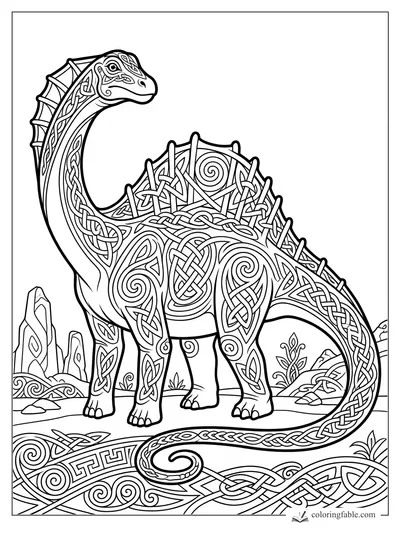
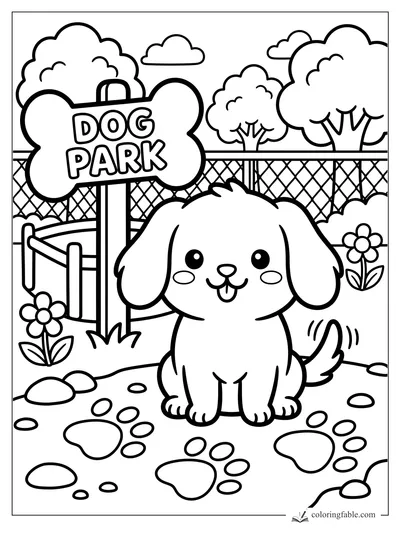
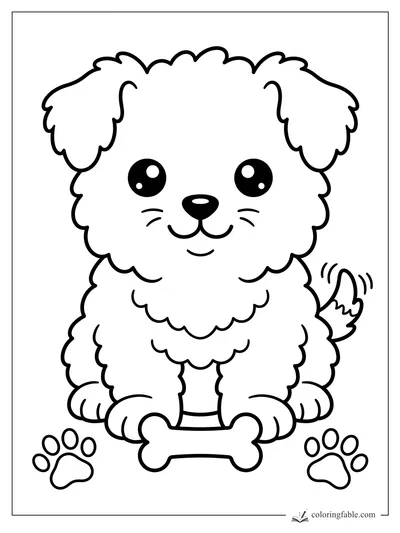 Dog 13 kawaii pages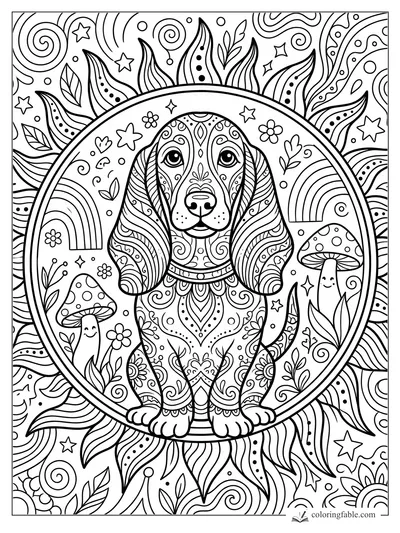
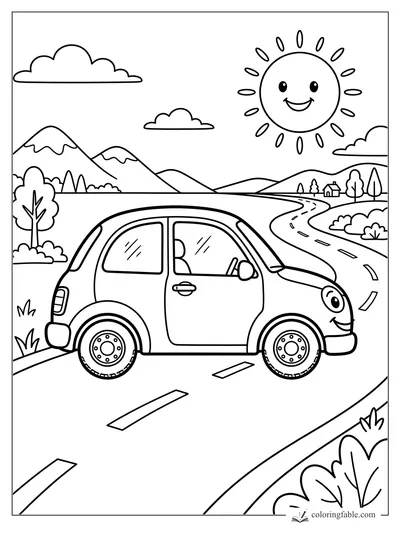 Car 12 kawaii pages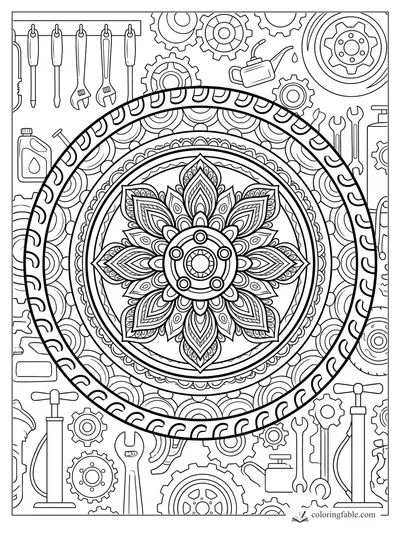
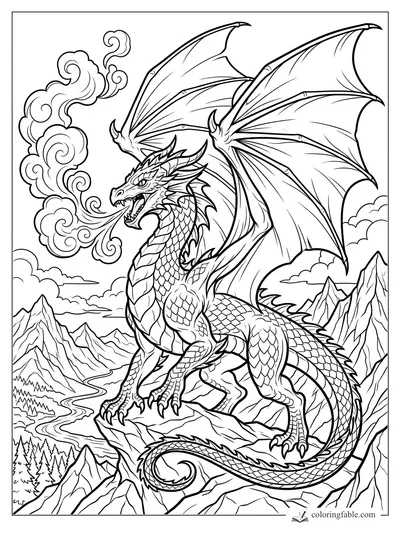 Dragon 11 kawaii pages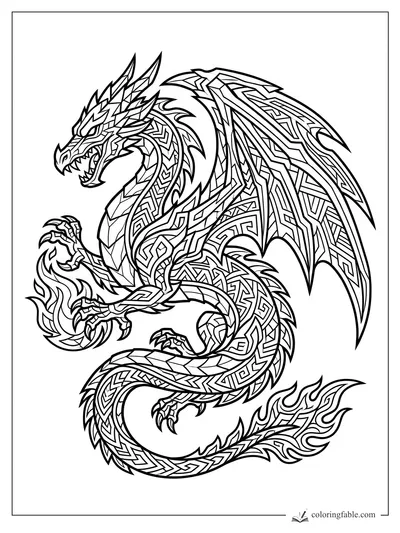
Fun facts to share while coloring
“Kawaii” is a Japanese word often translated as “cute,” but it can also carry the feeling of lovable, small, or endearing. The modern look became especially visible in Japan during the 1970s, when rounded, playful handwriting and character goods spread among students and stationery brands. Hello Kitty, one of the world’s best-known kawaii characters, was introduced by Sanrio in 1974 and was first shown on a small vinyl coin purse. Kawaii design often gives faces to ordinary objects—food, clouds, pencils, or planets—so they feel friendly instead of formal. You may also hear “chibi” in cute art; in Japanese it refers to something small, and in drawing it usually means a tiny body with an oversized head.
Coloring tips
Build a classic kawaii palette one soft piece at a time: blush pink for cheeks and bows, baby blue for skies and milk cartons, butter yellow for stars, mint green for leaves, lavender for shadows, creamy white for highlights, chocolate brown for cookies, and glossy black for dot eyes. Because kawaii pages use rounded shapes, thick outlines, and repeat motifs, color with light circular strokes or marker passes that follow the curve of each bun, cloud, or bubble letter. Add tiny white gel-pen highlights on eyes and candy wrappers. For a theme-specific twist, turn the background into a sticker sheet: outline each character with a pale halo, then fill the spaces between them with mini hearts, sparkles, and smiling punctuation marks.
You might also like
More styles and moods to explore
The same worlds drawn another way — each page gathers the whole catalog in one style or mood.