Plant succulent coloring pages for pots, rosettes, and desert gardens
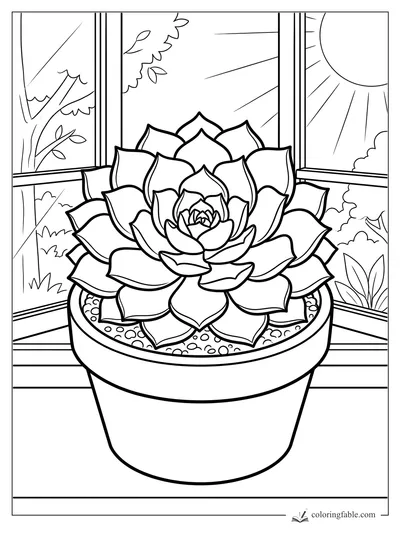
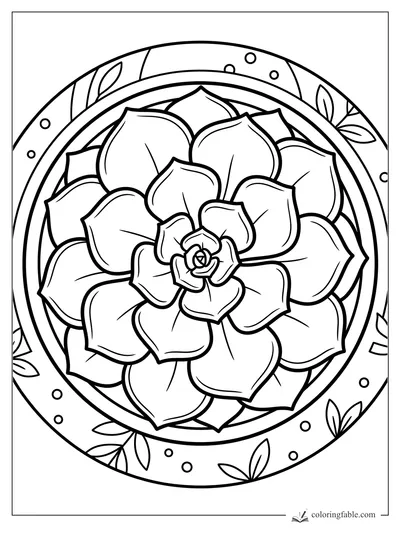
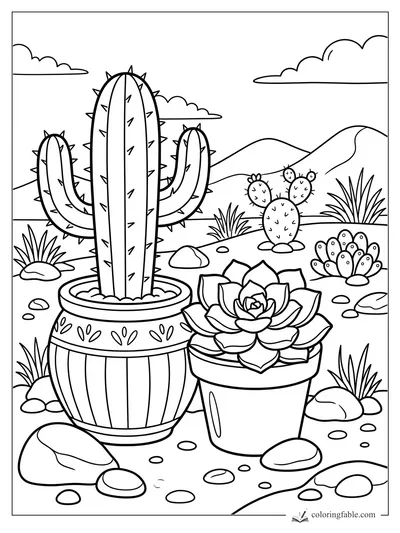
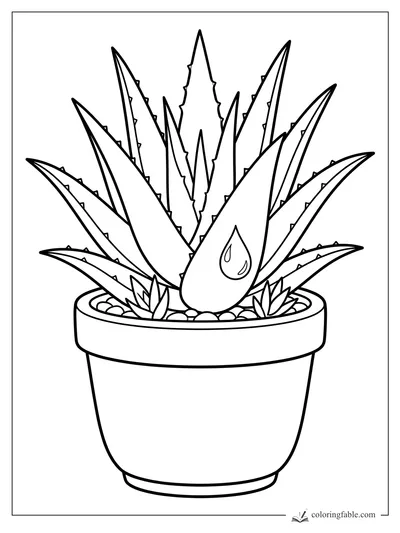
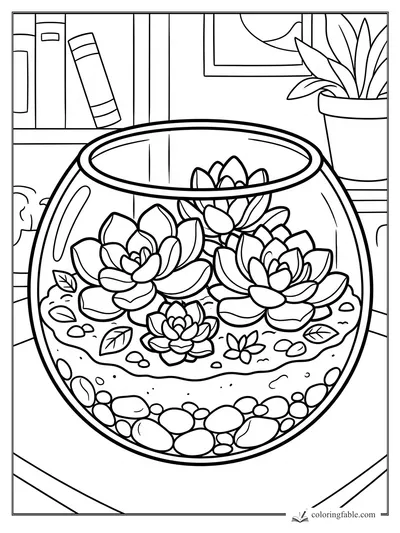
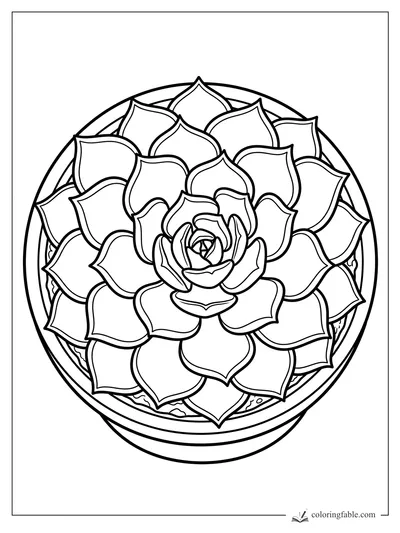
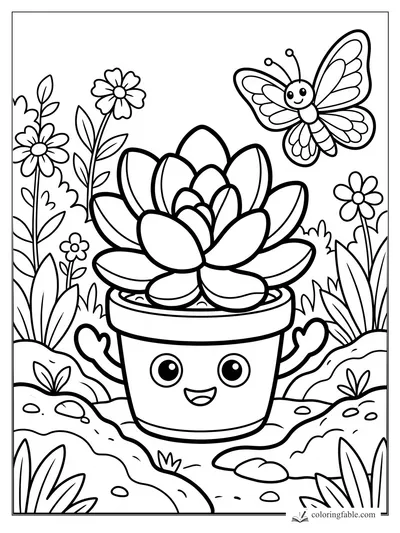
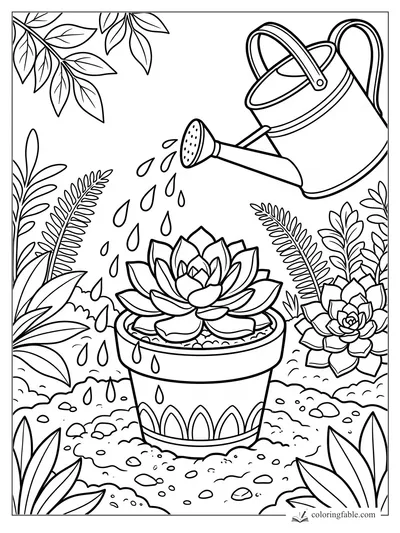
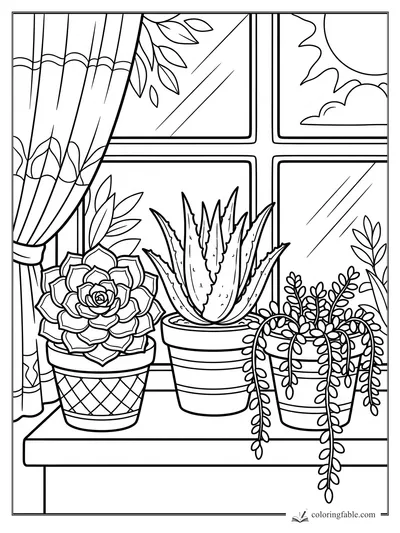
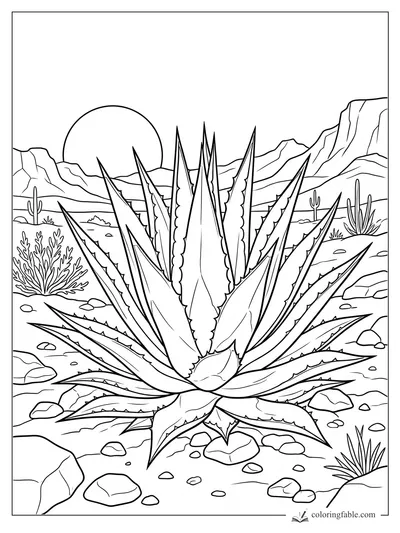
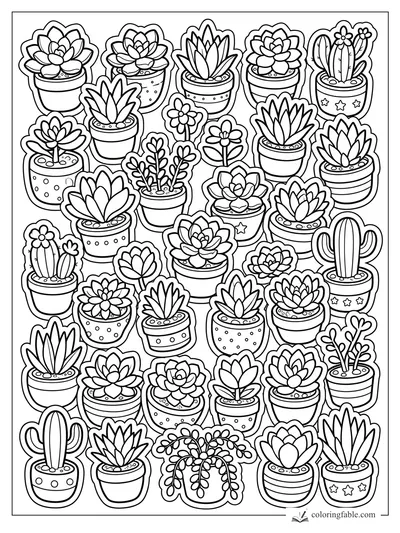
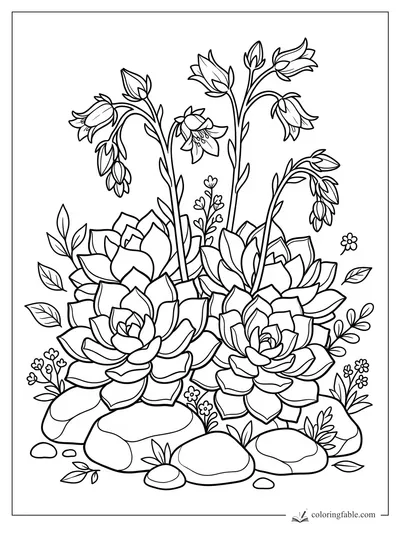
This plant succulent collection gathers printable pages full of plump leaves, tidy rosettes, terracotta pots, windowsill arrangements, and small desert garden scenes. Younger colorers can start with simple potted succulents that have big, rounded leaves and clear outlines. Older kids, teens, and adults can settle into layered echeveria spirals, aloe spikes, pebble-filled planters, and patterned pots with more detail. The mix works well for nature lessons, plant-loving families, classroom quiet time, or anyone who enjoys coloring shapes that repeat like petals but belong to hardy little plants.
Plant Succulent pages by style, mood and season
Fun facts to share while coloring
Succulents are plants that store extra water in thick leaves, stems, or roots, which helps them survive dry spells. The word “succulent” comes from the Latin word “sucus,” meaning juice or sap. Many succulents use a water-saving process called CAM photosynthesis: they open tiny pores mostly at night, when the air is cooler, instead of during the hottest part of the day. Cacti are succulents, but not every succulent is a cactus; aloes, echeverias, jade plants, and sedums are succulents too. Some succulents make baby plants called offsets, often nicknamed “pups,” that grow beside the parent plant.
Coloring tips
Succulents are famous for soft, dusty colors: sage green, mint, blue-green, dusty teal, lavender-gray, and pale olive. Add rosy pink, coral, or burgundy to leaf tips, then use tan, warm brown, or orange clay for terracotta pots. For rosette shapes, color each leaf from a darker base to a lighter tip so the spiral looks layered and plump. A white gel pen or a skipped highlight along one edge can make thick leaves look waxy. Use tiny dots and short strokes for pebbly soil, sand, and cactus-like spines. For a succulent-specific twist, turn the pots into a mini plant shelf with painted labels such as “aloe,” “jade,” and “echeveria.”