Dinosaur coloring pages: T. rex, Triceratops, raptors, and more
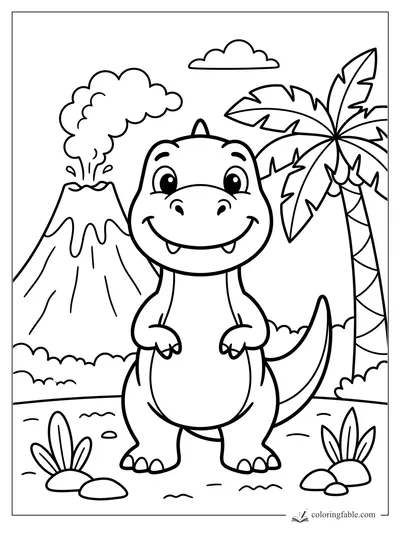
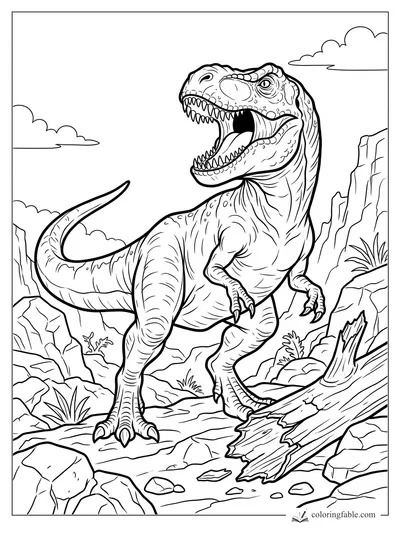
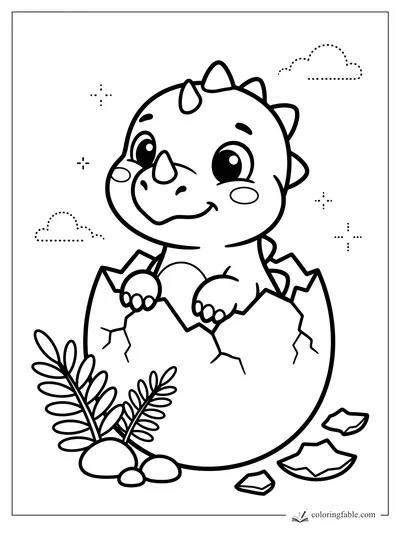
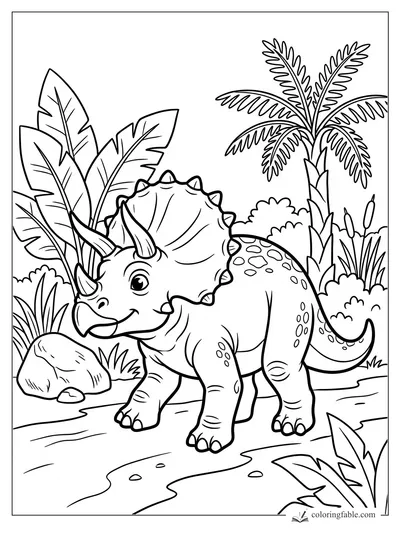
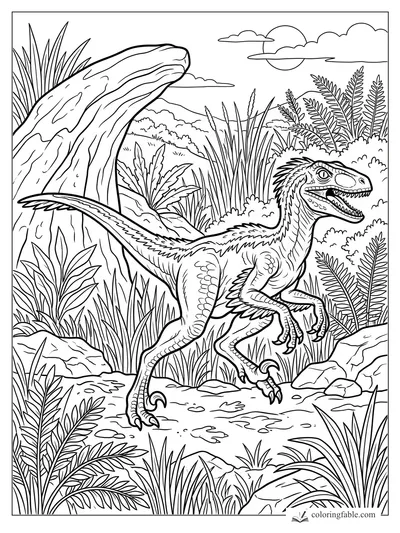
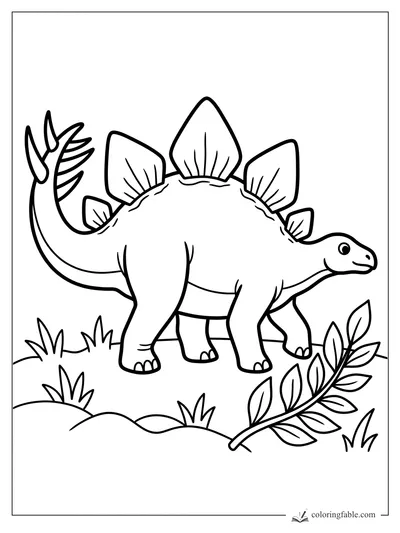
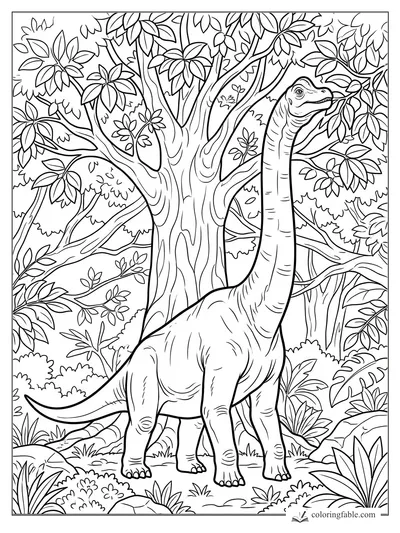
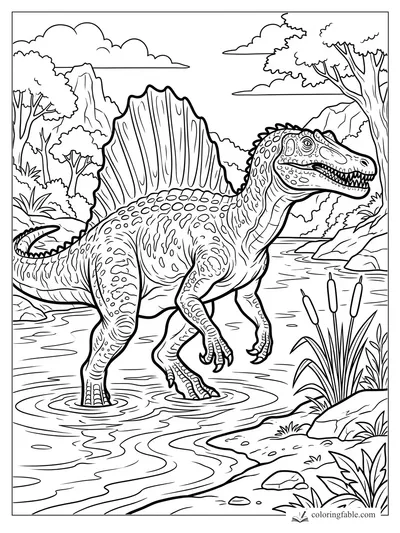
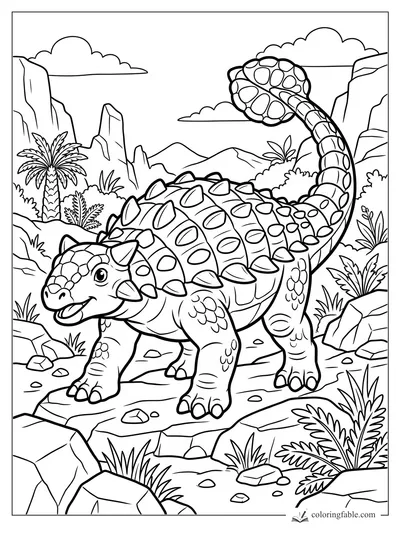
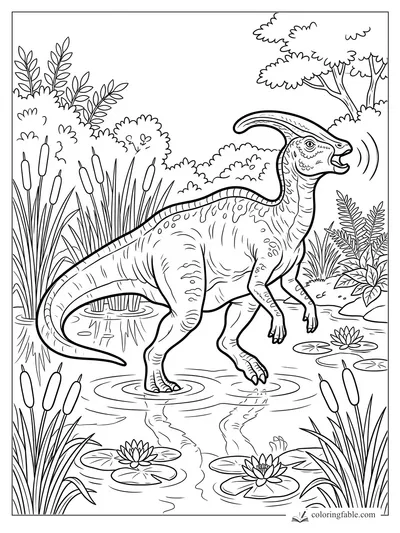
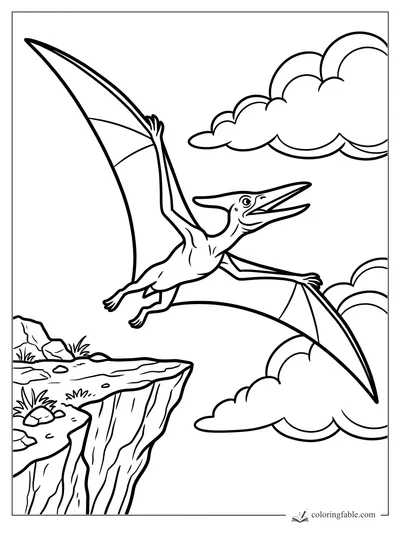
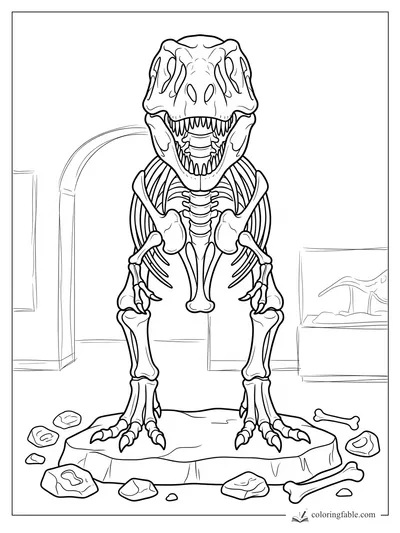
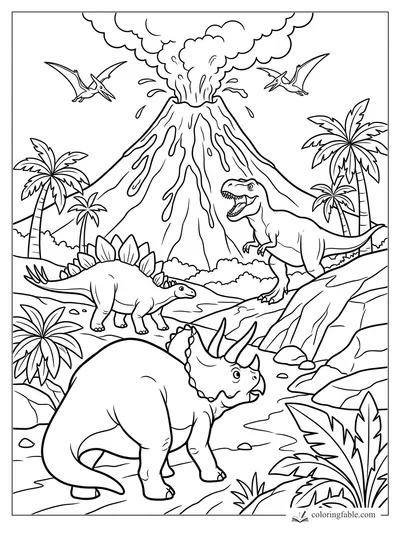
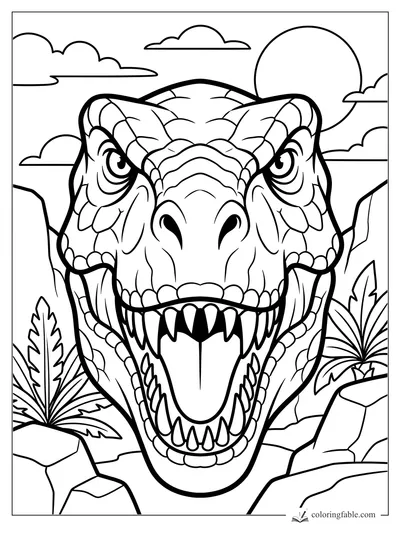
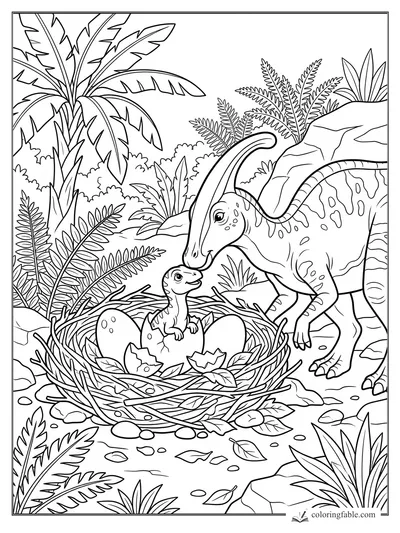
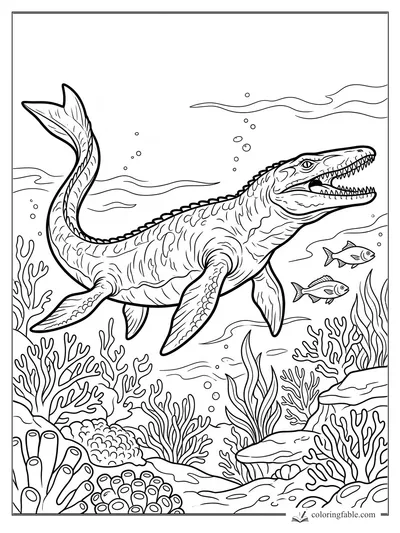
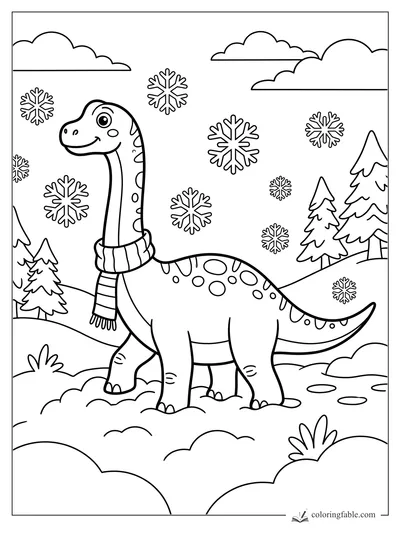
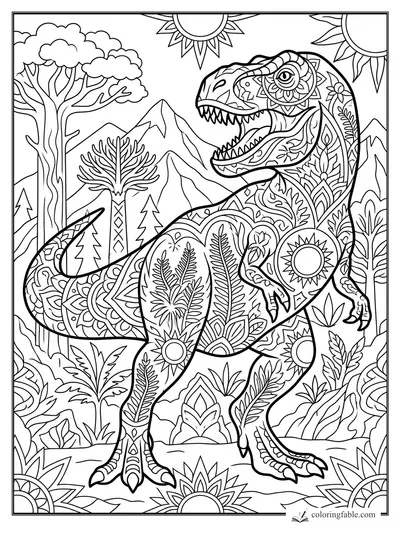
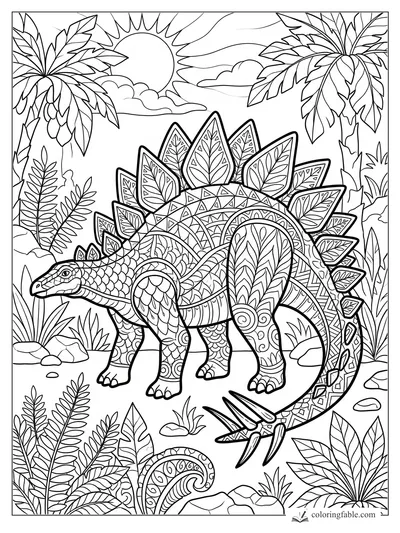
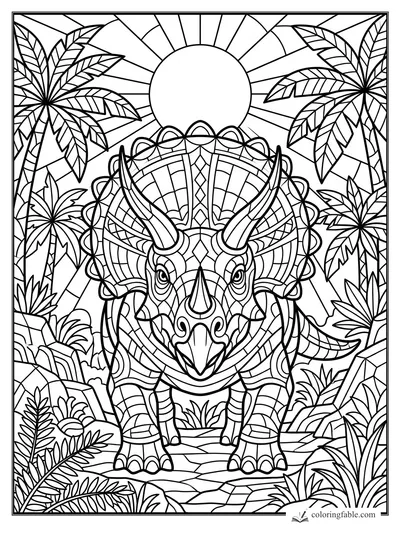
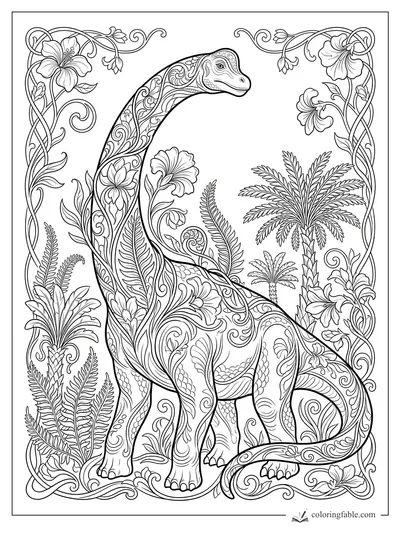
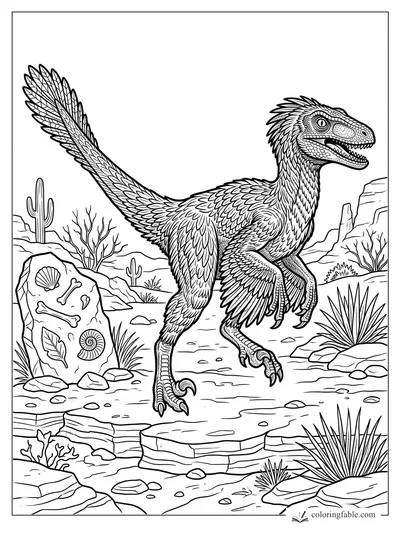
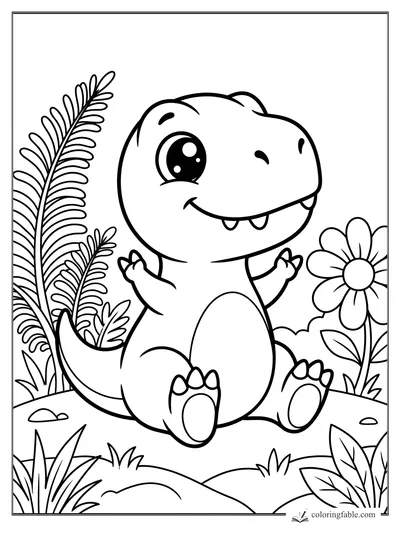
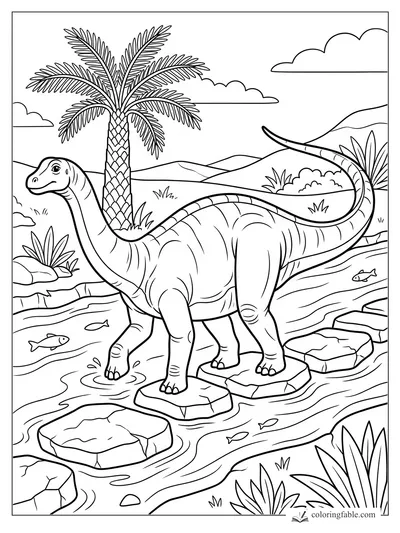
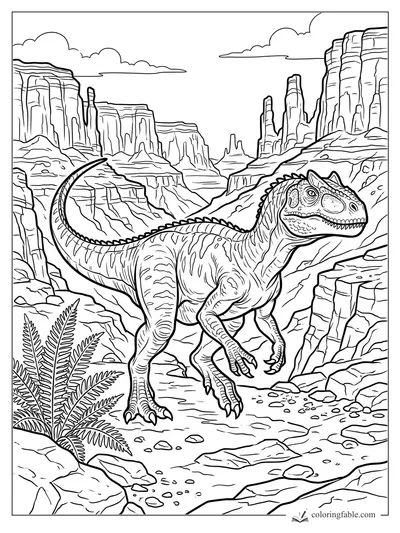
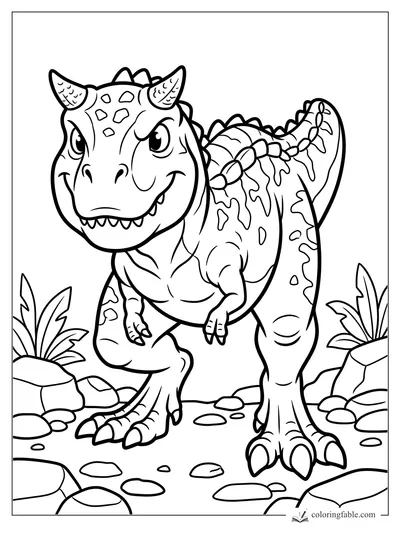
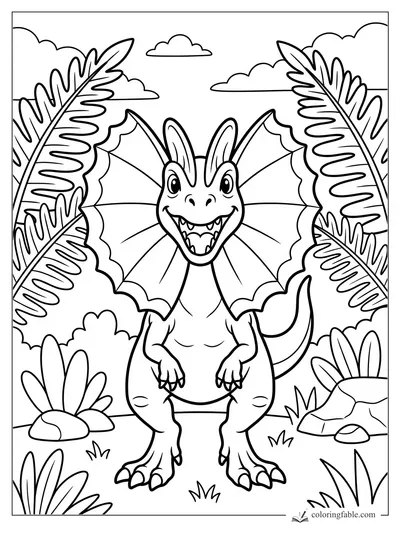
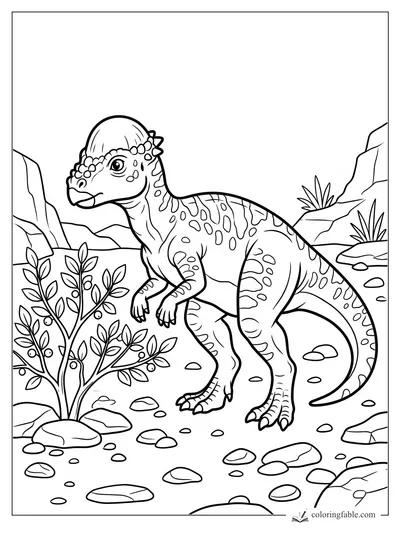
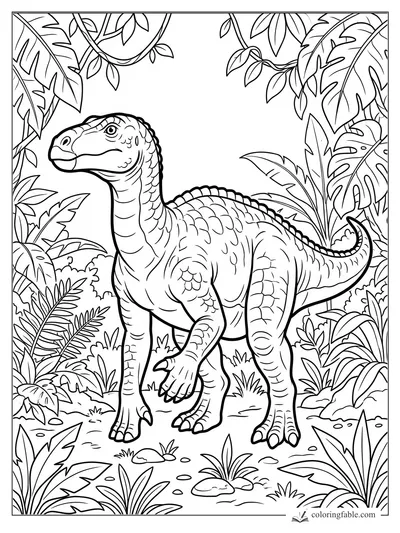
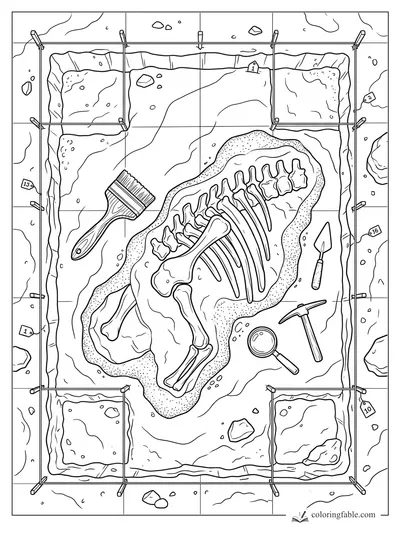
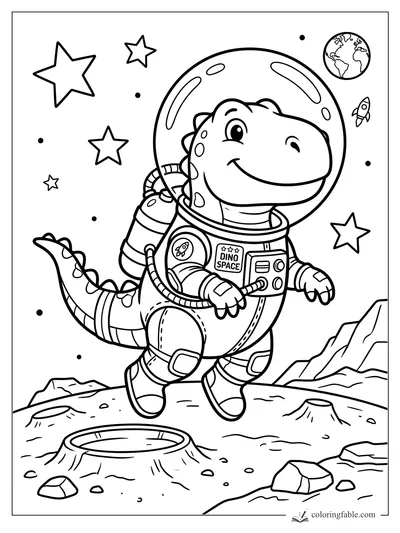
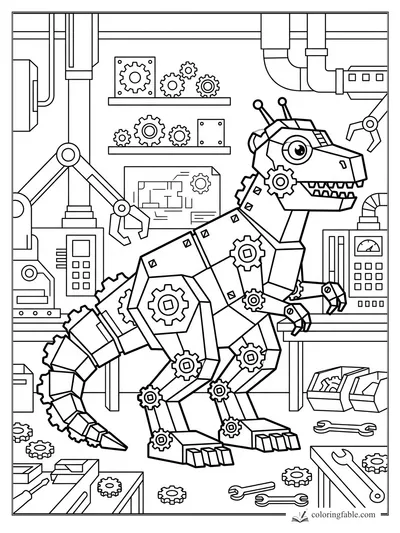
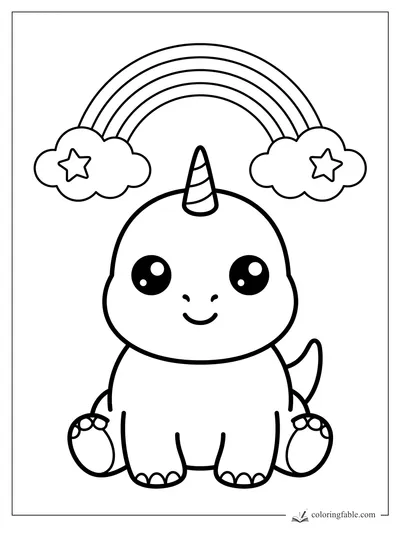
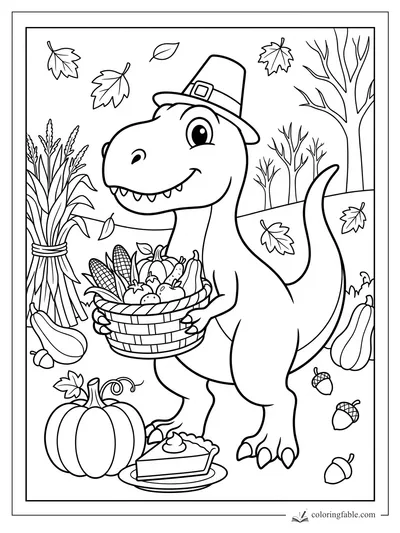
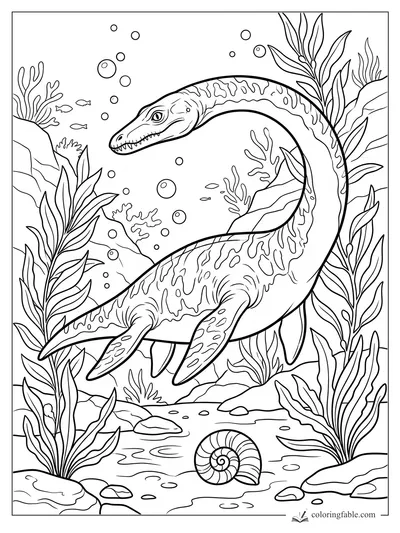
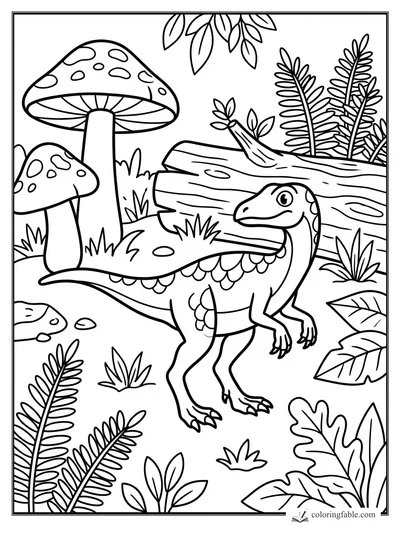
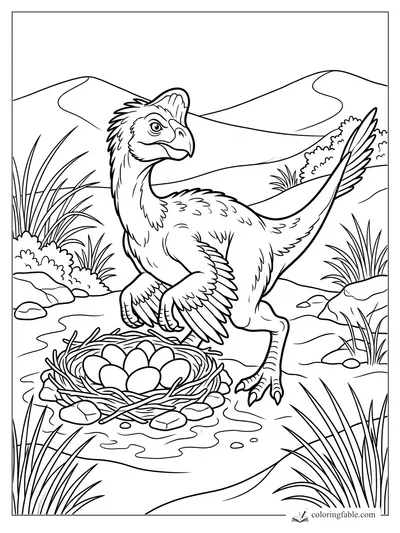
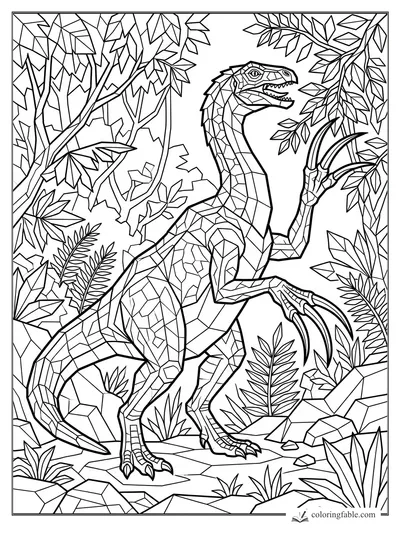
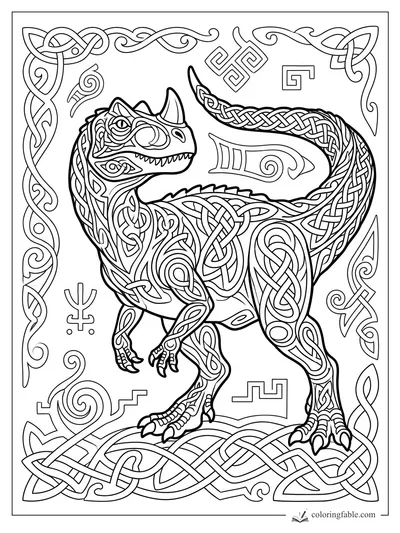
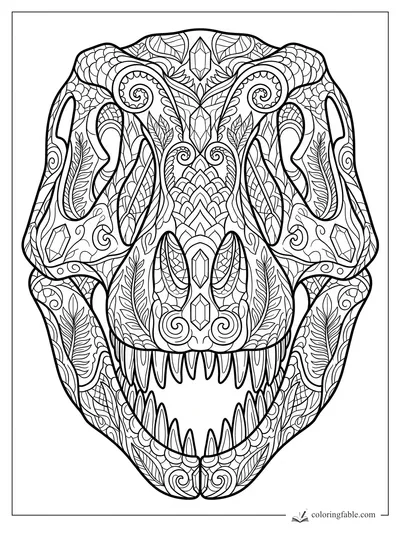
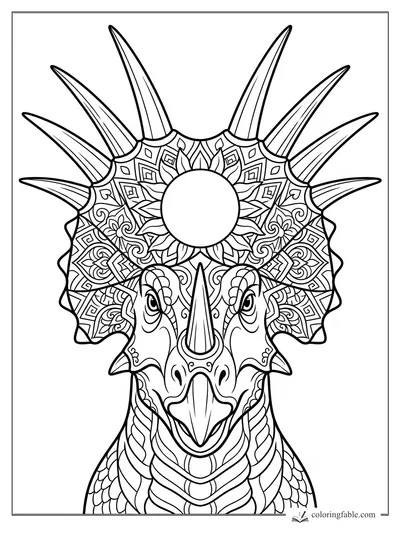
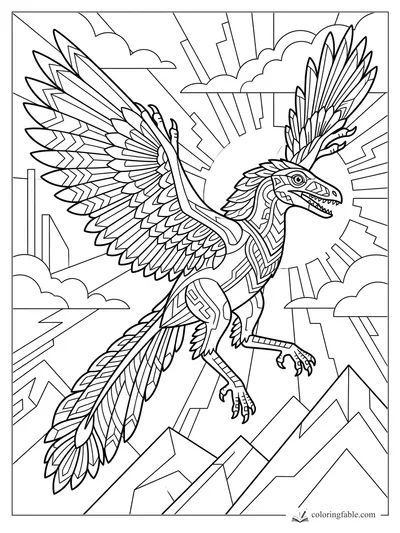
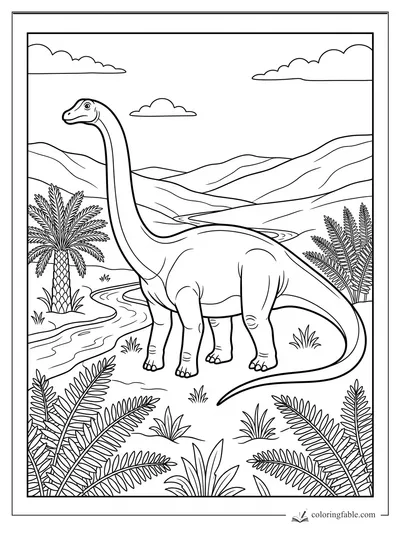
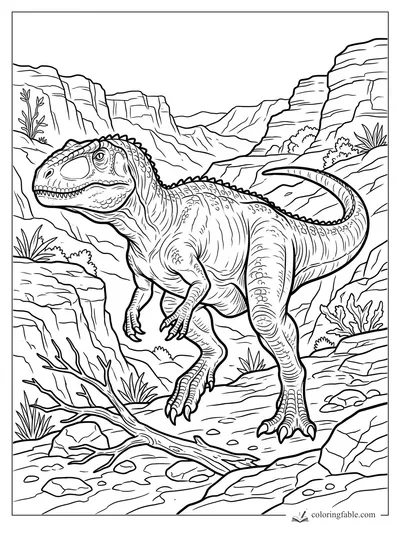
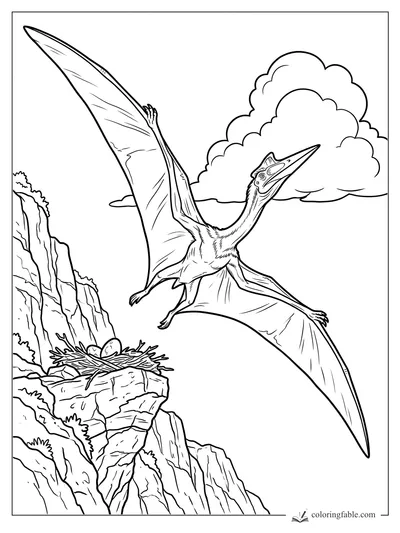
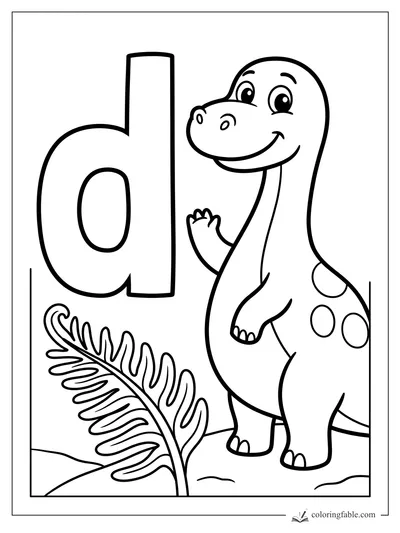
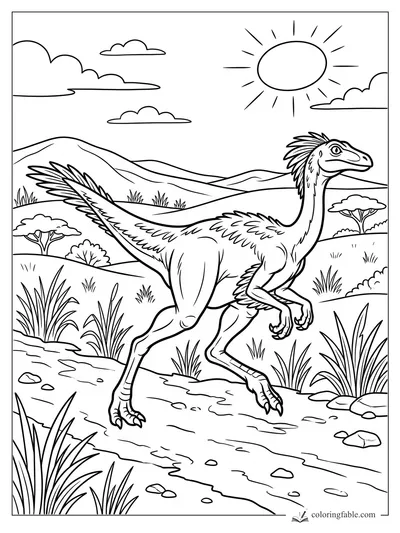
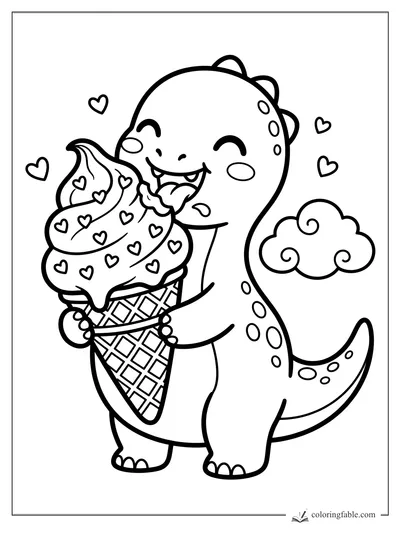
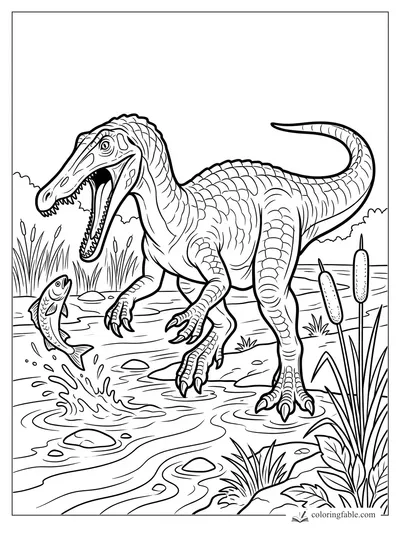
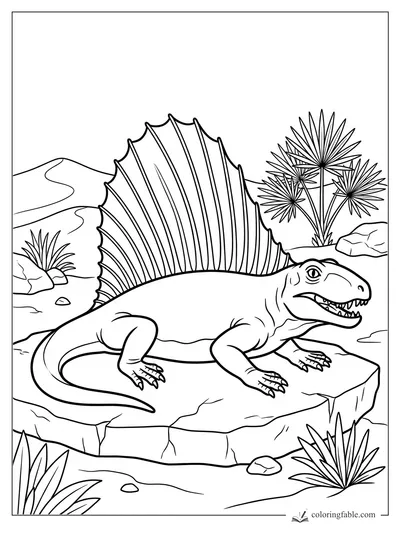
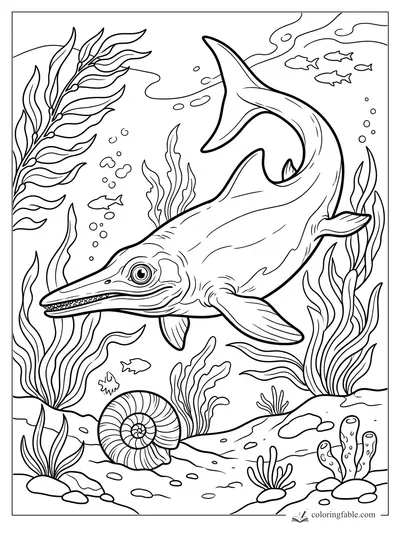
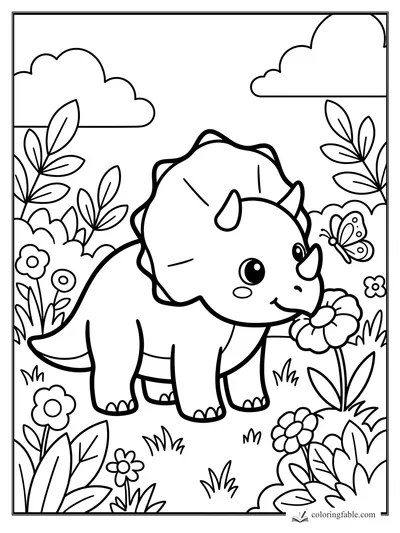
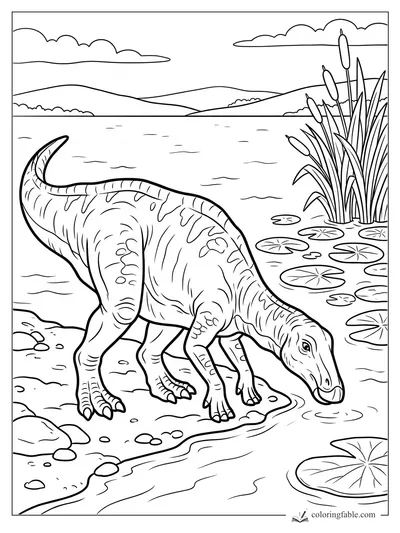
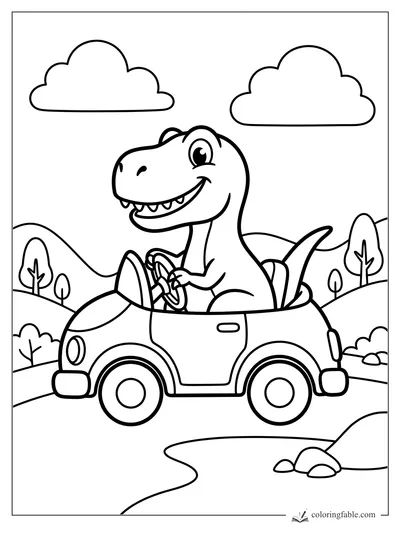
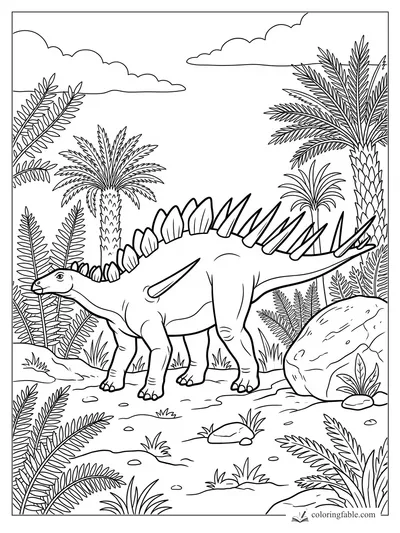
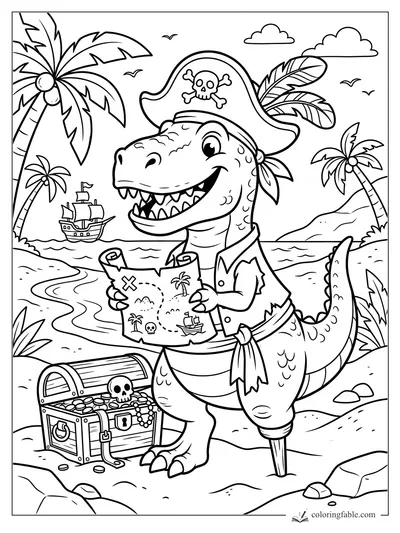
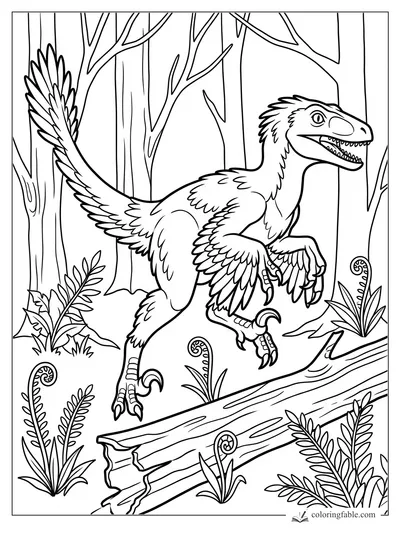
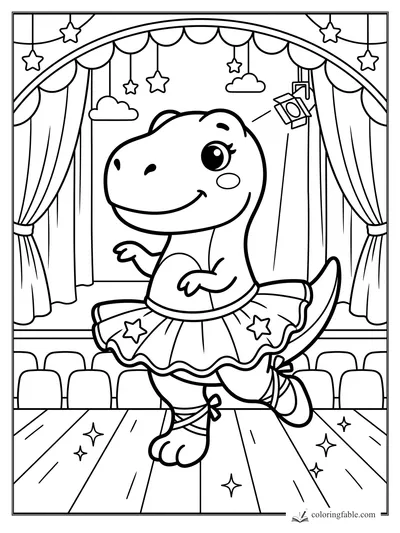
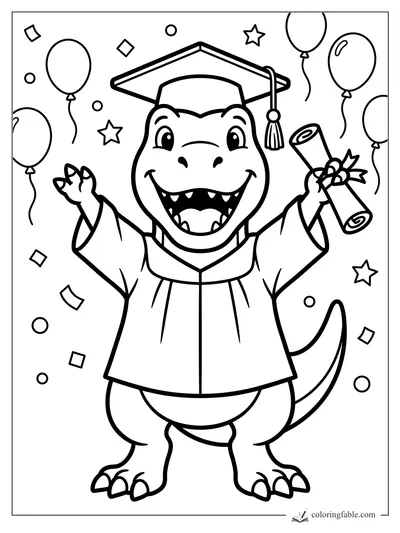
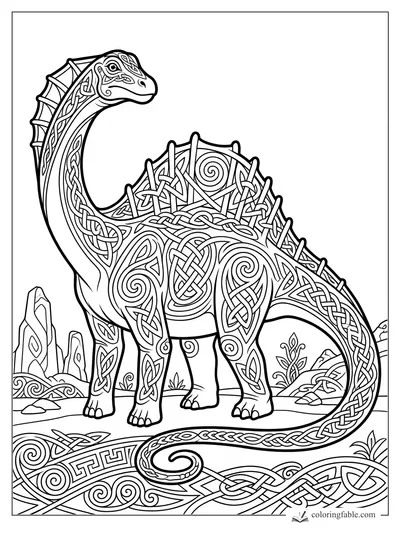
This dinosaur collection brings together printable pages filled with T. rex roars, Triceratops frills, long-necked sauropods, Stegosaurus plates, hatching eggs, fossil digs, and prehistoric jungle scenes. Younger kids can start with bold, simple outlines and friendly baby dinosaurs, while older colorers can take on sharper teeth, scaly skin, layered backgrounds, and museum-style skeleton details. It is a good fit for dinosaur fans at home, classroom science units, birthday party tables, or any child who wants to color creatures from the Triassic, Jurassic, and Cretaceous periods.
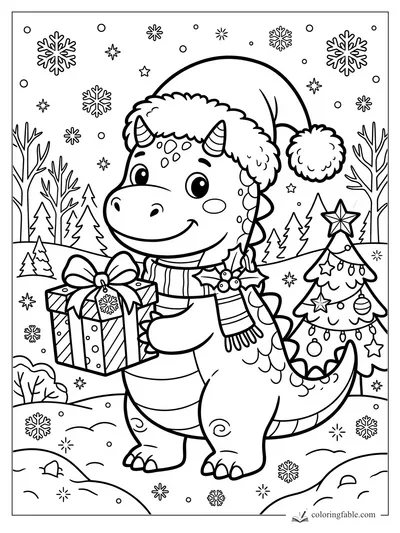
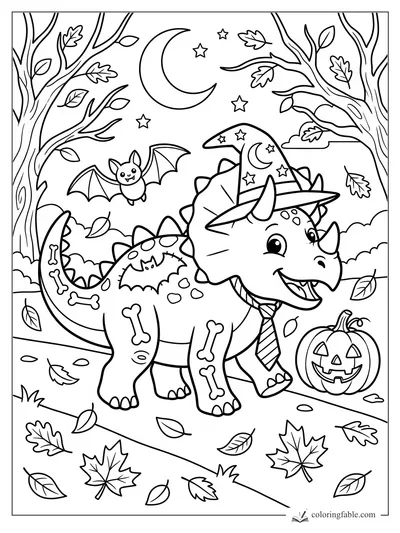
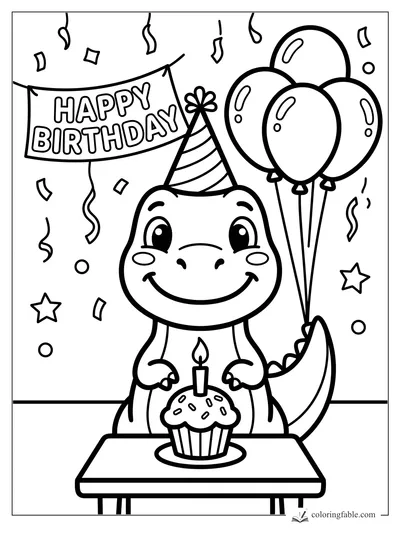
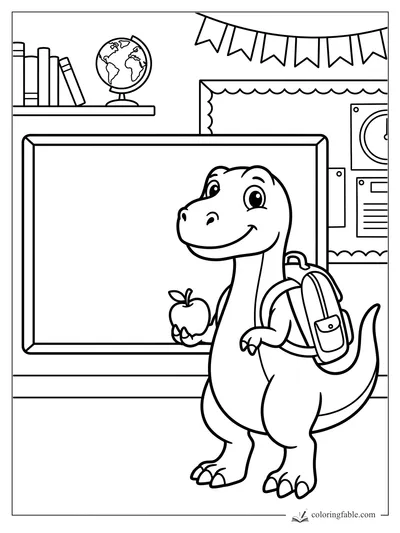
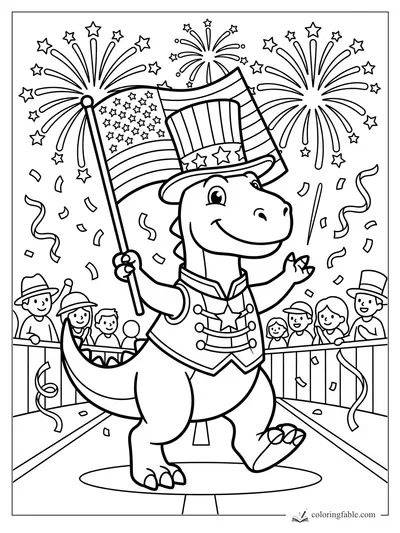
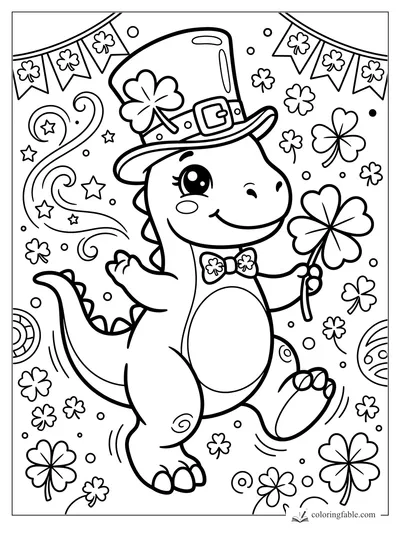
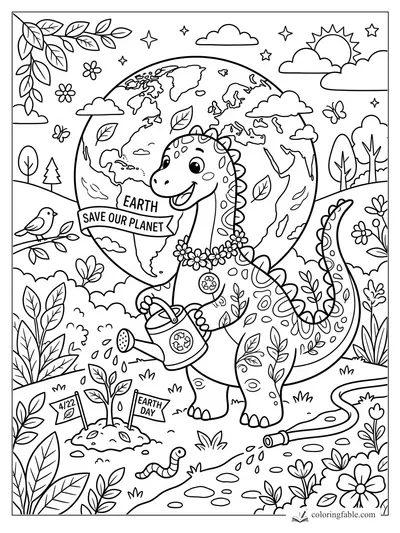
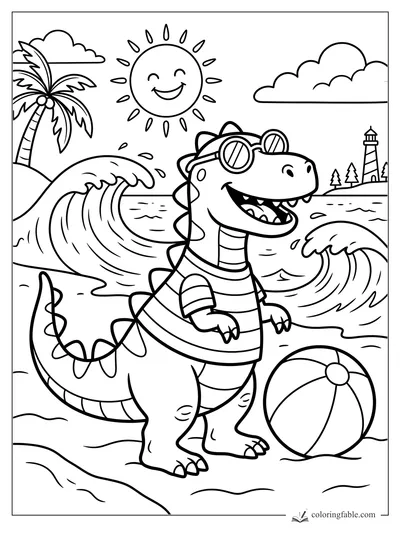
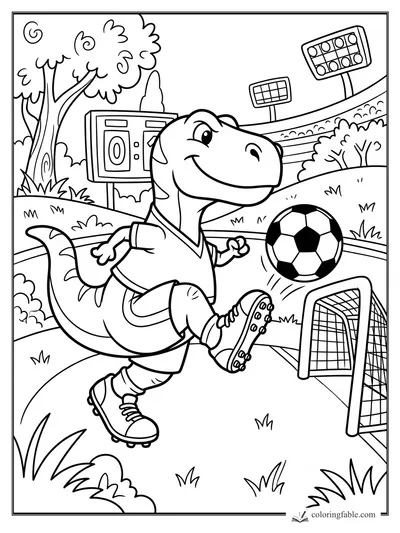
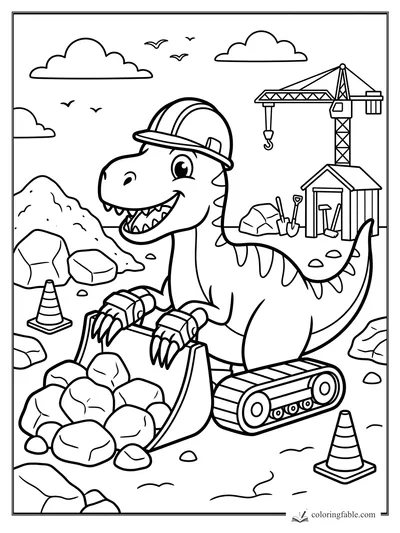
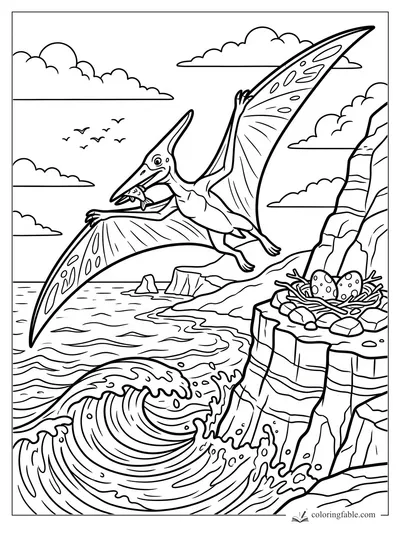
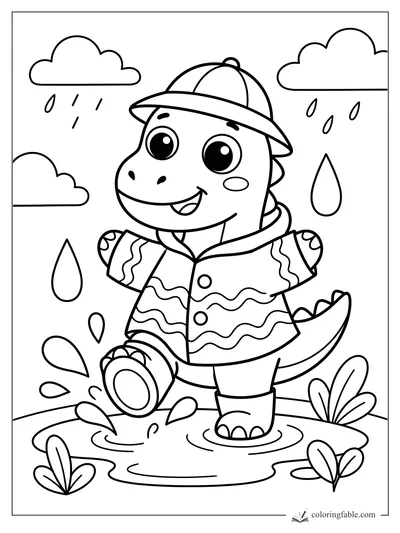
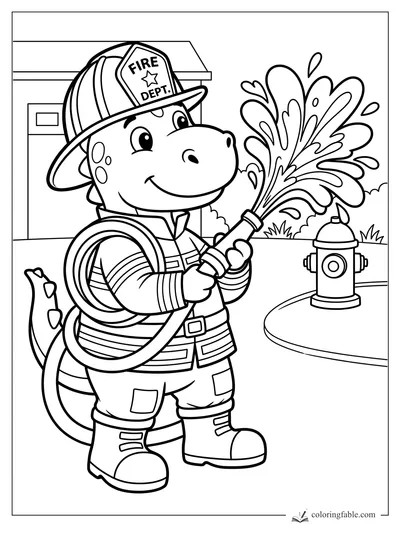
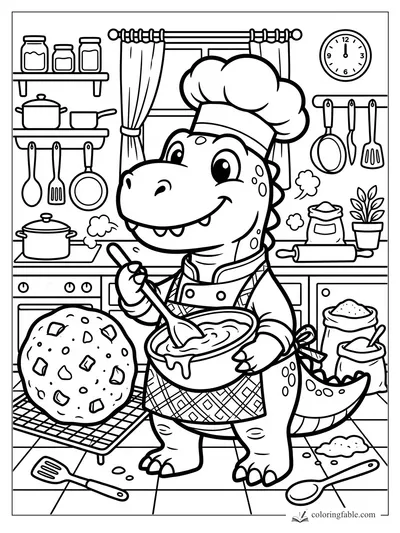
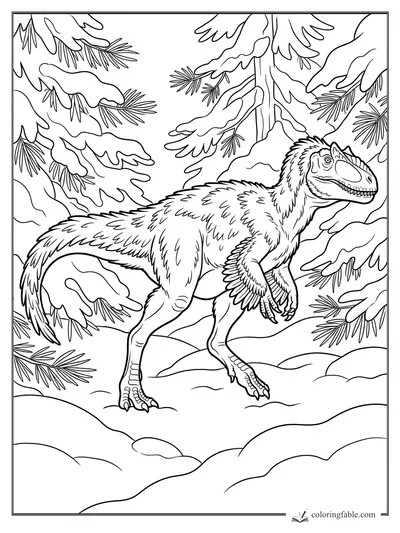
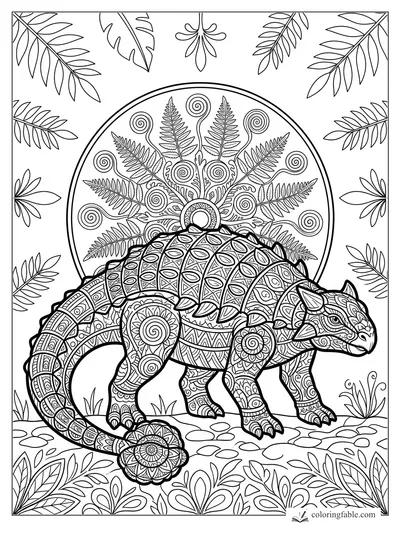
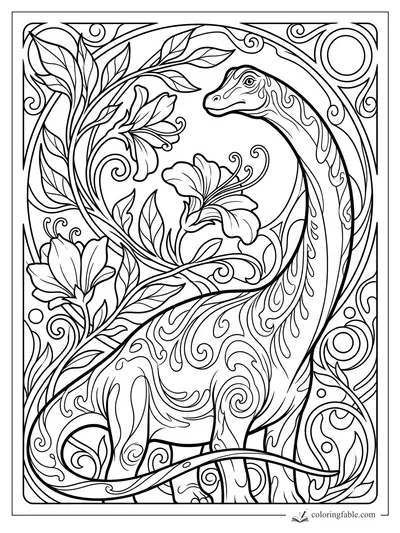
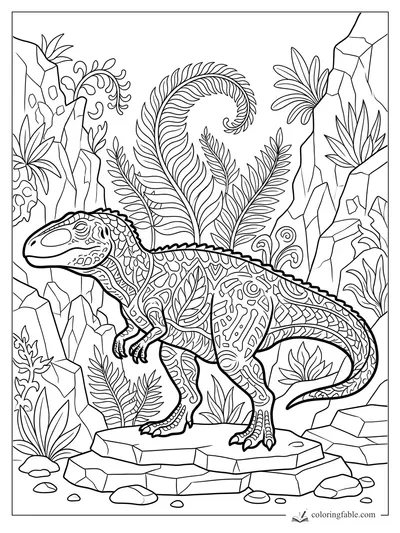
Dinosaur pages by style, mood and season
Fun facts to share while coloring
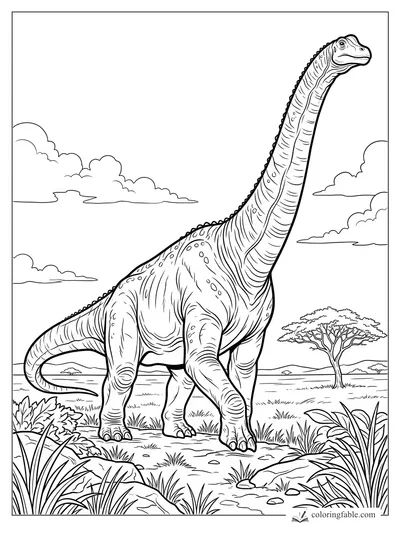
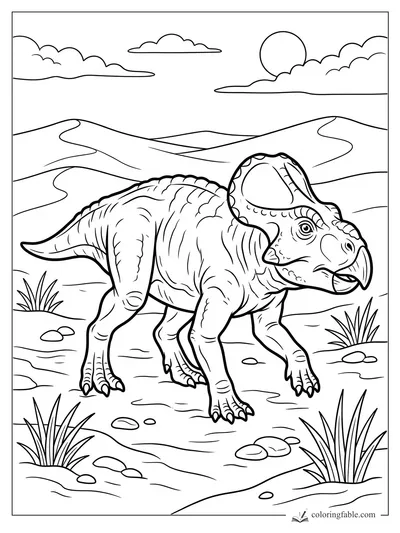
Dinosaurs lived during the Mesozoic Era, which lasted from about 252 to 66 million years ago, but they did not all live at the same time. Stegosaurus, for example, was already long gone before T. rex appeared. The word dinosaur means “terrible lizard,” though dinosaurs were not lizards; they were their own group of reptiles. Fossils show that some dinosaurs had feathers, and scientists classify modern birds as living dinosaurs. Triceratops had three horns and a large bony frill, while sauropods such as Brachiosaurus used long necks to reach plants high above the ground.
Coloring tips
A classic dinosaur palette can include fern green, olive, moss, sandy tan, warm brown, slate gray, rusty red, bone cream, amber eyes, and dark charcoal claws. Use light strokes first on big bodies, then build darker shading along the belly, tail, jaw, and feet to make the dinosaur feel heavy and three-dimensional. For scaly skin, tap small dots or short curved marks instead of coloring everything perfectly smooth; plates, horns, spikes, and claws look great with stronger outlines and a pale highlight. For a dinosaur-specific twist, add your own fossil layer under the feet, a Cretaceous volcano in the distance, or color each species like it belongs in a different prehistoric habitat.
📕 Prefer it as a book?
TheDinosaur Coloring Book: 20 pages hand-picked from this catalog, ordered from easy to intricate, with a personalized cover. One free PDF.