Triceratops coloring pages with horns, frills, and Cretaceous scenes
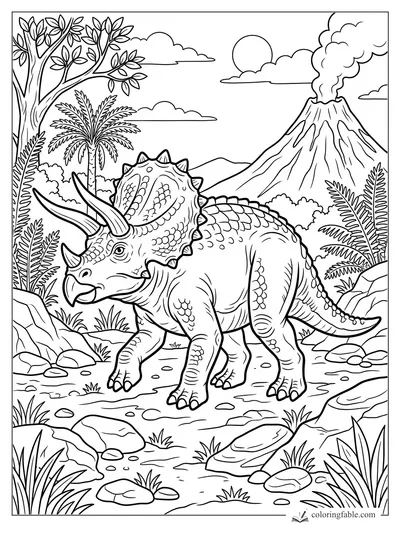
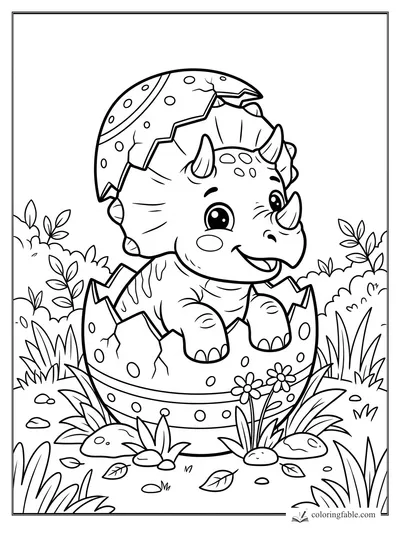
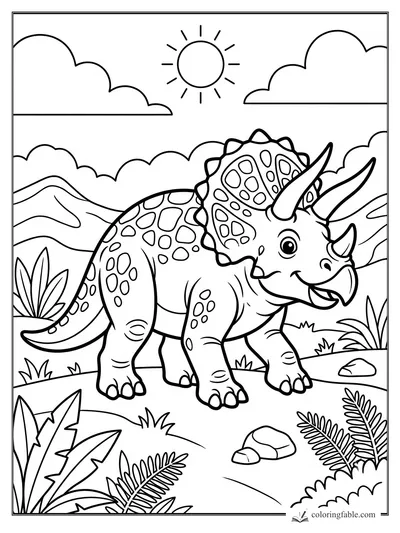
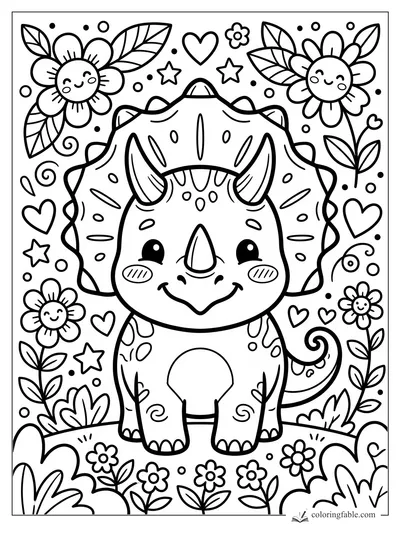
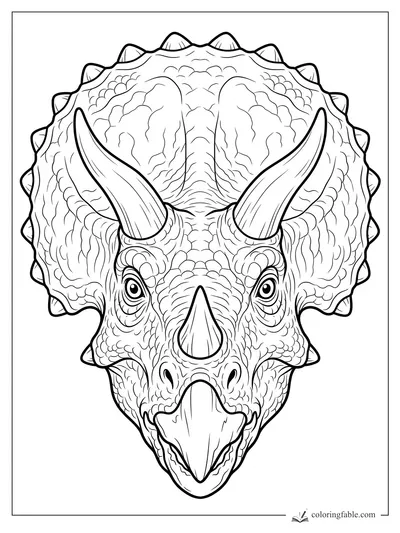
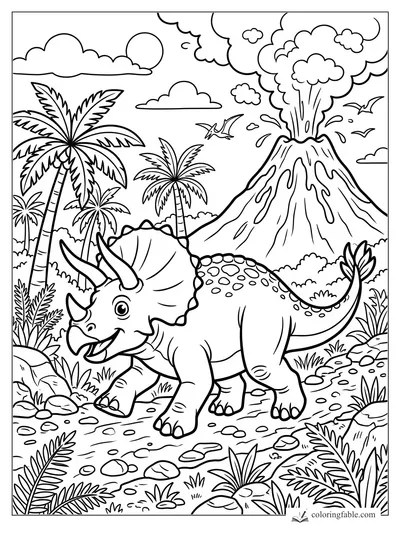
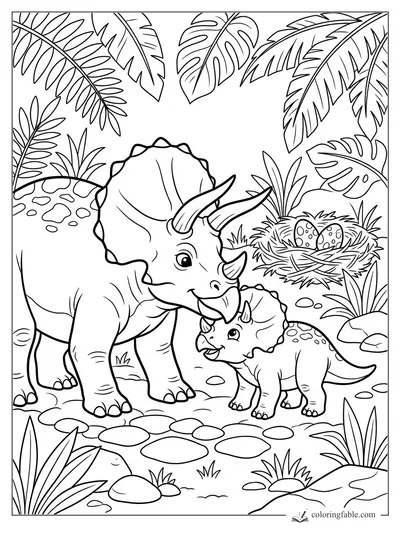
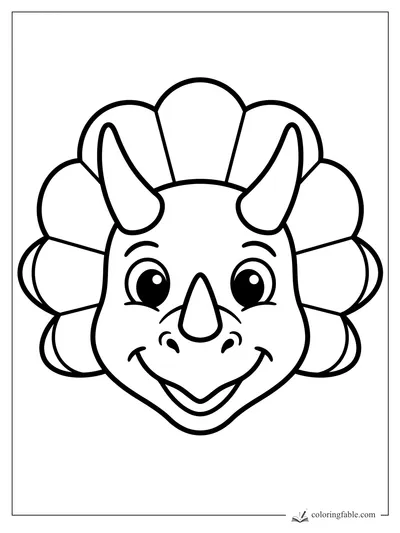
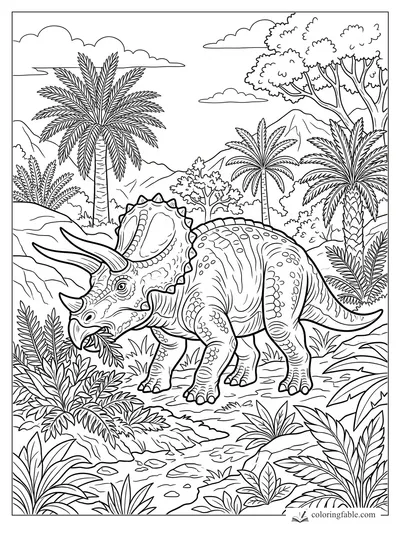
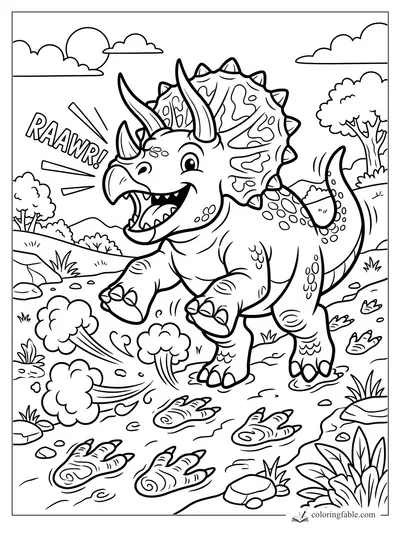
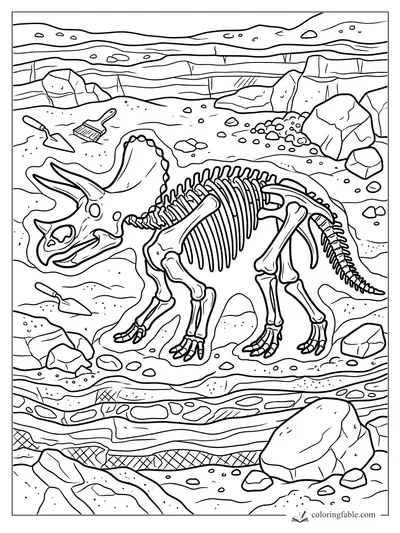
Inside this Triceratops collection, you’ll find horn-first poses, big frill portraits, grazing scenes, and friendly young dinosaurs drawn for printable PDF coloring. Some pages use thick outlines and open spaces for preschoolers who are learning to stay inside the lines. Others add pebbly skin, leafy plants, claw details, and patterned frills for older kids who like slower, more focused coloring. It’s a good fit for dinosaur fans, classroom prehistoric units, rainy-day fossil talk, or anyone who wants a calmer take on a dinosaur that looked powerful but ate plants.
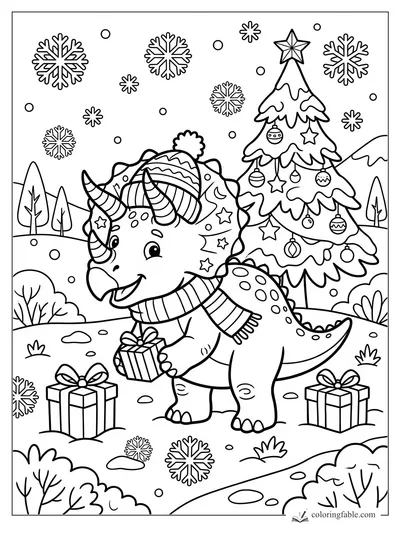
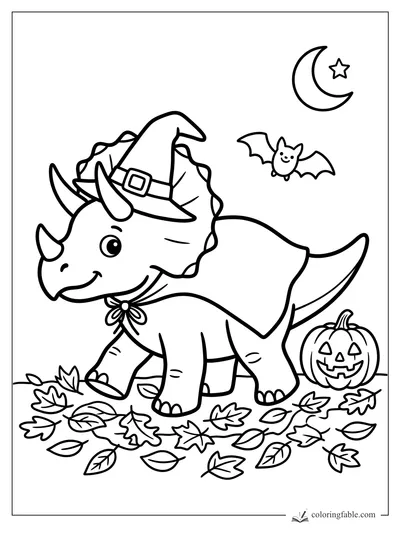
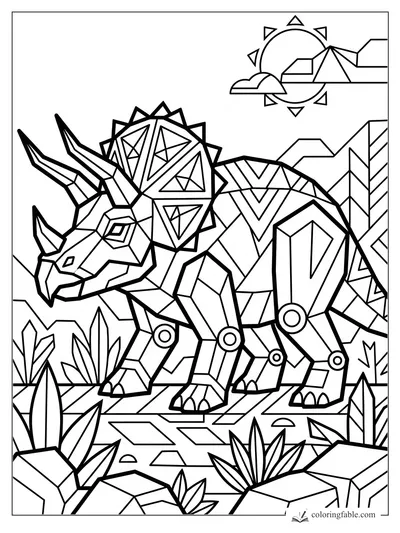
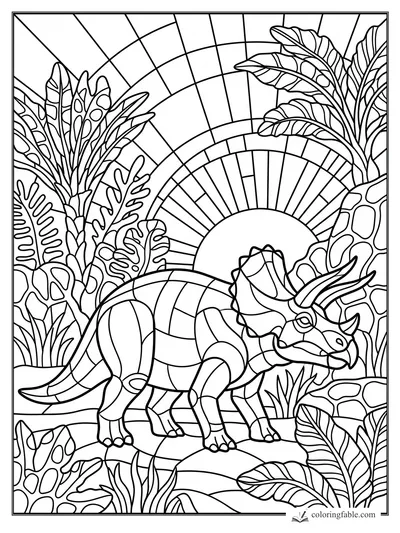
Triceratop pages by style, mood and season
Fun facts to share while coloring
Triceratops lived near the very end of the Cretaceous Period, about 68 to 66 million years ago, in what is now western North America. Its name means “three-horned face,” which matches its two long brow horns and smaller nose horn. Even though it looked built for battle, Triceratops was an herbivore, using a strong beak and rows of teeth to crop tough plants. Fossils show it shared its world with Tyrannosaurus rex, and bite marks on some Triceratops bones suggest the two dinosaurs really did cross paths. Scientists still debate all the jobs of the huge frill, but it may have helped with display, recognition, and protection.
Coloring tips
A classic Triceratops palette can start with olive green or warm gray for the body, sandy brown for the belly and legs, cream or ivory for the three horns, charcoal for the beak, amber for the eyes, and darker green or brown in the skin folds. Use short, curved strokes along the frill and shoulders to make the dinosaur feel rounded instead of flat. For pebbly skin, dot with a slightly darker pencil before lightly blending over it. The frill is the best place to get creative: add a fan of rust-red spots, blue-gray stripes, or sunset-colored markings like a living shield, then keep the horns pale so they stand out.