People coloring pages with faces, families, friends, and workers
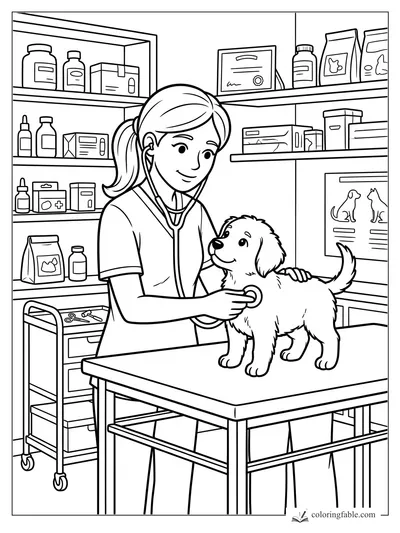
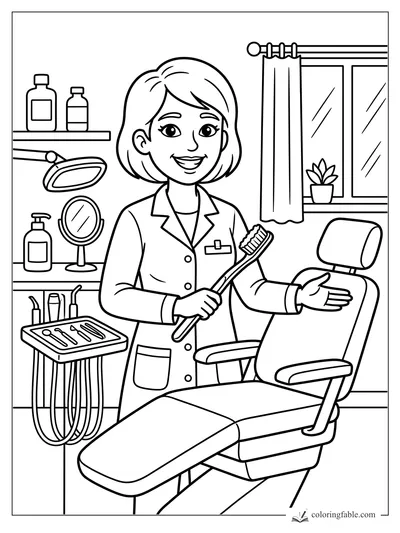
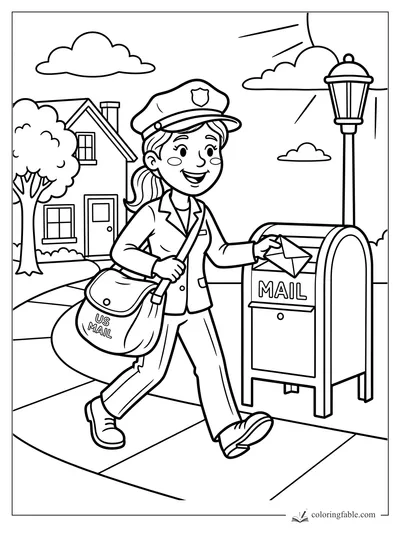
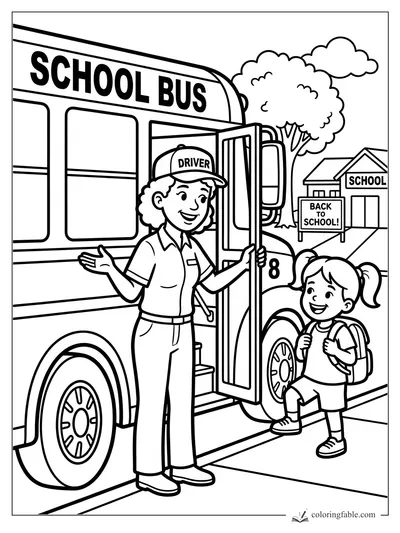
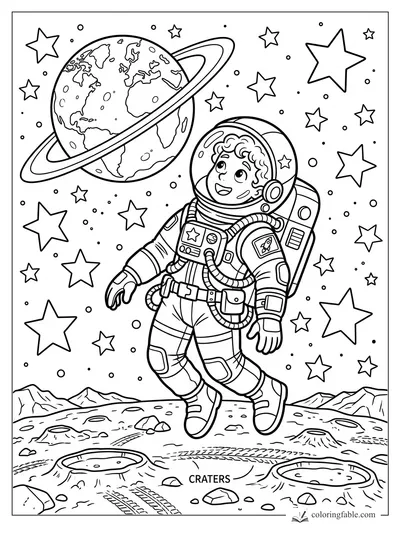
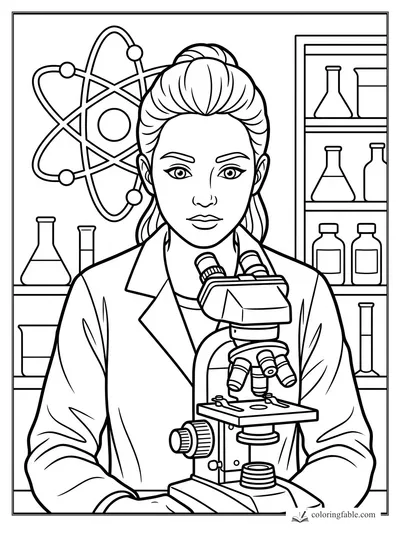
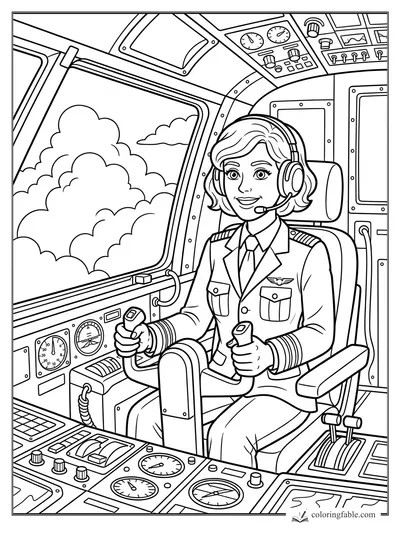
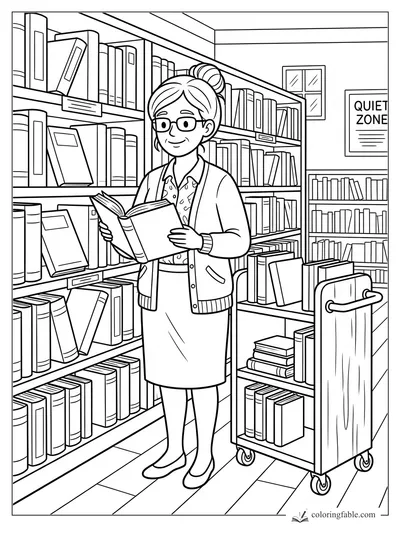
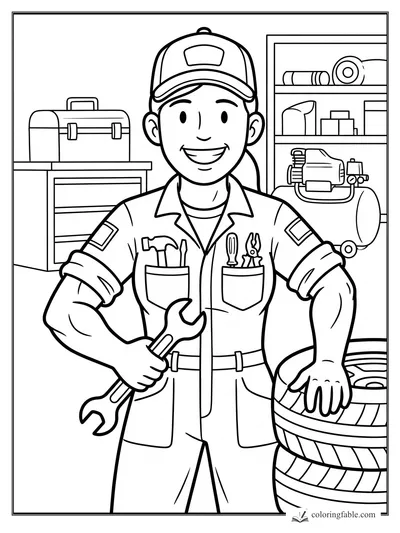
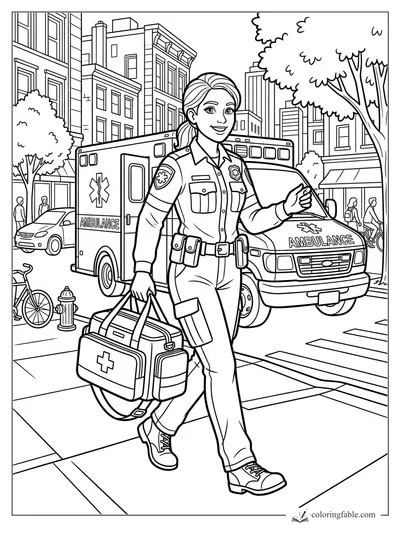
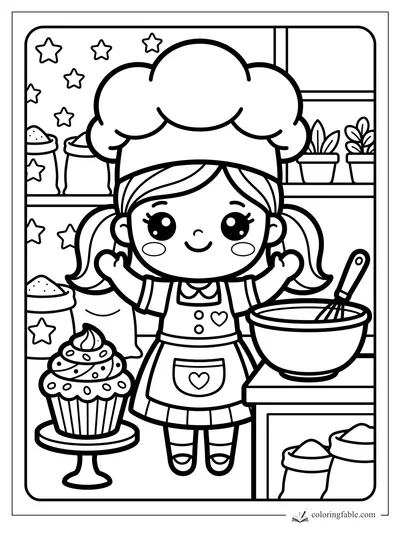
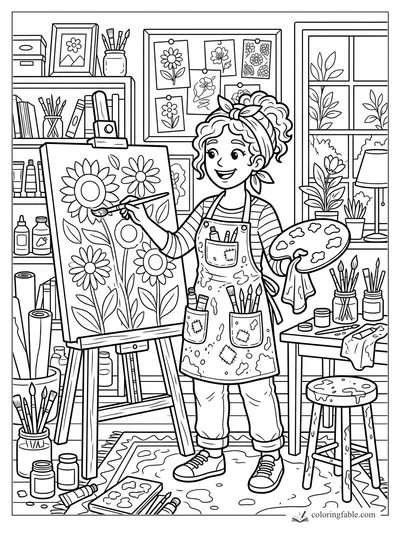
In this collection, kids can color individual faces, full-body characters, families, friends, classmates, and workers in everyday scenes. The pages range from broad, simple outlines with big eyes and easy clothing shapes to busier portraits with patterned shirts, hairstyles, glasses, hands, and background details. Younger children can practice naming body parts, emotions, and clothing colors, while older kids can experiment with shading skin, hair texture, and fabric folds. Teachers and parents can use the sheets for lessons about community, self-portraits, feelings, careers, and the many ways people look.
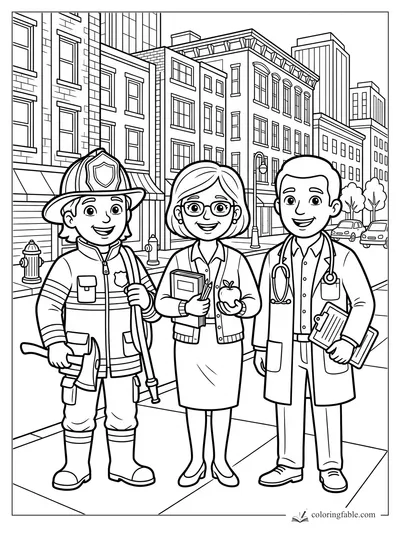
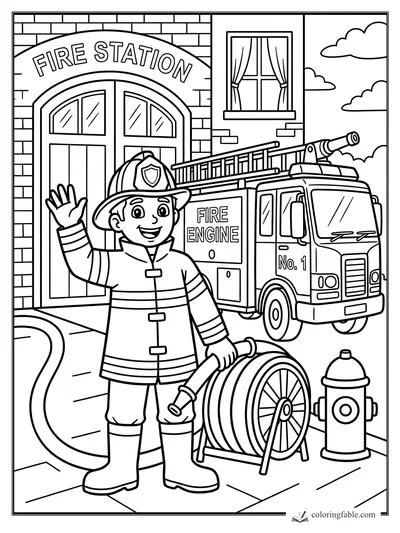
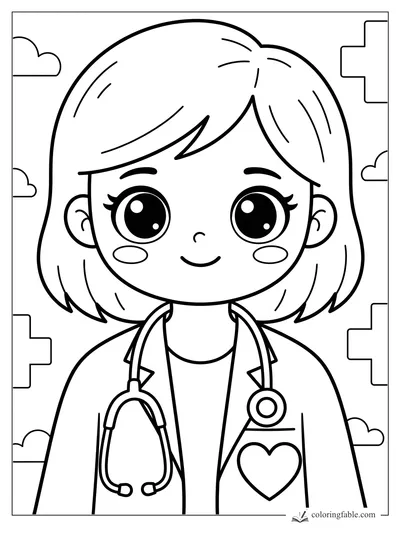
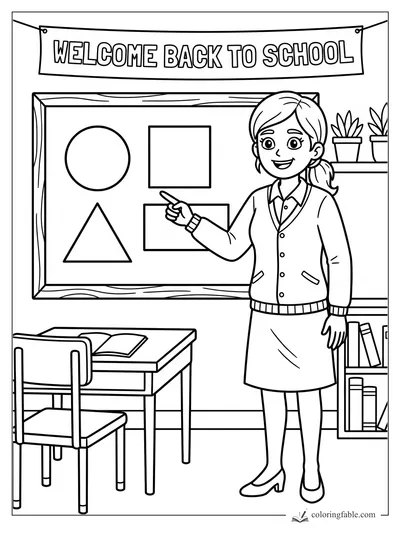
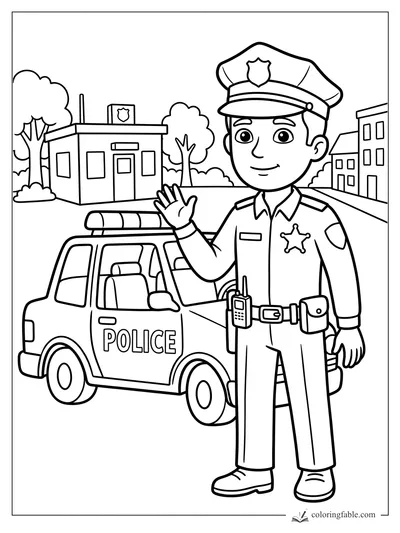
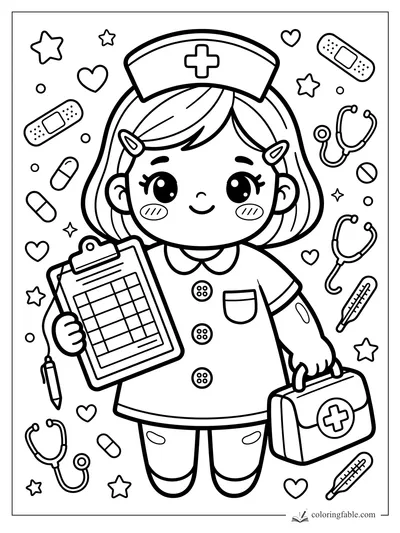
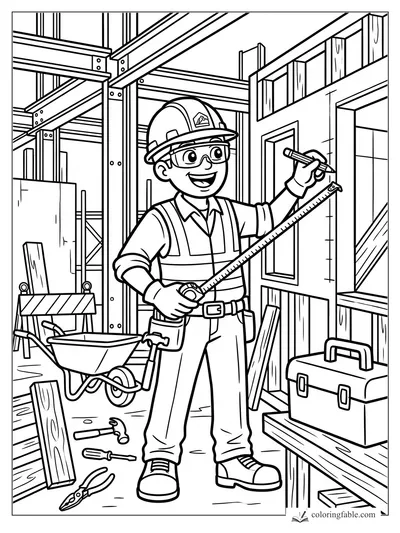
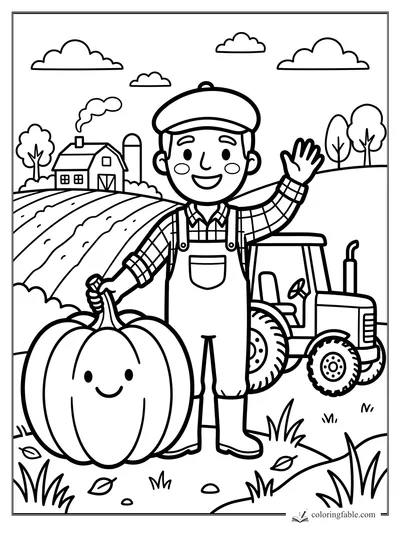
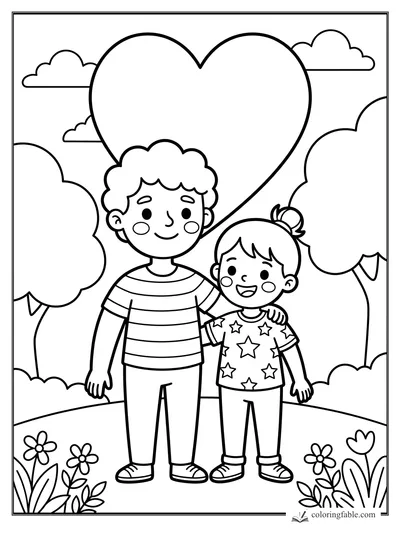
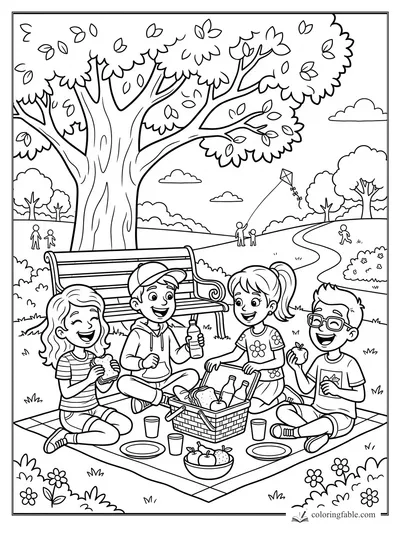
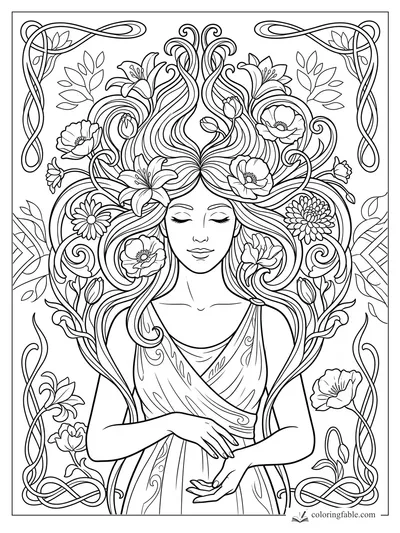
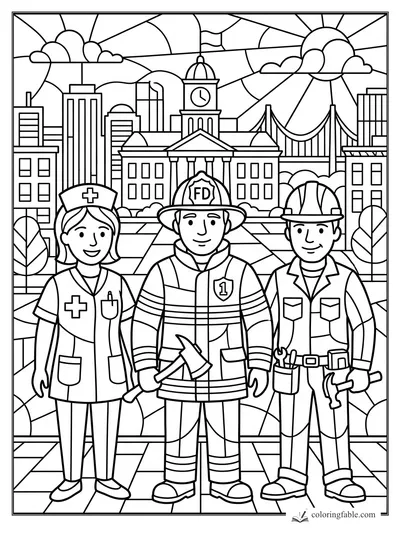
People pages by style, mood and season
Fun facts to share while coloring
Every person’s fingerprints form before birth, and even identical twins have different patterns because tiny movements and pressures in the womb affect the ridges. Adults usually have 206 bones, while babies start with about 270; some bones fuse together as children grow. Human skin gets its wide range of colors mainly from melanin, a pigment that also helps protect skin from ultraviolet sunlight. People are also face experts: newborns tend to pay special attention to face-like patterns, and our brains keep improving at recognizing familiar faces. Around the world, people use more than 7,000 living languages to share stories, jokes, directions, and names.
Coloring tips
For a natural people palette, build it element by element: skin tones can include peach, beige, golden tan, warm brown, deep umber, and reddish undertones; hair can be black, brown, blond, red, gray, or dyed bright colors; eyes may be brown, blue, green, hazel, or gray; clothing can carry any favorite outfit color. Use a light base layer first, then add gentle shadows under the chin, beside the nose, around sleeves, and where hands overlap. Short repeated strokes work well for hair, while smooth circular coloring keeps cheeks and foreheads soft. For a people-themed twist, turn each page into a “community portrait” by adding name tags, favorite hobbies, uniforms, or a background place that tells who the person is.