Community helper coloring pages featuring everyday neighborhood jobs
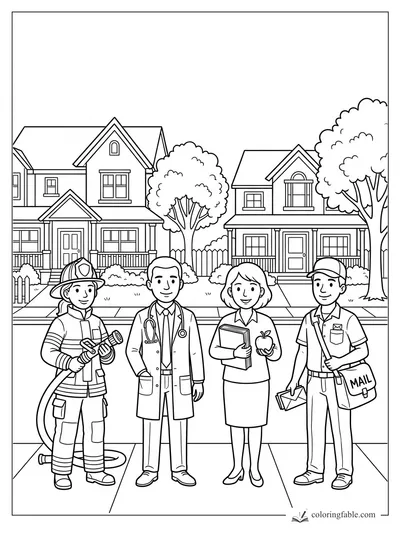
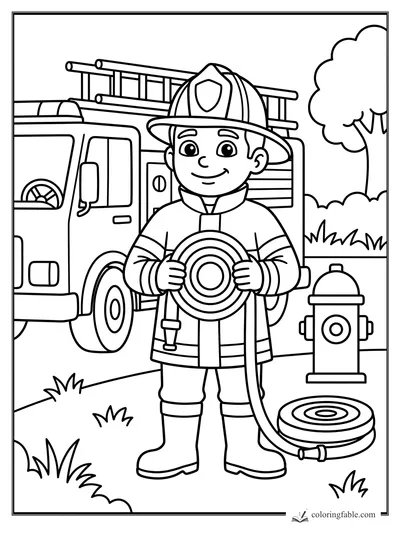
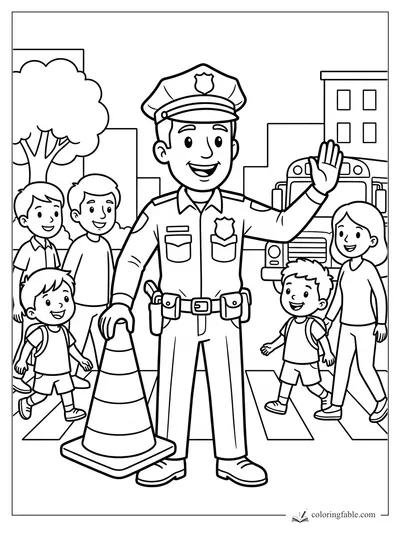
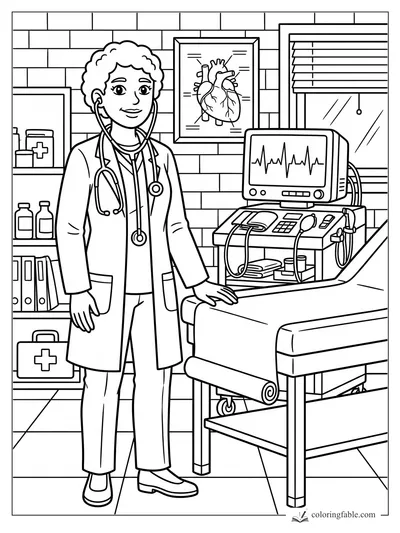
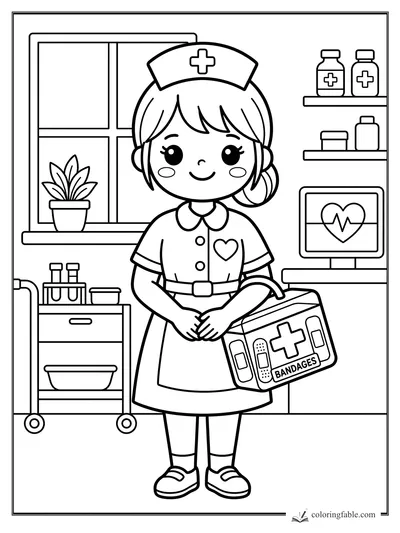
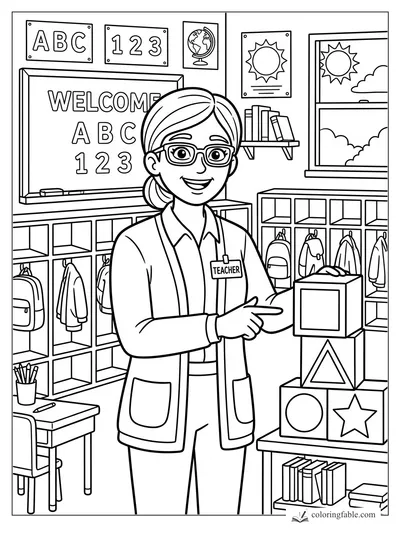
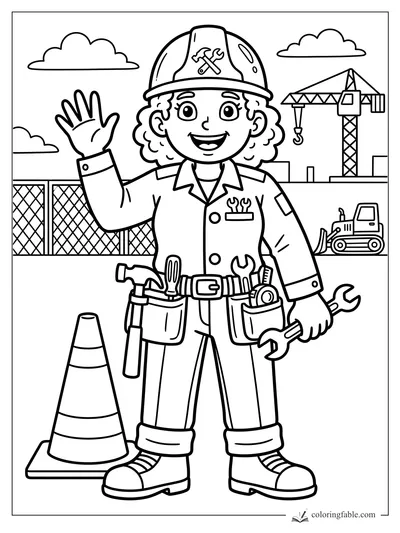
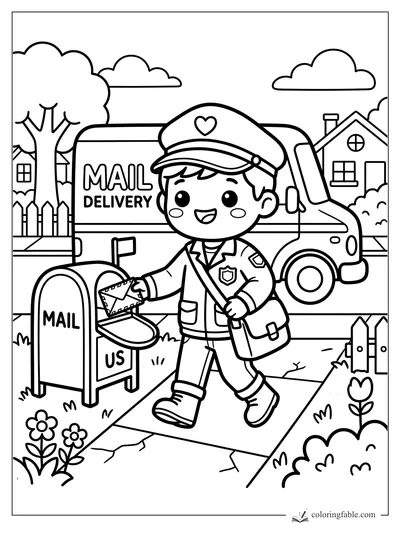
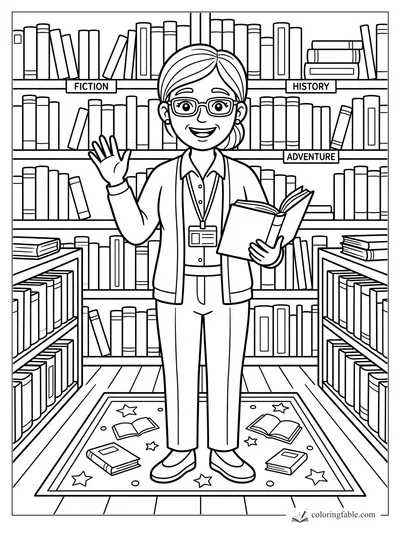
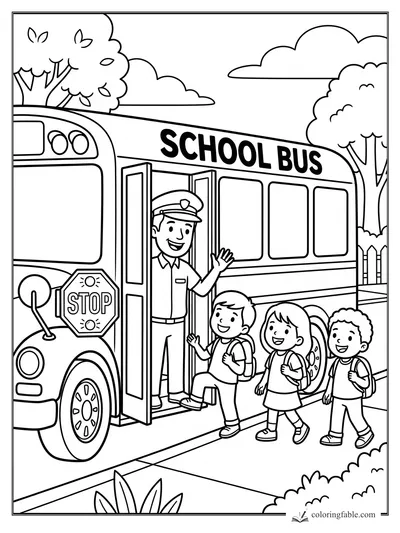
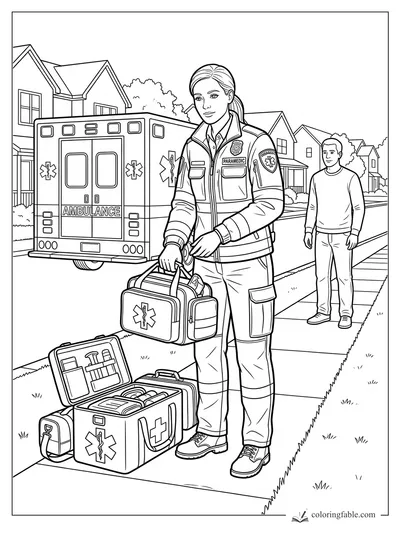
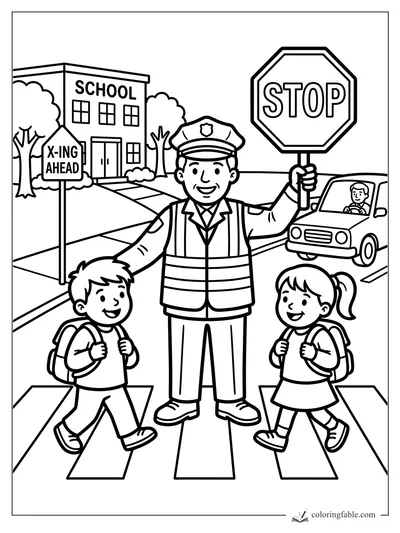
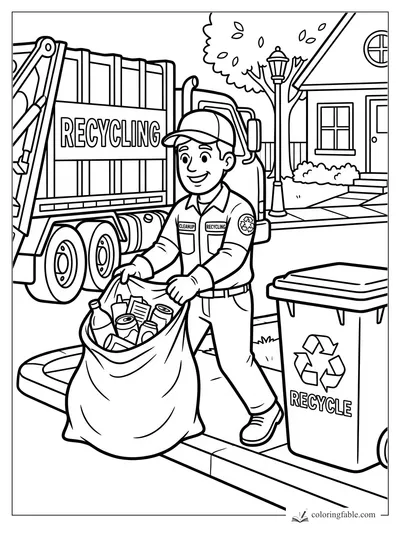
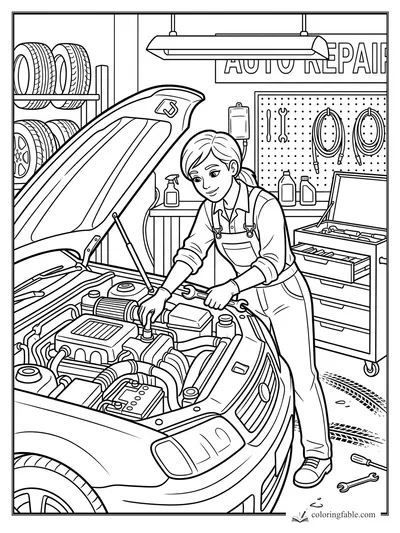
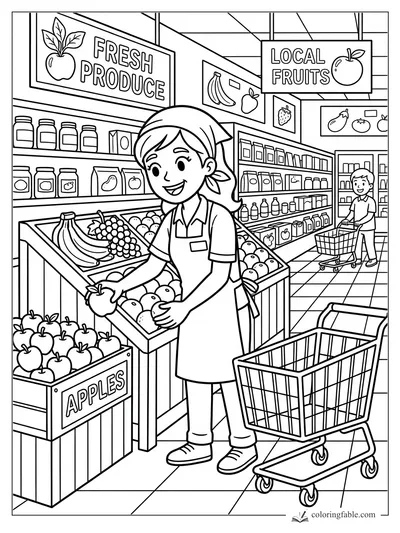
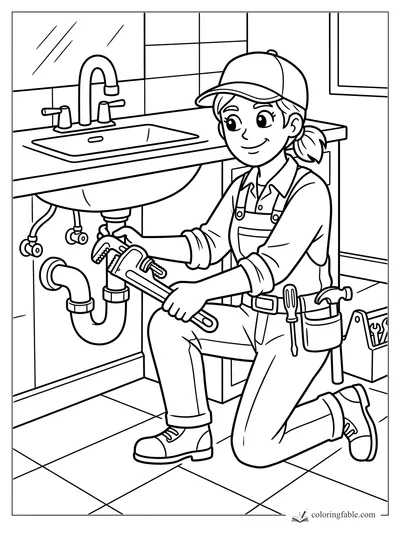
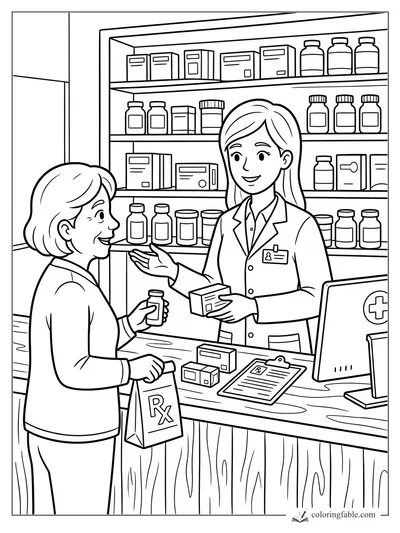
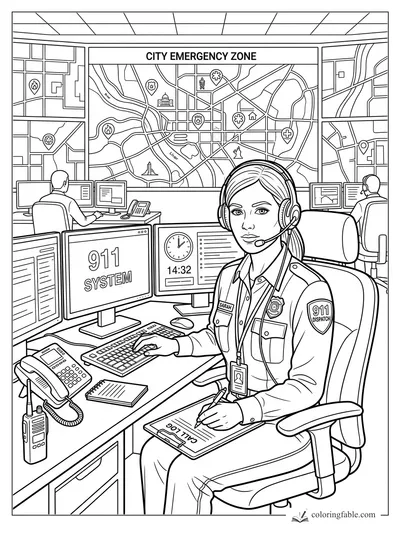
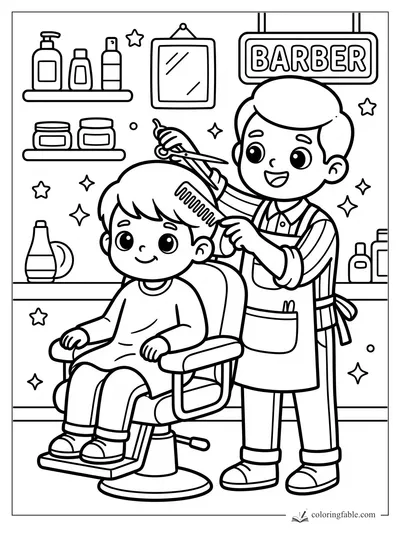
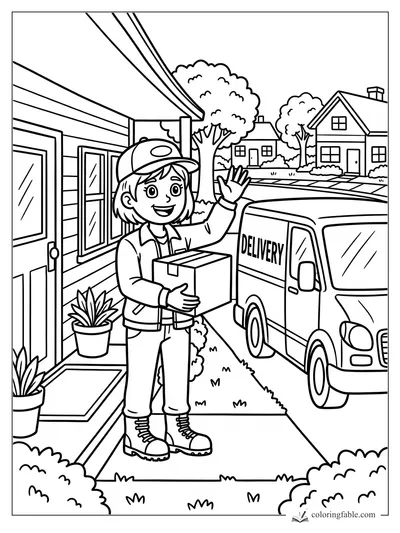
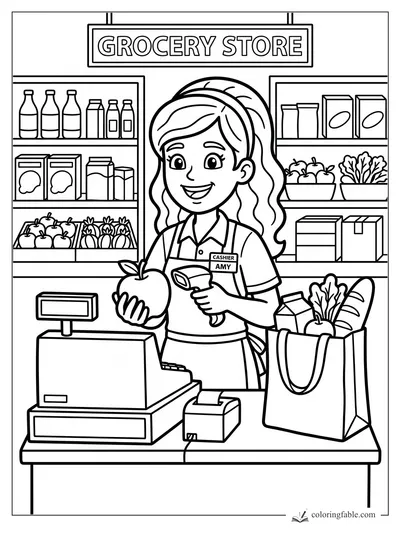
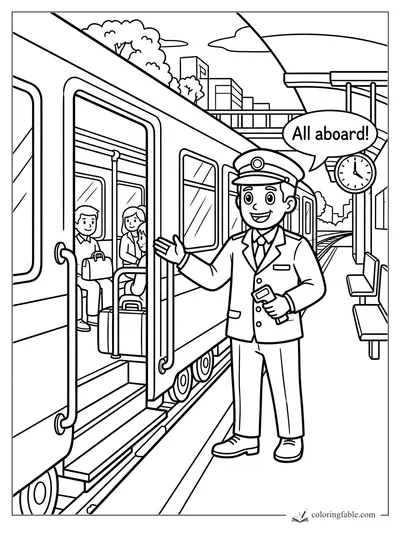
This collection focuses on the familiar people who keep a town running: firefighters with hoses, doctors and nurses with medical bags, mail carriers, police officers, teachers, crossing guards, construction workers, librarians, and more. You’ll find simple portraits with big uniforms and tools for younger kids, plus busier scenes with vehicles, buildings, badges, signs, and work gear for older children who like details. These pages are a good fit for classroom units on jobs, preschool community-helper weeks, career-day activities, or a quiet afternoon coloring the helpers children recognize from their own neighborhood.
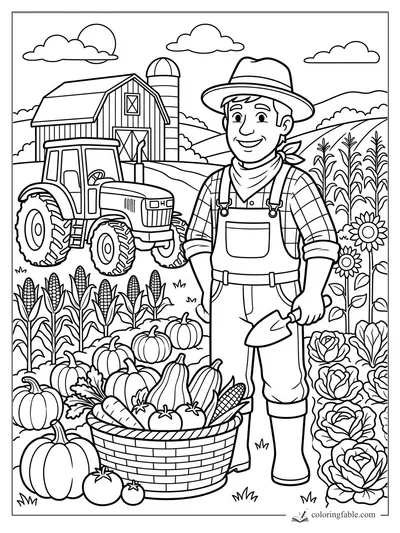
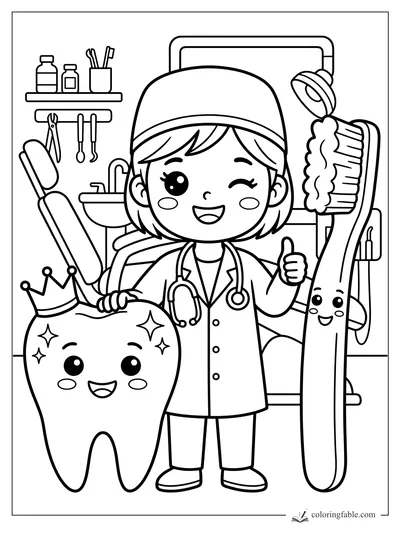
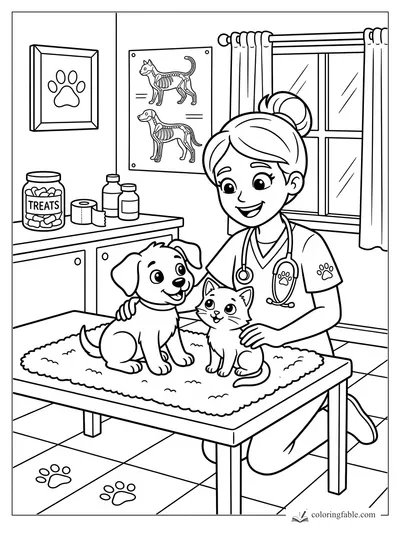
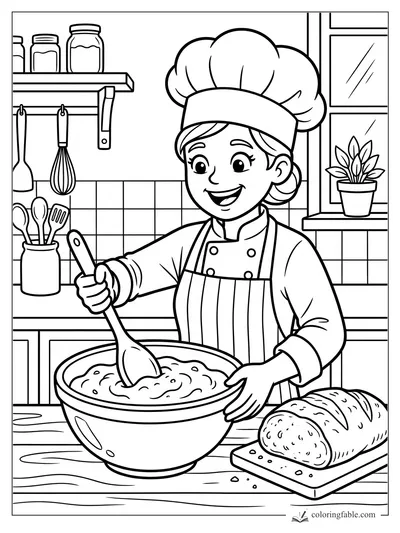



Community Helper pages by style, mood and season
Fun facts to share while coloring
Many community helpers can be identified by the tools they carry. Firefighters wear protective “turnout gear” designed to resist heat and use air tanks when smoke makes breathing unsafe. In the United States, 911 became the nationwide emergency number after the first 911 call was made in Alabama in 1968. Mail delivery has a long history, too: the U.S. postal system traces its roots to 1775, when Benjamin Franklin was appointed the first Postmaster General. Nurses often use stethoscopes to listen to heart and lung sounds, and hard hats on construction sites help protect workers from falling objects and bumps.
Coloring tips
Start with the emblematic community-helper palette: fire-engine red, reflective yellow stripes, police navy, scrub blue or green, postal blue, safety orange, hard-hat yellow, ambulance white, stop-sign red, road gray, and a full range of skin and hair tones. These pages usually have uniforms, badges, pockets, helmets, wheels, and tools, so try coloring large clothing areas with smooth side-to-side strokes, then switch to a sharpened pencil or fine marker for name tags, buttons, tire treads, and medical symbols. For a theme-specific twist, add a neighborhood thank-you board in the background with small hearts, handprints, or handwritten “thank you” signs for each helper.
📕 Prefer it as a book?
TheCommunity Helper Coloring Book: 20 pages hand-picked from this catalog, ordered from easy to intricate, with a personalized cover. One free PDF.