Basketball coloring pages for slam dunks, hoops, and game-day scenes
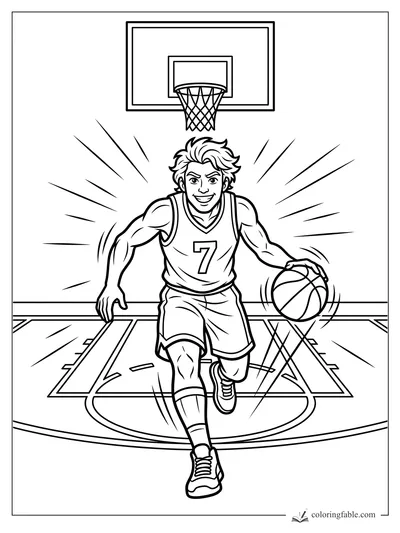
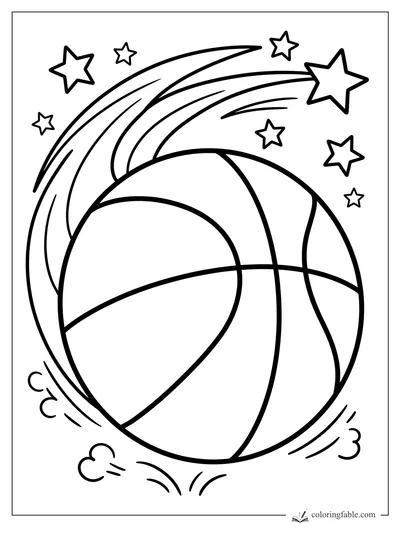
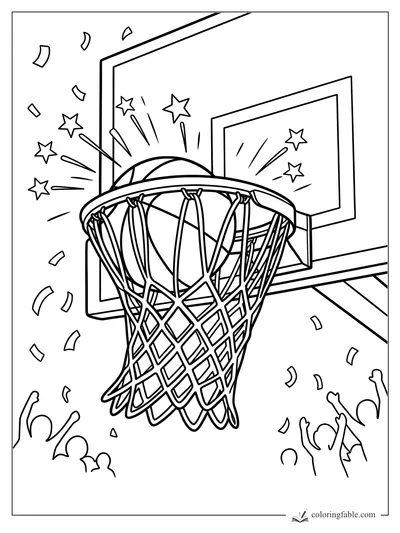
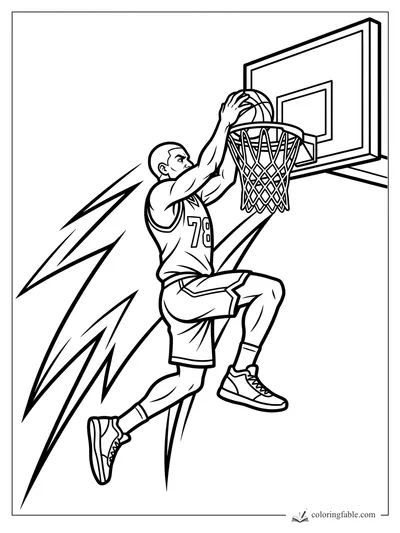
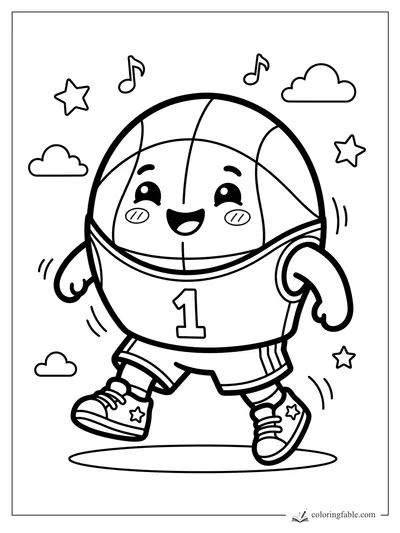
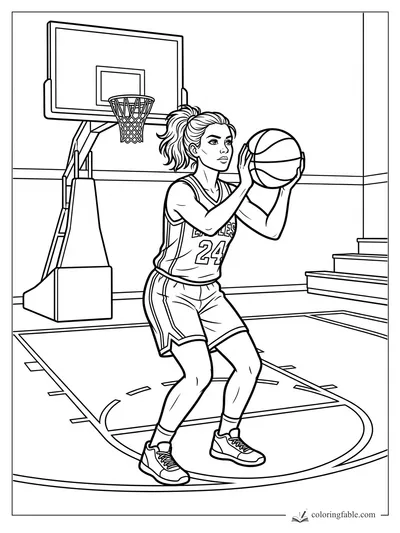
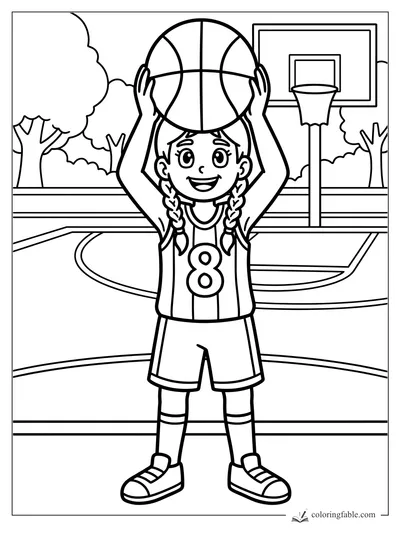
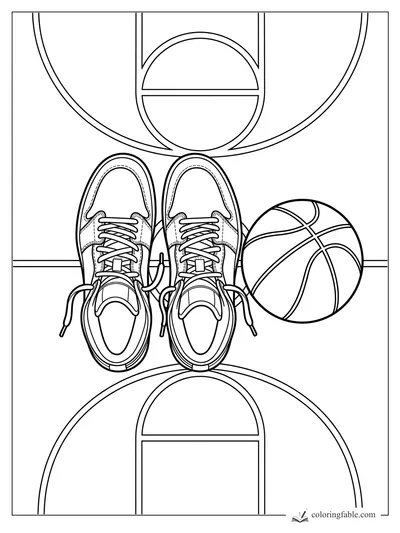
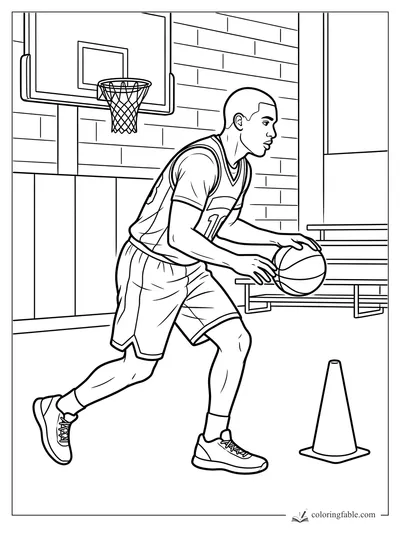
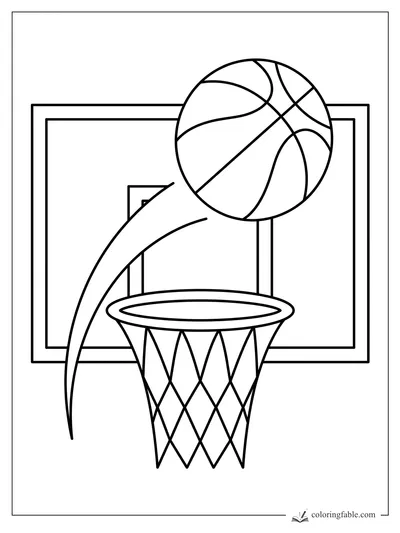
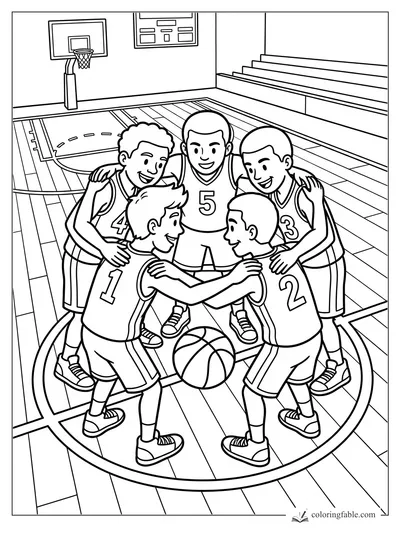
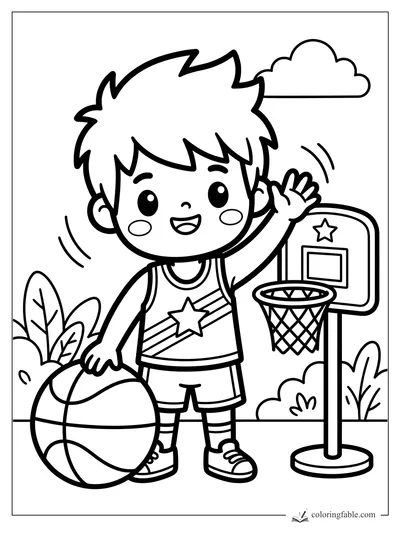
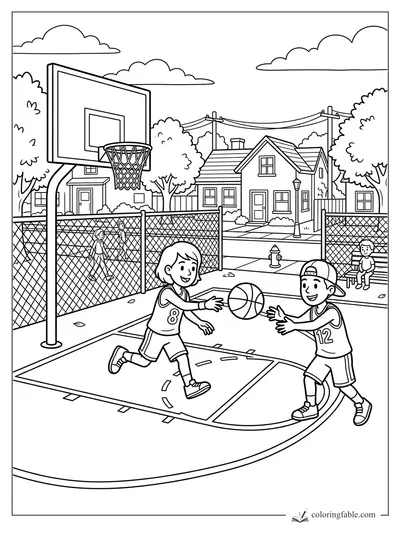
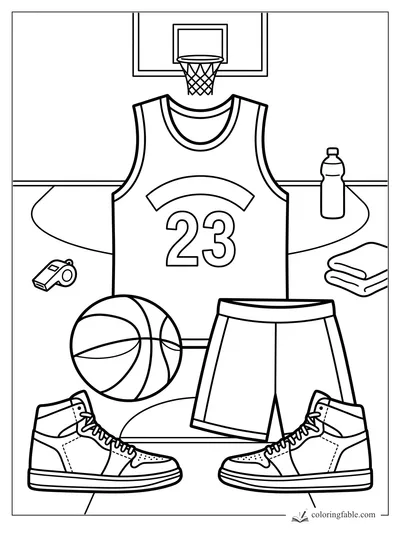
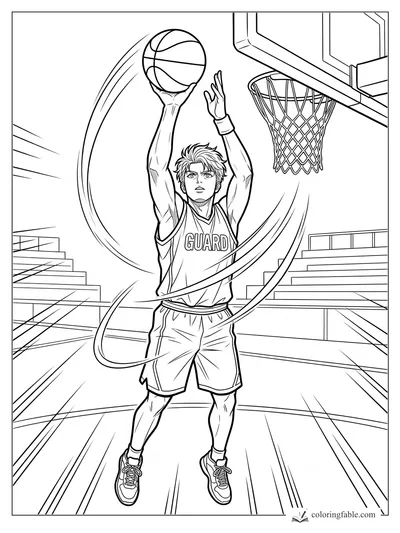
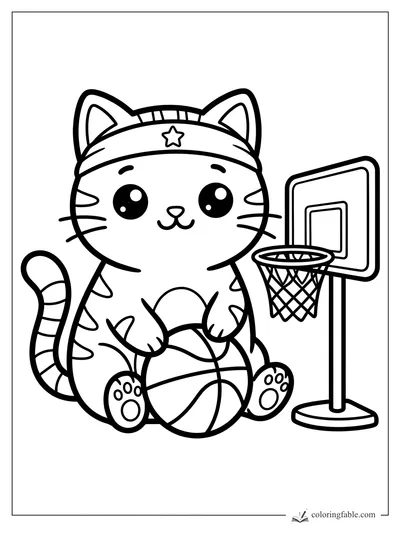
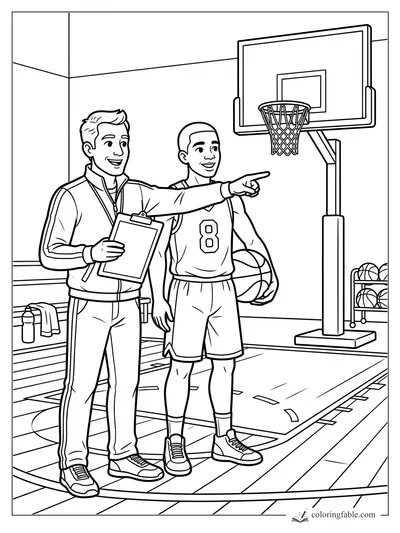
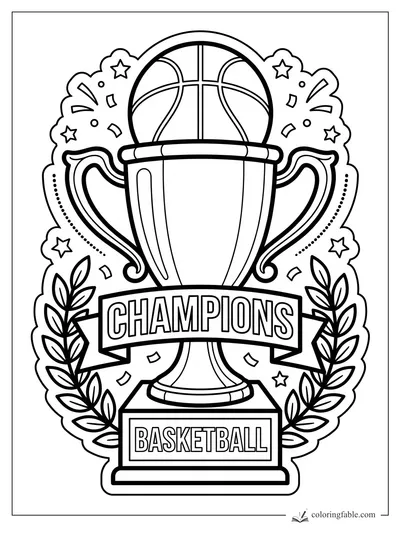
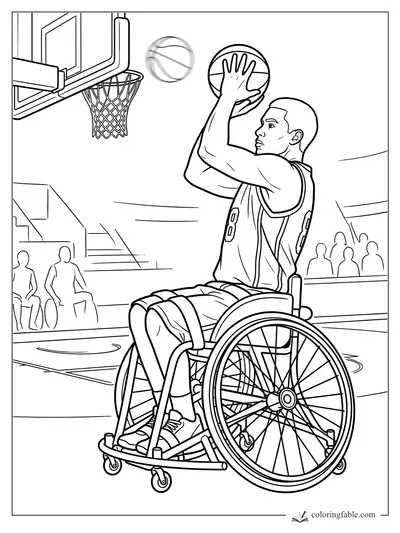
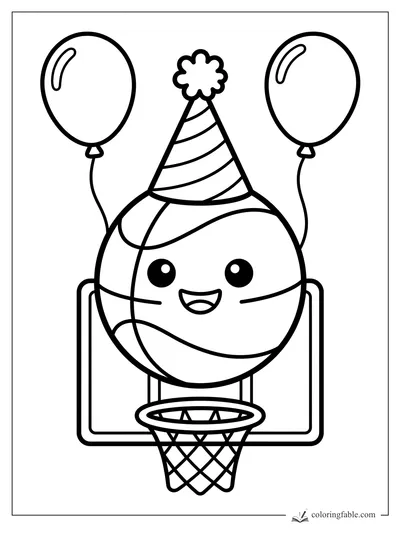
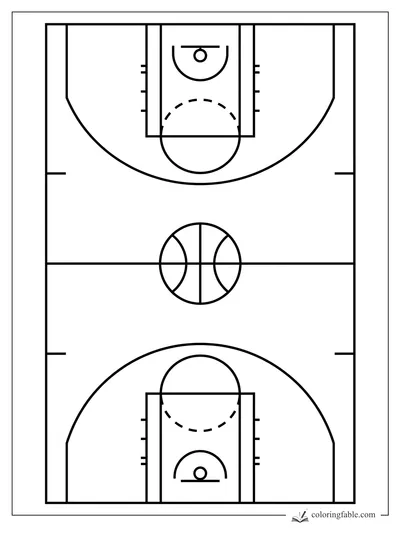
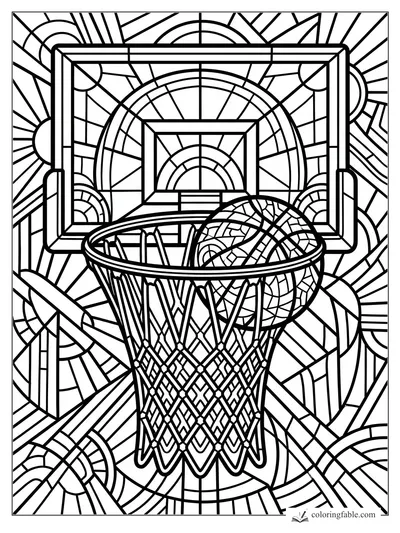
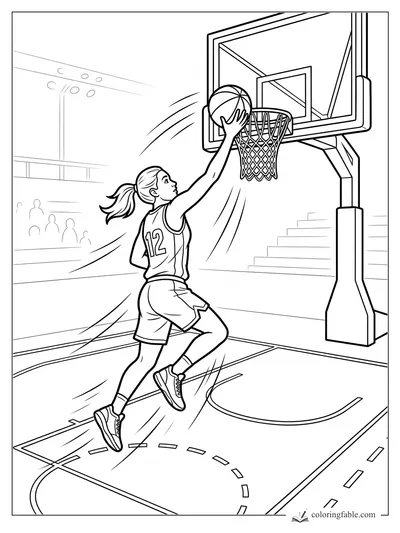
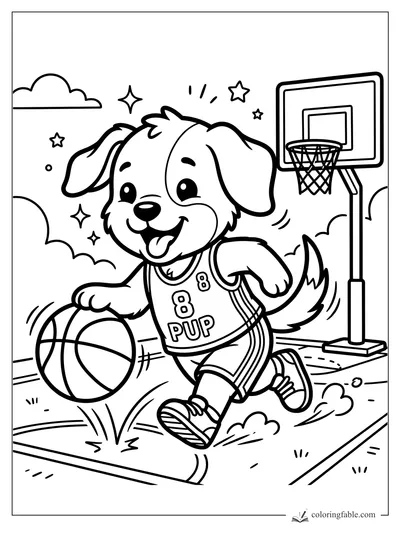
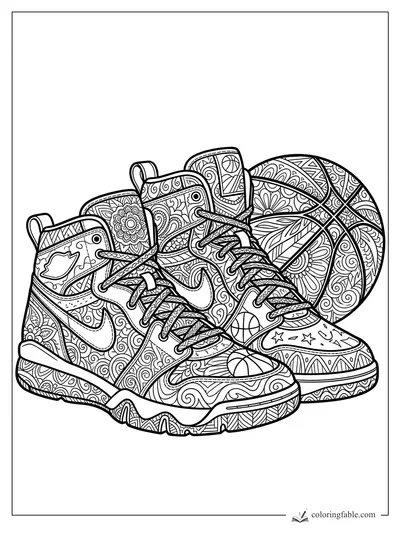
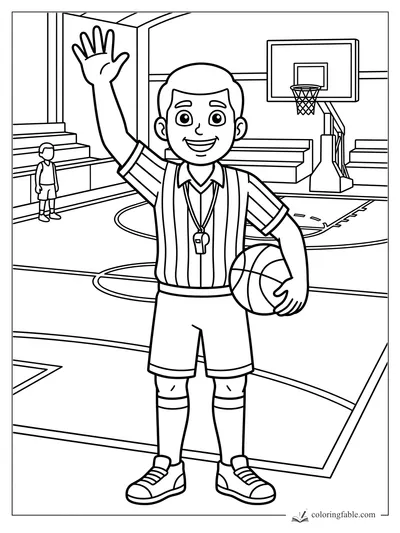
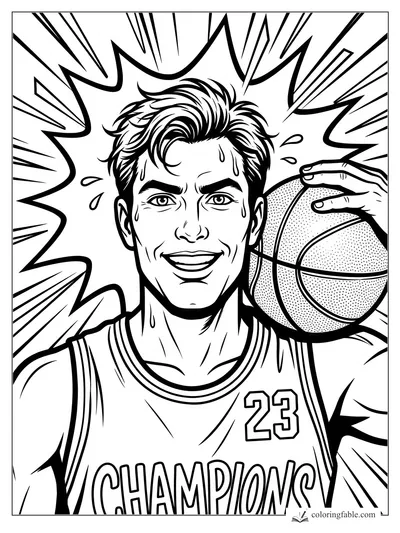
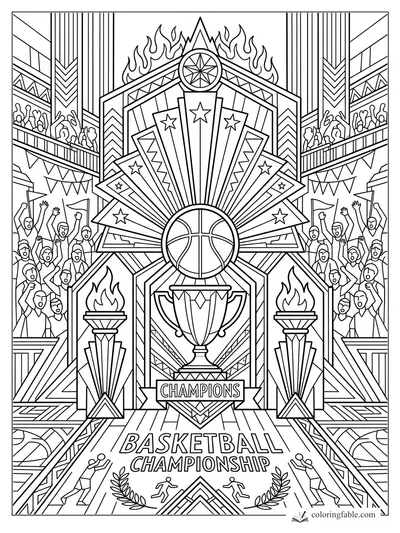
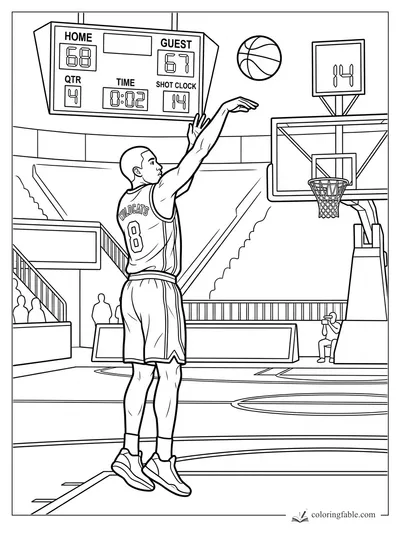
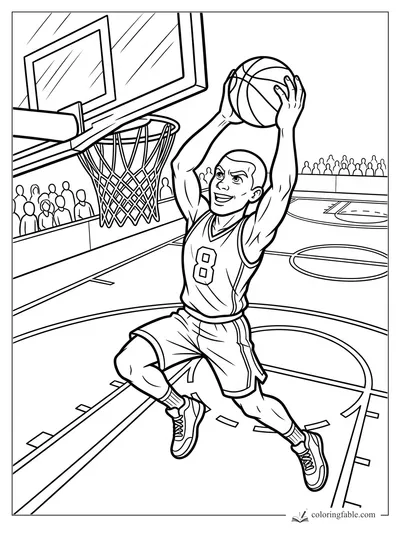
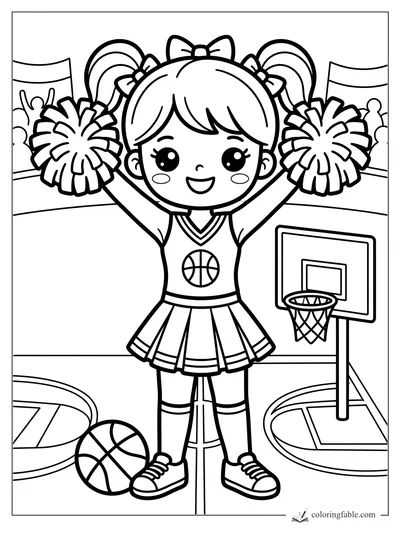
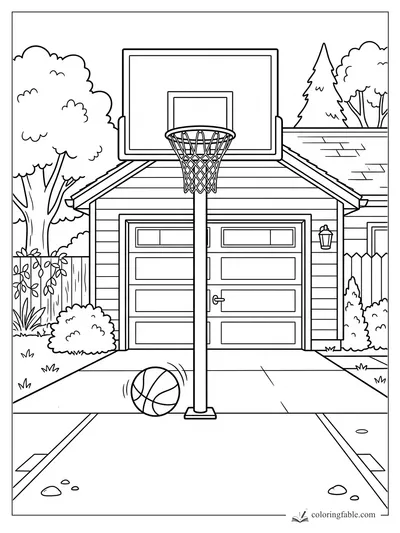
Inside this basketball collection, kids can color bouncing balls, rim-and-net closeups, players dribbling down the court, layups, slam dunks, mascots, jerseys, sneakers, scoreboards, and championship trophies. The easier pages use big basketballs and simple hoops with wide spaces for preschoolers and early elementary artists. More detailed sheets add crowd seats, uniform numbers, shoe laces, wood-floor lines, and fast action poses for older kids, teens, and sports-loving adults. It works well for March Madness activities, PE units, team parties, rainy-day practice breaks, or any fan who wants a printable court-side project.
Basketball pages by style, mood and season
Fun facts to share while coloring
Basketball was invented in December 1891 by James Naismith, a physical education teacher in Springfield, Massachusetts, who needed an indoor winter game. The first players shot a soccer ball into peach baskets, and someone had to retrieve the ball after made shots until the bottoms were removed. The rim is still 10 feet high, the same height used in those early gym games. Naismith’s original rules said players could not run while holding the ball, which is why passing and later dribbling became so important. The NBA added the three-point line for the 1979–80 season, borrowing an idea made famous by the American Basketball Association.
Coloring tips
Start with the classic court palette: burnt orange for the basketball, black for the pebble-grain seams, bright orange for the rim, white for the net, clear gray or pale blue for the backboard, honey tan for the hardwood, and bold team colors for jerseys and sneakers. For the ball’s curved panels, shade in arcs that follow the seams; a lighter oval in the center and darker orange near the edges will make it look round. Use short diagonal strokes on the net and long straight strokes on floorboards to separate woven string from polished wood. For a basketball-specific twist, invent a home-team uniform, fill the scoreboard with a buzzer-beater score, or turn the ball’s panels into tiny court maps.
📕 Prefer it as a book?
TheBasketball Coloring Book: 20 pages hand-picked from this catalog, ordered from easy to intricate, with a personalized cover. One free PDF.