Why Mandalas Hold a Center — Before every flower-wheel kept its still point, Aven carried a wandering seed through the ink garden, looking for a place that did not push it away. Read the full story →
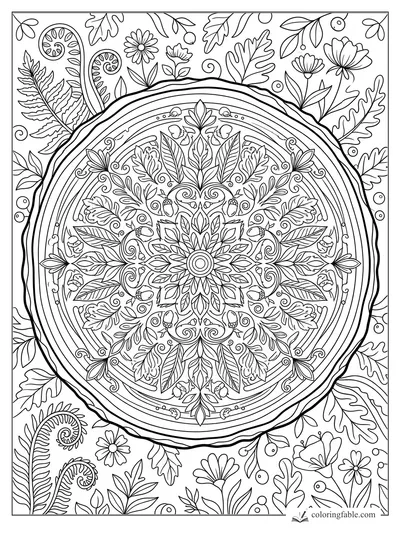
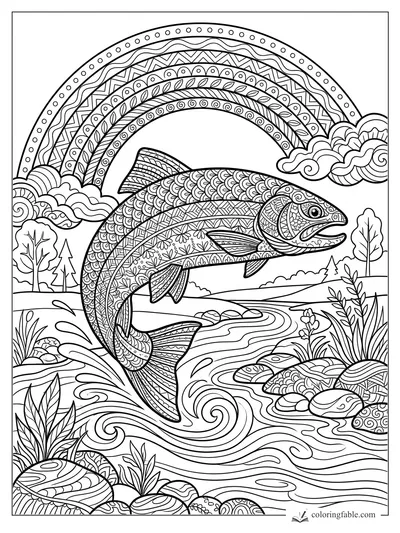
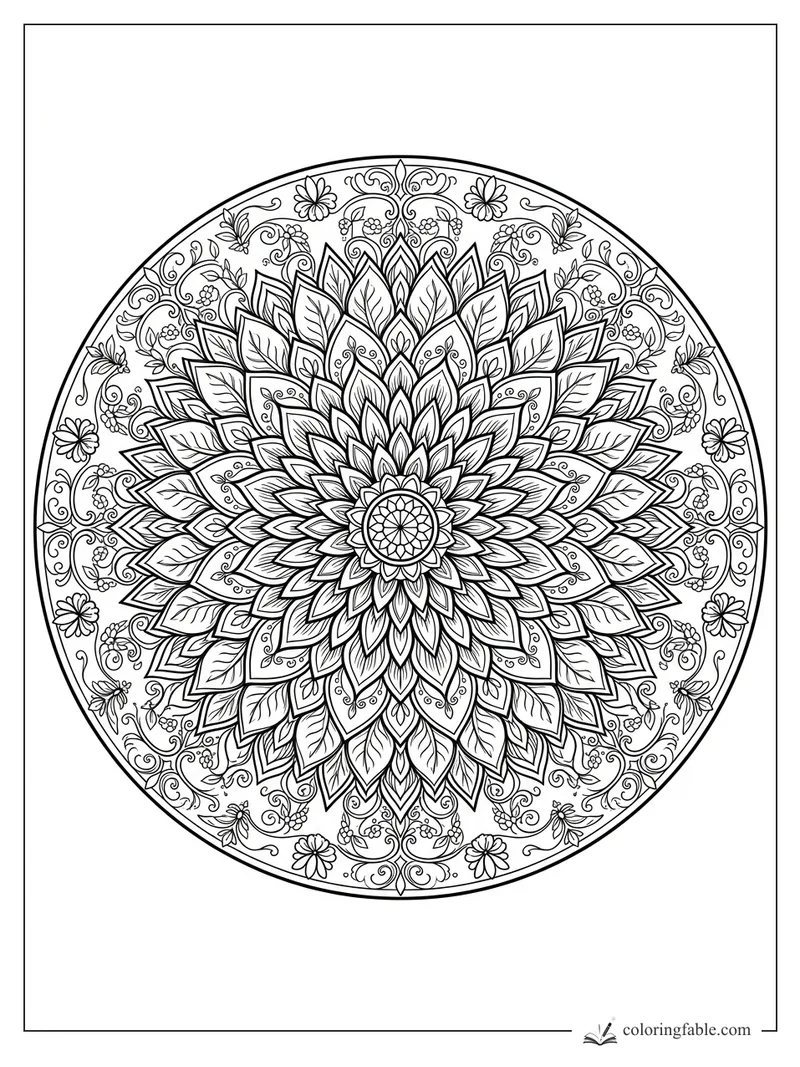
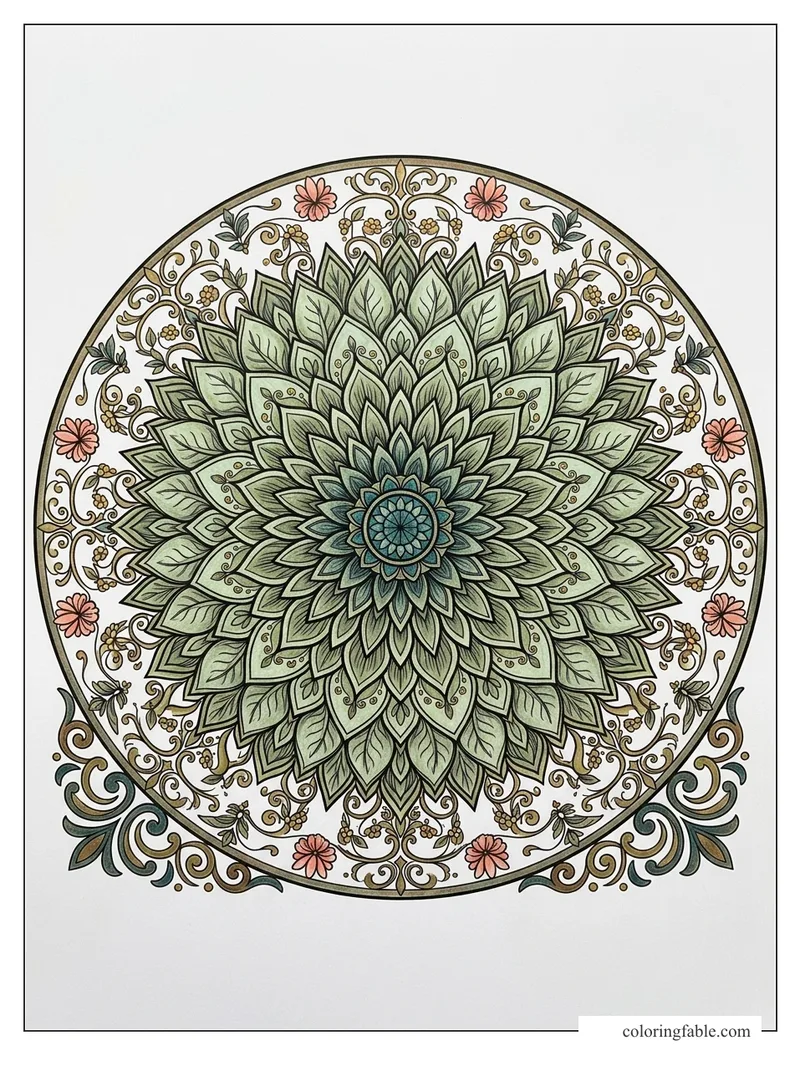
Before every flower-wheel kept its still point, Aven carried a wandering seed through the ink garden, looking for a place that did not push it away. The vines smelled faintly of rain on paper, and each leaf-arch rustled, “Farther,” as if the garden were turning in its sleep. Aven tried the broad petals, the curled gates, even the bee paths at the rim, but the seed rolled from every line and tapped against the dark ground with a patient little tick.
At last, tired enough to stop searching, Aven rested a fingertip on the smallest rosette. It felt warm, though no sun shone there. Under the tight lace of lines, where nobody had thought to look, a round hidden room opened—plain, quiet, exactly seed-sized. “Here,” Aven whispered. The seed settled, and every ring around it eased into place: leaves, curls, blossoms, bees, all belonging because the center belonged first. Ever since, flower mandalas have held a calm center, waiting for whatever has wandered too long to come home.