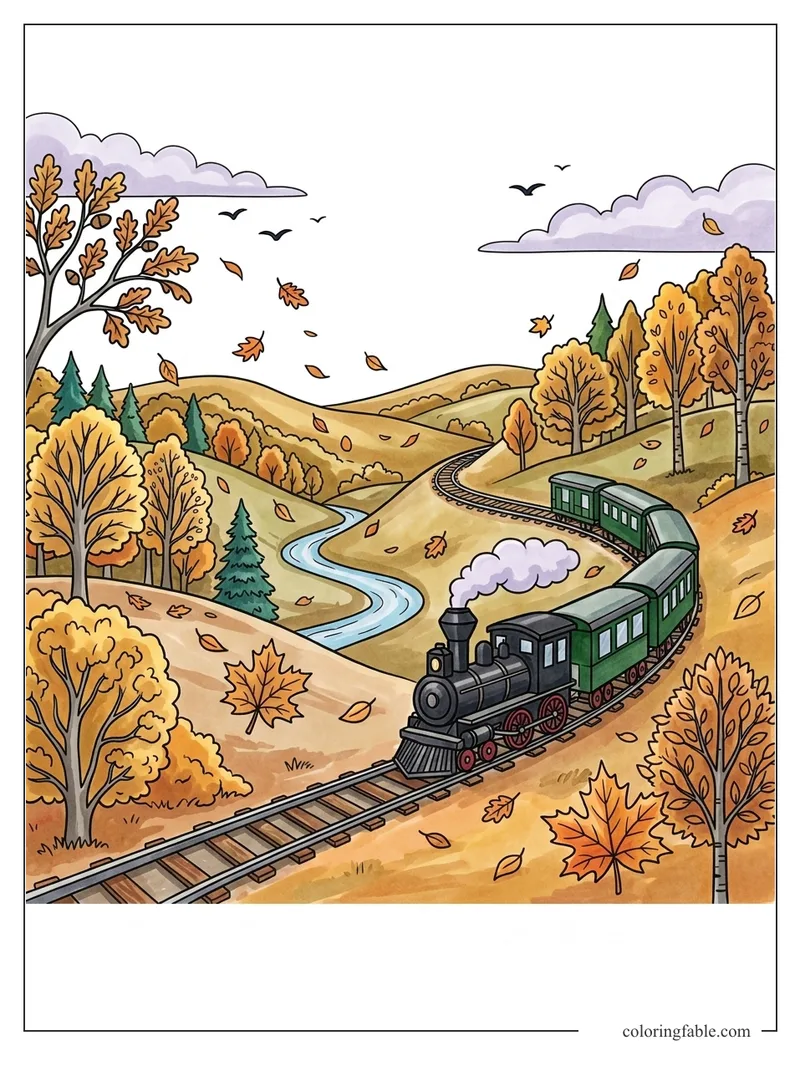
Why Train Whistles Share Leaves — Before the valley train left its shed, Esmé set herself a small challenge: one fallen leaf for every empty seat, no more and no less. Read the full story →
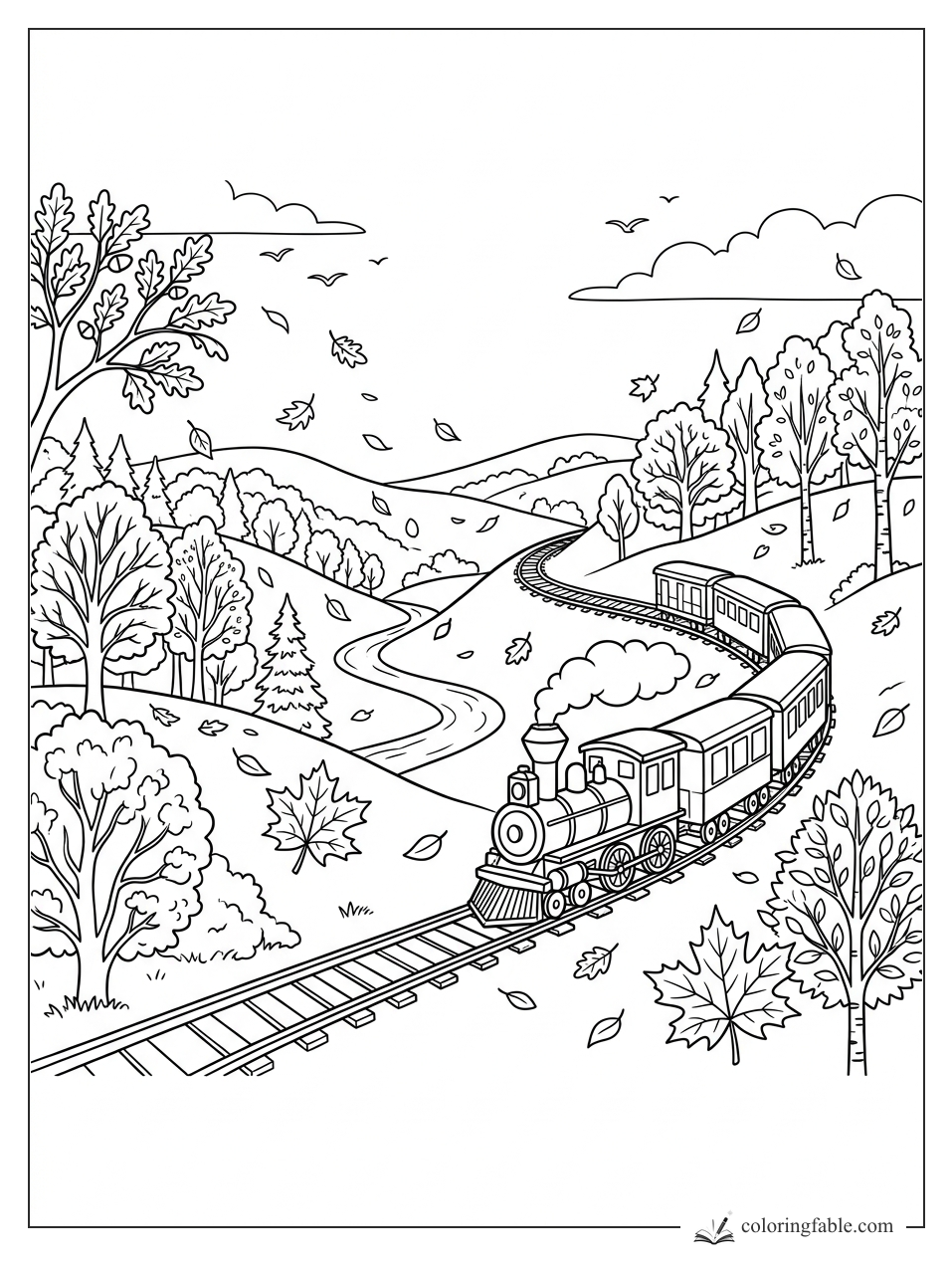
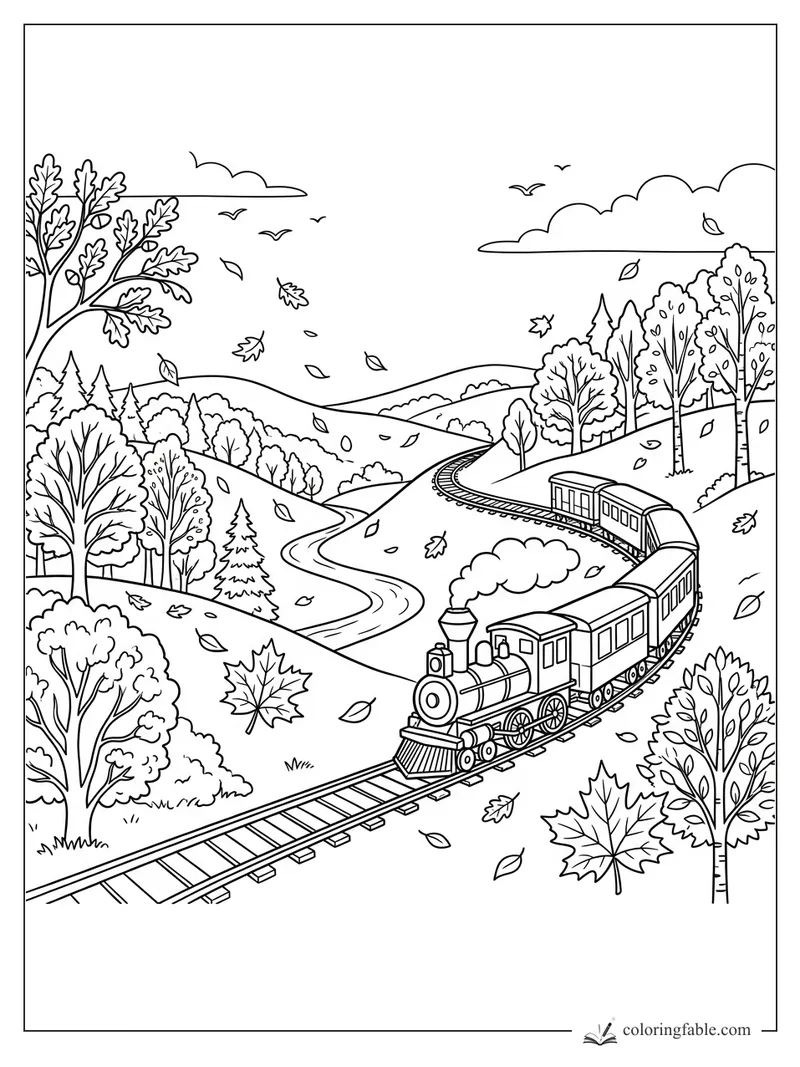
Before the valley train left its shed, Esmé set herself a small challenge: one fallen leaf for every empty seat, no more and no less. She chose them by touch in the cool dawn—smooth birch, papery oak, star-point maple—and tucked them along the wooden benches where no passengers sat. The engine smelled of coal smoke and rain on iron, and its wheels clicked softly, as if counting with her.
Halfway through the hills, the wind slipped through the windows and stole the leaves in a golden rush. Esmé ran after them down the aisle, but one maple leaf spun straight into the brass whistle. Instead of clogging it, the whistle gave a warm, fluttering note—whoo-leaf, whoo-leaf—that made a tired flock of birds turn safely away from the smoke. “Keep that one,” whispered the engineer.
So Esmé added another leaf, then another, never for praise, only so the valley would hear the gentlest warning. Ever since, autumn trains carry a hidden leaf in the whistle, and when you spot the leaf-swirls around the rails, you might hear the soft count of her cool dawn challenge.