Why Melons Hide One Gold Slice — Under the glasshouse roof, rain ticked like tiny knuckles while Elio lined watermelon wedges on the cool marble shelf. Read the full story →
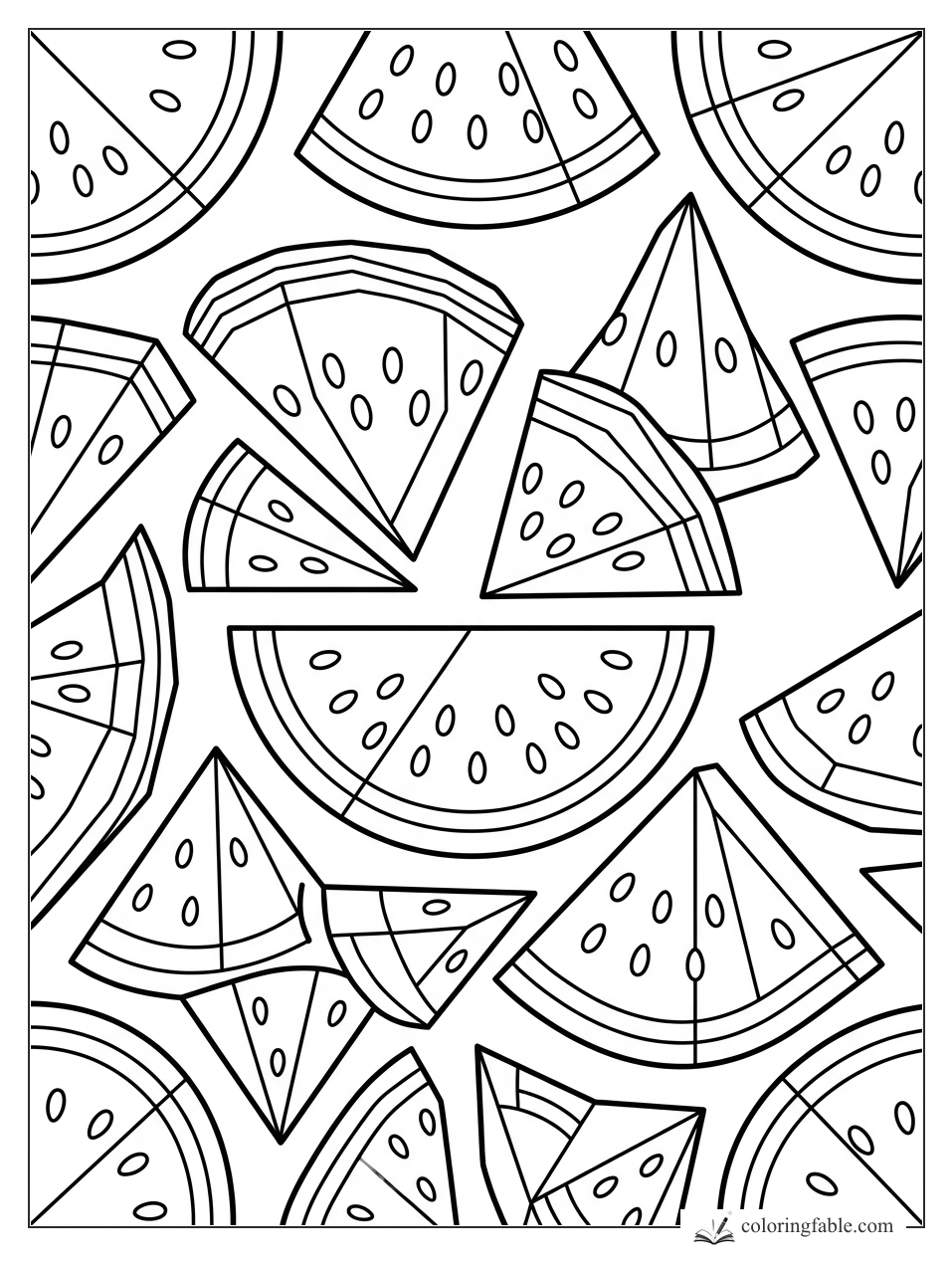
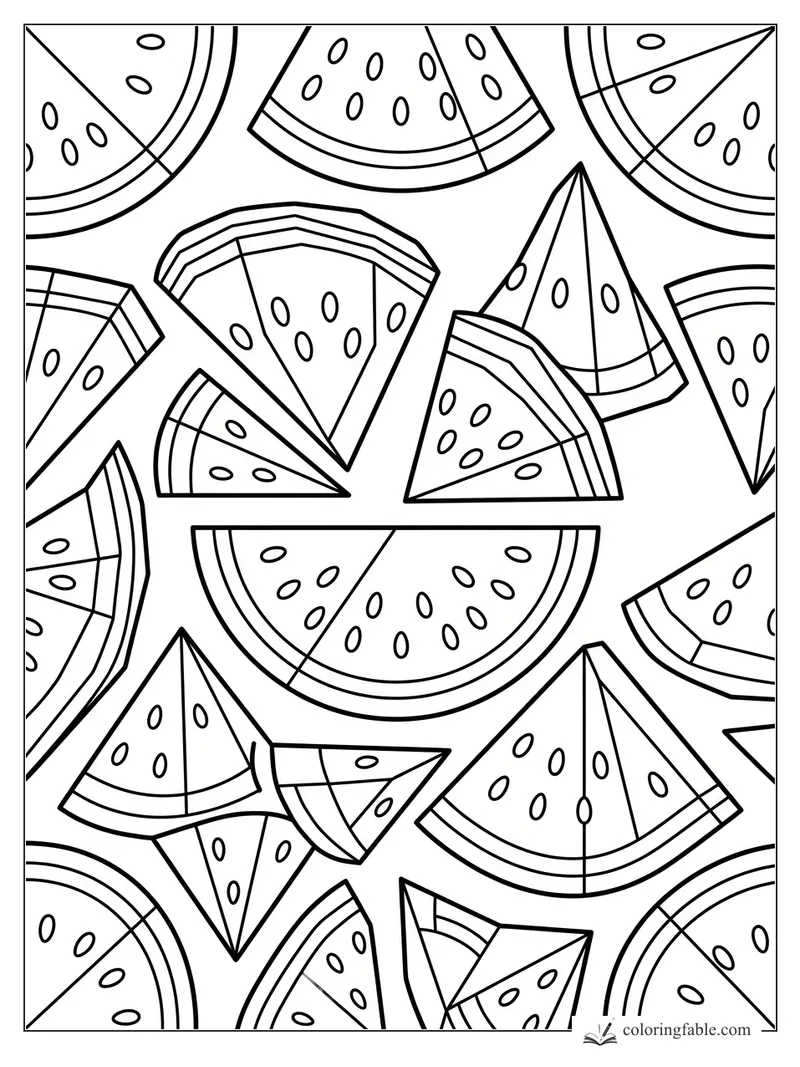
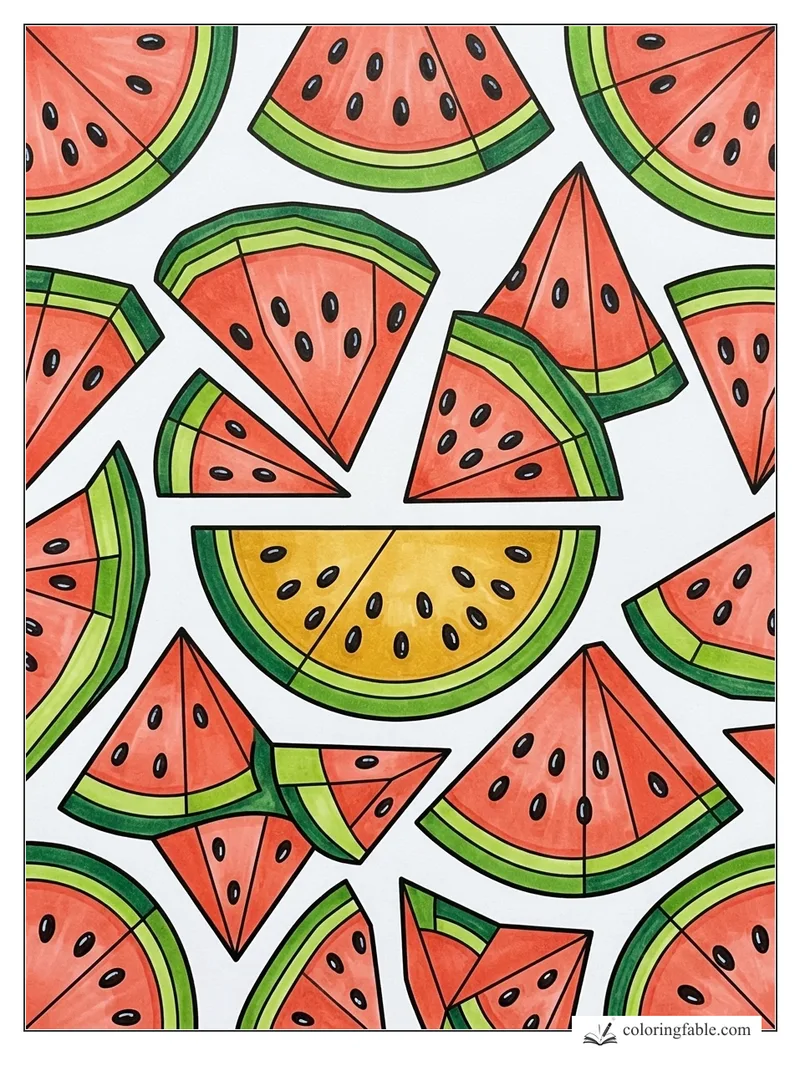
Under the glasshouse roof, rain ticked like tiny knuckles while Elio lined watermelon wedges on the cool marble shelf. He had invented a game called Find the Friendly Angle: every triangular slice pointed toward another, and the half-moons made secret doors. He wanted the midnight pantry mice to follow the pattern to supper without waking the stern custodian, whose keys clinked louder than thunder.
The best piece was a rare yellow-hearted slice, sweet as honey and bright in the greenish lamp glow. Elio saved it for the end of his game, then heard a soft scrape behind the flour jars. A small mouse with wet whiskers nudged two crumbs toward three tinier mice. Elio did not step out. He slid the golden slice into the center of the pattern and whispered, “This one points to you.”
By morning, only black seeds marked where the yellow piece had been. The custodian frowned at the strange arrangement, but the mice slept full behind the warm pipes. Ever since, melon cutters hide one golden slice among the red wedges, a quiet thank-you in the game of friendly angles; if you study the sharp slices and curved doors, can you guess where Elio would hide it next?