Why Croissants Keep Crescents — Behind the mirrored wall of the Meridian Tea Salon, Ansel invented a game no guest was meant to know: hold a fresh croissant above the first cup of bergamot, let the steam lift its scent of butter and orange peel, and guess which shadow would touch the saucer first. Read the full story →
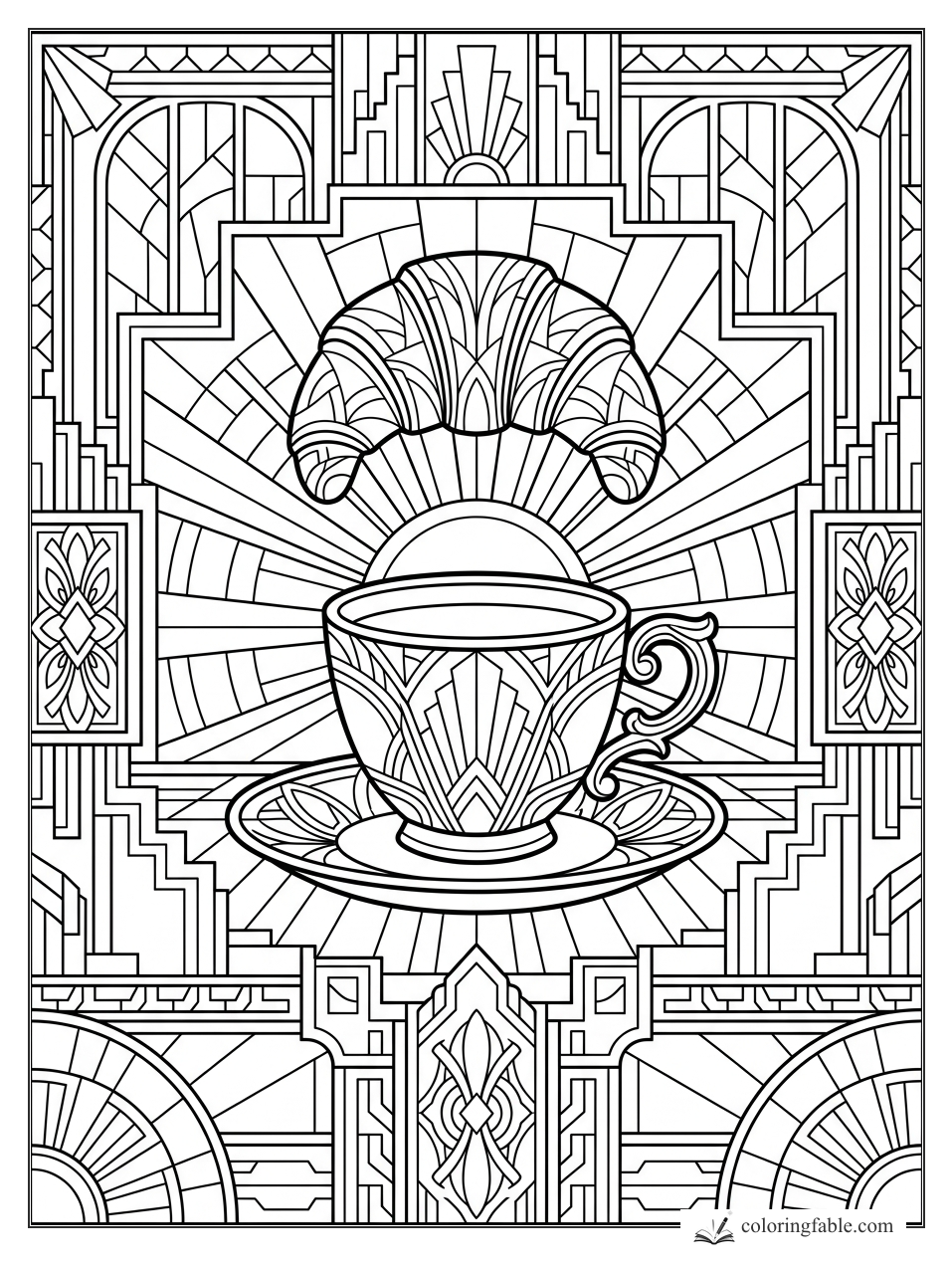
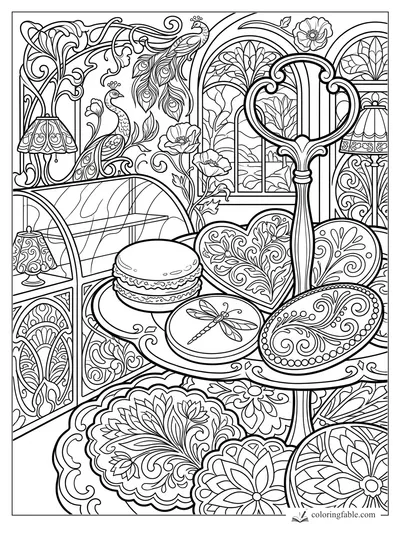
Behind the mirrored wall of the Meridian Tea Salon, Ansel invented a game no guest was meant to know: hold a fresh croissant above the first cup of bergamot, let the steam lift its scent of butter and orange peel, and guess which shadow would touch the saucer first. He had meant to keep the joy to himself, a private little sunrise before the doors opened. But the cup rang softly—ting—though no spoon had struck it, and every brass line in the room aimed toward the pastry.
“Again,” whispered the salon itself, which is not something salons admit unless they trust you. Ansel raised the croissant higher. The steam curled, the fans on the walls seemed to inhale, and the pastry bent around the warm breath like two arms making room. The hidden bakers, the sleepy waiters, even the sugar tongs leaned close, caught in the secret. Ansel laughed so hard he had to share the rule: whoever guessed the shadow first earned the first bite. Ever since that morning, croissants have kept their crescent curve, because joy that buttery needs a shape wide enough to pass around.