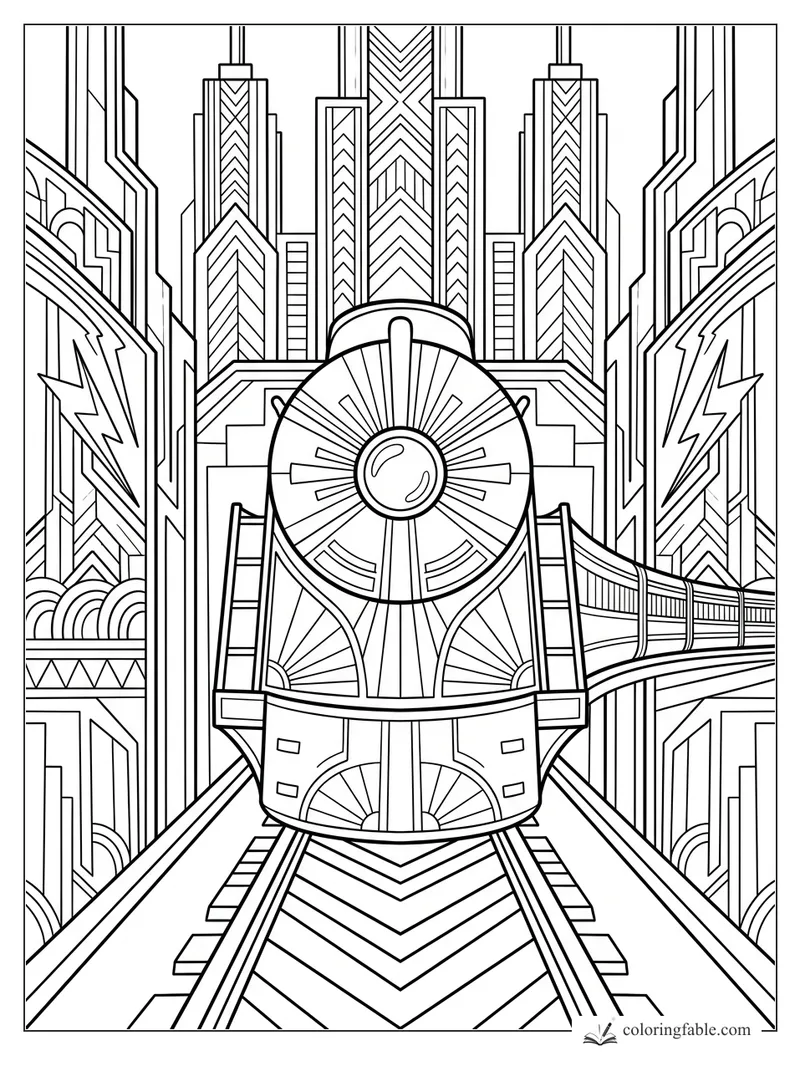
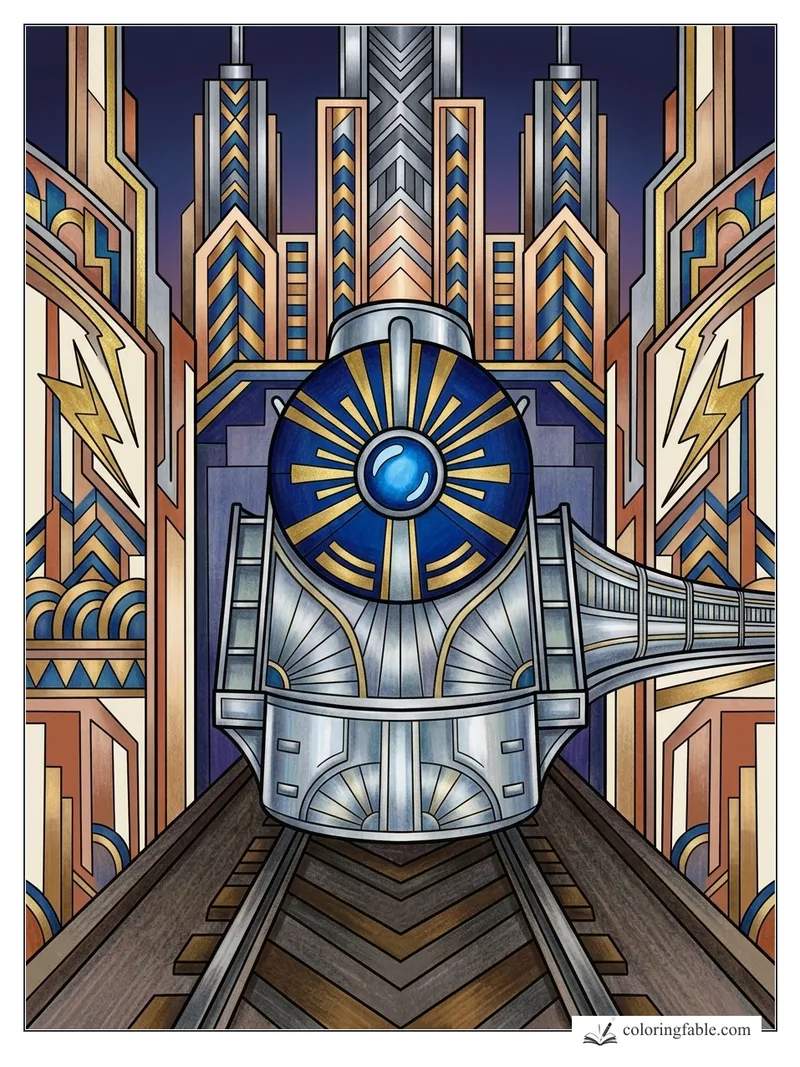
Why the Rails Chevron Home — Before the city had any arrows on its rails, Esmé marked time by inventing a game called Last Light: she would choose one glowing window high above the electric gate, then wait to see which reflection reached the track first. Read the full story →
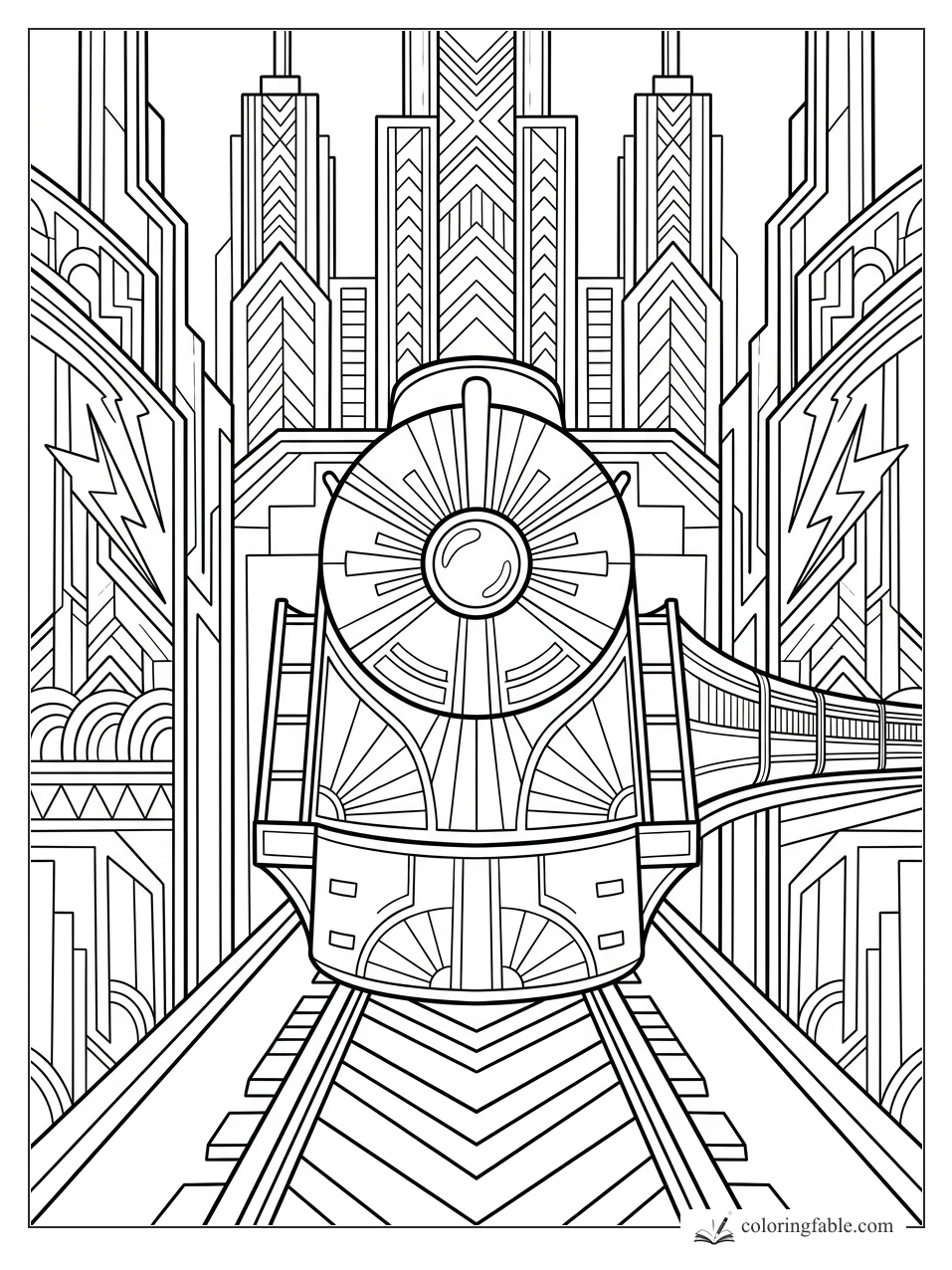
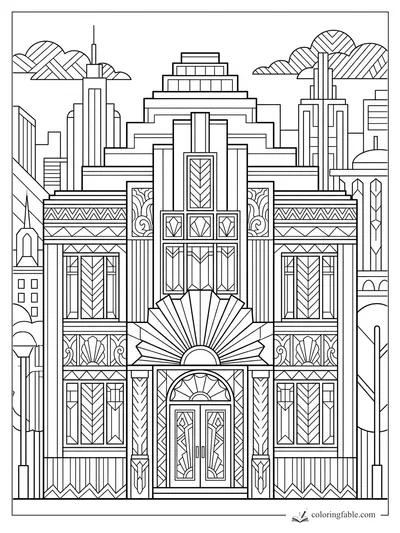
Before the city had any arrows on its rails, Esmé marked time by inventing a game called Last Light: she would choose one glowing window high above the electric gate, then wait to see which reflection reached the track first. The air smelled of rain on brass. Trains slid in silver and silent, but drivers slowed too early, unsure where the canyon of towers ended and the true entrance began.
On the seventh night, one reflection did not move like the others. It stepped from window to window, thin as a secret, until it touched the rails in a bent streak of pale gold. Esmé waited, though the station bell trembled and her fingers chilled on the signal box. When the engine finally arrived, its lamp caught that streak and multiplied it: one V, then another, then another, pointing inward like folded hands.
By morning, Esmé had painted the pattern down the approach, not as decoration but as an invitation for light to finish its game. Ever since, trains entering the electric city gate follow chevrons home, patient as the last light.