Train coloring pages for steam engines, railcars, and cabooses
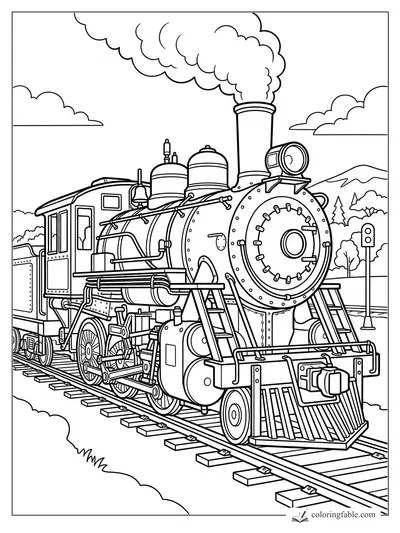
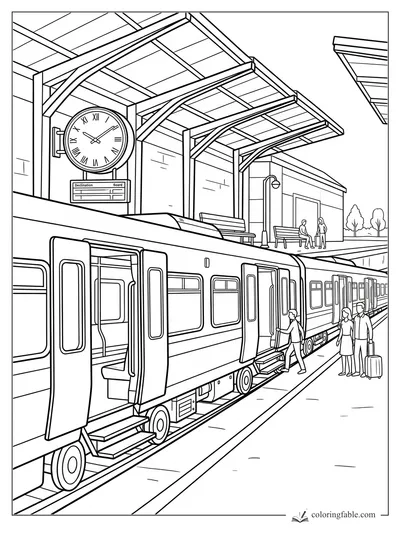
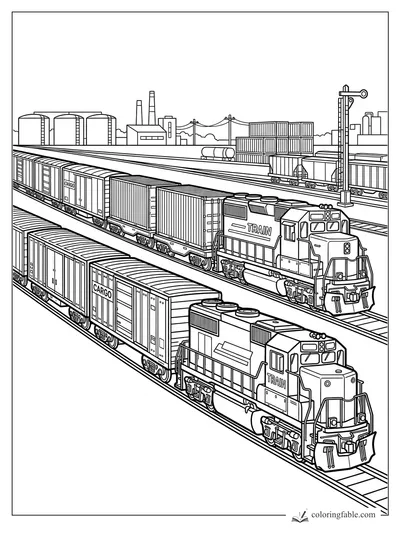
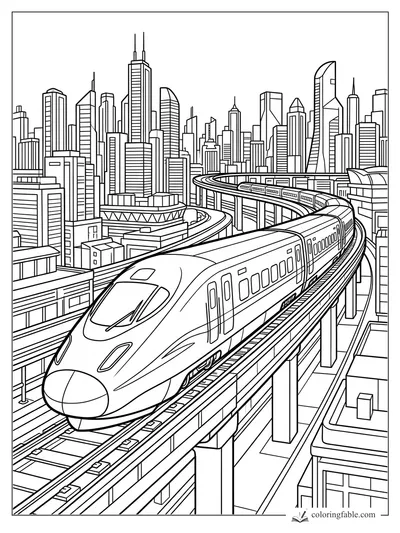
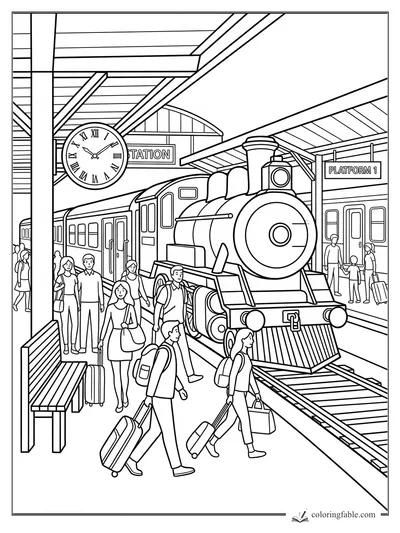
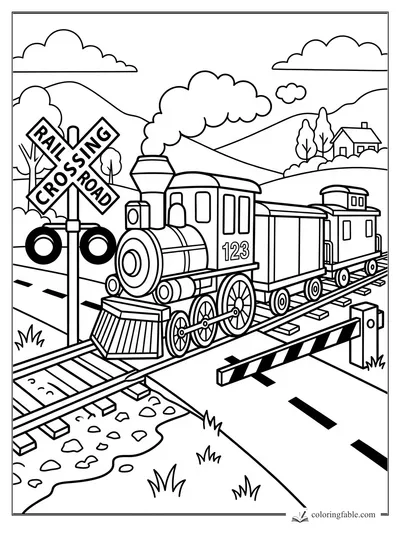
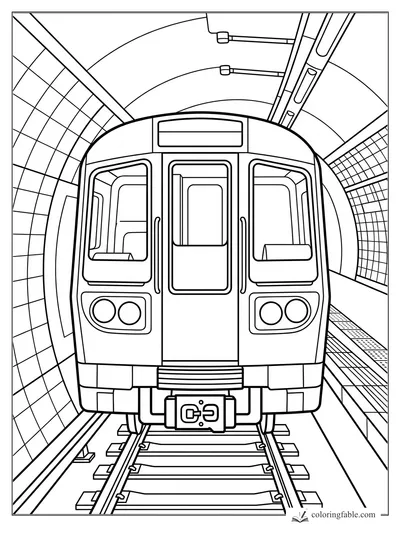
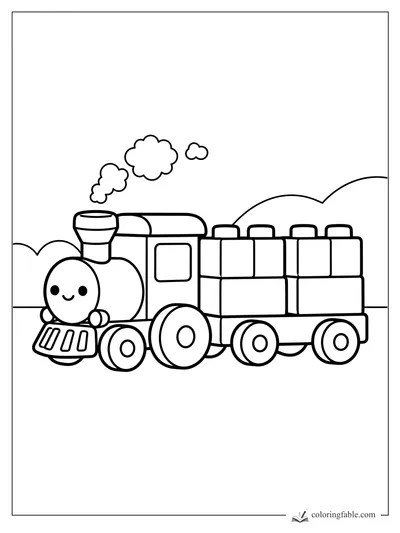
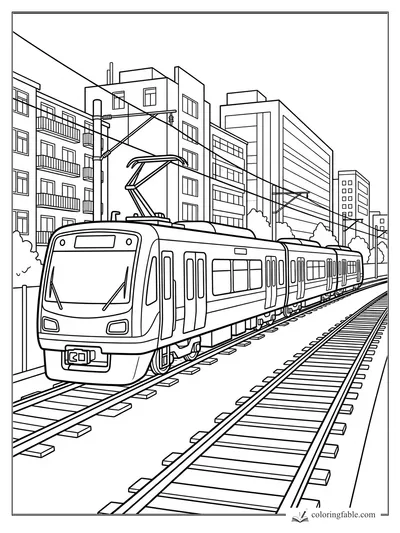
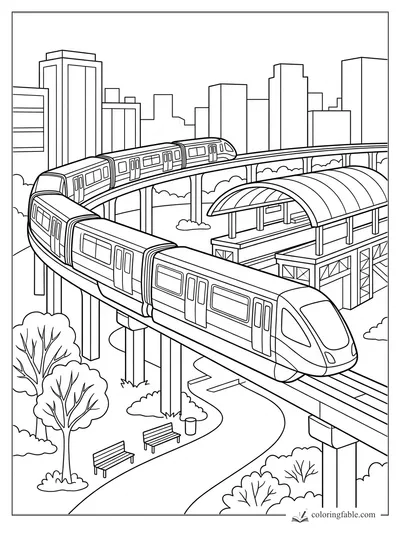
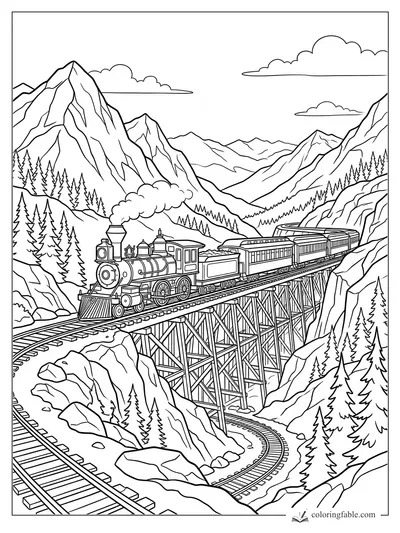
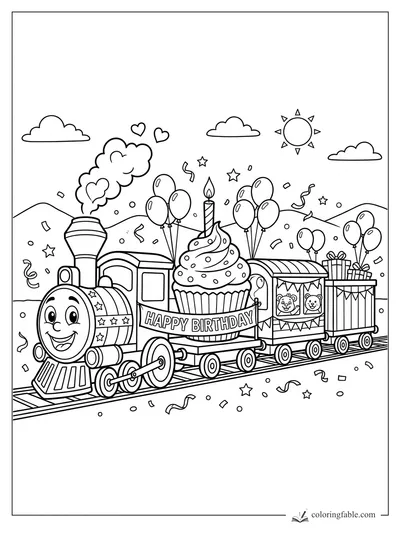
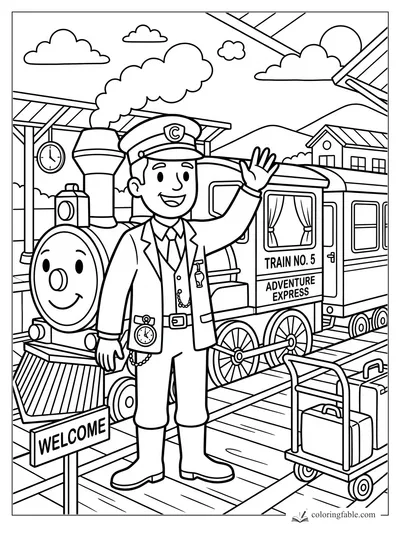
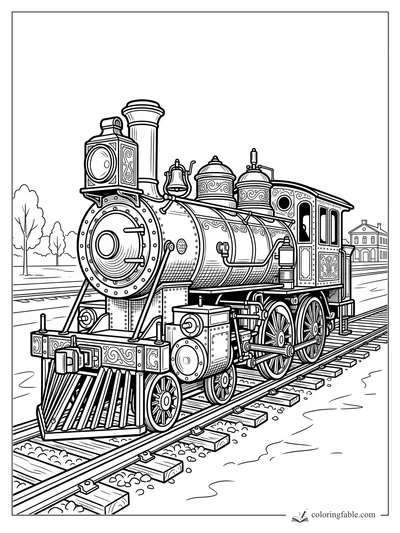
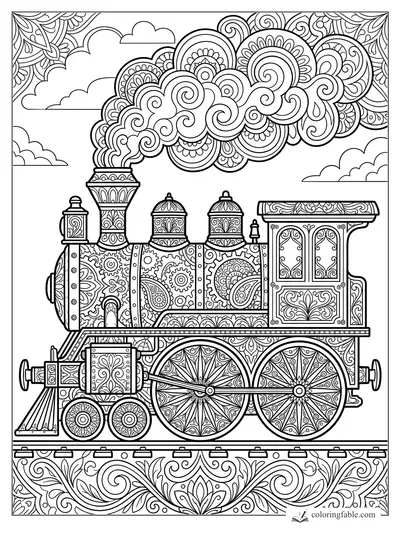
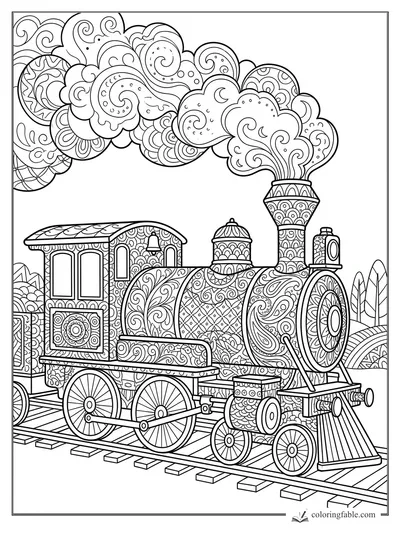
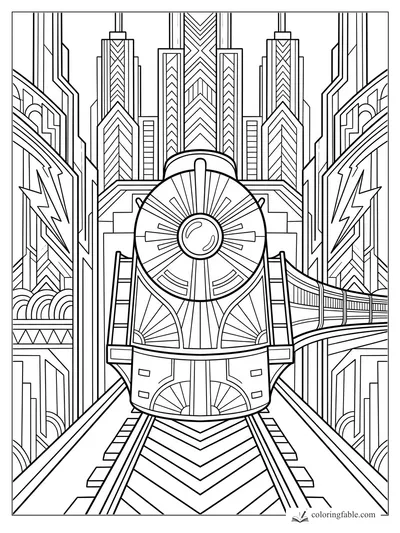
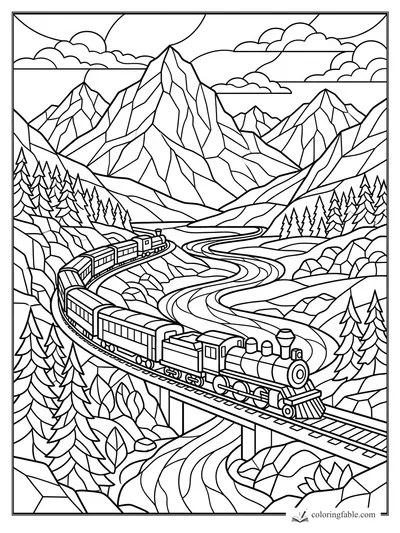
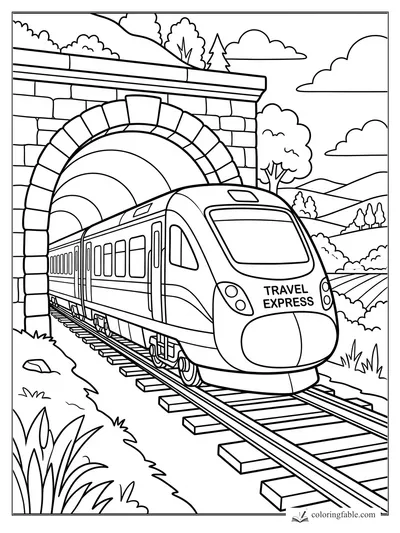
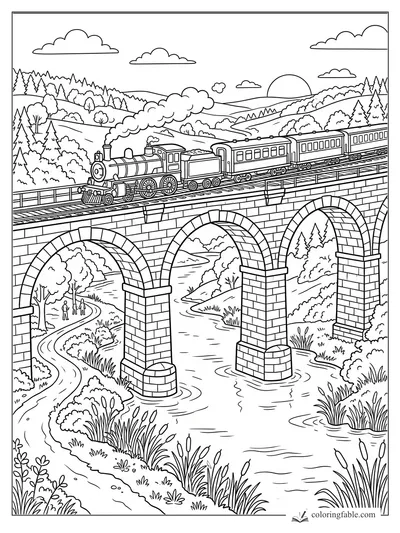
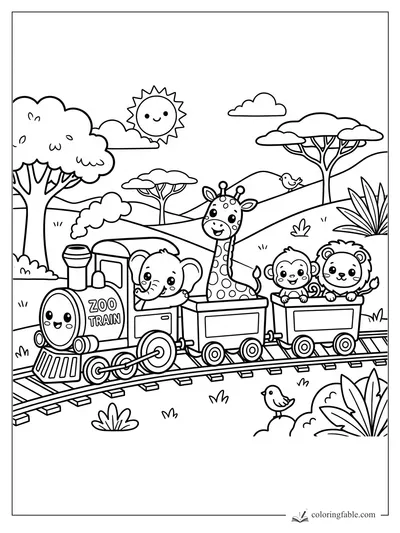
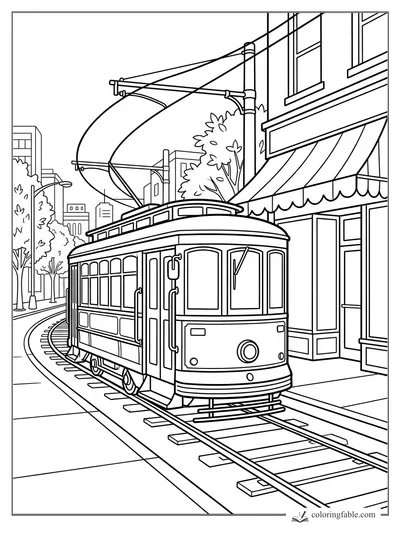
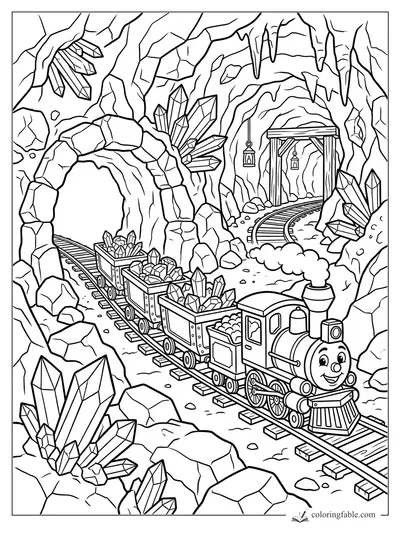
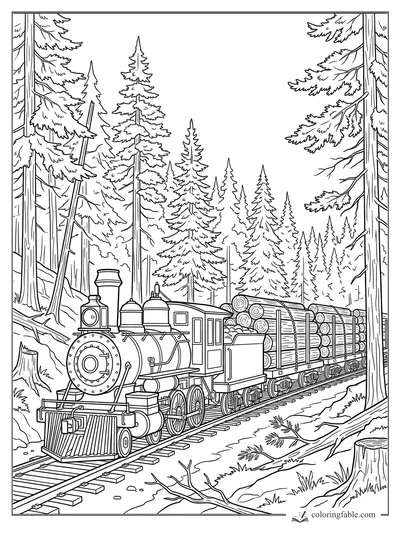
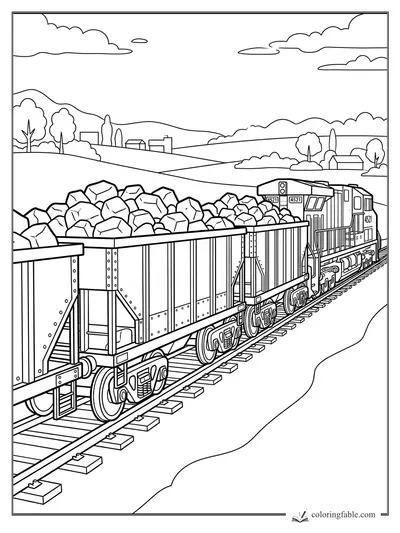
This train collection includes bold, easy outlines of locomotives for younger kids, plus more detailed pages with steam engines, passenger cars, freight cars, tracks, signals, and station scenes. Some designs have big wheels and simple windows for quick coloring, while others add rivets, rail ties, smoke clouds, and background scenery for older children or vehicle-loving adults. You’ll find classic steam trains, modern-looking engines, cabooses, and cars carrying cargo, so the pages work well for classroom transportation units, rainy-day projects, or anyone who likes the rhythm of the rails.
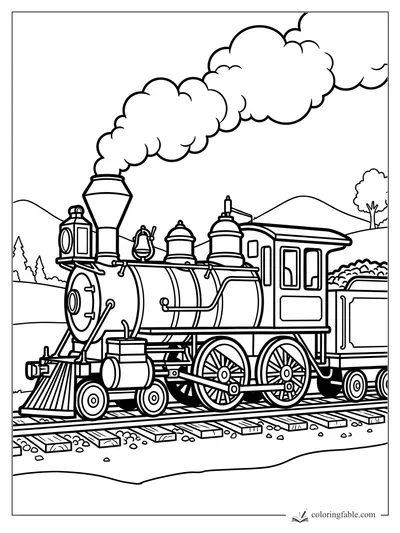
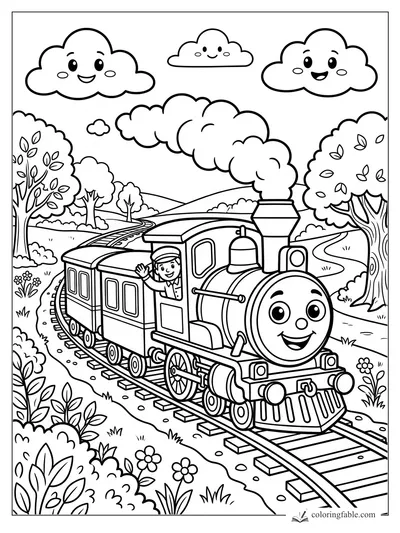
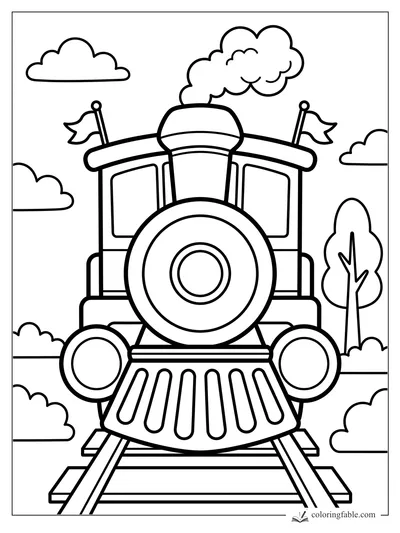
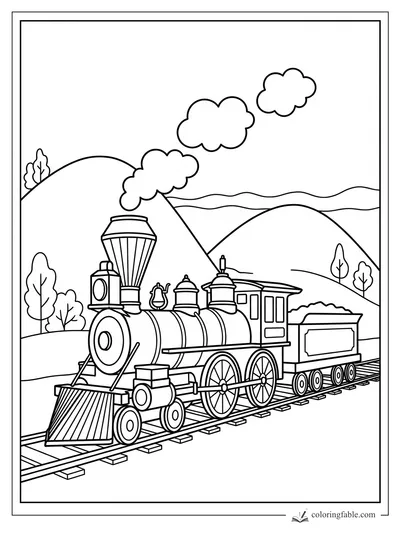
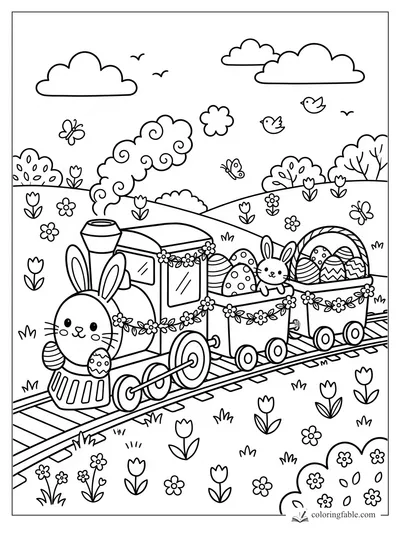
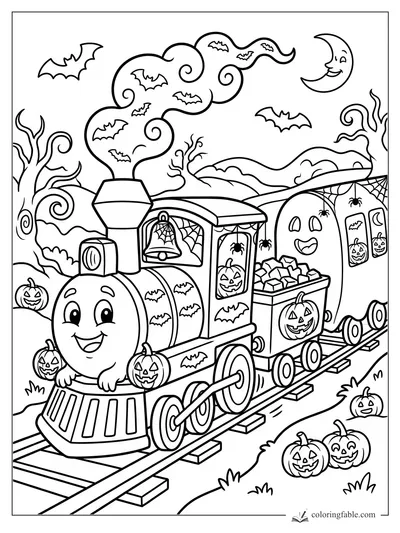
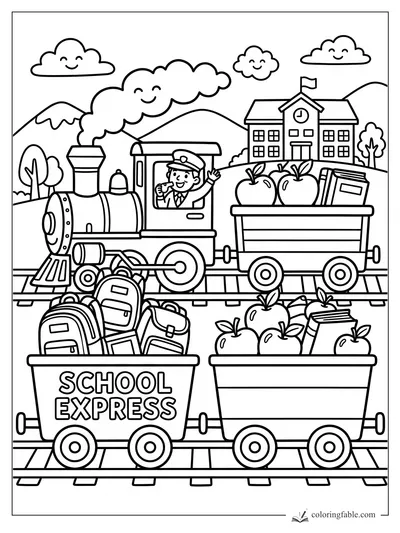
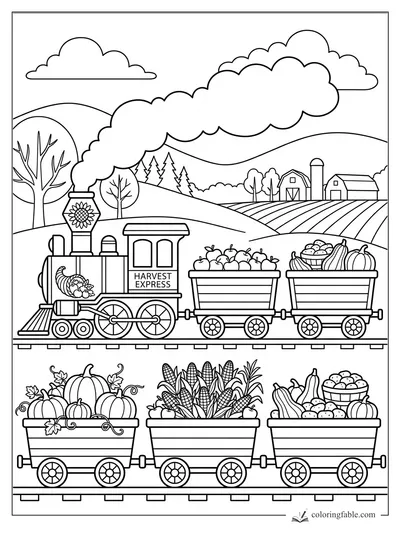
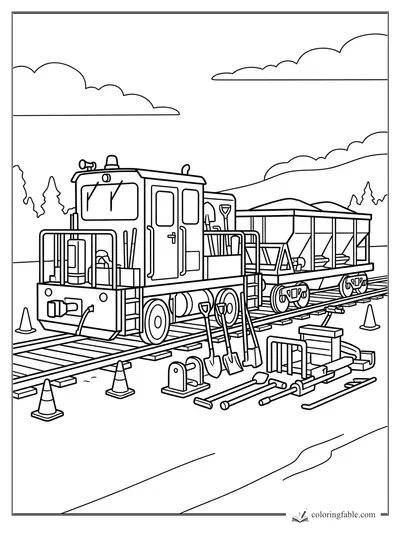
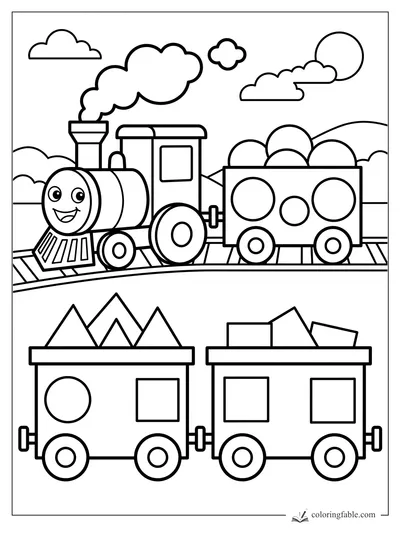
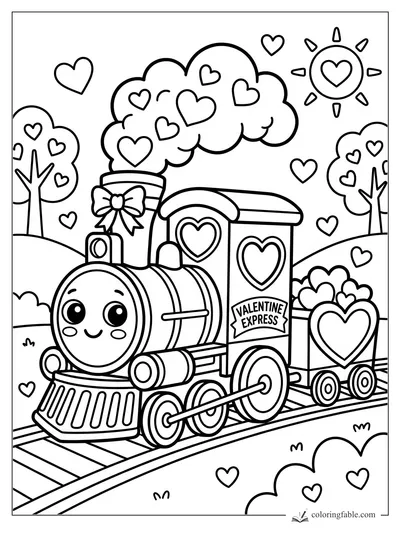
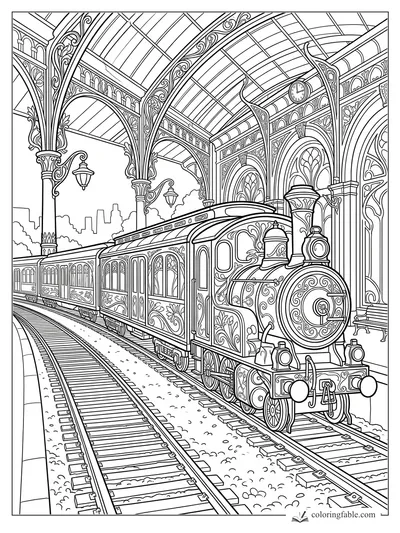
Train pages by style, mood and season
Fun facts to share while coloring
The first steam locomotives began pulling trains in the early 1800s, and they changed how people and goods moved because they could carry heavy loads faster than horses. In the United States, the first transcontinental railroad was completed in 1869 at Promontory Summit, Utah, linking rail lines from the East and West. A caboose once served as a rolling office and lookout spot for the train crew, usually riding at the very end of a freight train. Modern freight trains often carry containers, grain, coal, cars, or lumber, and many passenger trains use electric or diesel-electric power instead of steam.
Coloring tips
For a classic train palette, start with matte black or dark charcoal for the boiler, smokestack, wheels, and undercarriage; add deep red, forest green, or navy blue on the cab and cars; use silver-gray for rails, couplers, and metal trim; and choose warm yellow for headlamps, number plates, and station lights. Train drawings have lots of repeating circles, rectangles, and parallel lines, so color one wheel or window first, then match the others for a neat, mechanical look. Shade under the engine and along the rail ties to make it feel heavy. For a fun twist, turn each freight car into a themed load—pumpkins, dinosaurs, candy boxes, or your hometown’s name on the side.
📕 Prefer it as a book?
TheTrain Coloring Book: 20 pages hand-picked from this catalog, ordered from easy to intricate, with a personalized cover. One free PDF.