Why City Trains Bow — Before the first morning bell, Arlo hurried along the city viaduct with a warm copper strip tucked under his coat. Read the full story →
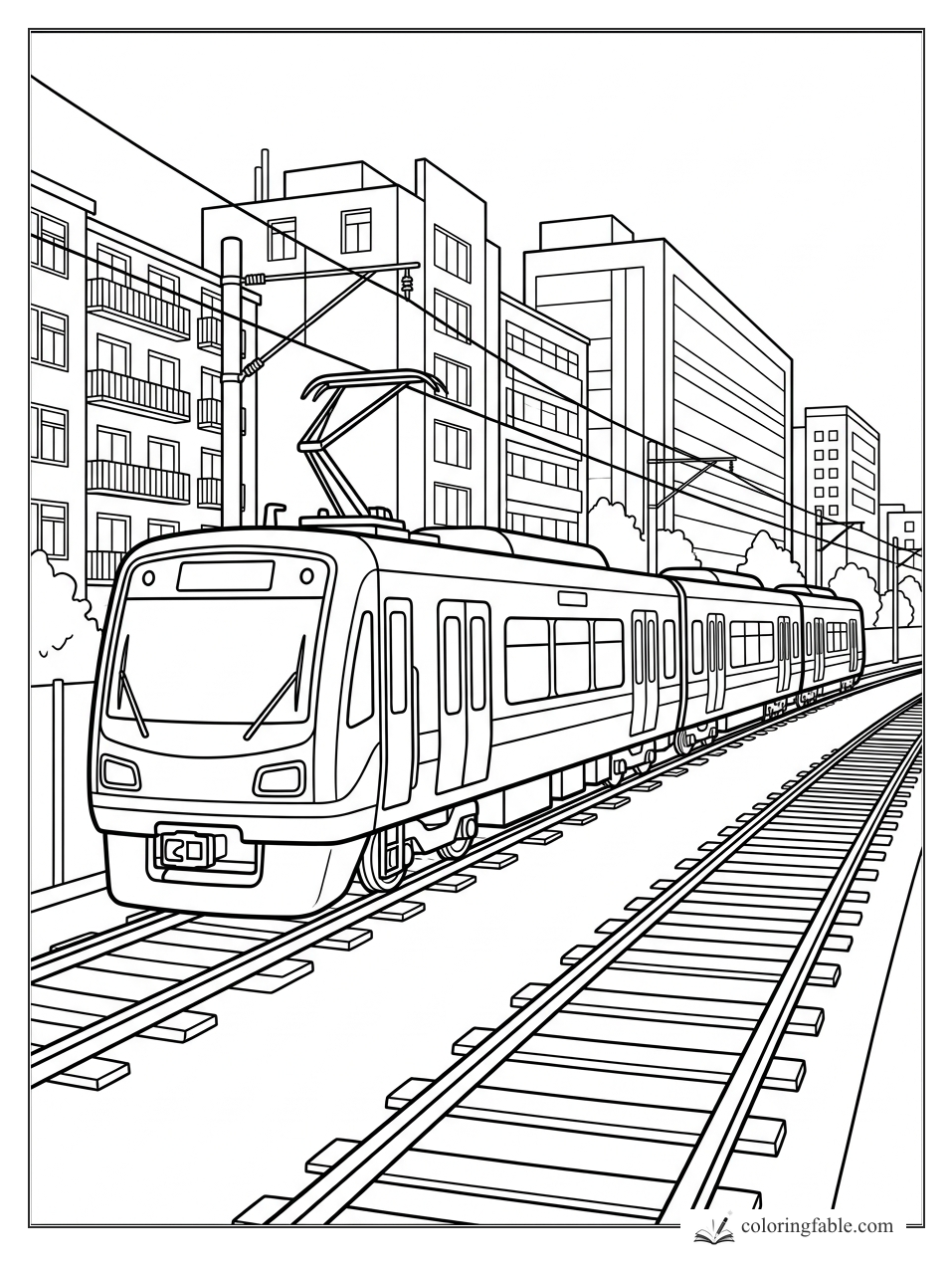
Before the first morning bell, Arlo hurried along the city viaduct with a warm copper strip tucked under his coat. He meant to hide it before the inspector found his mistake; the strip was too springy for door trim and sang a tiny hum whenever the wind touched it. Below, bakeries breathed out yeast and sugar. Above, the power wires crossed the rooftops like black threads in a secret map.
At the curve beside the tall apartment balconies, a stranger in a soot-dark cap stepped from the maintenance ladder. No badge, no lantern—only silver gloves and eyes bright as trolley sparks. “That piece is waiting for a better place,” she said. Then the morning current snapped off. Every train below sat still, full of sleepy riders, while a cold blue silence spread between the rails.
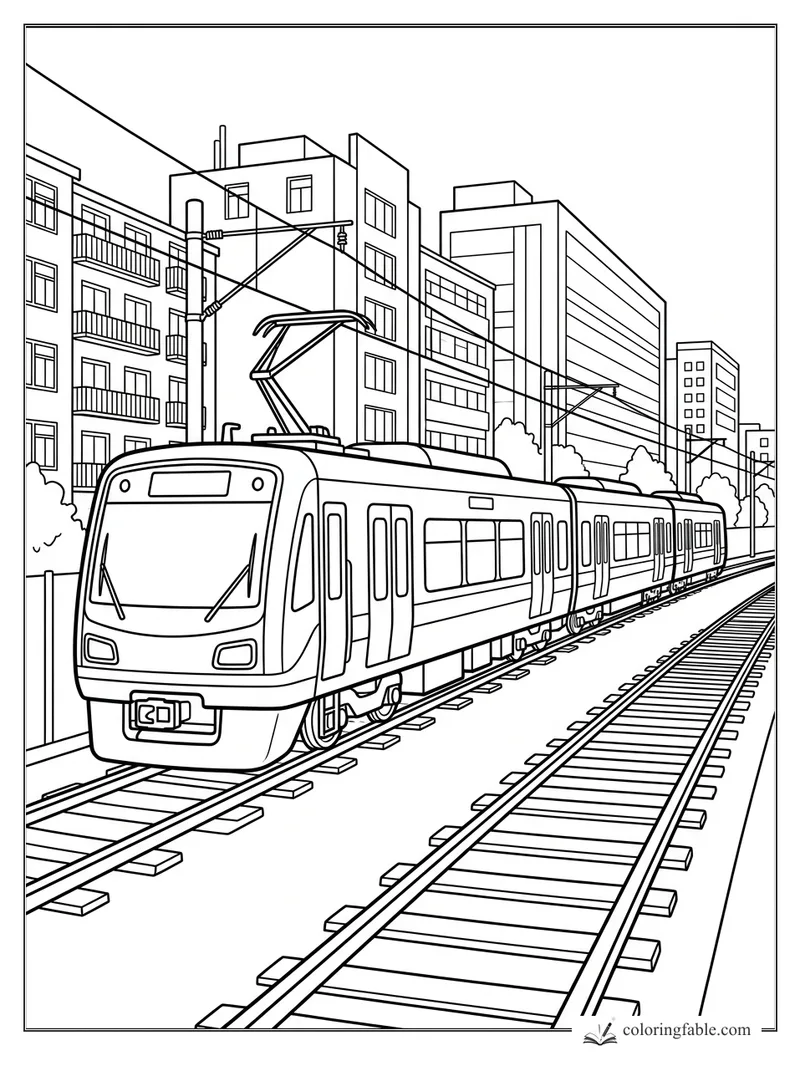
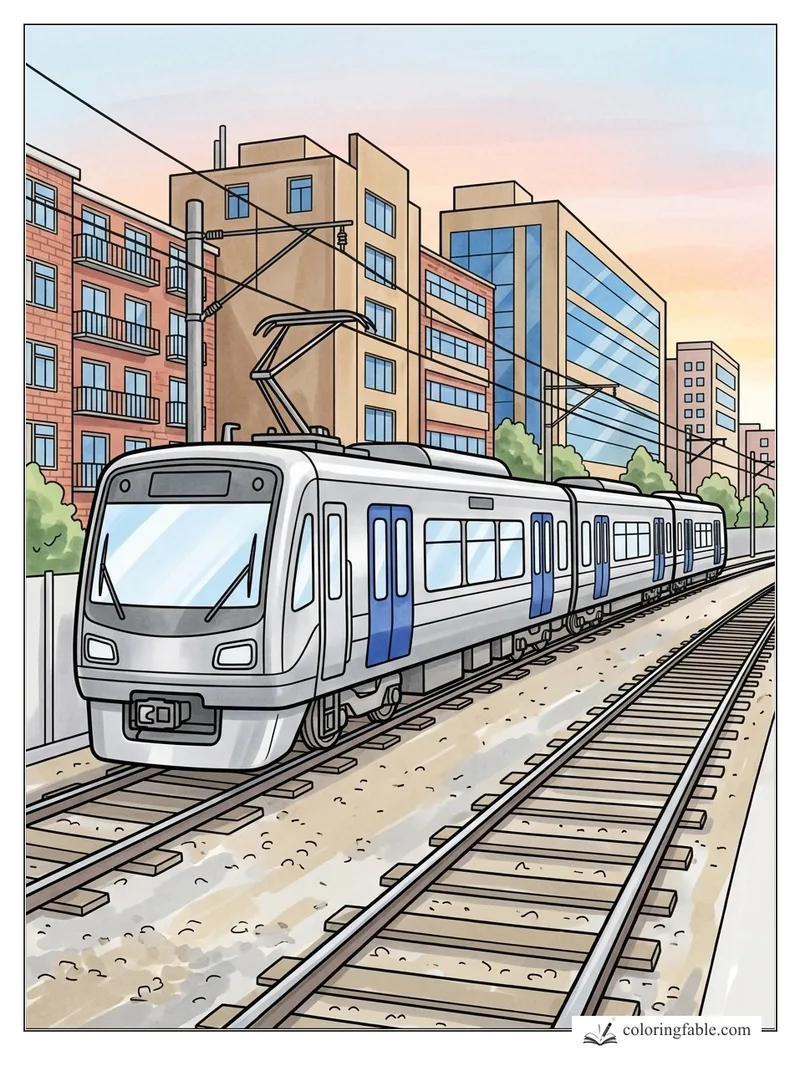
Arlo climbed onto the lead car and fastened his copper strip to the roof arm, bending it gently until it bowed up and kissed the wire. Light ran through the train with a shiver. The stranger was gone, but a silver glove print glowed on the metal. Ever since, city trains carry a bowed arm to reach the overhead lines—and if you spot the curve above this train, maybe Arlo’s secret hum is still caught there.