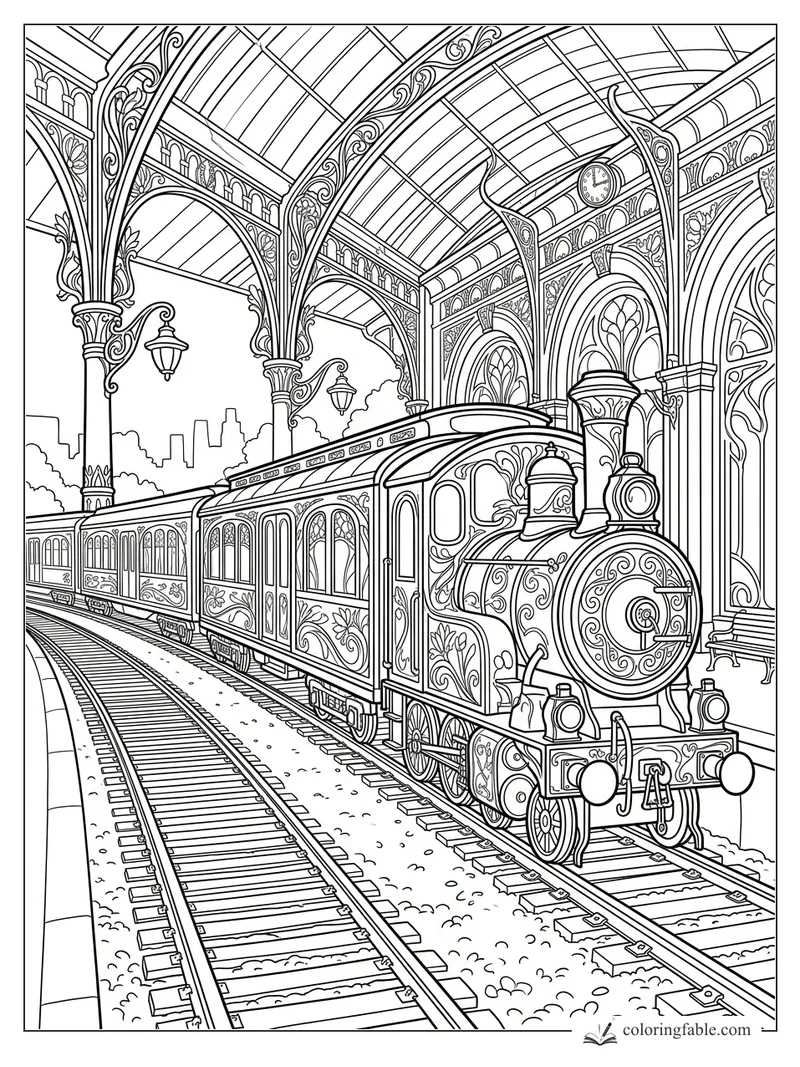
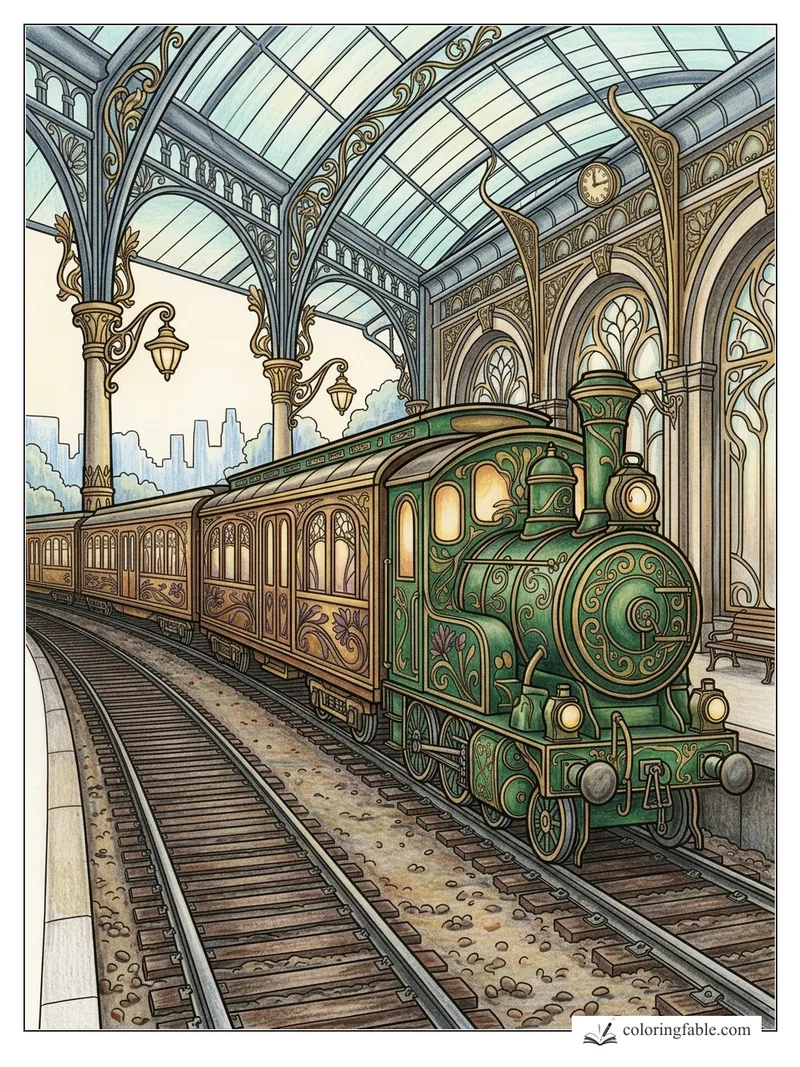
The Game of Brass Lines — Under the glass vault, Larkin snapped the last brass tile into his homemade board and listened to the station wake: wheels ticking, lamps humming, steam breathing like hot linen. Read the full story →
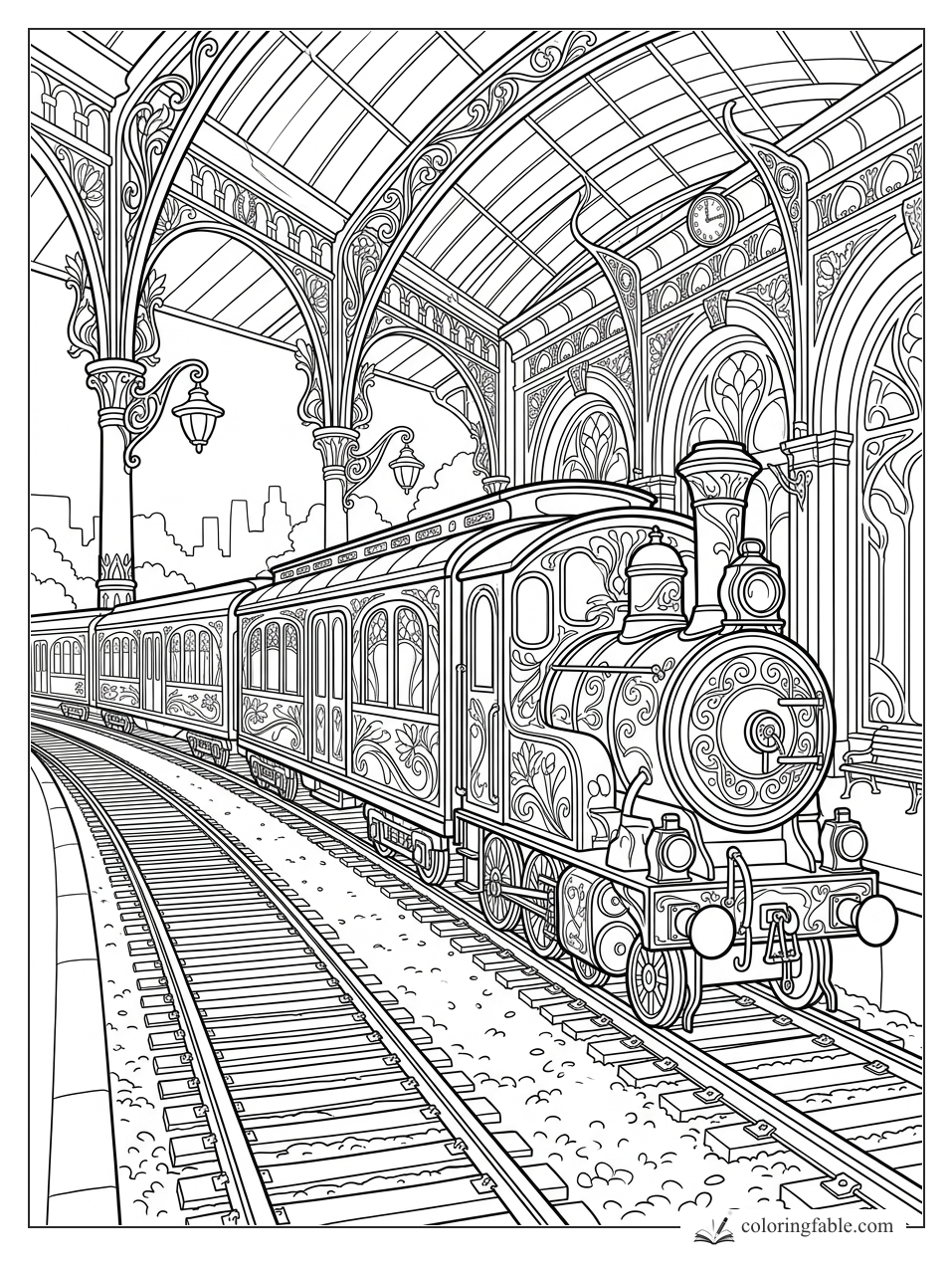
Under the glass vault, Larkin snapped the last brass tile into his homemade board and listened to the station wake: wheels ticking, lamps humming, steam breathing like hot linen. He had invented a game called Brass Lines, played by sliding little track pieces until an imaginary engine could cross the whole terminal without lifting its wheels. Each curve fit because his own hands had filed it smooth.
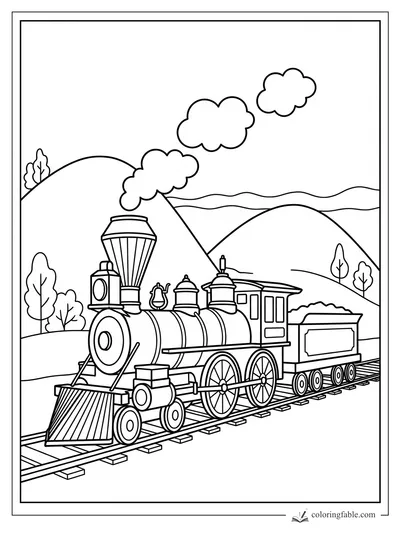
He carried the board along the platform, matching tile to rail, arch to arch, scroll to scroll. The game grew faster. A left bend answered a roof rib; a straightaway echoed the lamp posts; a tight curve copied the track that swung beside the waiting locomotive. Larkin grinned, smelling oil, coal dust, and new varnish on his fingertips.
Then the station clock chimed—not the hour, but his pattern. Long, short, short, long: the exact route his tiles had made. From high above, its hands had been tracing the same journey in silence, a second player with a round face and no pockets.
Larkin set his board on a bench and bowed to the clock. The train sighed forward, the rails shone, and his small brass lines joined the great ones under the glass vault.