Airplane coloring pages for jets, prop planes, and airport scenes
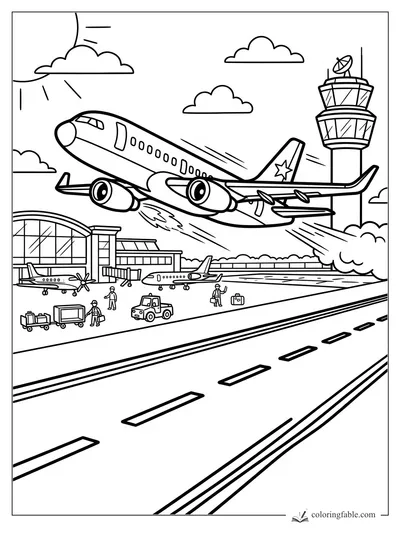
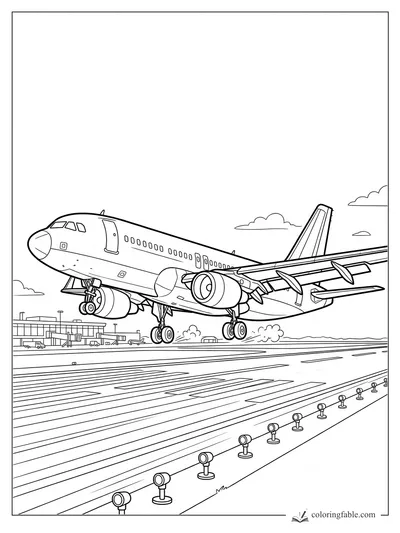
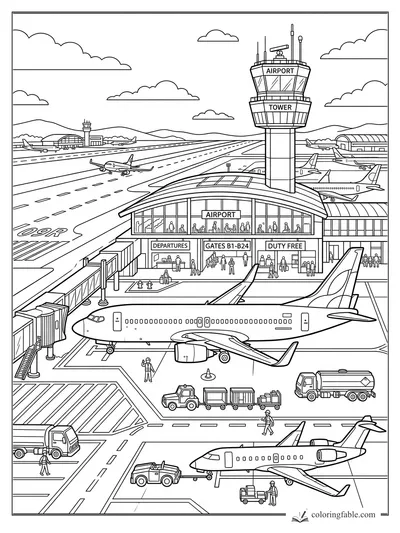
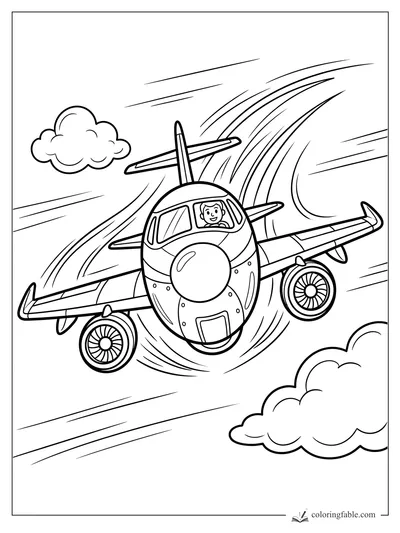
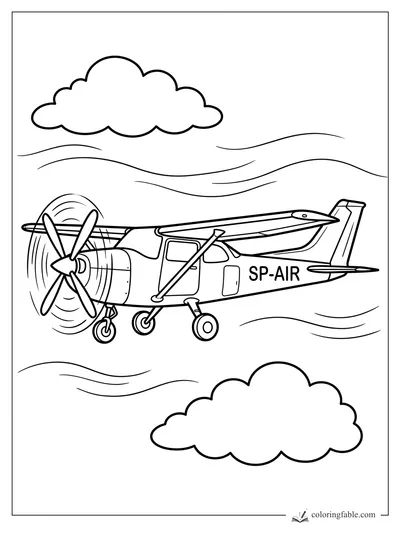
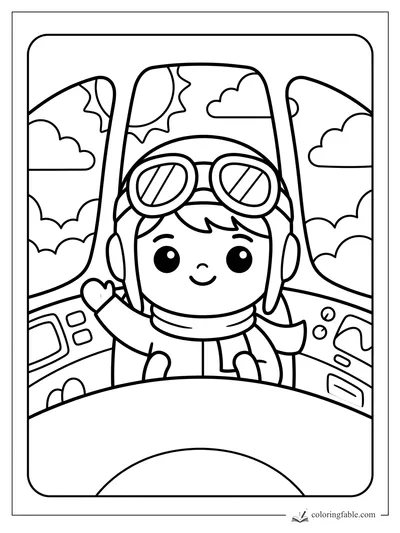
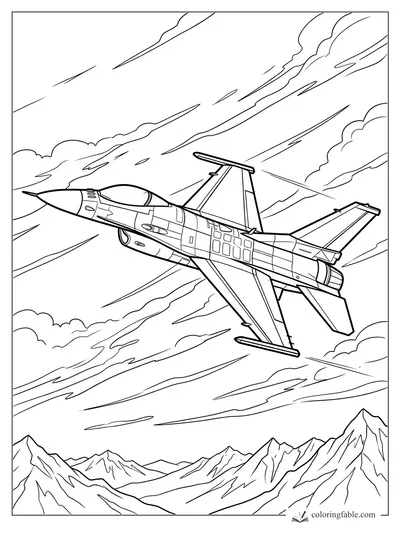
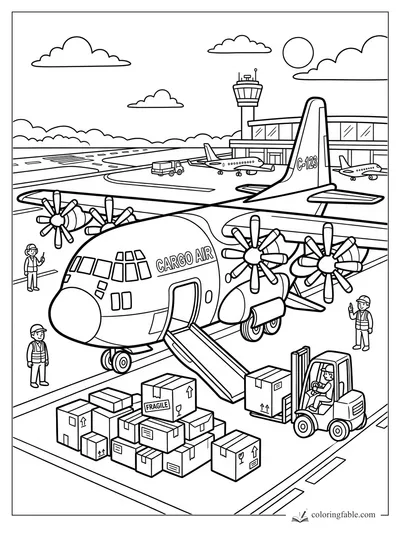
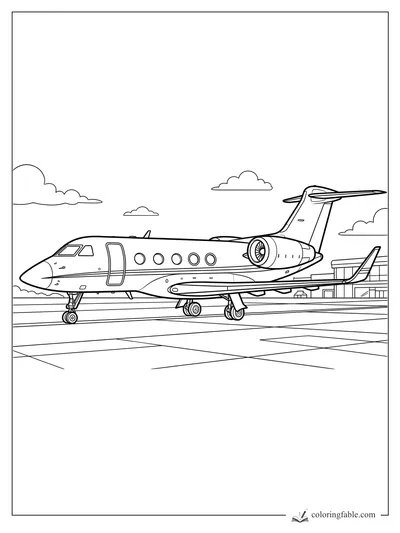
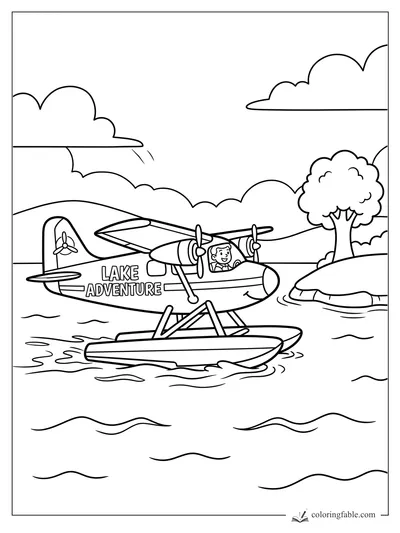
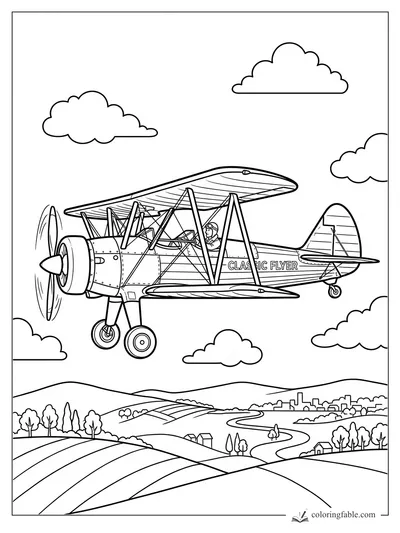
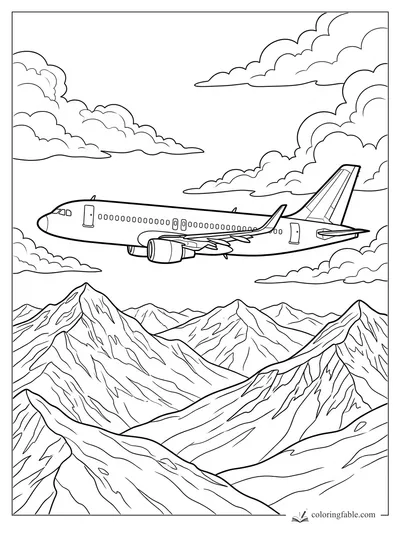
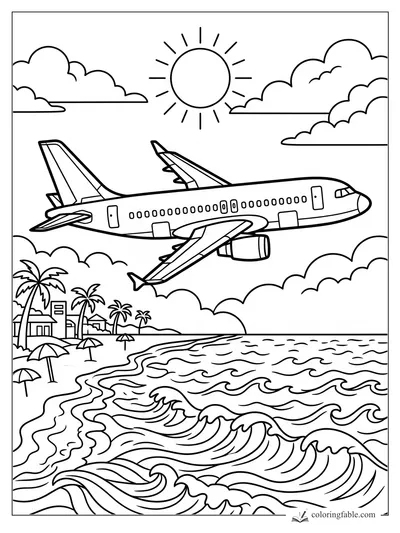
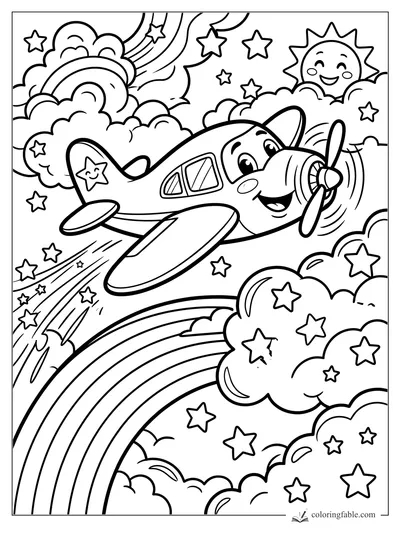
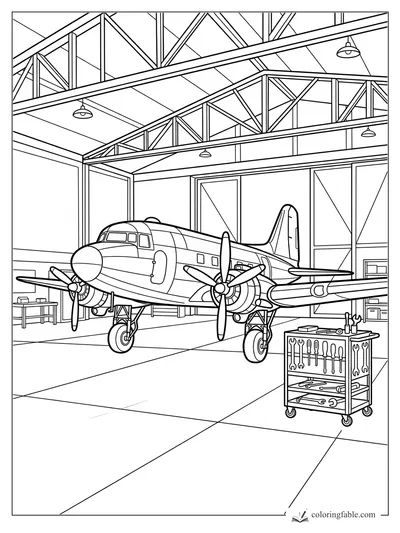
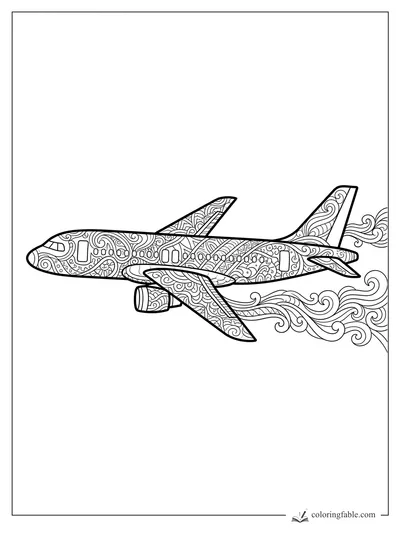
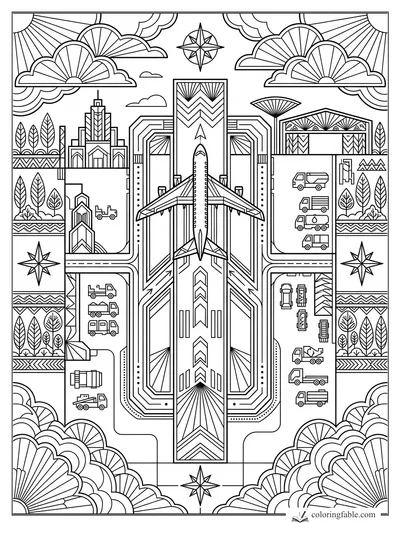
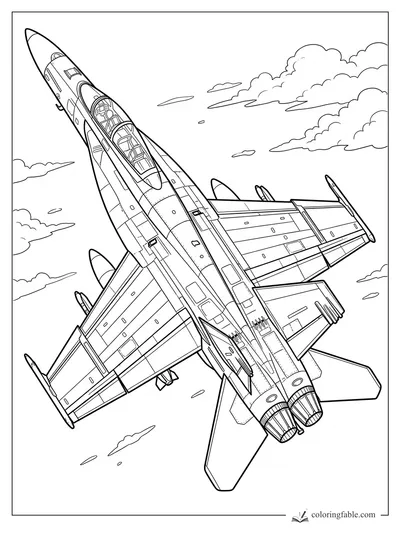
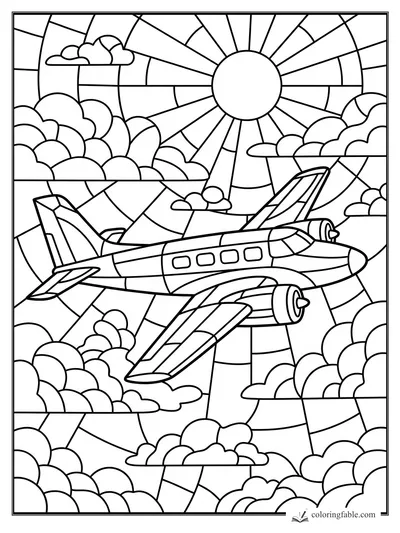
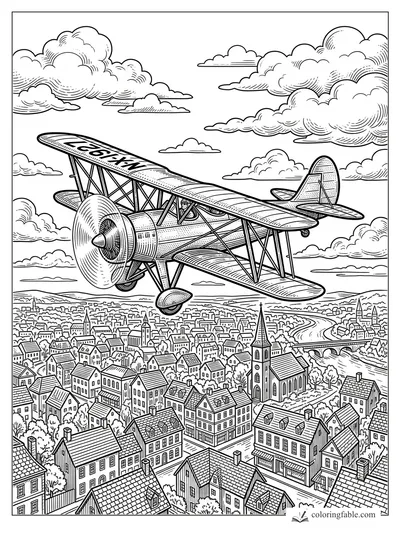
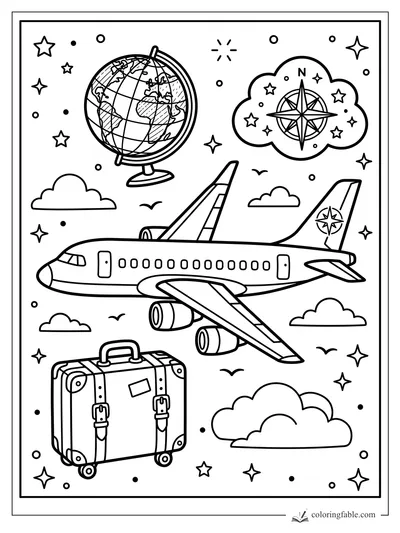
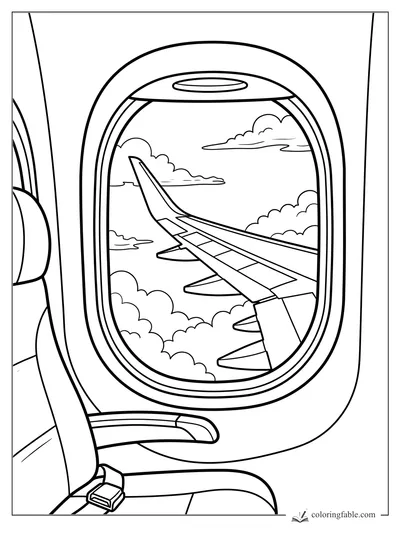
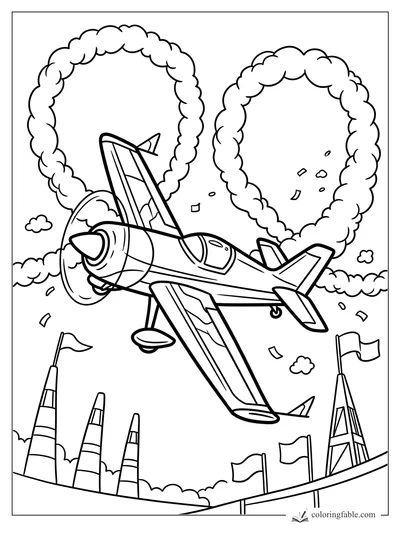
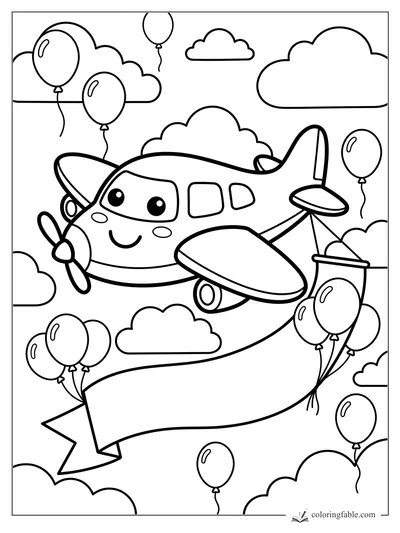
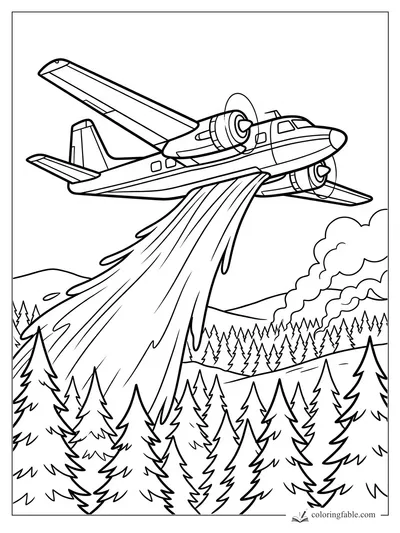
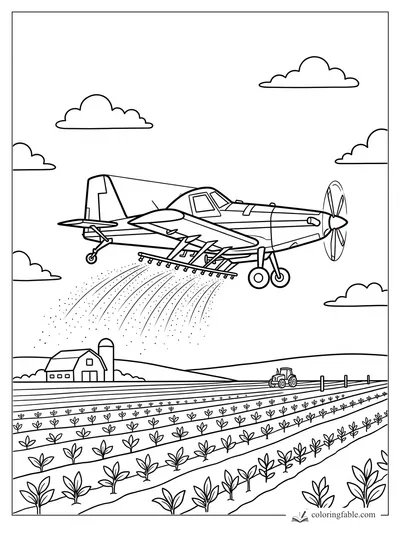
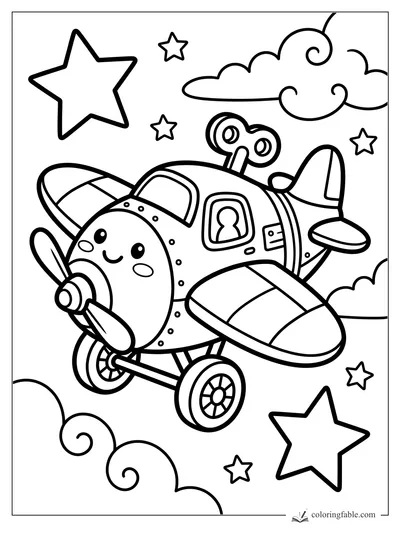
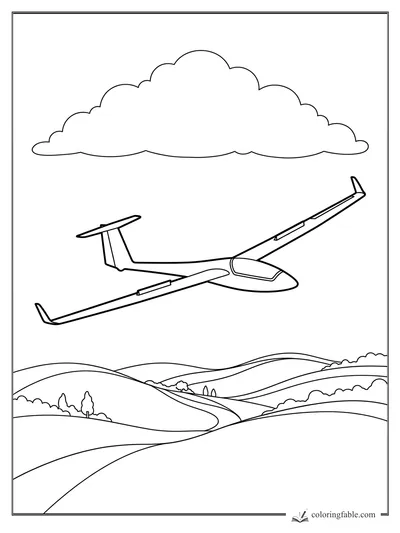
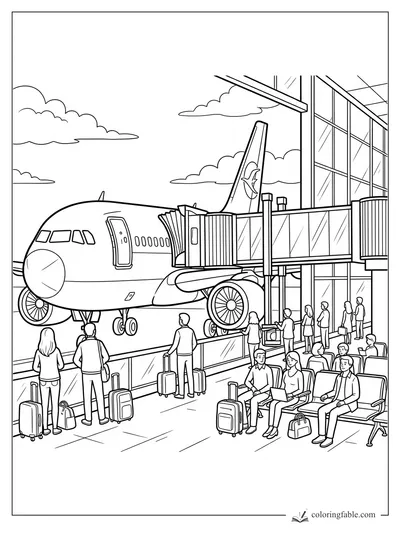
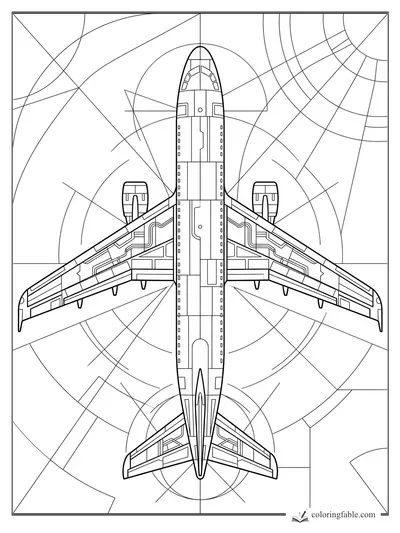
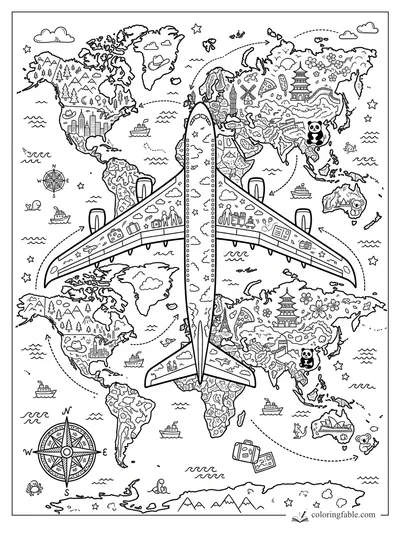
Inside this airplane collection, kids can color passenger jets climbing through clouds, small propeller planes, cockpit views, runway takeoffs, airport ground crews, and cheerful cartoon aircraft. Some pages use big, open shapes for preschoolers learning to stay inside a wing or window; others add landing gear, engines, tail markings, and city skylines for older kids who like detail. Vehicle-loving families, teachers planning a transportation unit, and young aviation fans will find pages that work for quick crayons, careful colored-pencil shading, or a rainy-day stack of printable airport scenes.
🔢 15 of these also exist as airplane color by number.
Airplane pages by style, mood and season
Fun facts to share while coloring
The Wright brothers made the first powered, controlled airplane flight near Kitty Hawk, North Carolina, on December 17, 1903; Orville’s first try lasted 12 seconds and traveled 120 feet. Airplane wings are shaped and angled to help create lift as air moves around them, while flaps on the wings can extend to help a plane take off and land at slower speeds. Jet airliners use engines that pull in air, compress it, mix it with fuel, and push hot exhaust backward to move the plane forward. Many commercial flights cruise high above weather, often around 30,000 to 40,000 feet. The tail’s vertical fin helps keep an airplane pointed in the right direction.
Coloring tips
Start with an airplane palette: bright white or silver for the fuselage, dark blue or black for cockpit windows, red or navy stripes along the sides, gray for wings and engines, black tires, yellow runway lines, and pale blue sky. Long, smooth strokes work well on the body and wings; shade a little darker under the wings, engines, and landing gear to make the plane look solid. For propeller planes, use soft gray arcs around the propeller to show motion. A fun aviation twist is to invent an airline: add a tail logo, a flight number, tiny destination names near the door, or a sunset route map curving behind the airplane.
📕 Prefer it as a book?
TheAirplane Coloring Book: 20 pages hand-picked from this catalog, ordered from easy to intricate, with a personalized cover. One free PDF.