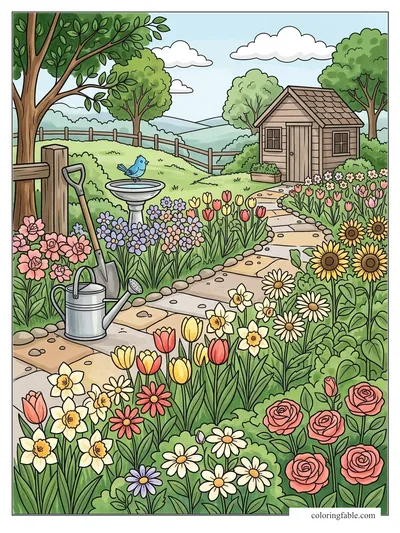
Why Paths Keep Pebbles — Before sunrise, a tulip named Liora dared herself to follow the smallest sound in the cottage garden. Read the full story →
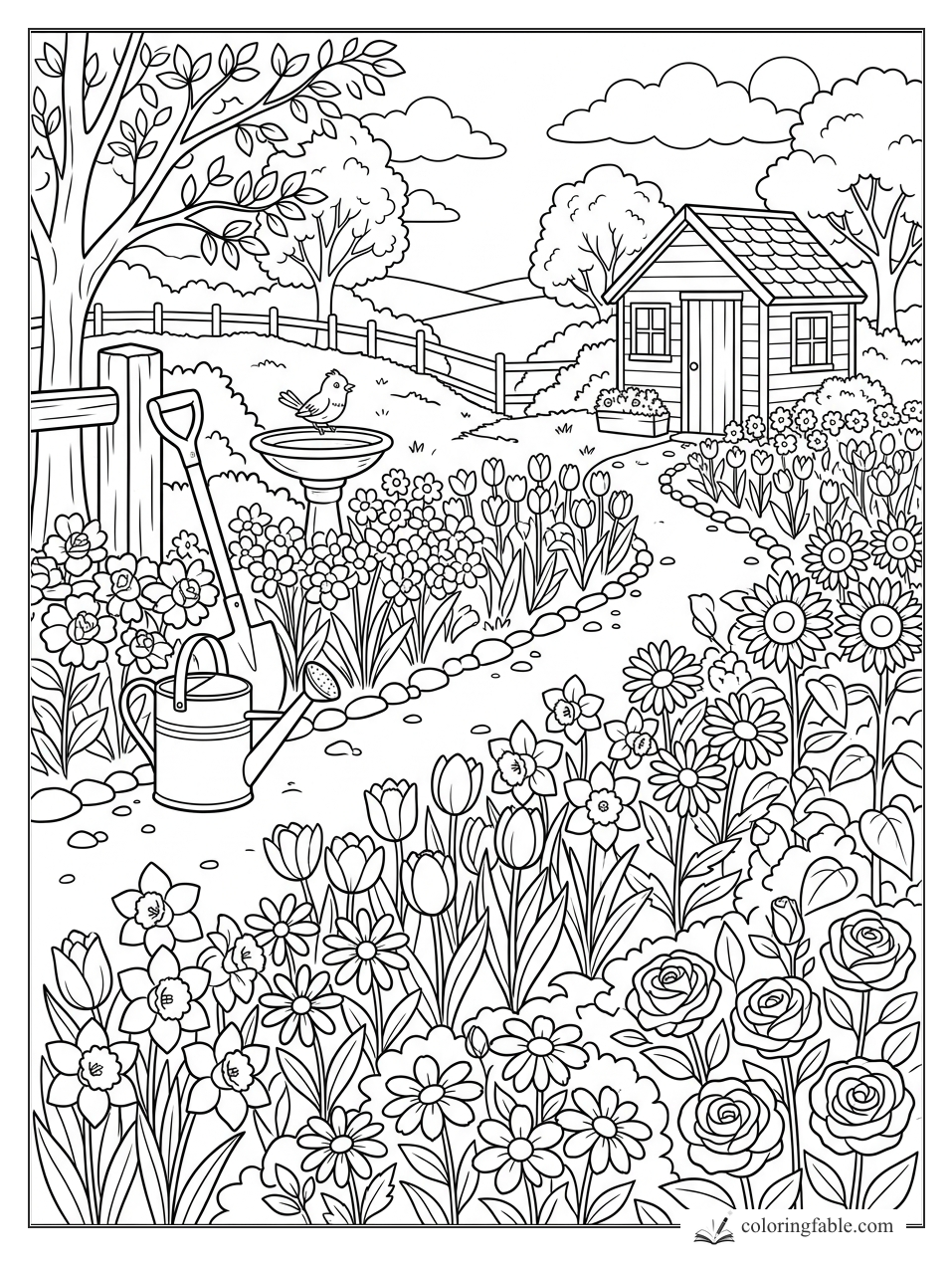
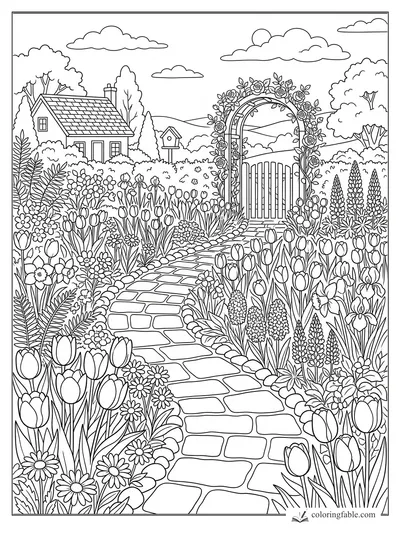
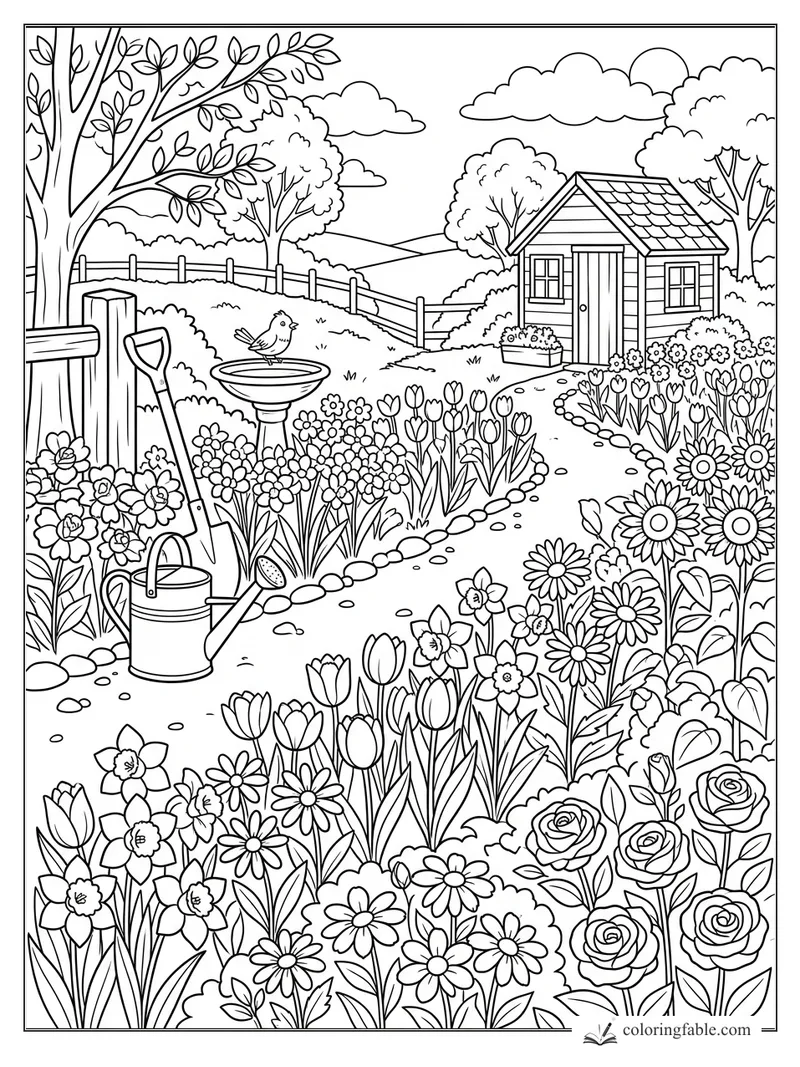
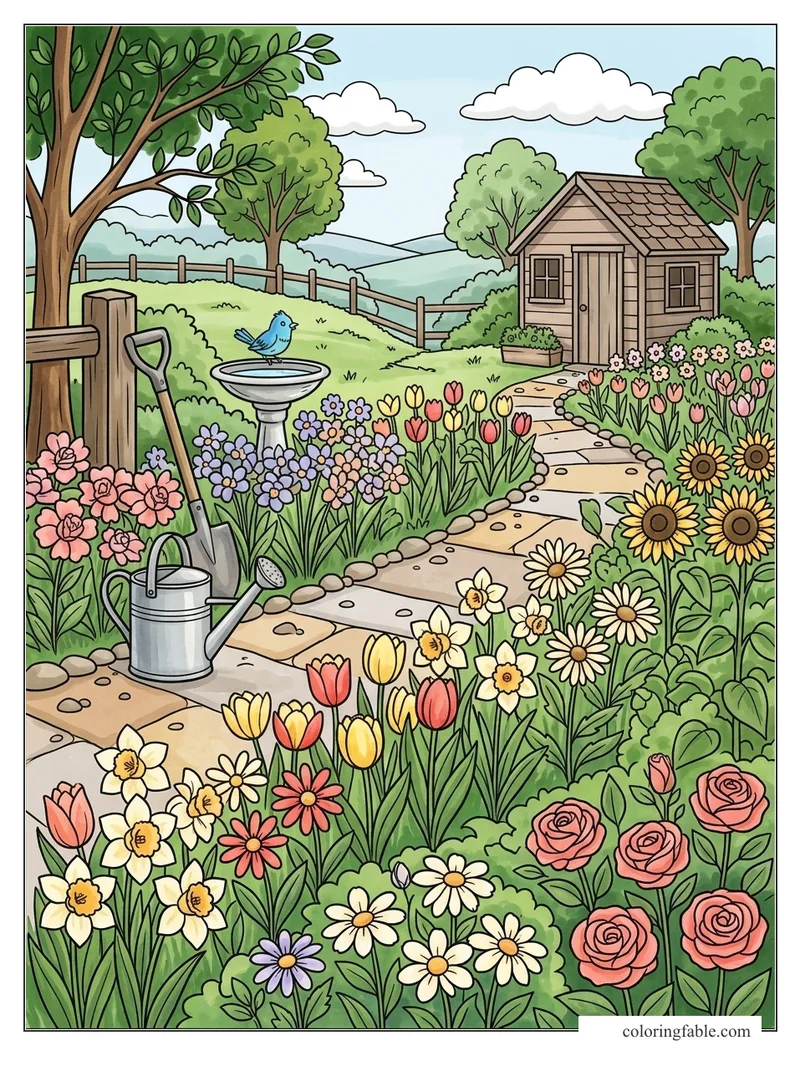
Before sunrise, a tulip named Liora dared herself to follow the smallest sound in the cottage garden. Not the shovel’s scrape by the fence, not the drip from the watering can, not even the robin’s chirrup on the cold birdbath rim. She wanted the sound no flower had named: a tiny clink-clink that came from under the path whenever mist silvered the leaves.
Liora leaned until her red cup nearly brushed the dirt. “One more clue,” she whispered. The clink answered from beneath a loose stone near the shed. With a careful push of her leaf, she rolled it aside. Underneath lay a thread of moonlit water, running secretly from root to root. But without the stone, the water spilled too wide, and the daisies shivered as their feet went suddenly soggy.
The robin hopped down and tapped the stone back into place. Clink. The hidden stream tucked itself neatly along the path, feeding each bed without flooding any bloom. Ever since, garden paths have kept pebble borders, not just for walking, but to hold the secret water in line. Next time you spot the little stones beside the flowers, listen for Liora’s clink-clink under the path.