Why Crystal Moons Wait — Between the tick of dripping stone and the faint sugar smell of quartz dust, Selka invented a game she called Moon-Shadow. Read the full story →
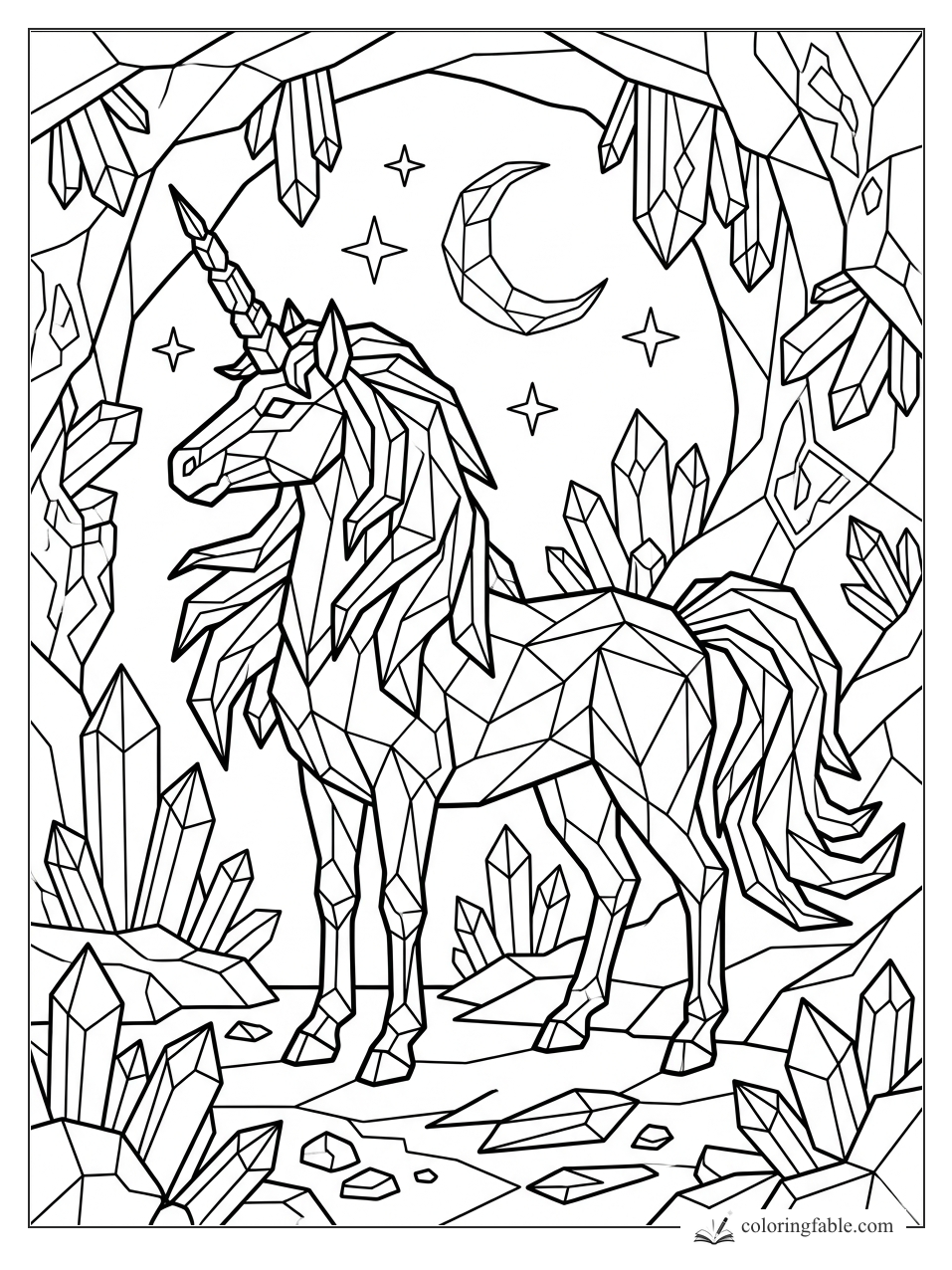
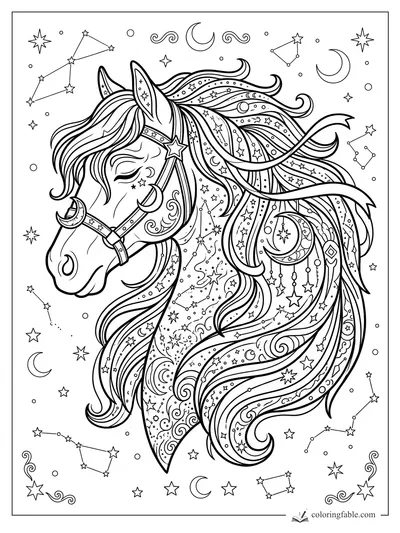
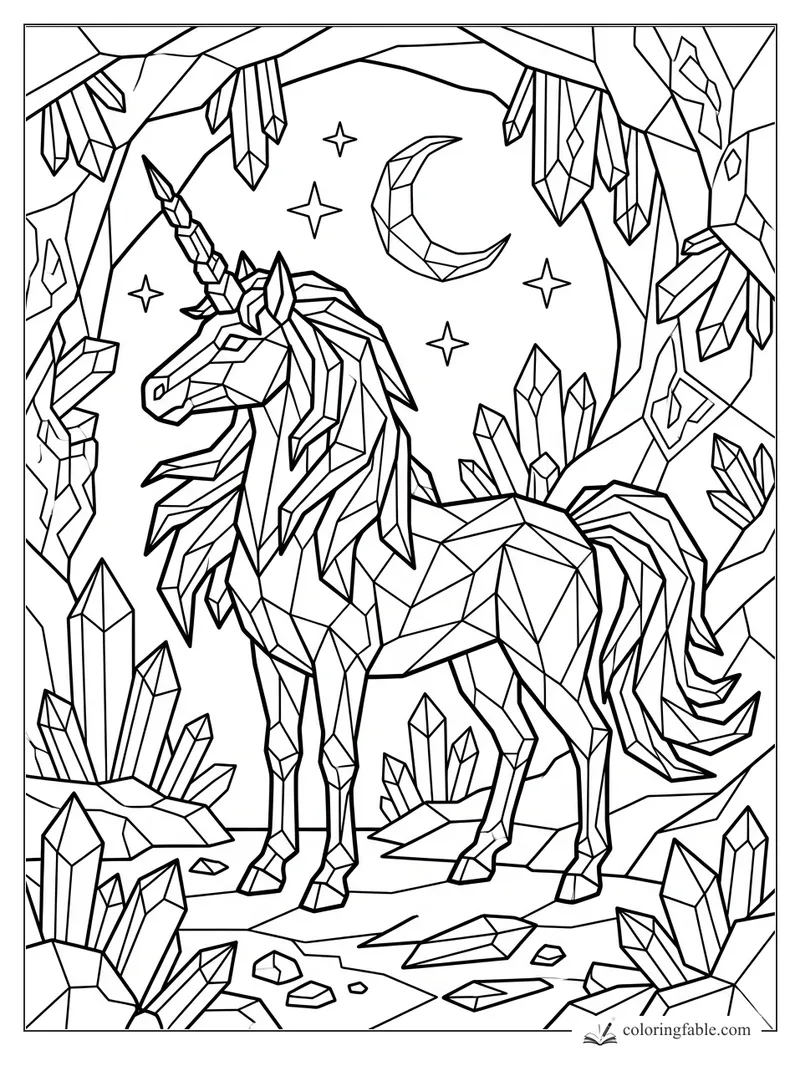
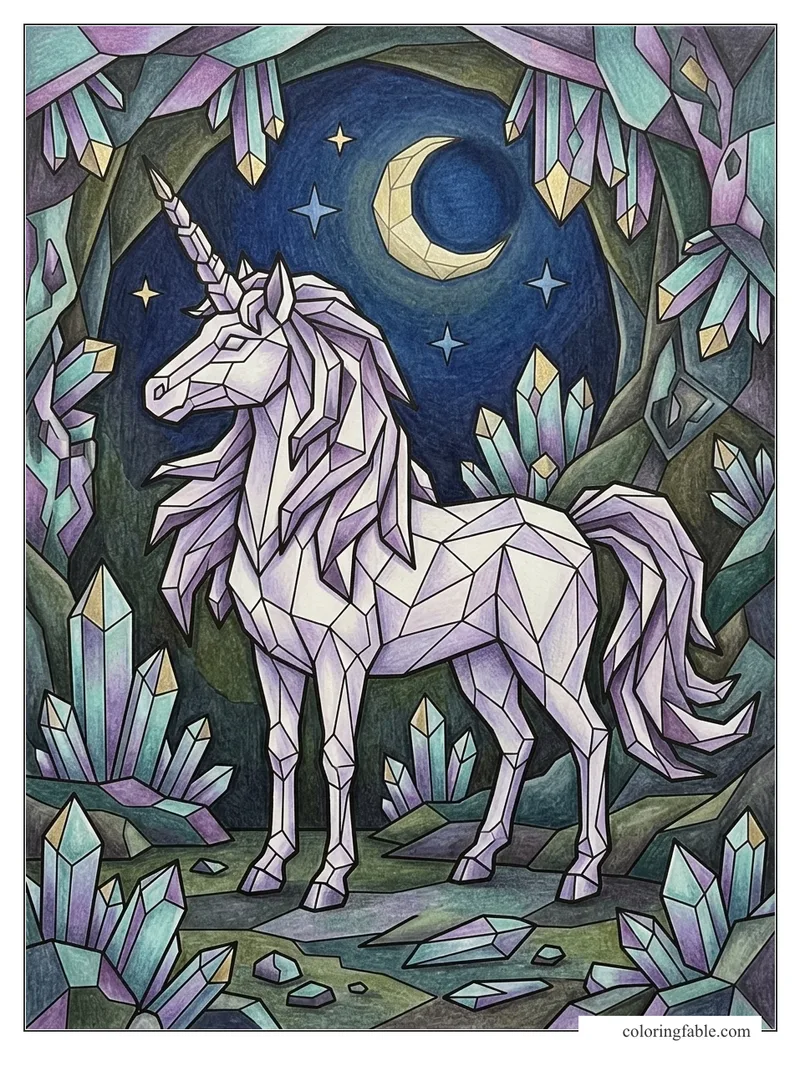
Between the tick of dripping stone and the faint sugar smell of quartz dust, Selka invented a game she called Moon-Shadow. The rule was private enough to fit under her breath: tap one crystal with her horn, then wait until its shadow touched the next. No rushing, no second tap, no pretending the dark had moved. She wanted the high cave to answer before the night outside thinned, but the shadows only crept, thin and stubborn, across the floor.
A bat clicked once from the ceiling. “Still?” it whispered. Selka kept her hooves planted though her knees ached and the cold came up through the stone like water. At last the crescent overhead caught the first beam of dawn and held it, not shining brightly, but saving a sliver of night inside its edges. Every crystal below answered in order, one after another, exactly as her game had promised. So crystal moons learned to wait before they glow, and ever since, if you find one in a quiet cavern, you can trust it is keeping the last patient light.