Why Gardens Know Their Place — The hill garden arrived only on windless evenings, smelling of mint stems and damp stone. Read the full story →
The hill garden arrived only on windless evenings, smelling of mint stems and damp stone. Bren came with a plain wooden comb in his pocket, its teeth worn smooth by his mother’s hand, and tried to catch one sound from the place before it folded itself away: the hush of leaf over leaf, the soft click of seedpods, the far sigh of clouds turning in their sleep.
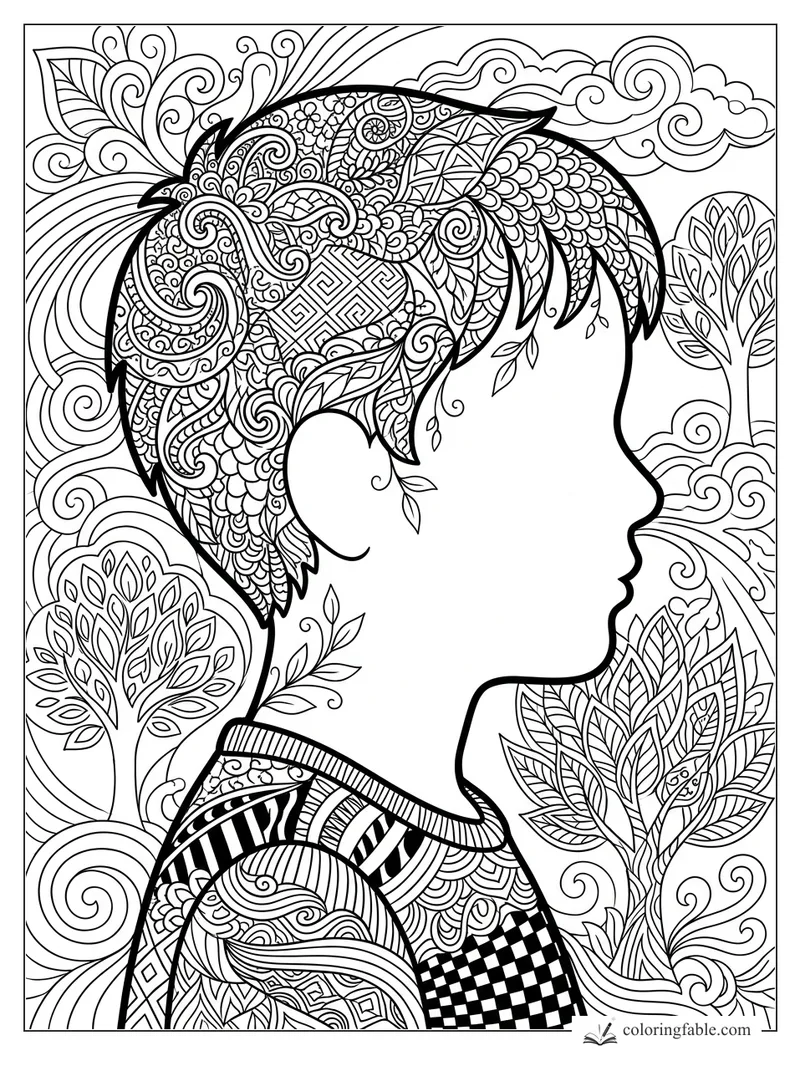
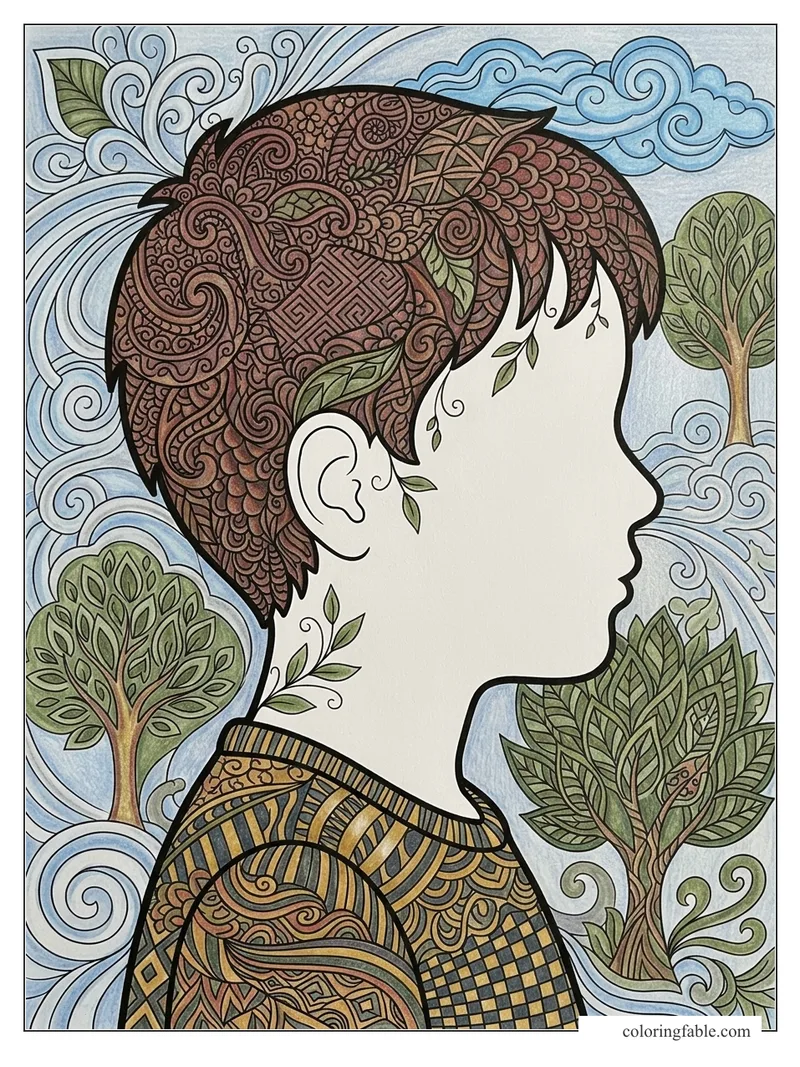
At the highest path, the wind returned. It lifted the trees first, then the flower beds, then the small round clouds above them, all loosening like threads from cloth. Bren pressed the comb to his hair, not to hold the garden down, but to give it somewhere gentle to rest. “Here,” he whispered.
The comb warmed. A curl became a vine, a part became a path, and every stray lock found the shape it had been waiting for. Since that evening, gardens have known where they belong: some in soil, some in clouds, and some in the quiet patterns a person carries home.