Why Lanterns Wait in Trees — At Cedar Hollow, one small challenge kept Arden still: keep the camp lantern glowing until the first owl called. Read the full story →
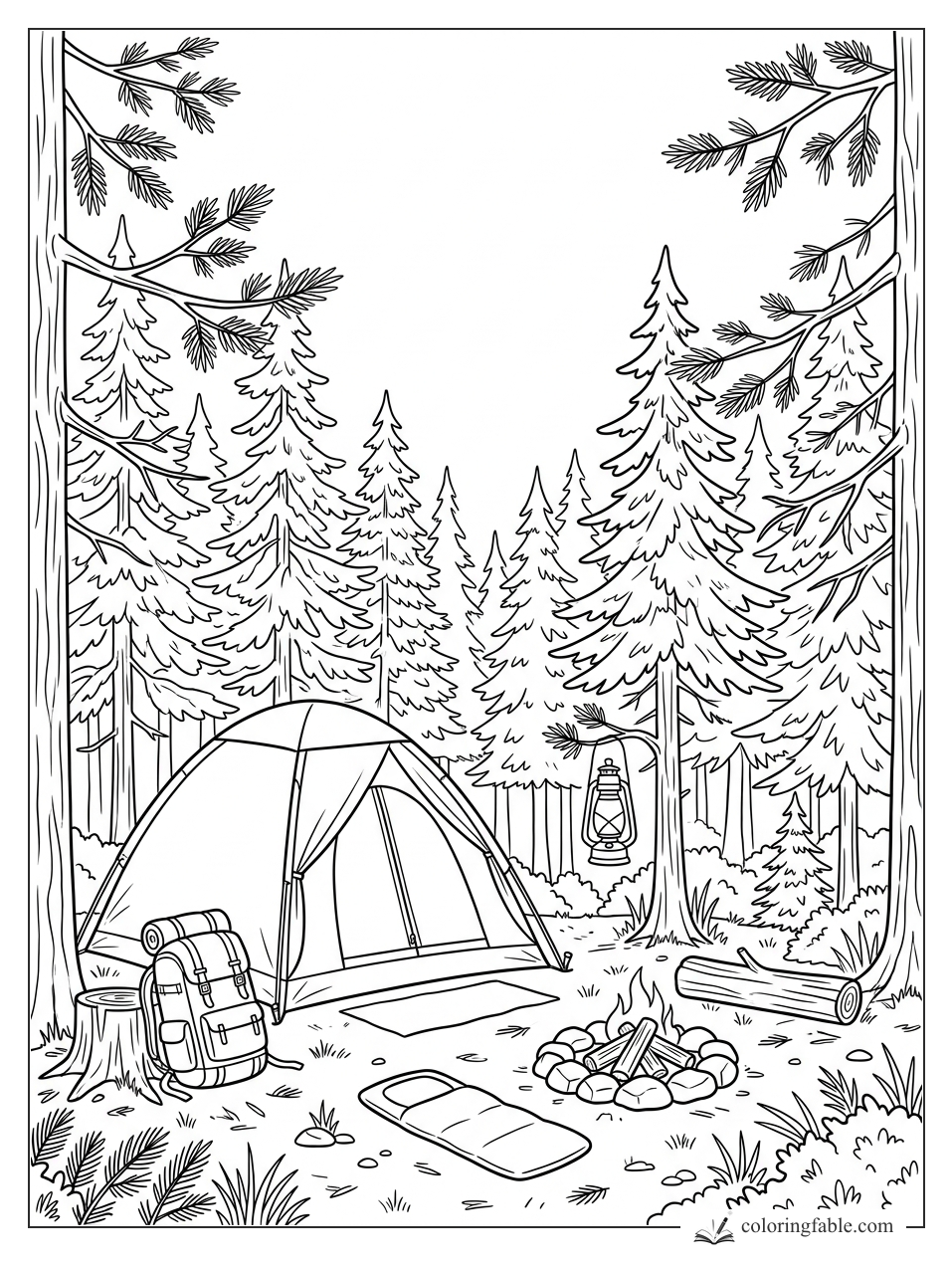
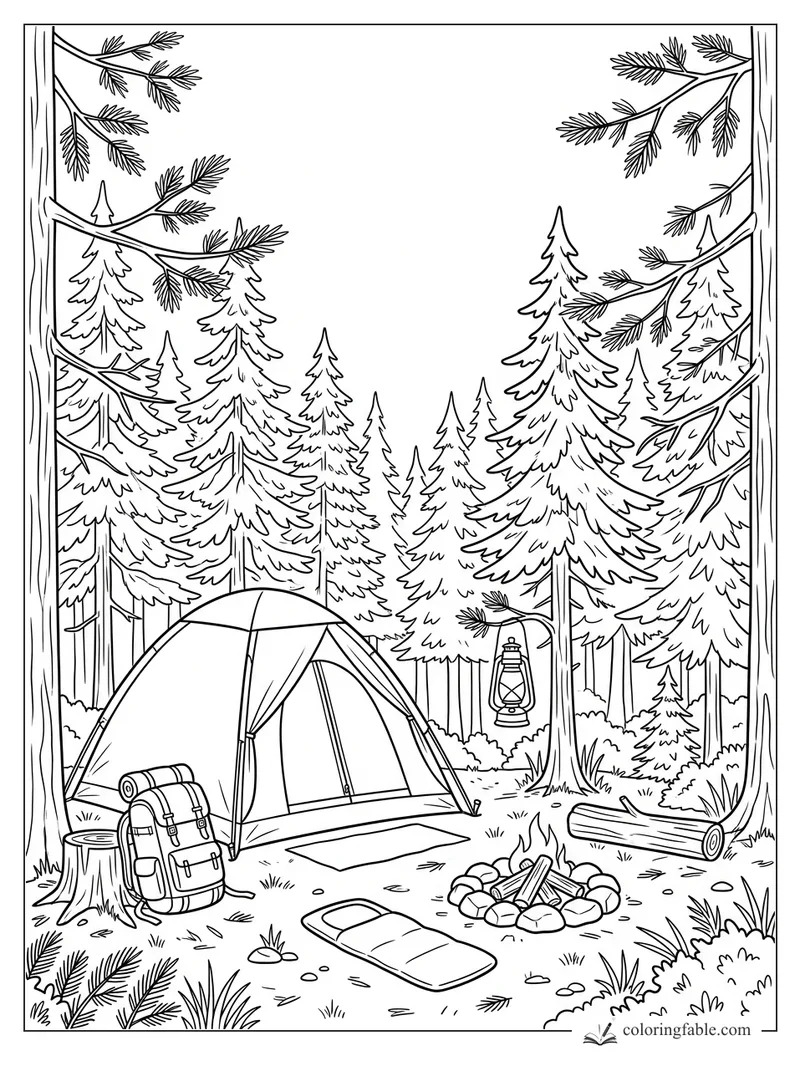
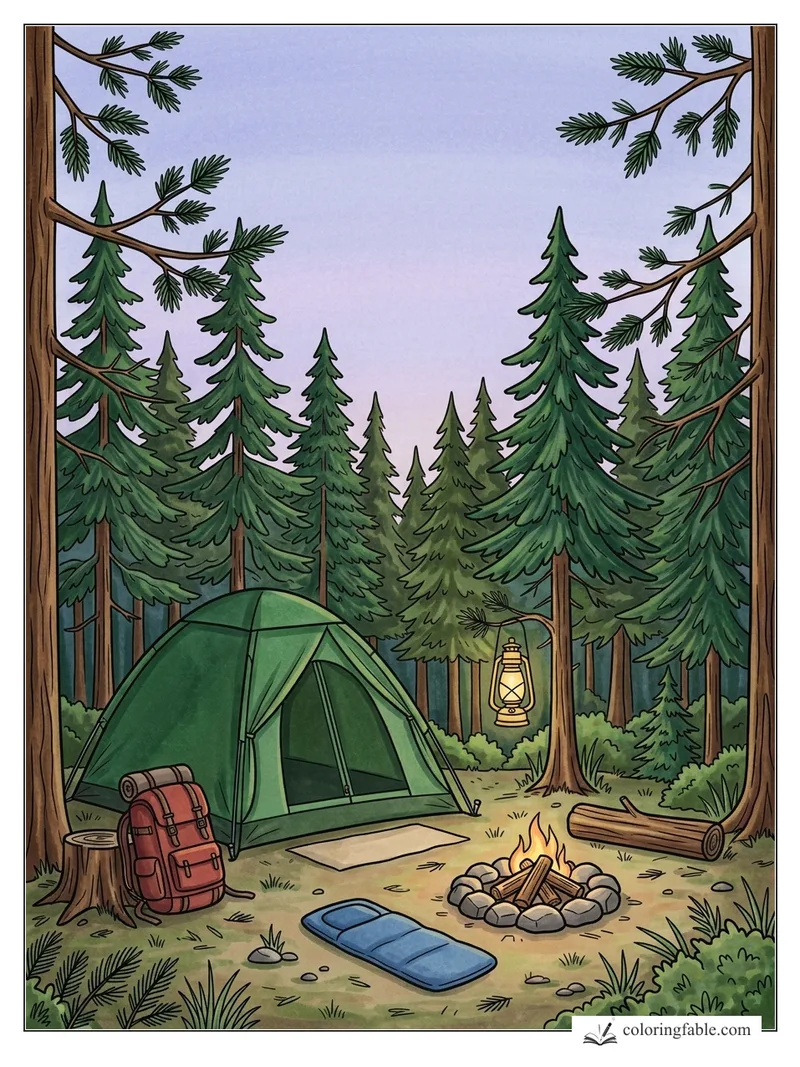
At Cedar Hollow, one small challenge kept Arden still: keep the camp lantern glowing until the first owl called. The air smelled of pine sap and damp moss, and the flame made a soft tick inside its glass. Arden tucked the bedroll straight, nudged the fire stones into place, and sat with both hands in their sleeves, waiting.
Fog slipped between the trunks like wool. On the ground, the lantern’s light puddled low and thin, hiding under ferns and backpack straps. A field mouse squeaked from somewhere dark. Arden lifted the lantern onto a bent pine branch, just to see farther. At once, the glow reached the tent door, the stump, the log, and the quiet path beyond. “There you are,” Arden whispered.
Then the owl called—whoo, slow and silver—and every needle seemed to hold a bit of gold. From that night on, lanterns in Cedar Hollow were hung in trees, not because they were tired of the ground, but because patient light travels farther when it waits up high. Next time you spot that hanging lantern, can you see the first owl’s silver hush?