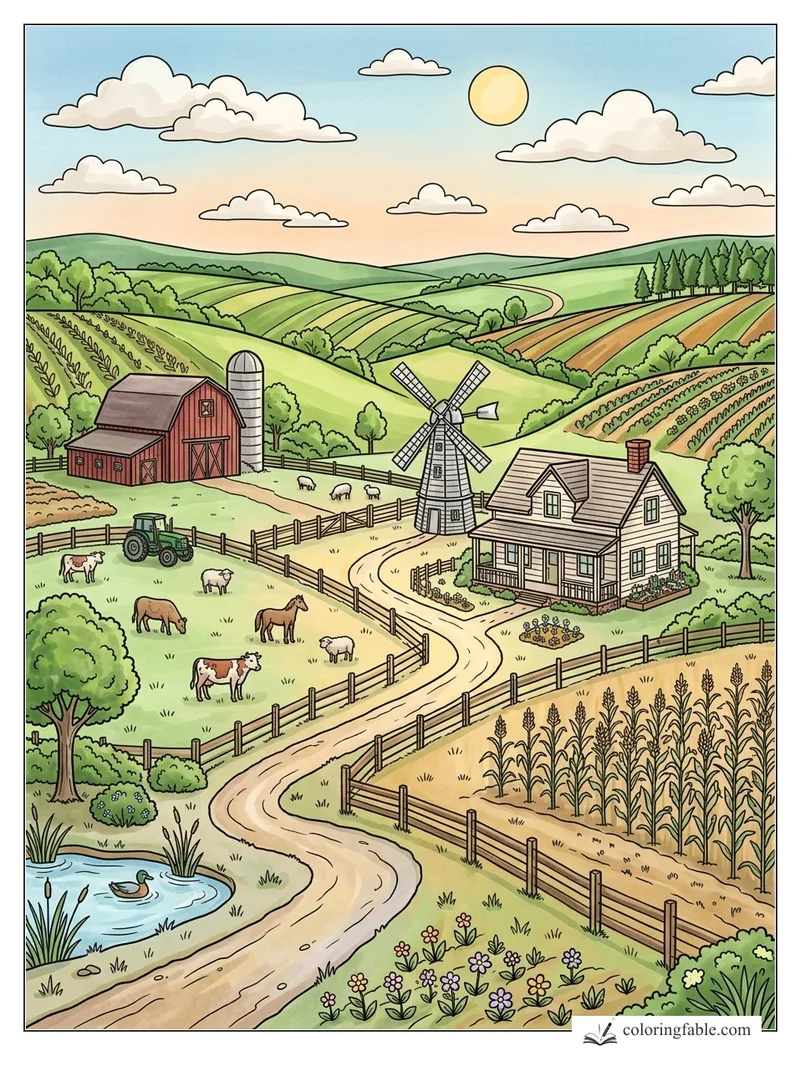
The Tail That Found Wind — By the mill yard, shavings curled from Orin’s pocketknife like pale apple peels. Read the full story →
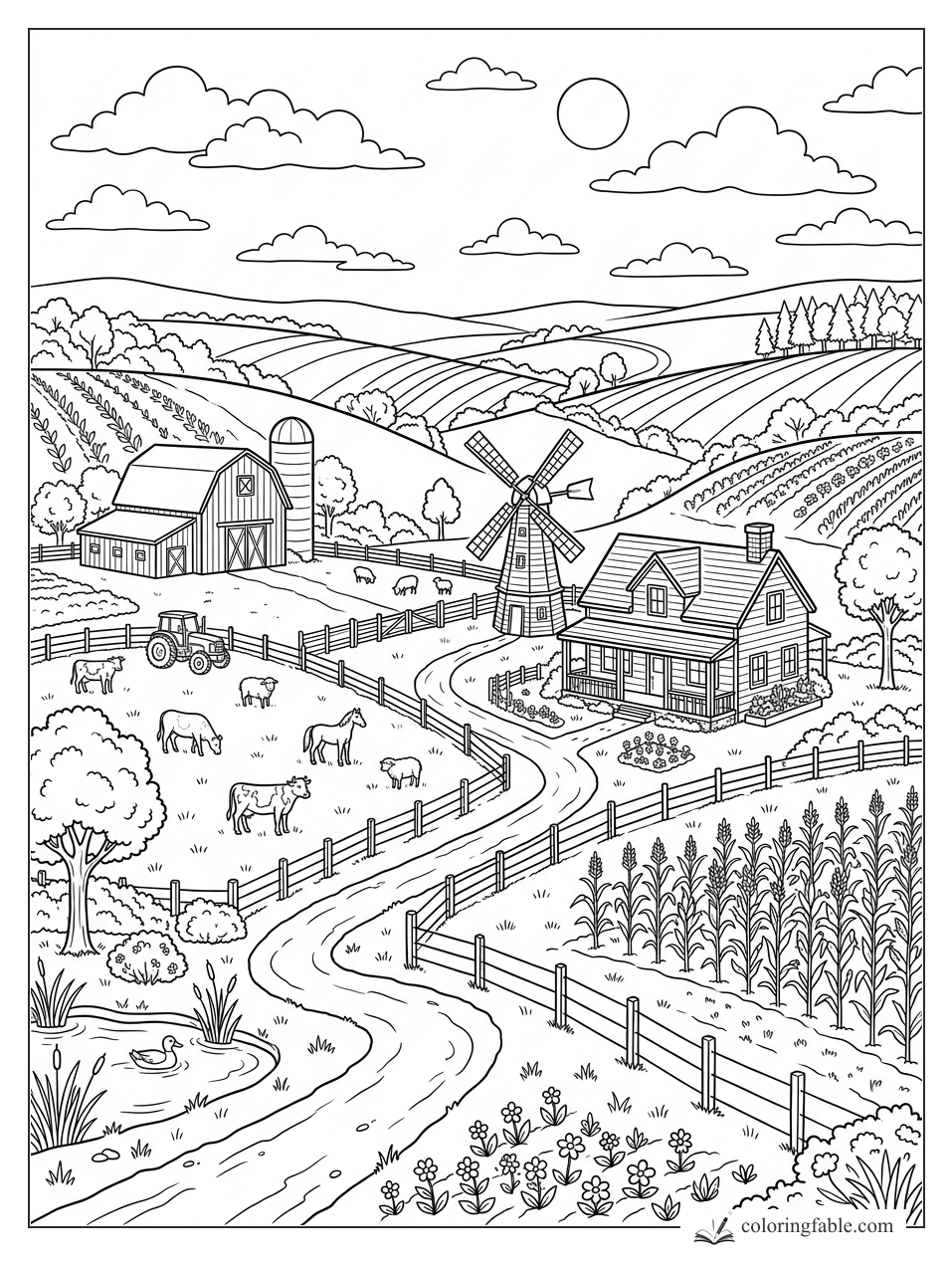
By the mill yard, shavings curled from Orin’s pocketknife like pale apple peels. He had set himself one small challenge: before the evening bell, he would make the windmill a tail with his own hands. The old wheel creaked and turned its face away from every breeze, as if it could not decide where to listen. Orin held up his flat scrap of pine. It smelled sharp and sweet, but the wind only slapped it sideways.
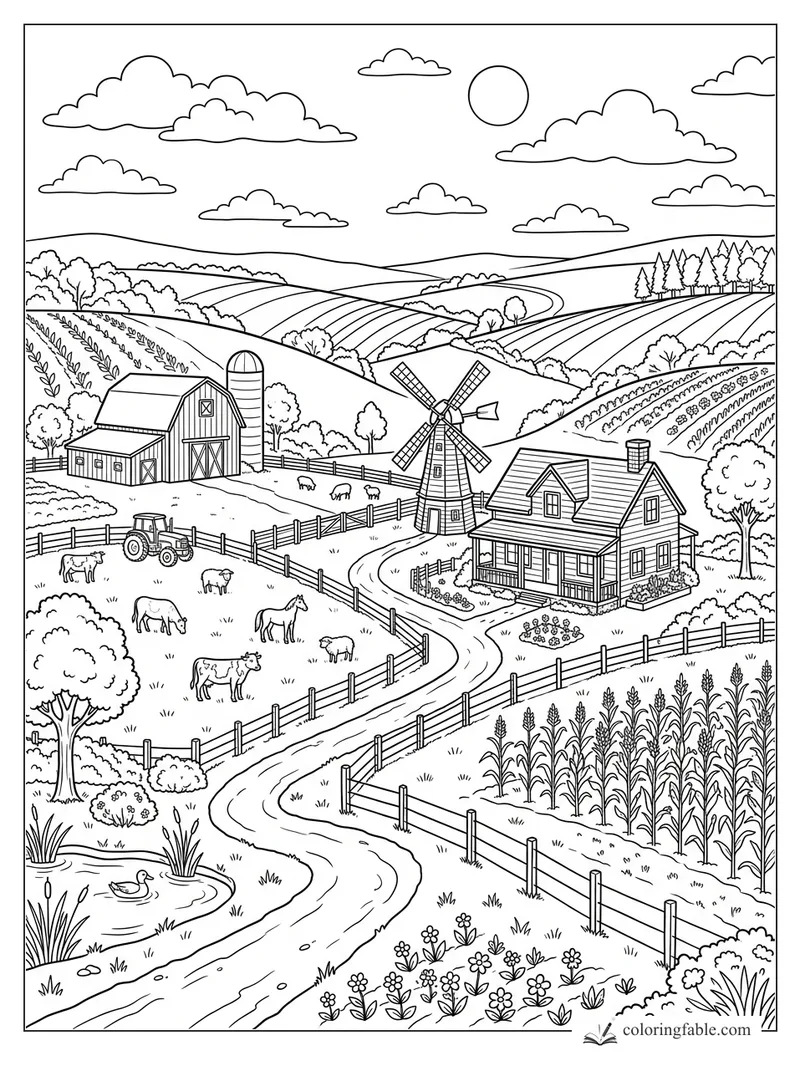
He tried a square tail, then a round one, then one notched like a swallow’s wing. Each time, the vane kicked, wobbled, and sulked. “Hold still, just once,” Orin whispered. Down by the pond, cattails bent all the same way, and the duck’s ripples ran in skinny lines. Orin saw it then: the tail should not fight the wind. It should point and let the wheel follow.
He sanded the pine smooth, tied it on, and climbed down with sawdust in his cuffs. A soft whoosh moved over the fences, the crops, the porch flowers. The tail swung, the wheel faced the breeze, and the mill began its steady wooden song. Ever since, farm windmills have worn tails, because Orin made one that taught them how to listen; next time you see the little tail behind the blades, imagine those pale apple-peel shavings curling in the grass.