

Why Globes Lean Close — Under the two warm lab lamps, Brin slid a chalk crumb along the table and invented Whisper-Mapping. Read the full story →
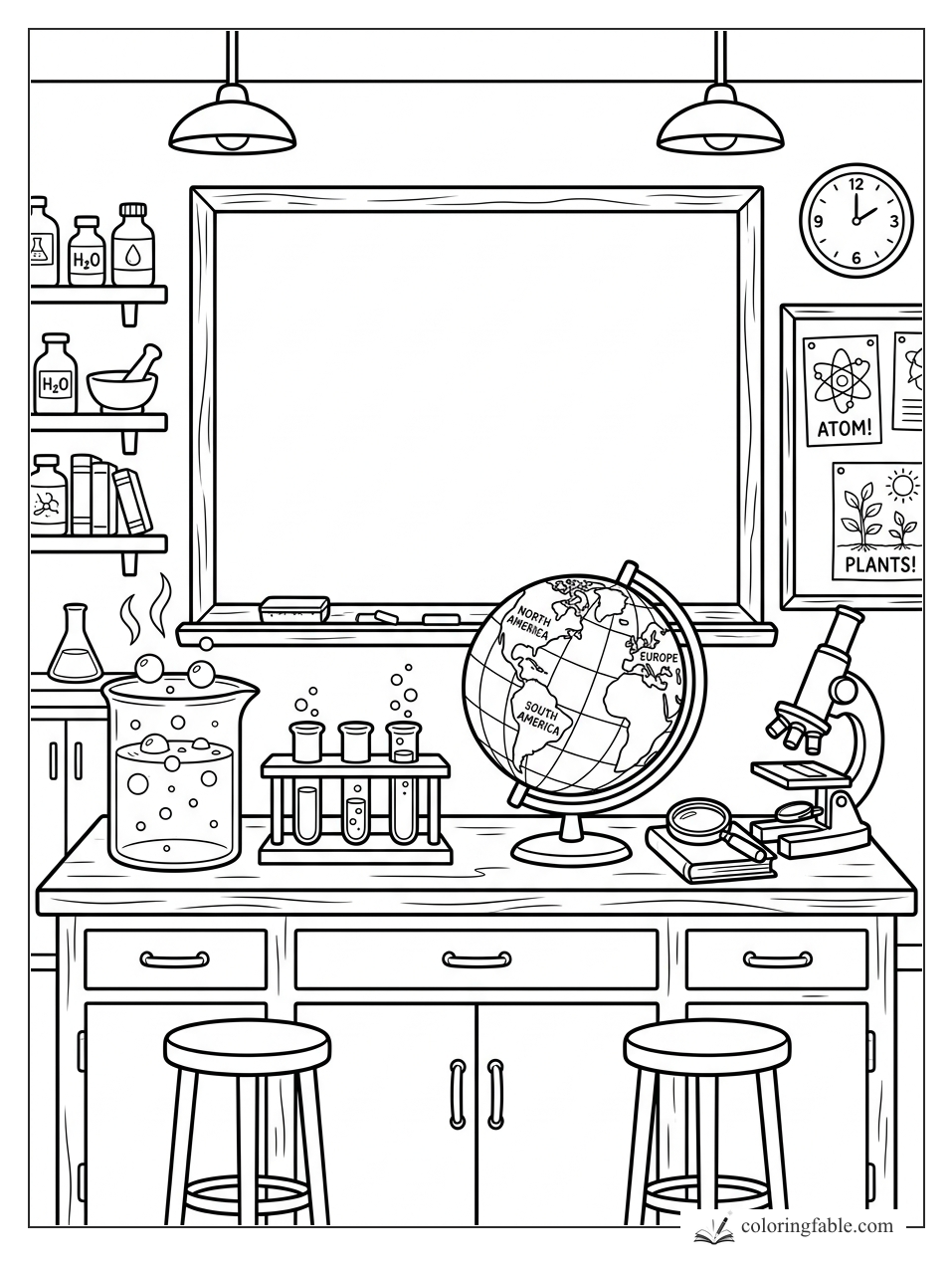
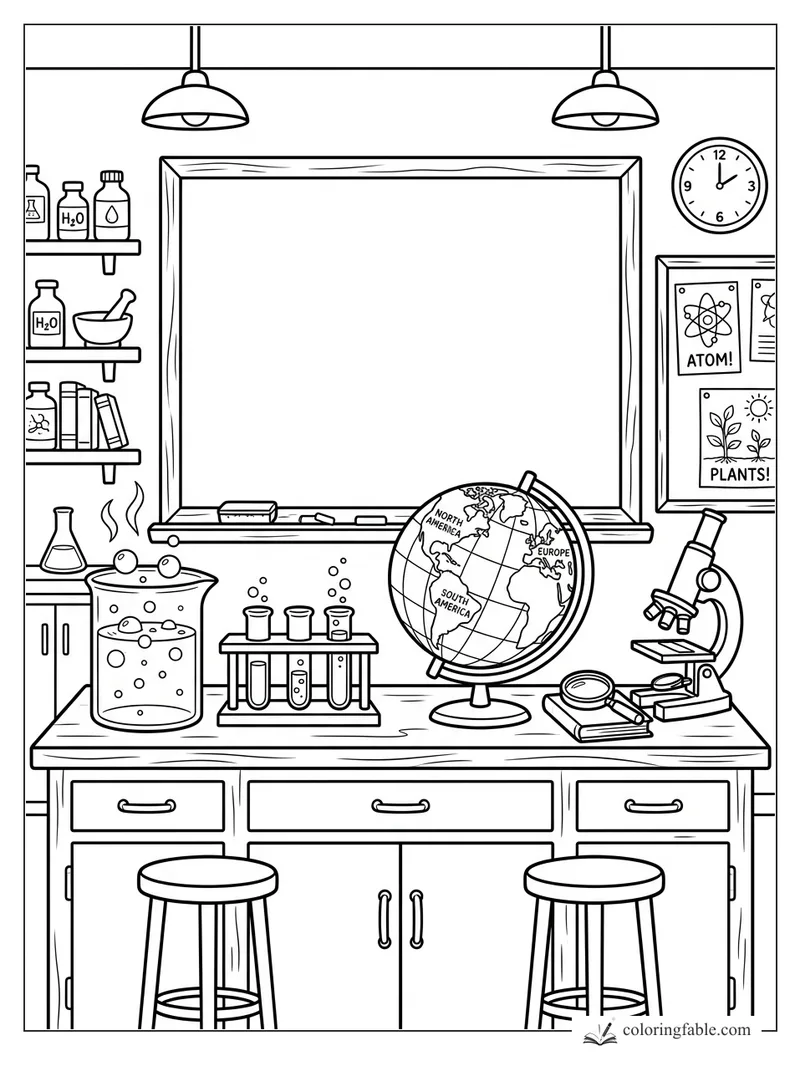
Under the two warm lab lamps, Brin slid a chalk crumb along the table and invented Whisper-Mapping. The rule was secret: point to a place on the globe, whisper one brave thing, then spin. She wanted to ask Mr. Vale if she could write the first question on the huge empty board, but her voice kept hiding behind the vinegar smell and the blup-blup of the beakers.
She touched South America. “I can ask,” she breathed. The globe wobbled. She touched Europe. “Maybe now.” It wobbled harder, leaning toward her like it wanted the secret too. When the clock clicked one tiny click, Brin grabbed the chalk, marched to the board, and wrote, Why do bubbles rise? Her hand shook, but the words stayed.
Mr. Vale smiled. “Excellent first question.” The whole lab seemed to hush, even the microscope. Brin patted the globe, and it settled at that listening slant. Ever since, classroom globes lean close, because the first brave whispers were too good to miss. If you spot that tilted globe, you’ll know which secret it is still trying to hear.