Why Triangles Point Up — At the signal wall beneath the old observatory, Nola set herself a challenge: fill one silent message without using a single word. Read the full story →
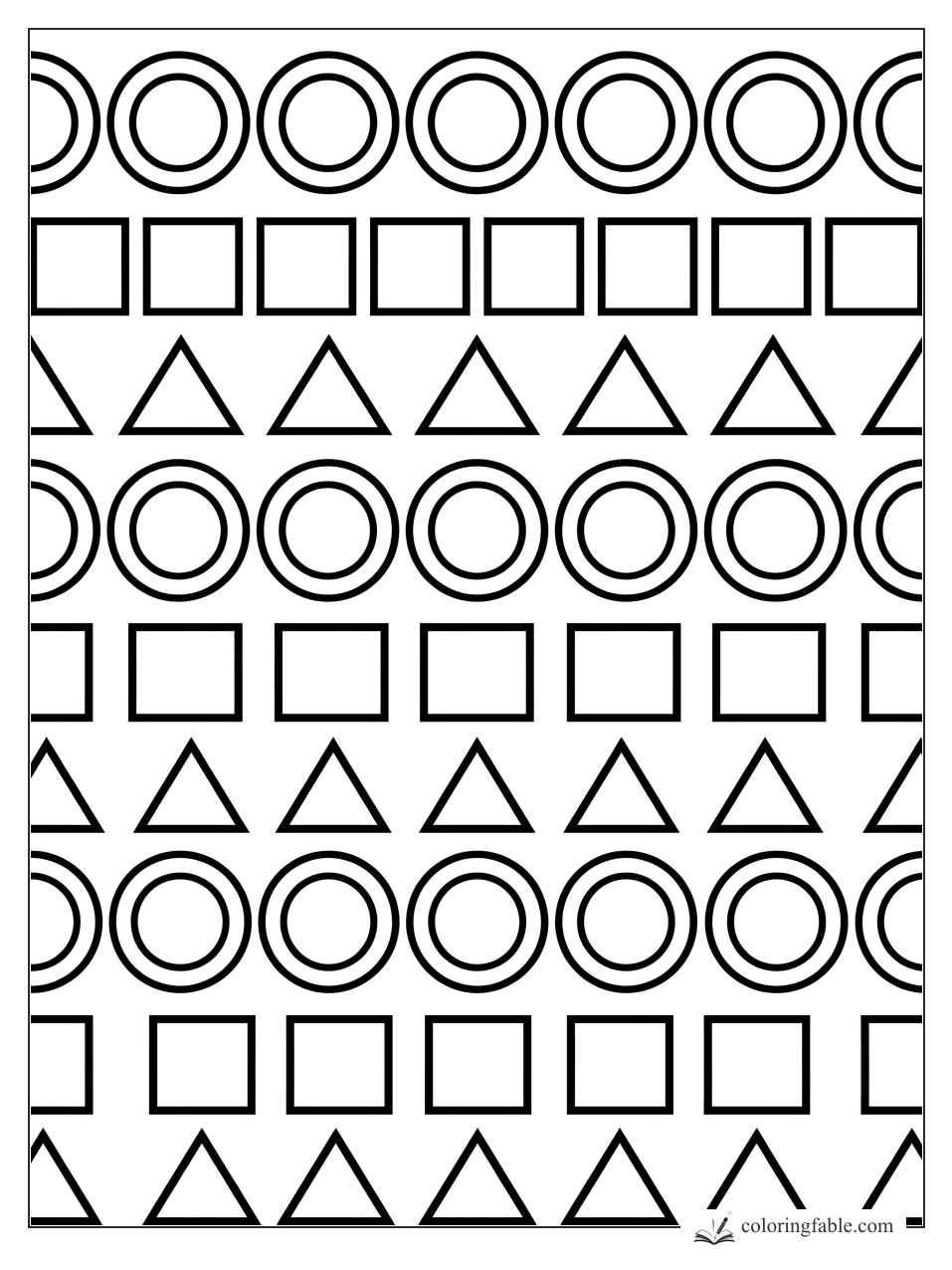
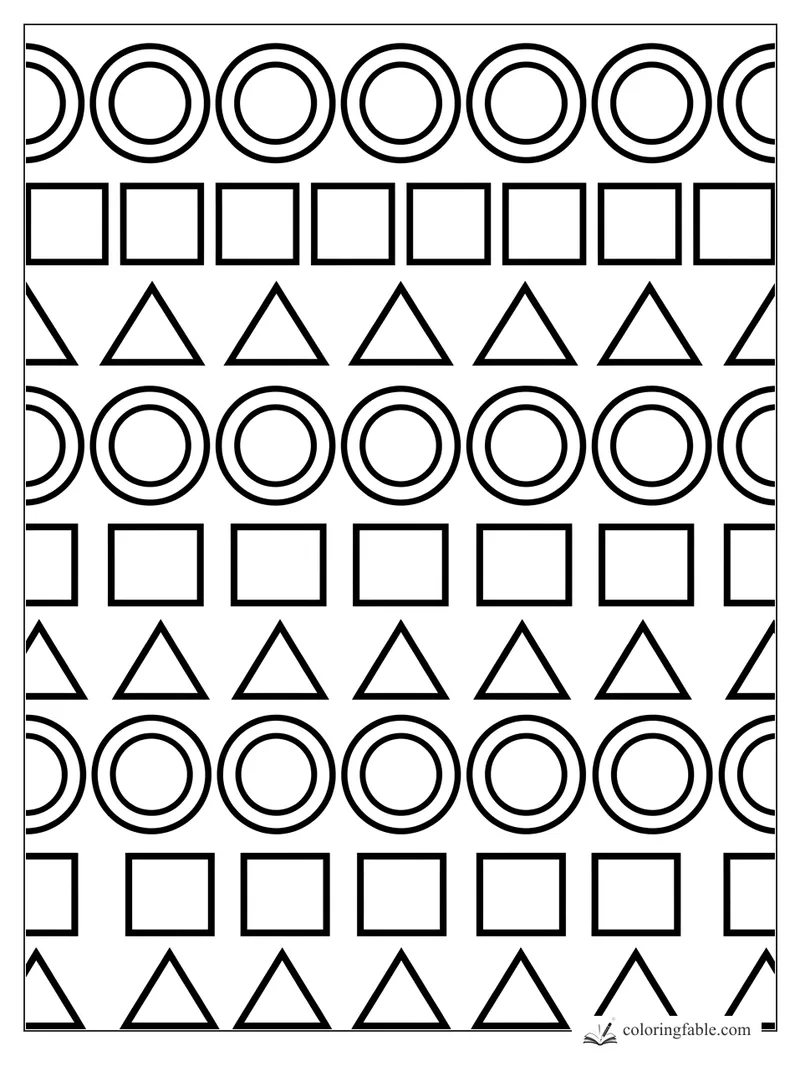
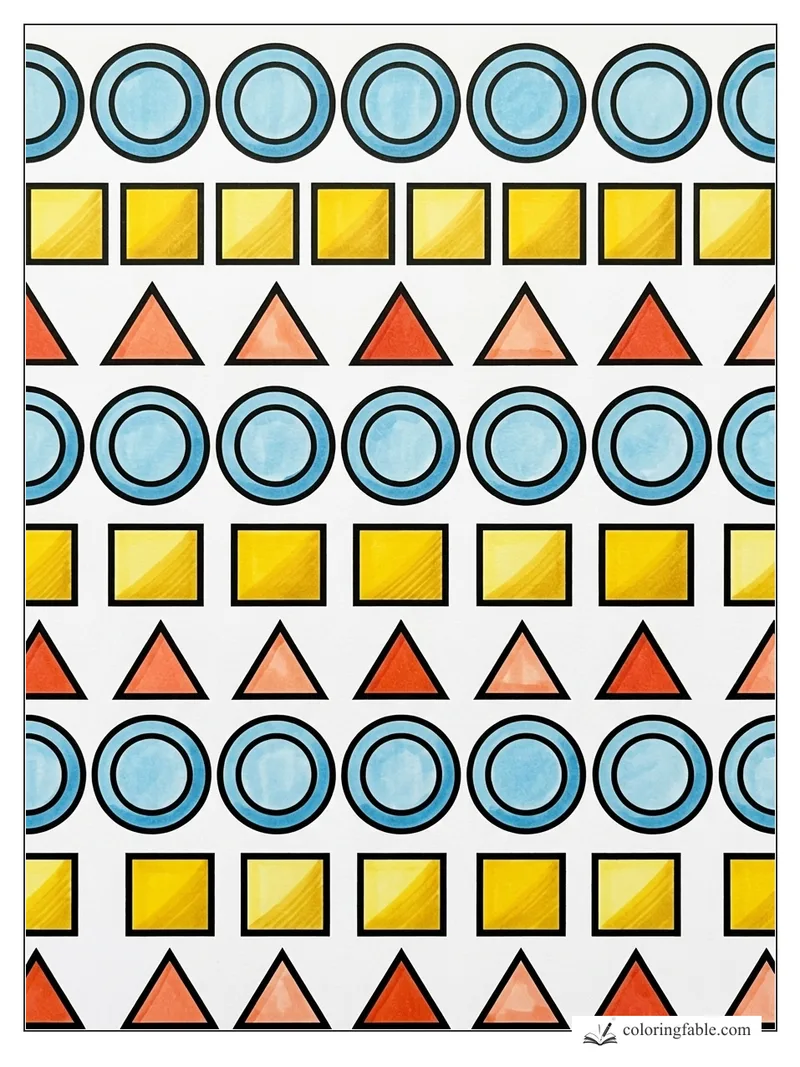
At the signal wall beneath the old observatory, Nola set herself a challenge: fill one silent message without using a single word. The night smelled like rain on stone, and the wall’s rows waited in the lantern glow—round rings, square windows, and little blank tents. Nola dipped her brush and whispered, “No one has to know.”
The moon-watchers were coming before dawn to find their way through the fog, but the bell rope had snapped and the tower could not call them. Nola painted blue into the rings for “keep going,” gold into the squares for “safe step,” and saved her smallest red brush for the triangles. She had planned to point them every which way, just for fun. Then a cold draft slid through the observatory door, carrying the far-off splash of boots in puddles. If the triangles leaned sideways, the watchers might turn toward the cliff path.
So Nola tipped every triangle upward, like tiny roof peaks and arrowheads toward the hilltop light. She washed her brush, slipped away, and left no name behind. By sunrise, the watchers followed the upward points home, and ever since, in pattern places where circles and squares stand in rows, triangles point up when they are quietly helping. Next time you spot one, see if it is still keeping Nola’s secret.