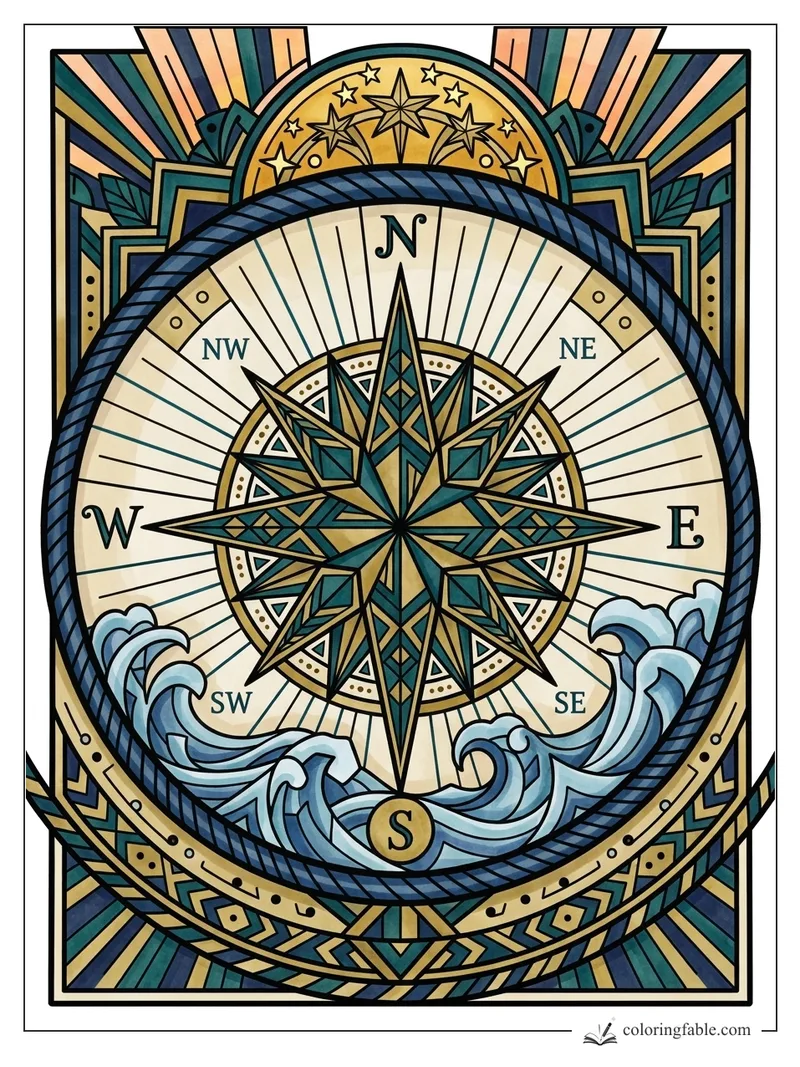
Why Compasses Welcome Waves — Under the glass roof of the tide hall, rain tapped like soft fingernails while Callen slid shell tokens around the floor compass. Read the full story →
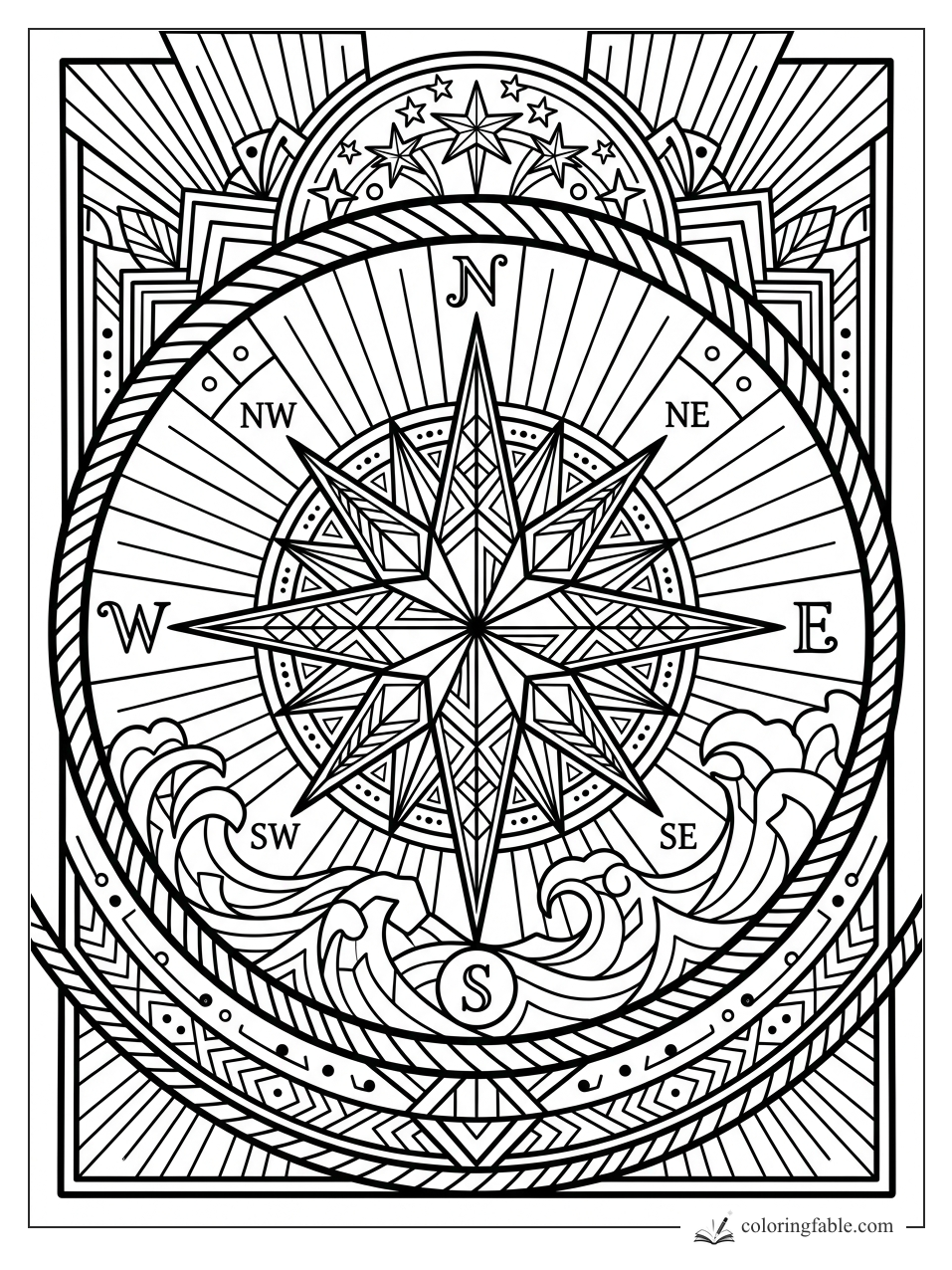
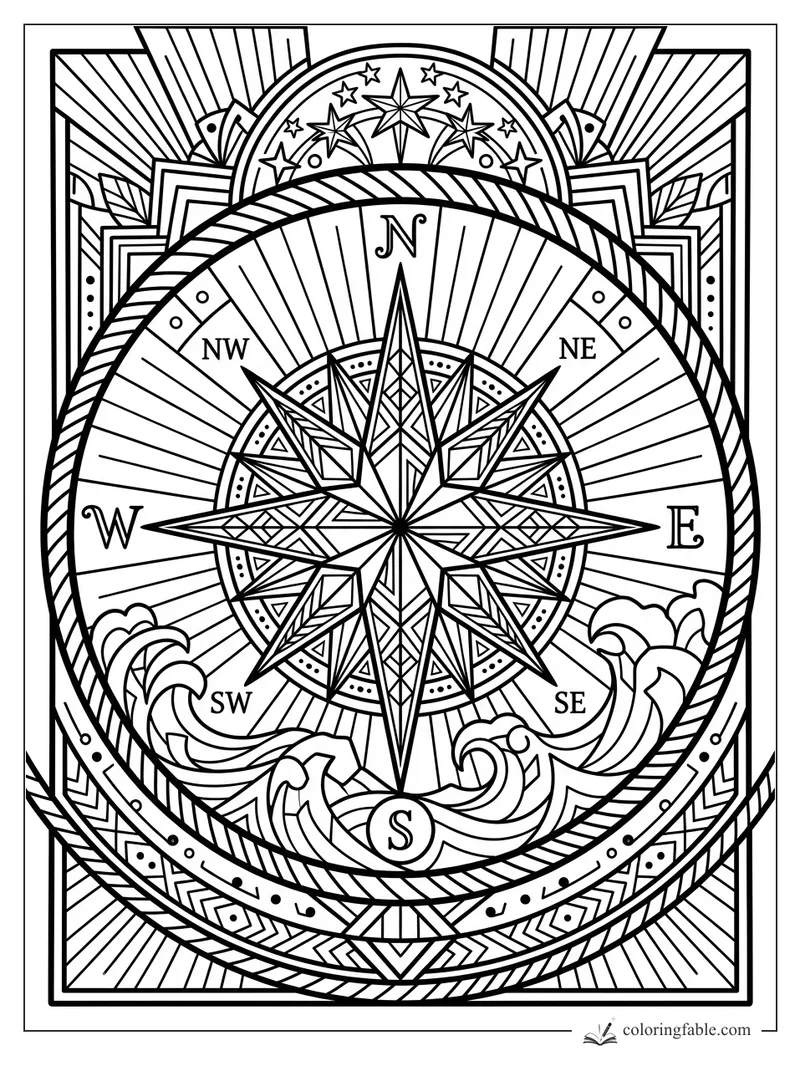
Under the glass roof of the tide hall, rain tapped like soft fingernails while Callen slid shell tokens around the floor compass. He had invented a game called Home by Eight Points: north for a bell, east for a gull cry, south for warm sand, west for supper smoke. He wanted the hall’s old needle to hum for him just once, but it sat still and cold, smelling of brass and salt.
Then a small wave slipped under the door. It curled around his ankles, cool as a ribbon, and nudged every shell into a perfect ring. “You want to play too?” Callen whispered. The wave answered hush-hush-hush and climbed the south mark, not to spoil the game, but to show where all tired travelers wished to return.
Callen set two carved waves at the compass’s lower edge and left room for stars above, so sky and sea could meet without arguing. Ever since, sea compasses welcome waves, because even a direction needs a feeling of home. If you trace the curling water, can you hear Callen’s game beginning again under the glass roof?