Why Satellites Have Spare Doors — The sealed locker clicked like a beetle in Vera’s glove. Read the full story →
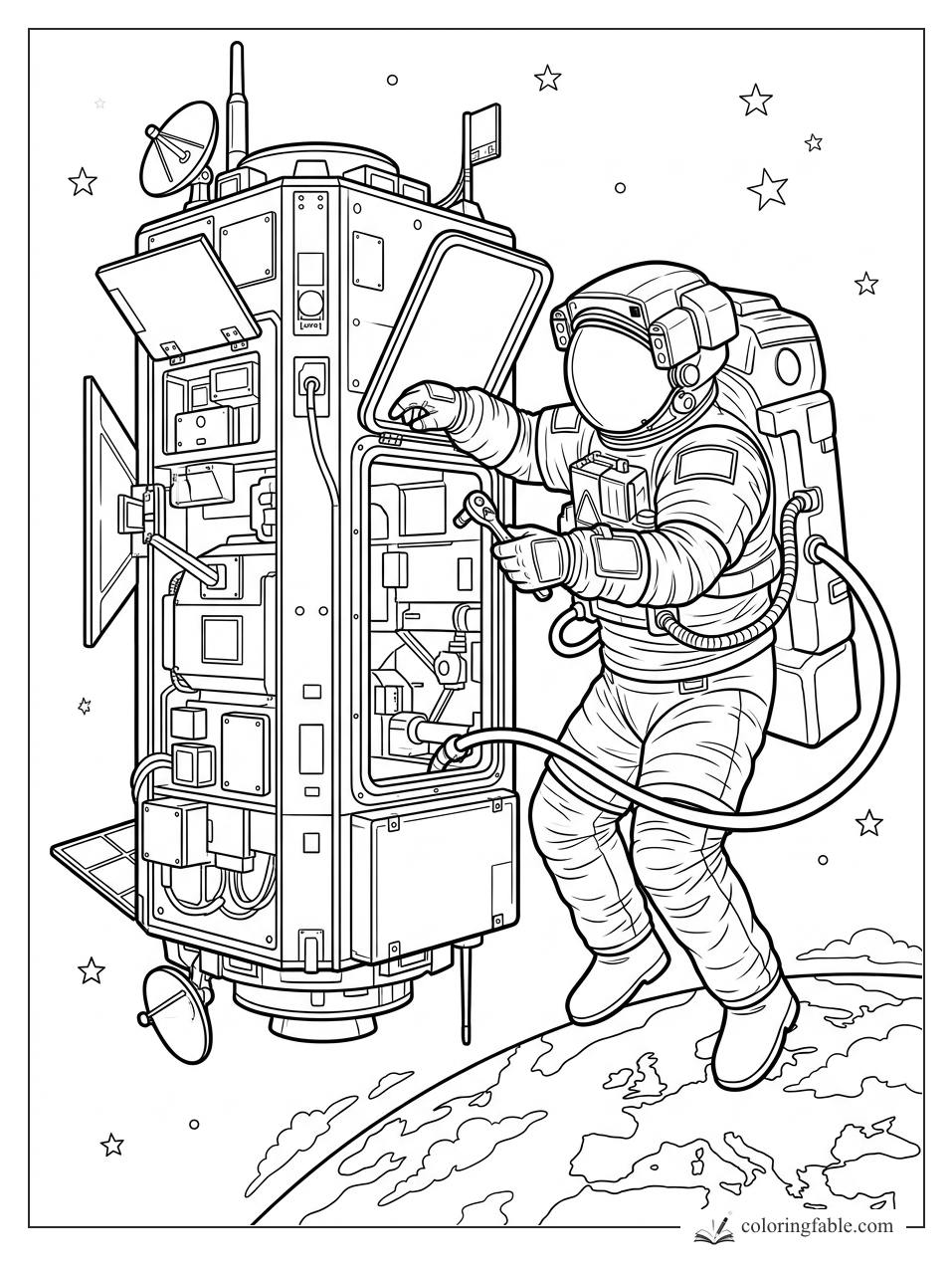
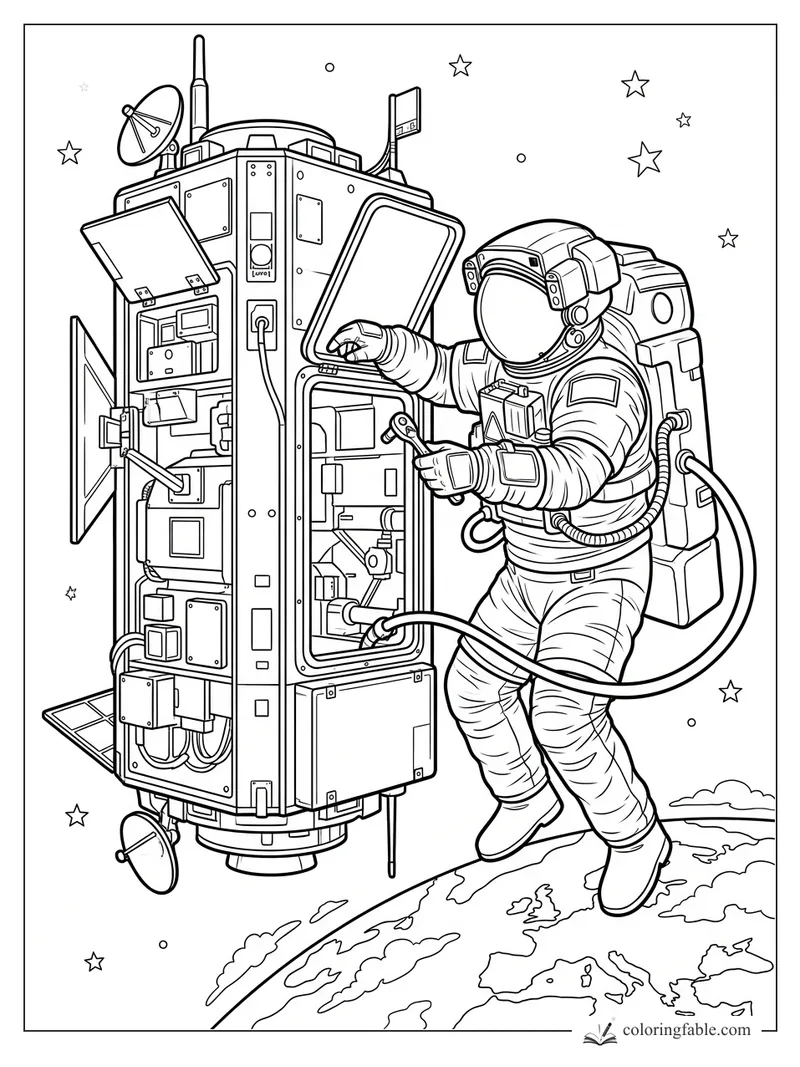
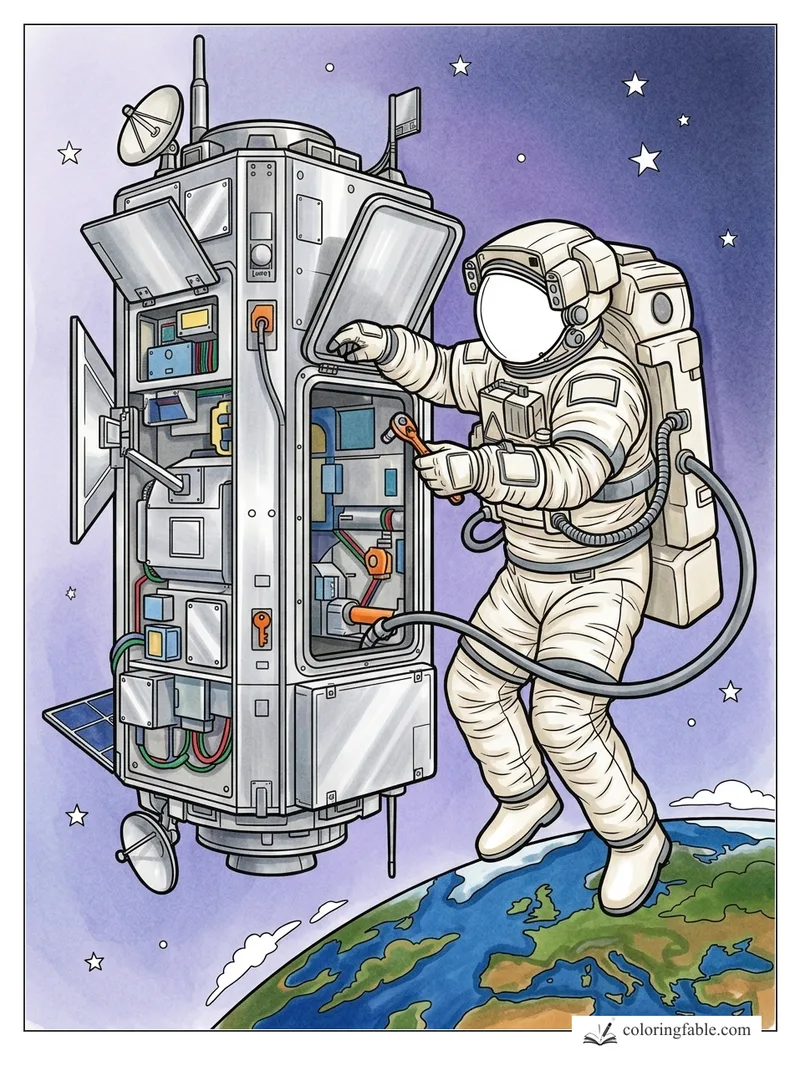
The sealed locker clicked like a beetle in Vera’s glove. She had come to close it before sunrise baked the hinges stiff, but every time her wrench turned, a soft tap answered from inside: tick, tick, tick. No name was painted on the door, only old scratches and the cold smell of metal dust in her helmet fan.
When she opened the panel, a silver frost-moth floated out, its wings powdered with frozen starlight. Behind it huddled three smaller moths around a cracked heat coil. Vera had one spare patch meant for her own hand-warmer. She pressed it over their coil instead and said, “Quiet, little engines.” The moths glowed blue, and the locker warmed with a purr nobody on the radio noticed.
By morning, the station kept one extra little door on every satellite, just in case something small needed shelter where nobody was watching. Ever since, satellites carry spare doors—and if you peek at the open panels, you might find the place where the first soft tick answered Vera’s glove.