Star Coloring Pages for Space Lovers to Print and Color at Home
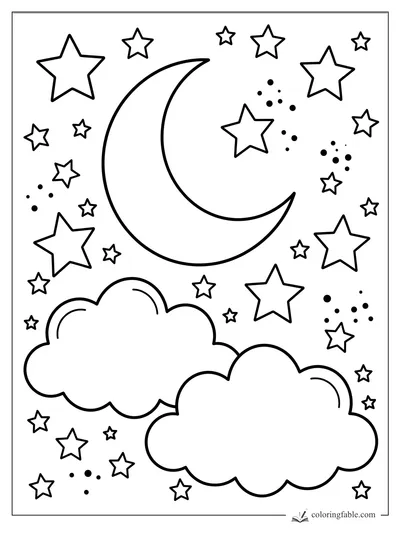
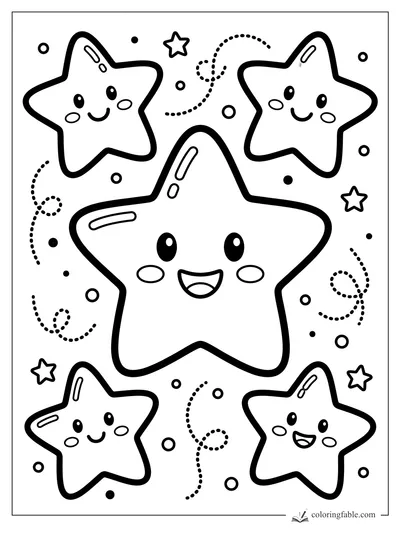
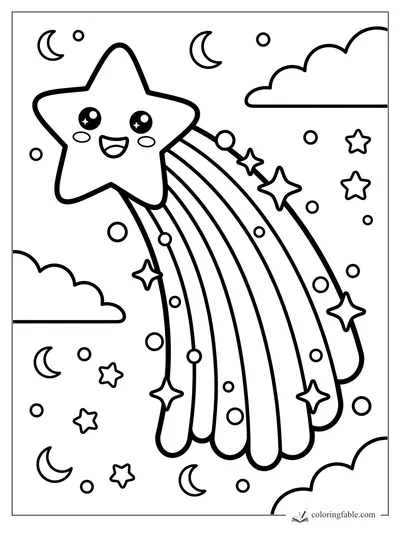
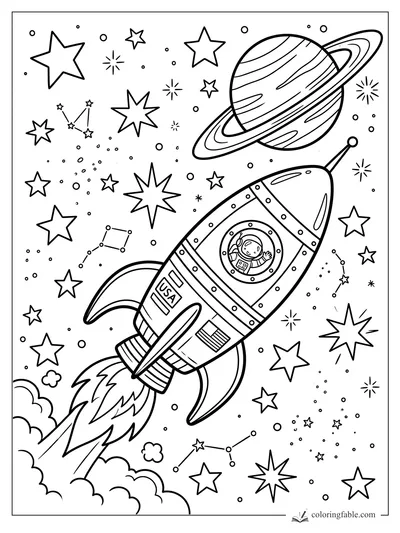
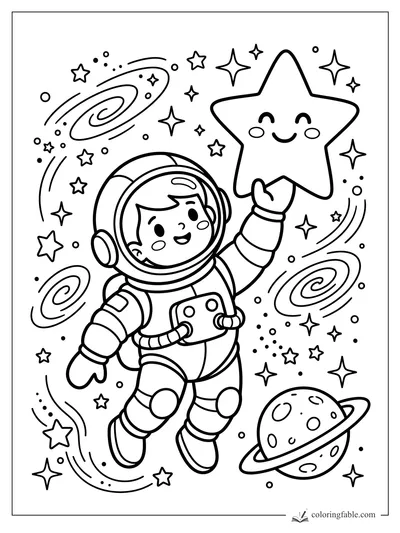
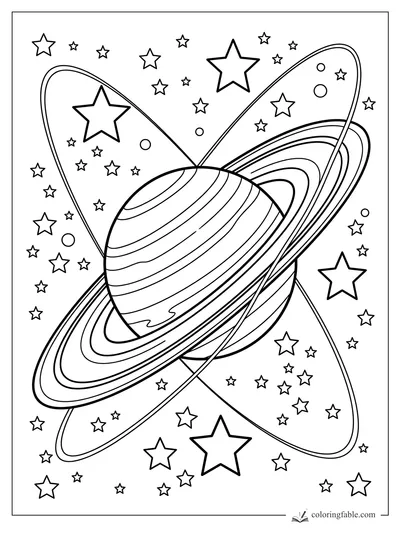
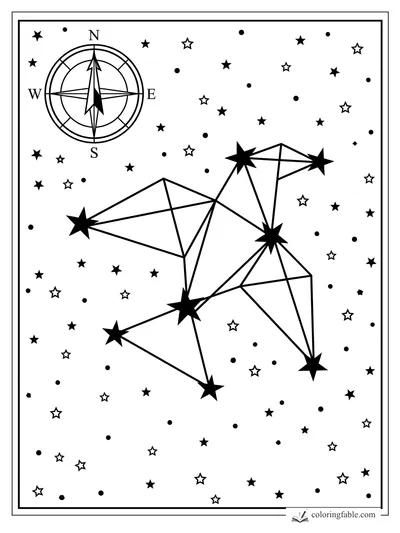
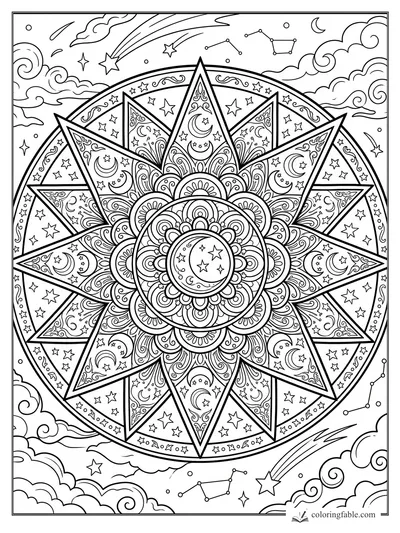
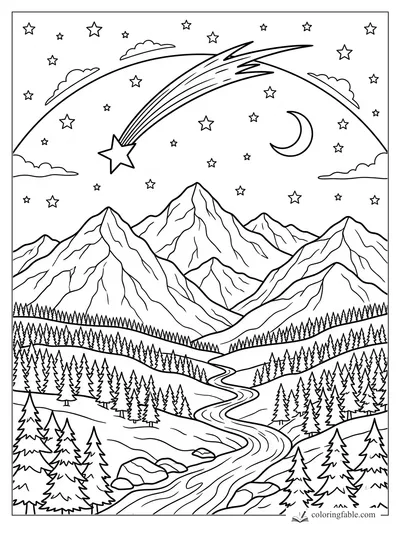
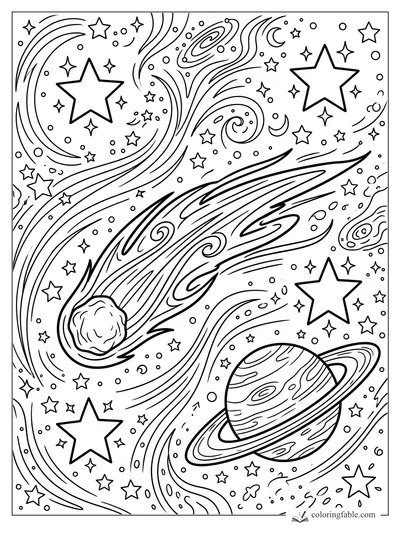
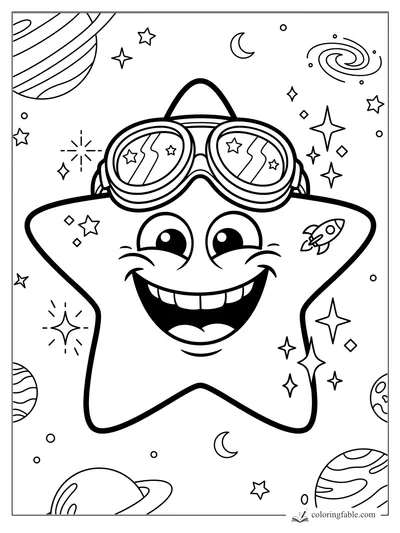
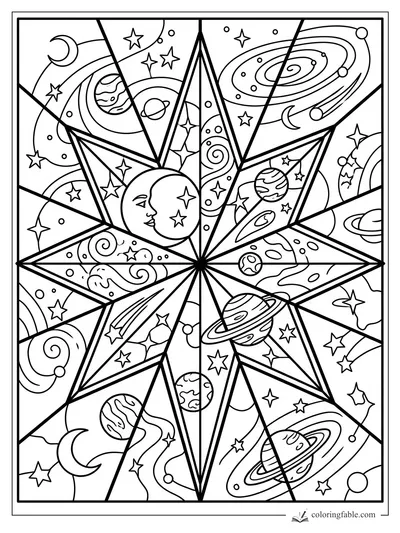
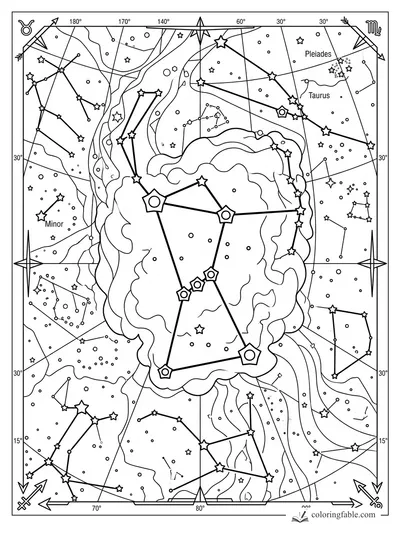
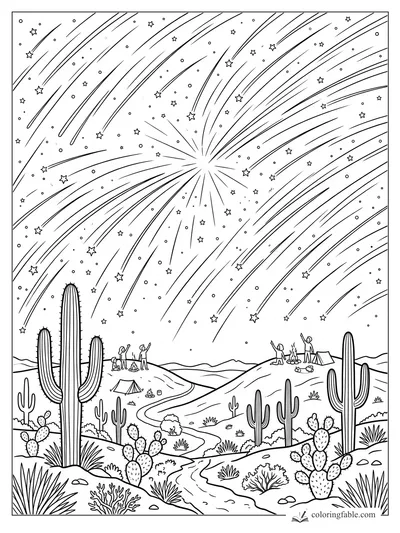
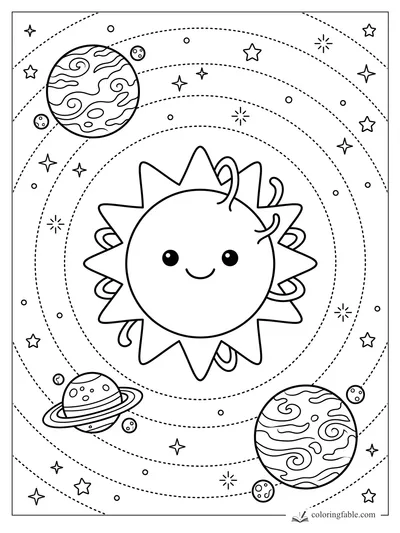
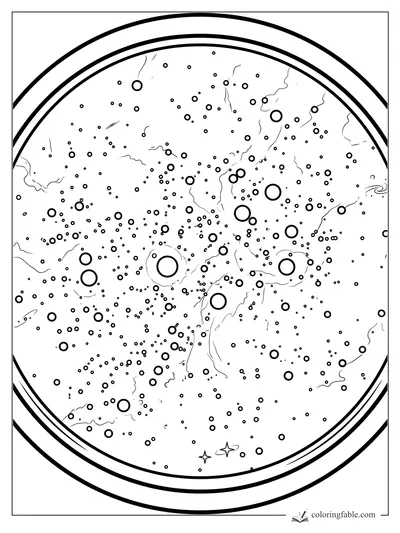
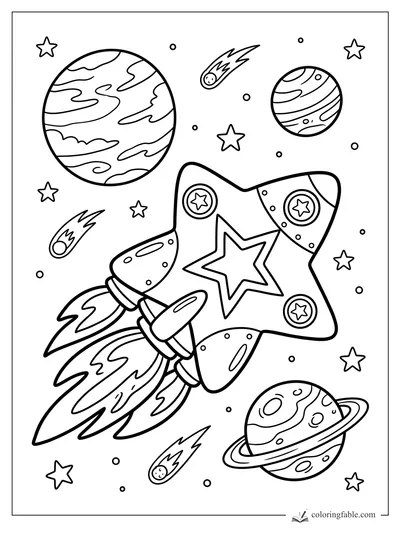
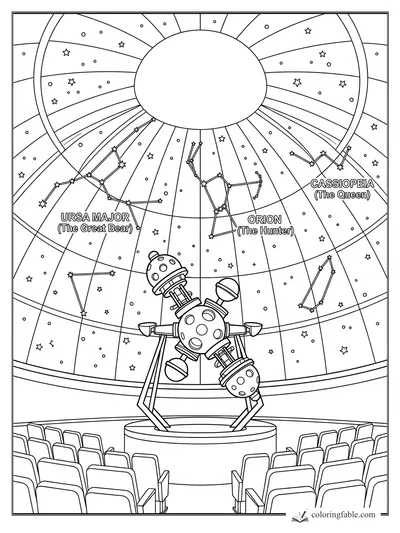
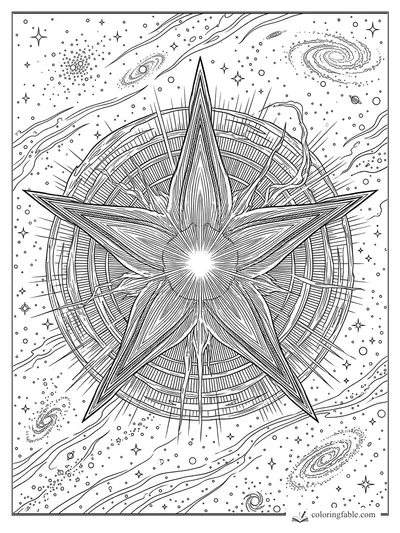
In this star collection, you’ll find crisp five-point stars, smiling nursery-style stars, shooting stars with long tails, constellation scenes, and starry skies around rockets and planets. The pages range from broad, easy outlines for preschoolers practicing steady strokes to denser space designs with clustered stars, moonlit backgrounds, and repeat patterns for older kids and relaxed adult coloring. It is a good fit for classroom space units, bedtime-themed crafts, scout astronomy activities, or anyone who wants a printable night-sky project without needing a telescope.
🔢 30 of these also exist as star color by number.

Star pages by style, mood and season
Fun facts to share while coloring
Stars are enormous balls of plasma, mostly hydrogen and helium, held together by their own gravity. The Sun is the closest star to Earth, about 93 million miles away, so every daytime shadow is really made by starlight. A star’s color gives a clue to its temperature: cooler stars look reddish, while very hot stars can appear blue-white. The patterns called constellations are not actual connected objects; they are line-of-sight pictures people have named in the sky. The next closest known star system, Alpha Centauri, is more than four light-years away. Stars seem to twinkle because Earth’s moving atmosphere bends their light on the way to your eyes.
Coloring tips
For classic star pages, build the palette in layers: bright white centers, lemon yellow points, golden edges, warm orange halos, a few red-orange giant stars, icy blue-white sparks, violet shadows, and a deep navy or black space background. Star shapes look best when the light seems to radiate outward, so color from the center to each point with short strokes, then soften the edges with a pale yellow or colorless blender. On constellation pages, keep the stars bold and draw thin silver, gray, or white lines between them. For a space-themed twist, turn one finished sheet into a “mission chart” by adding tiny coordinates, a named constellation, and a comet trail crossing the corner.
📕 Prefer it as a book?
TheStar Coloring Book: 20 pages hand-picked from this catalog, ordered from easy to intricate, with a personalized cover. One free PDF.