Rocket coloring pages for liftoff, astronauts, and space missions
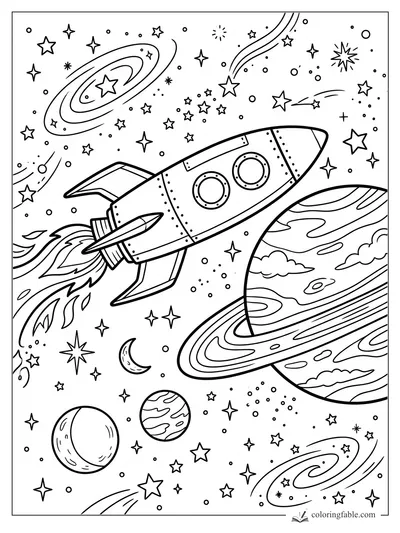
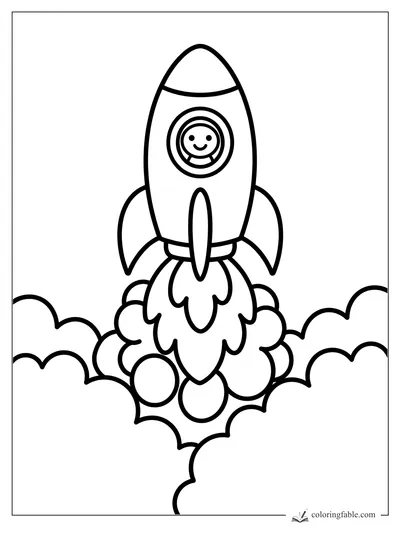
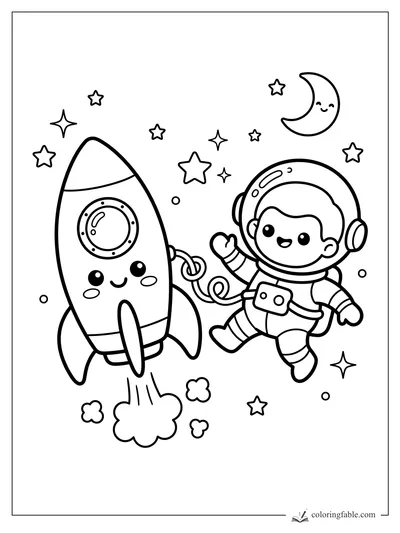
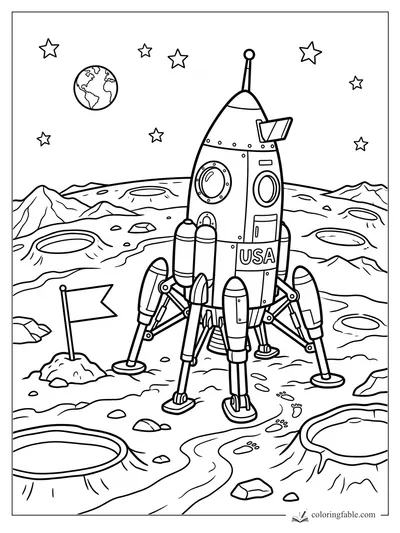
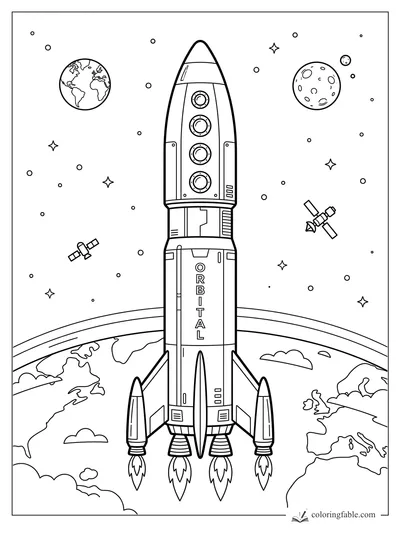
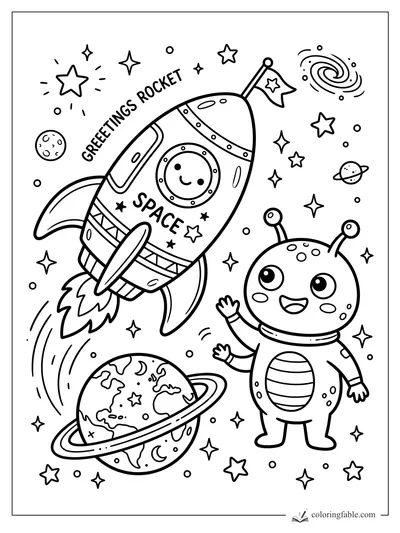
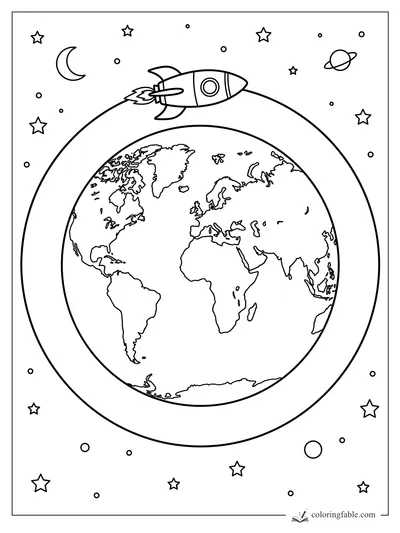
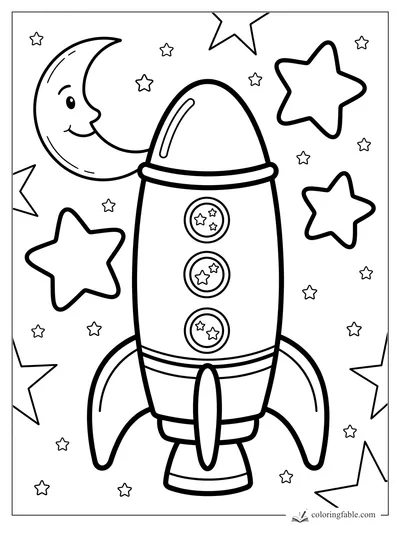
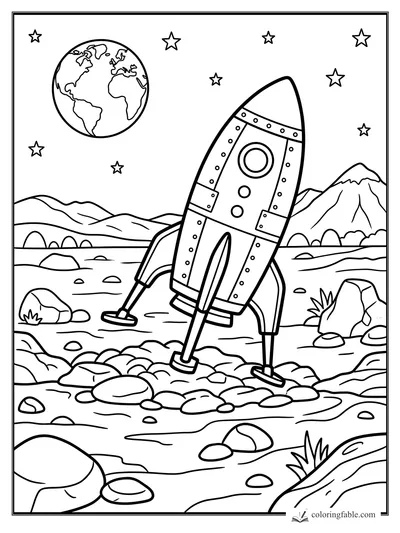
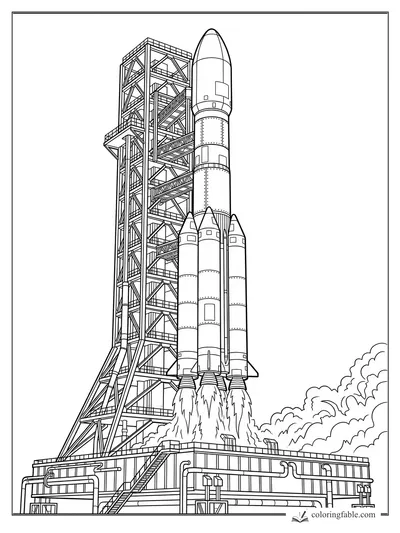
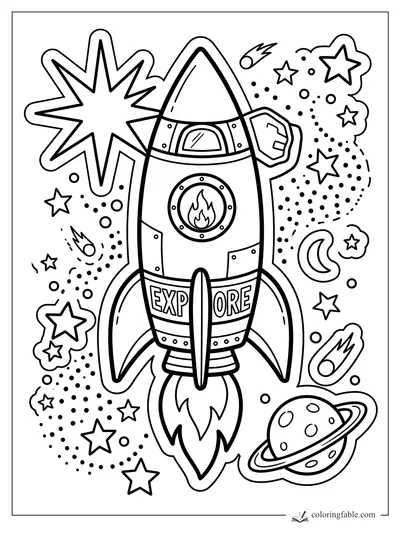
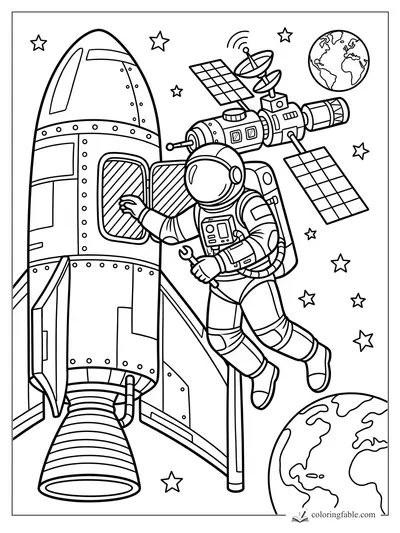
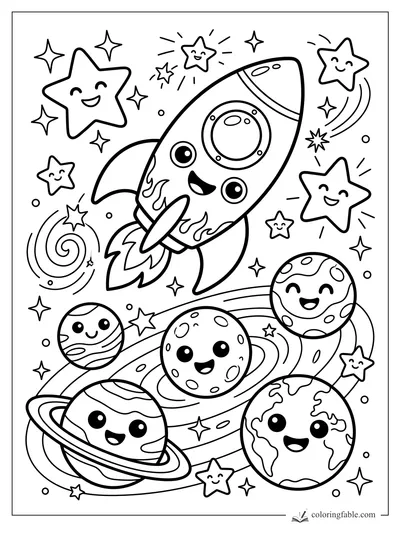
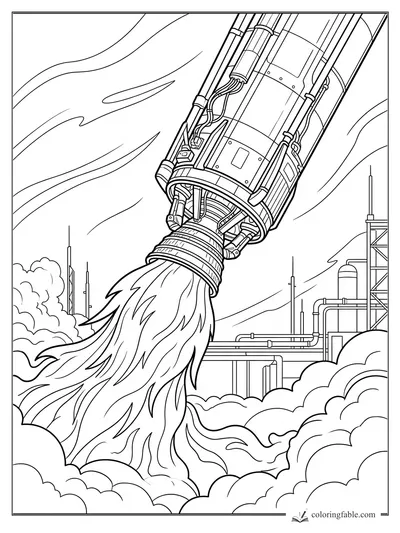
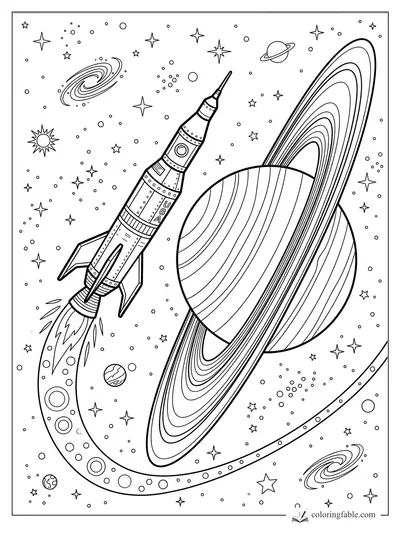
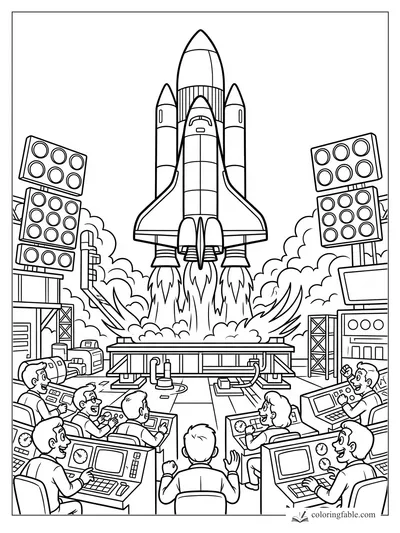
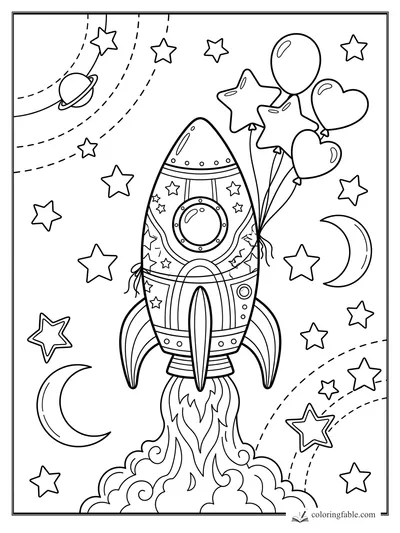
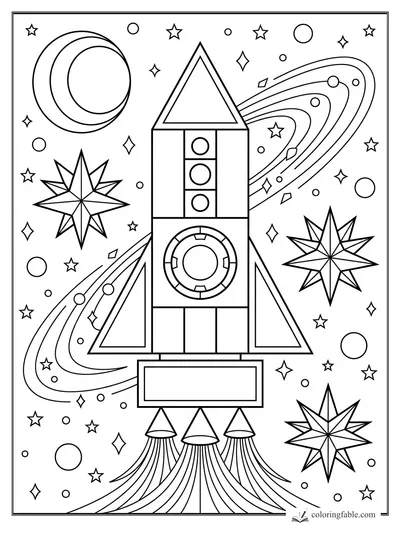
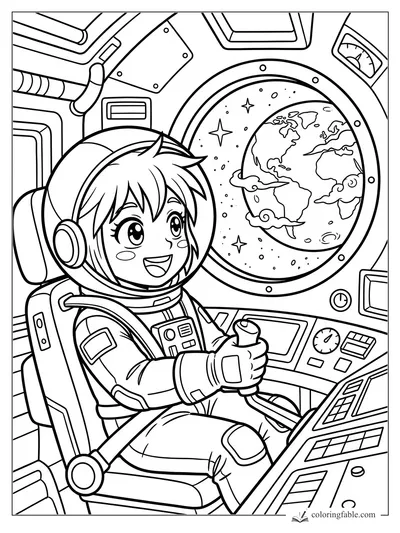
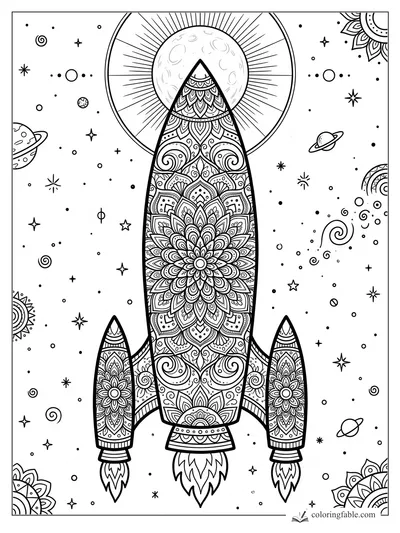
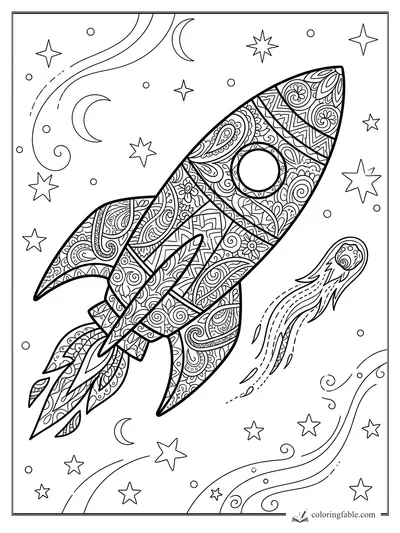
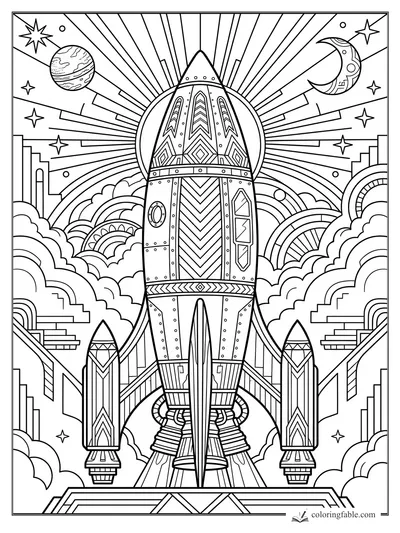
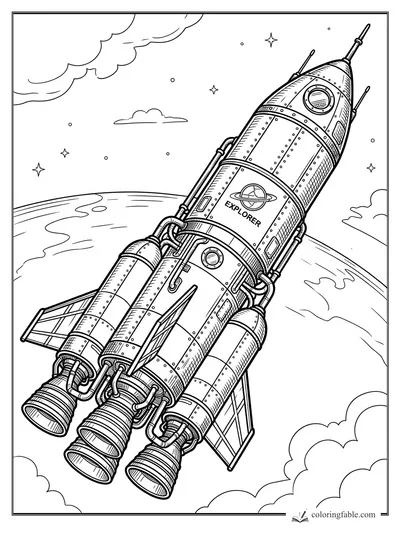
This rocket collection is built for kids who love countdowns, blastoffs, and deep-space dreams. You’ll find simple rockets with big windows for younger colorers, launchpad scenes with smoke clouds and flames, and more detailed pages showing boosters, astronauts, planets, stars, and orbiting spacecraft. Some designs have wide, easy shapes for preschoolers, while others include panels, rivets, engines, and background galaxies for older kids who like careful coloring. They’re a good fit for space units, rainy-day art, science birthday parties, or any child who wants to send a paper rocket past the Moon.
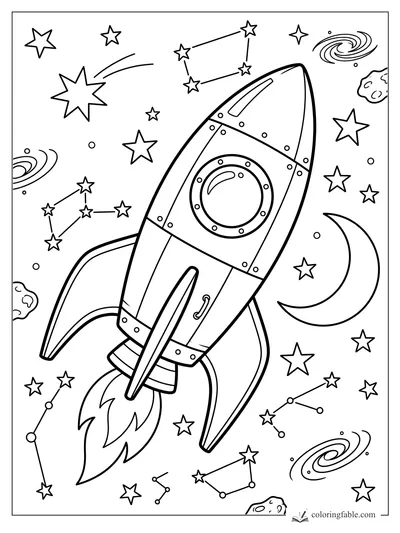
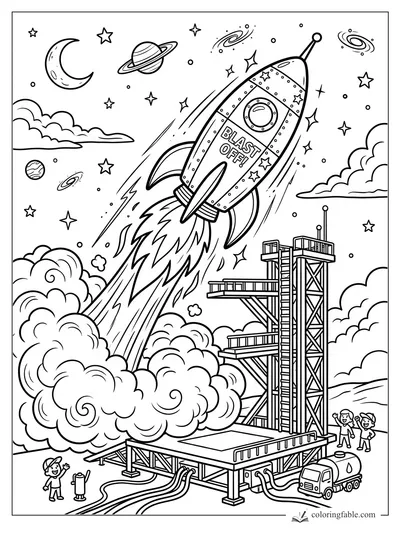
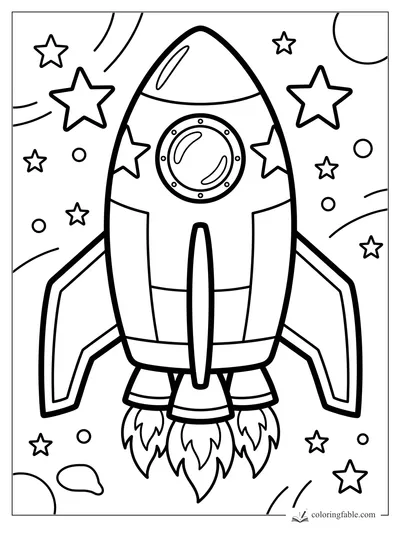
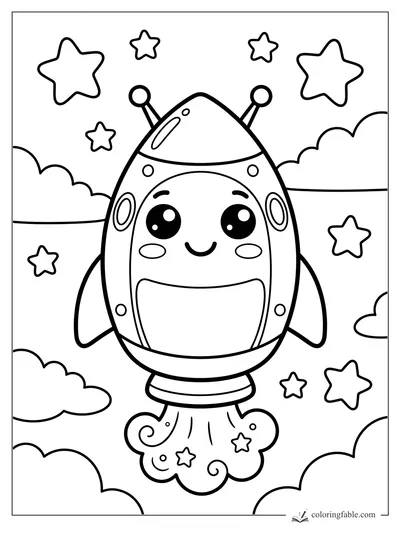
Rocket pages by style, mood and season
Fun facts to share while coloring
A rocket flies because it pushes gas one way and moves the other way, an example of Newton’s third law of motion. The first successful liquid-fueled rocket was launched by Robert Goddard in Auburn, Massachusetts, in 1926; it rose only about 41 feet, but it changed spaceflight history. The Saturn V rocket that carried Apollo astronauts toward the Moon stood about 363 feet tall, taller than the Statue of Liberty. Many large rockets use stages: when one section runs out of fuel, it falls away so the rest can keep climbing. Today, some boosters can even return to Earth and land upright for reuse.
Coloring tips
Classic rocket colors start with a white or silver body, a red nose cone, red fins, black porthole glass, gray engine bells, orange and yellow flames, blue-black space, gray smoke, and tiny white stars. For the rocket’s tube shape, color in long strokes from nose to engine, then add a darker strip along one side to make the body look rounded. Flames look lively with yellow in the center, orange around it, and red at the tips. Smoke clouds work well with soft circular shading instead of hard outlines. For a theme-specific twist, design a mission patch on the rocket’s side with your initials, a planet target, or a tiny comet mascot.
📕 Prefer it as a book?
TheRocket Coloring Book: 20 pages hand-picked from this catalog, ordered from easy to intricate, with a personalized cover. One free PDF.