Why Lab Bubbles Wait — Behind the science room’s locked display case, the sinks made a soft drip-drip that sounded like footsteps. Read the full story →
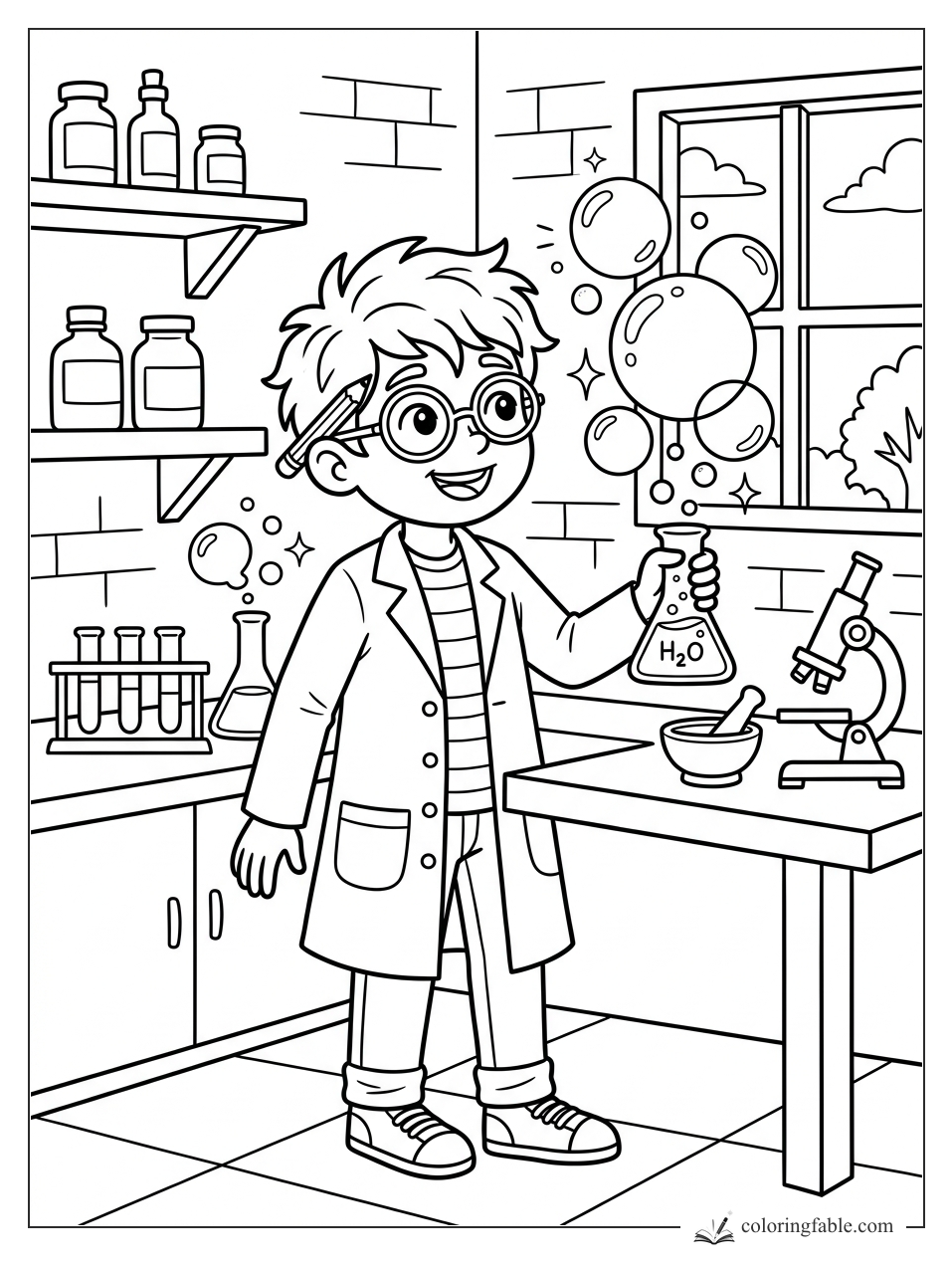
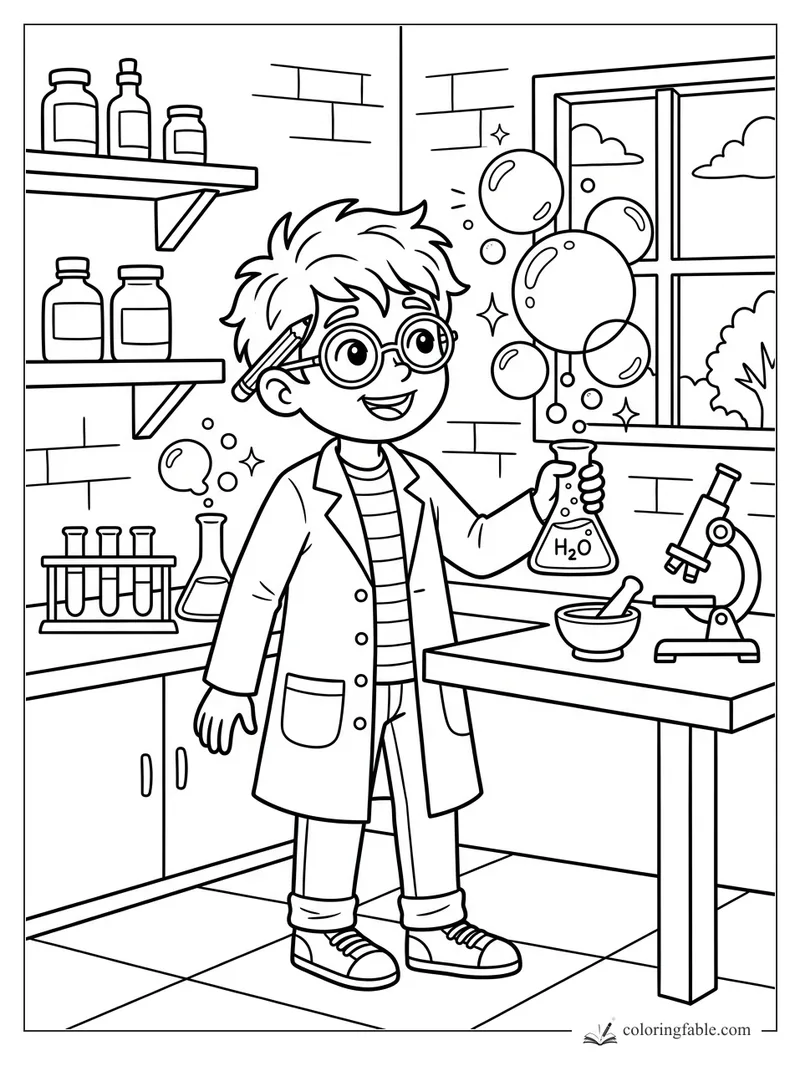
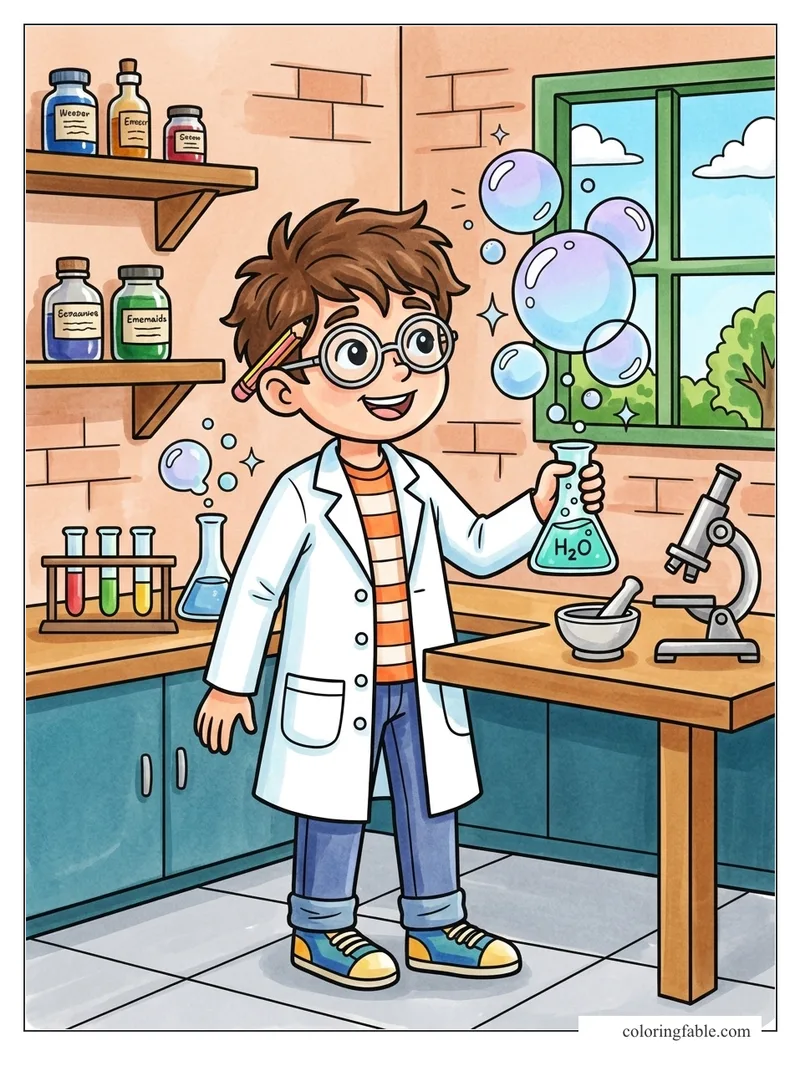
Behind the science room’s locked display case, the sinks made a soft drip-drip that sounded like footsteps. Calder had invented a game called Don’t Wake the Water: mix one drop, count five breaths, and see whether the beaker stayed quiet. He wanted to win before the janitor’s keys jingled down the hall. The first bubbles rose anyway, round and bright in the window light, and his fingers tightened on the glass.
A whisper slipped from the biggest bubble. “Name the quiet.” Calder nearly dropped the beaker. The room smelled of chalk dust and lemon soap; the microscope’s brass knob gleamed like a tiny eye. “Hush,” he said, so softly it hardly moved the air. The bubbles stopped racing. One by one, they floated beside him and waited.
That was the first time anyone learned water could hold its breath. Ever since, lab bubbles pause in glass beakers before they pop, listening for the brave small hush that Calder found between the drip-drip.