Why Home Plates Point — Under the tin roof, the crowd sounded like rain in a bucket: clap-clap, hush, clap. Read the full story →
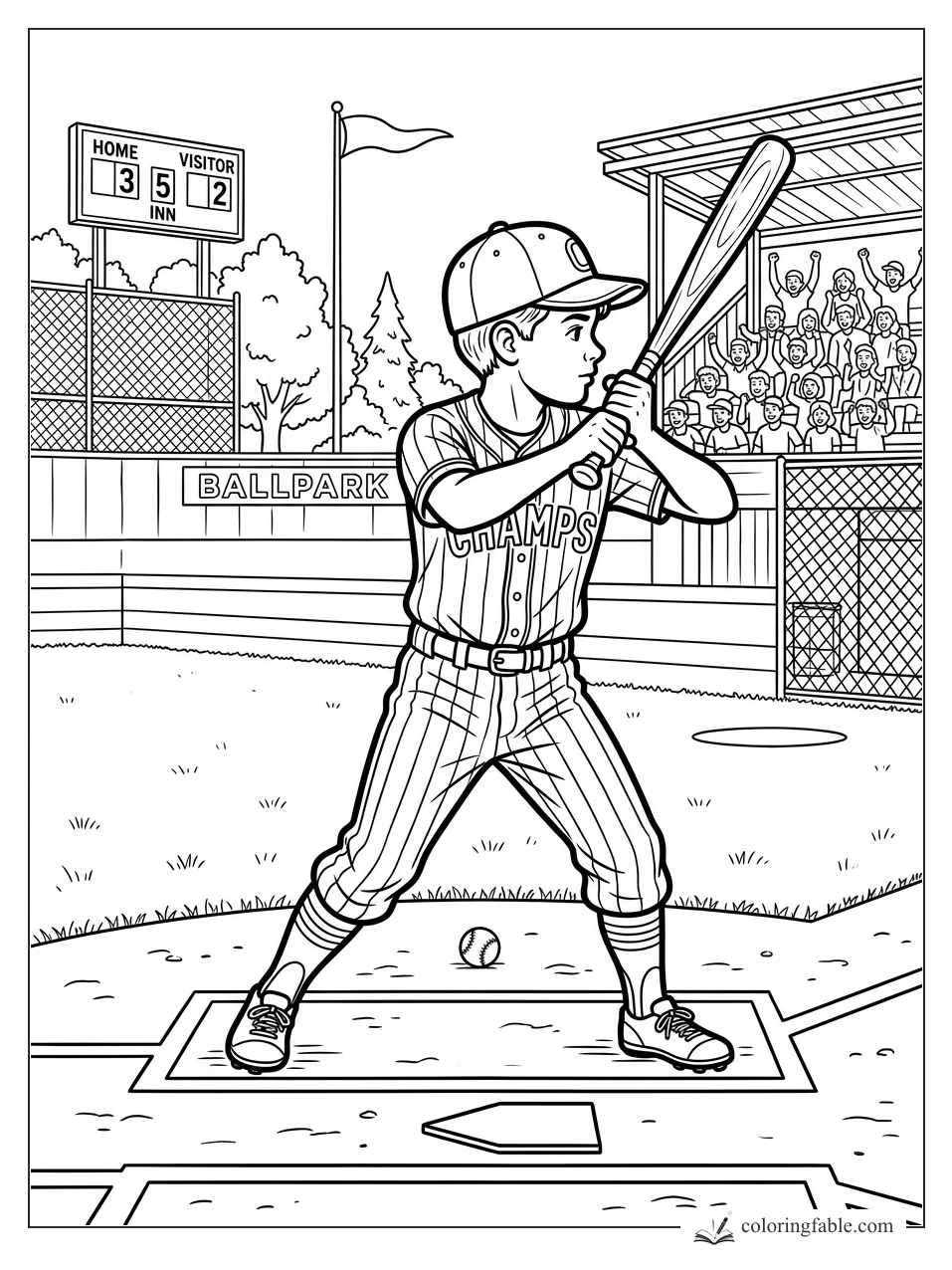
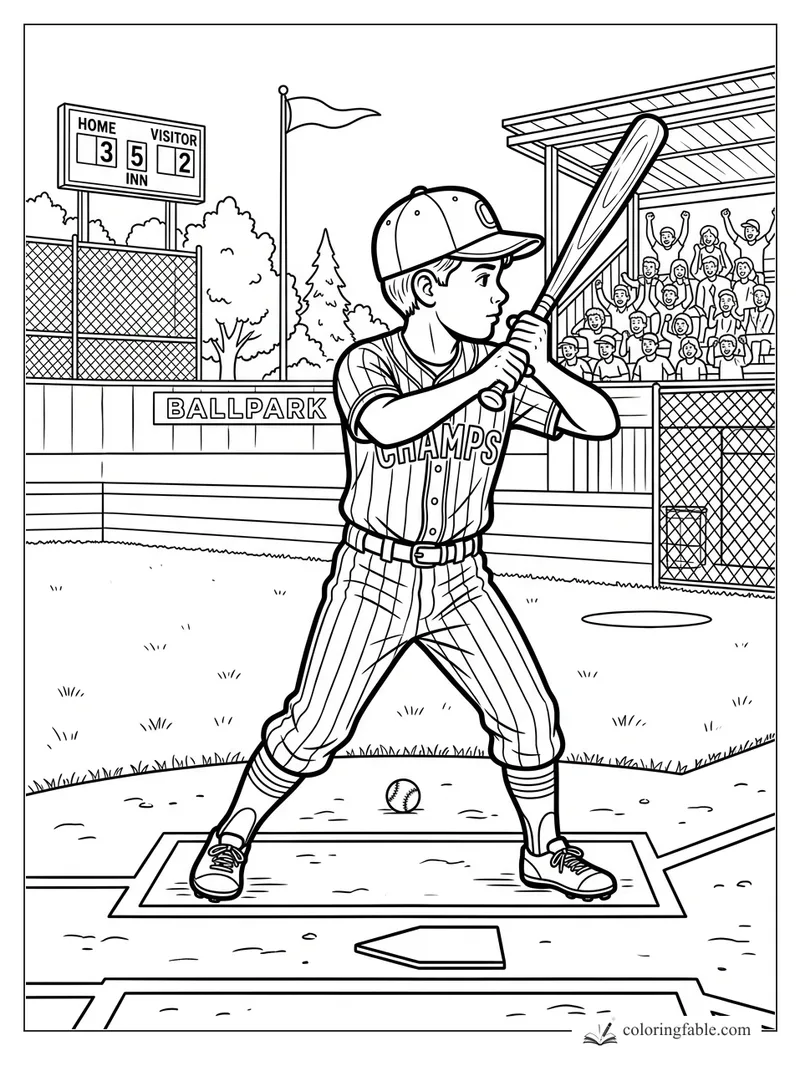
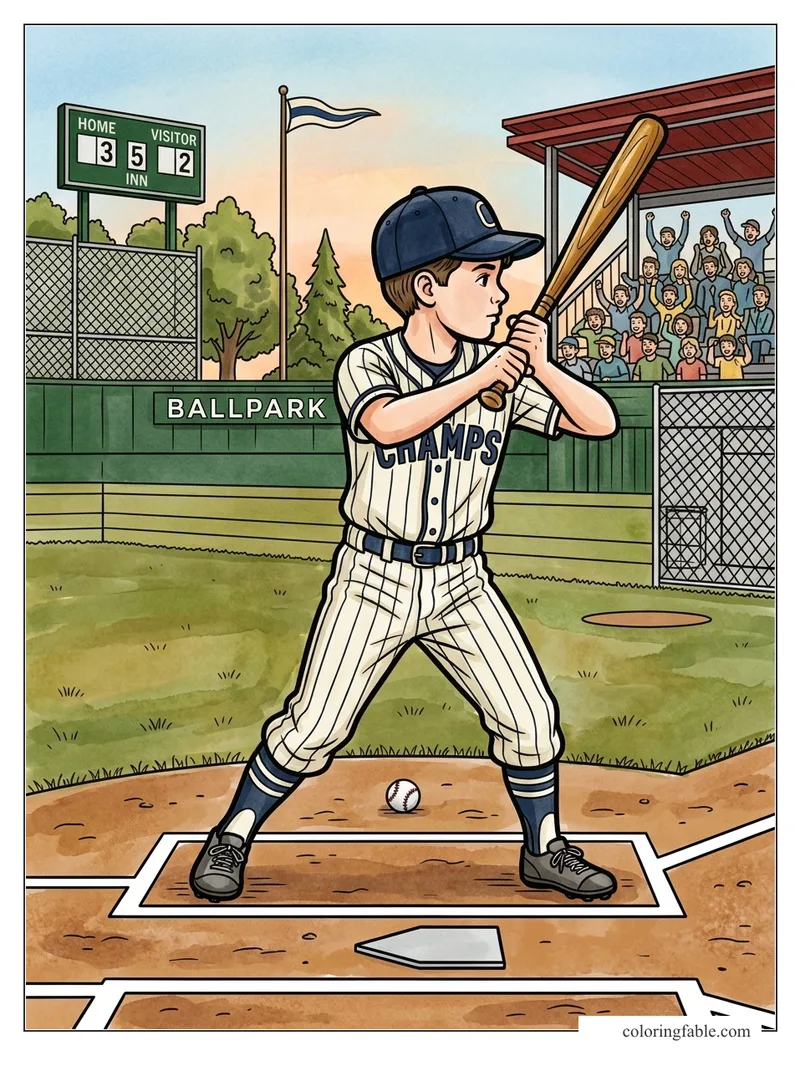
Under the tin roof, the crowd sounded like rain in a bucket: clap-clap, hush, clap. Dashi rolled his bat between his palms and wanted one clean hit, not for the trophy or the scoreboard, but because his little sister had whispered, “Send the cheer all the way to me.” She was home with a fever, listening through the crackly radio by her bed.
The pitcher wound up. A soft thud came from under Dashi’s cleats. Not the ball. Not the catcher. He stepped back and saw one corner of home plate lift, no wider than a cookie bite. Beneath it lay a folded paper star, warm as if it had been held in two hands. On it, in his sister’s loopy writing, were four words: TURN THE JOY OUTWARD.
Dashi set the plate down with its front corner aiming toward the field, then tapped that point with his bat. “This one travels,” he said. The pitch came in, white and humming. Crack! The ball sailed over the grass, and the cheer rose so huge it seemed to run past the fence, past the trees, through an open bedroom window. Ever since, home plates have kept that little point, showing every player where shared joy should go next; when you find it here, can you almost hear the clap-clap beginning again?