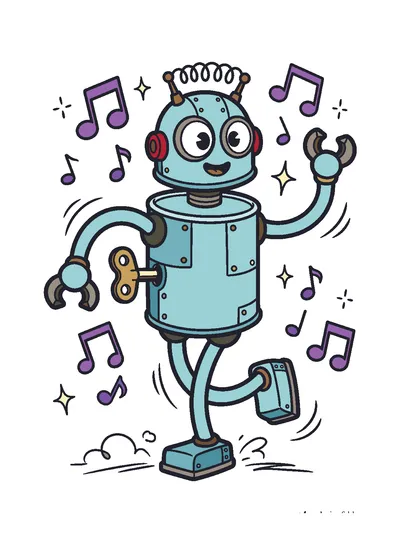
Why Dance Bots Share Songs — Under the glass roof of Northbell Station, a little wind-up robot named Hob turned his tiny brass key only one click. Tink. Read the full story →
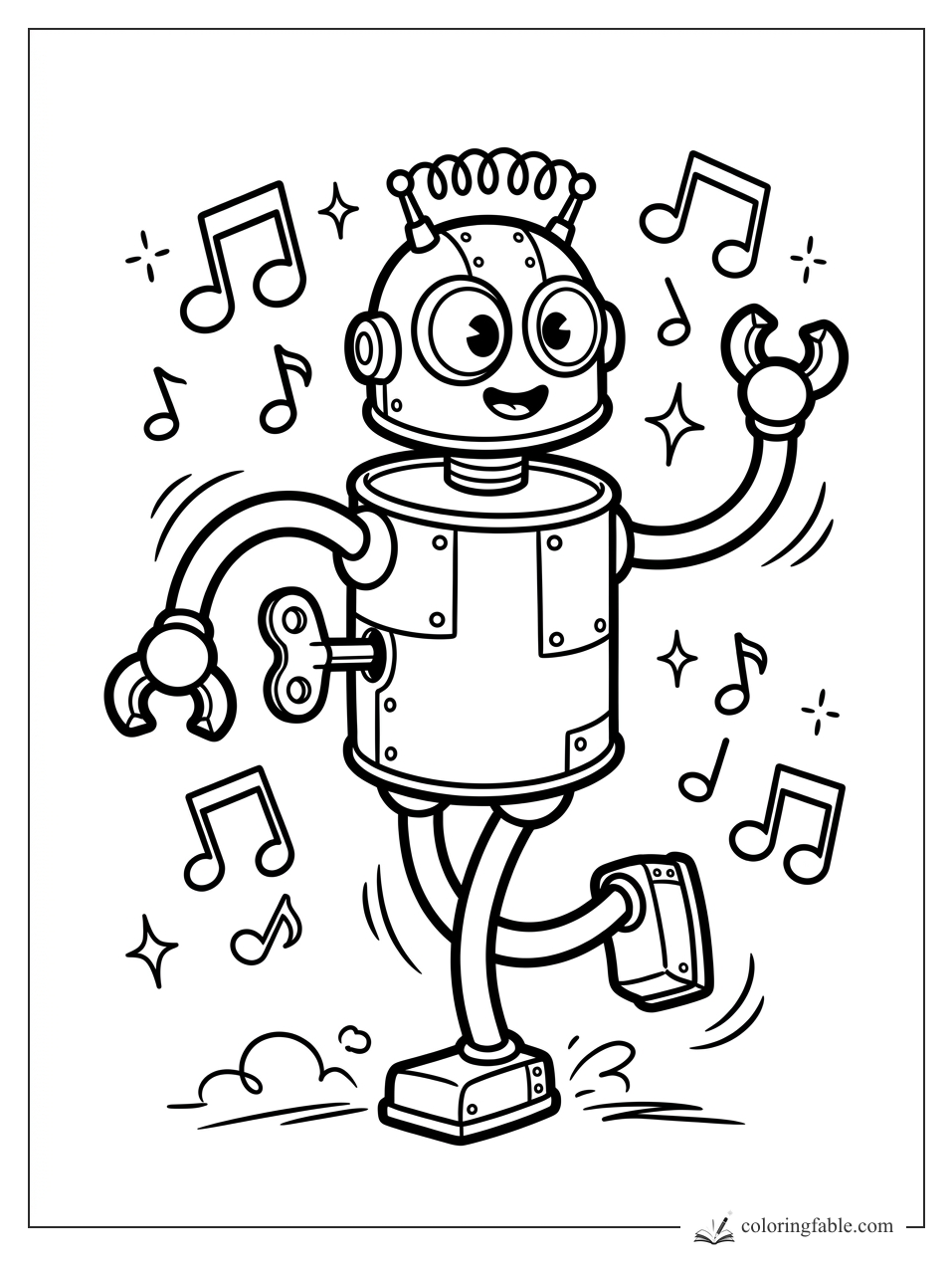
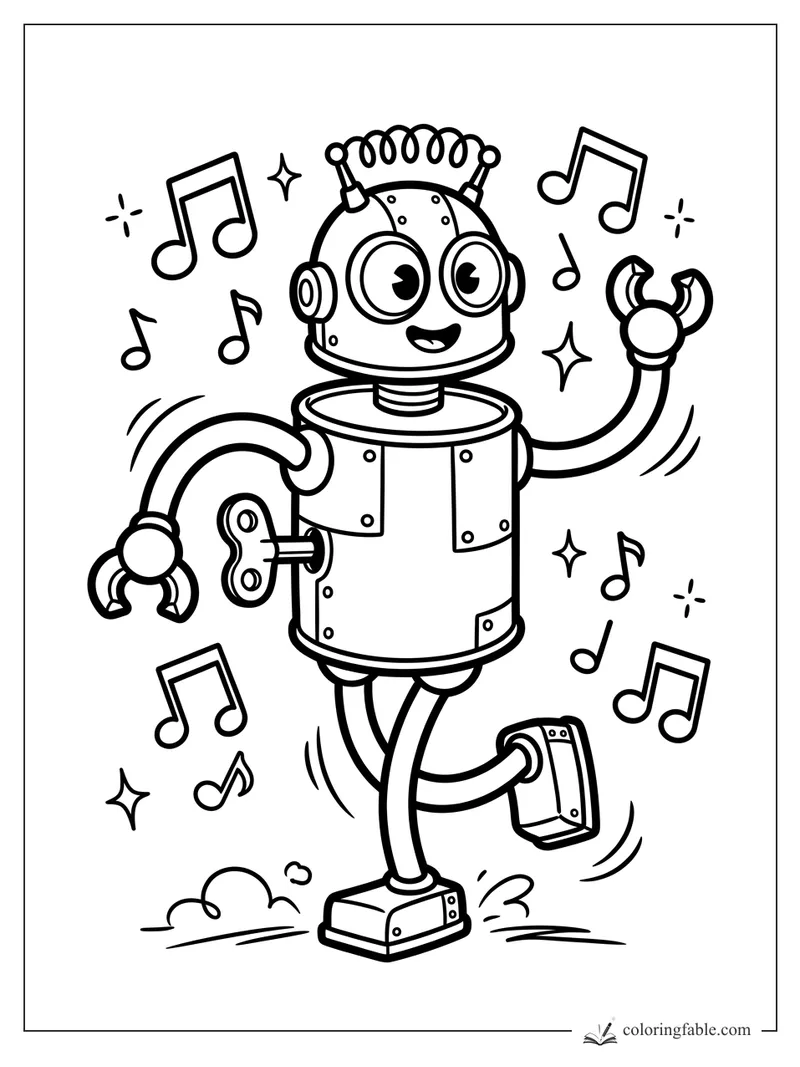
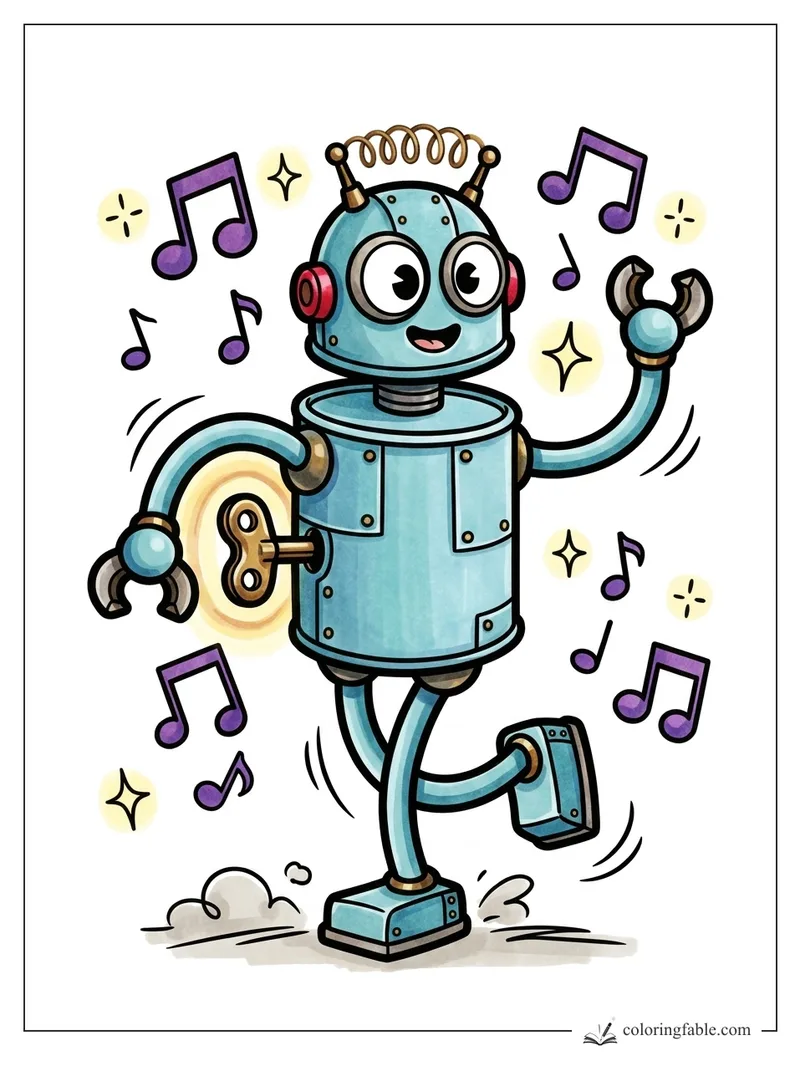
Under the glass roof of Northbell Station, a little wind-up robot named Hob turned his tiny brass key only one click. Tink. That was enough for the first three notes of his maker’s lullaby, the song she had hummed while tightening his springs with lemon-oil fingers. Hob wanted to keep the rest tucked safely inside, where the warm tick-tick could never be scratched, copied, or lost.
Then the station clock stopped. No chimes rolled over the benches. No departure bells answered the trains. Even the pigeons went quiet, their wings whispering like paper. Travelers held their tickets and waited in a hush so wide it made Hob’s metal chest feel hollow. A sleepy child asked, “Is the morning broken?”
Hob wound the brass key all the way. The hidden tune burst out bright and round, and joy filled him too quickly to stay private. His feet tapped, his claws waved, and the silent hall found its beat again: suitcase thumps, pigeon coos, ticket snaps, train sighs. Ever since, dance bots are built with keys on the outside, because the biggest songs need a way out. If you spot Hob mid-step, can you hear the warm tick-tick starting again?