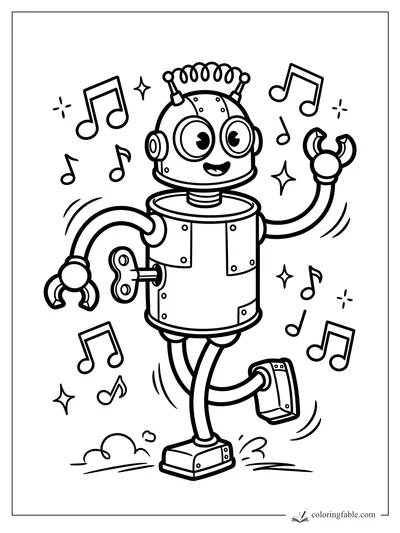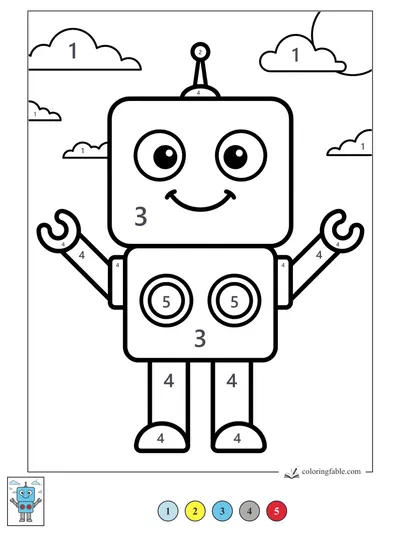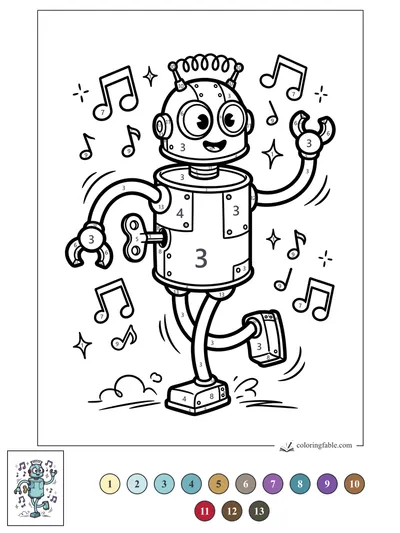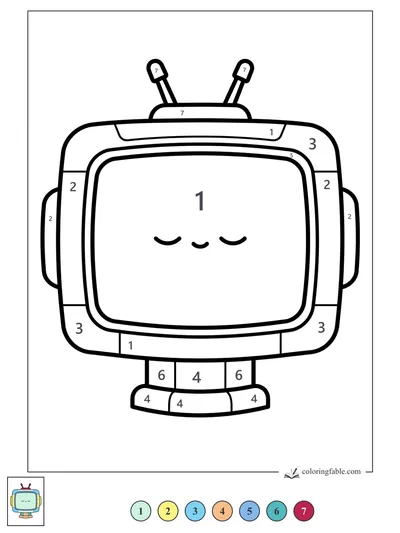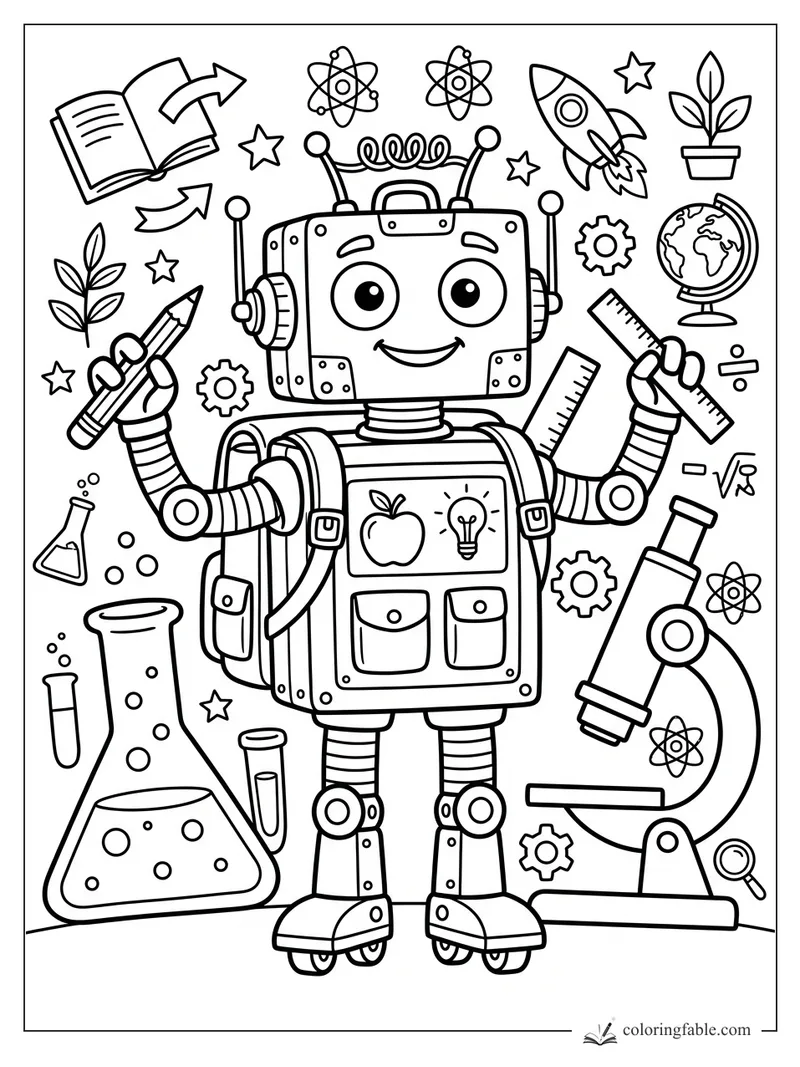
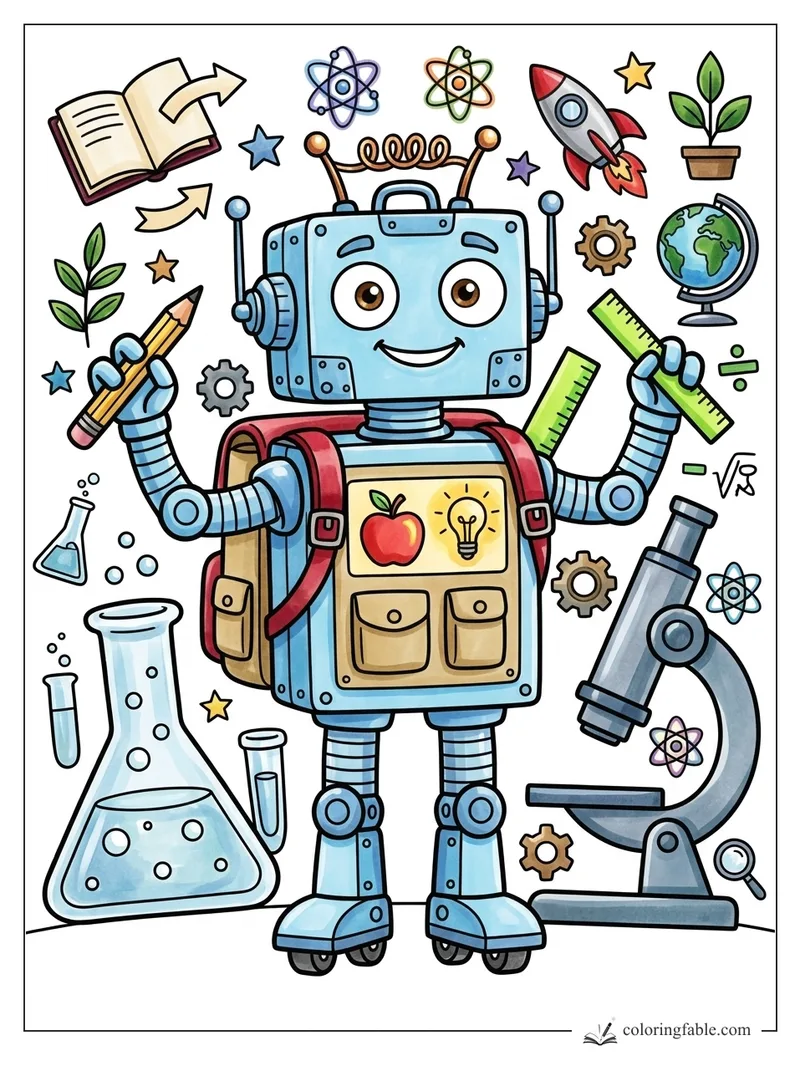

Why Lab Robots Measure Questions — Under the midnight hum of the science classroom, Ciro rolled between the dark tables, tapping a pencil against his tin palm: click, click, think. Read the full story →
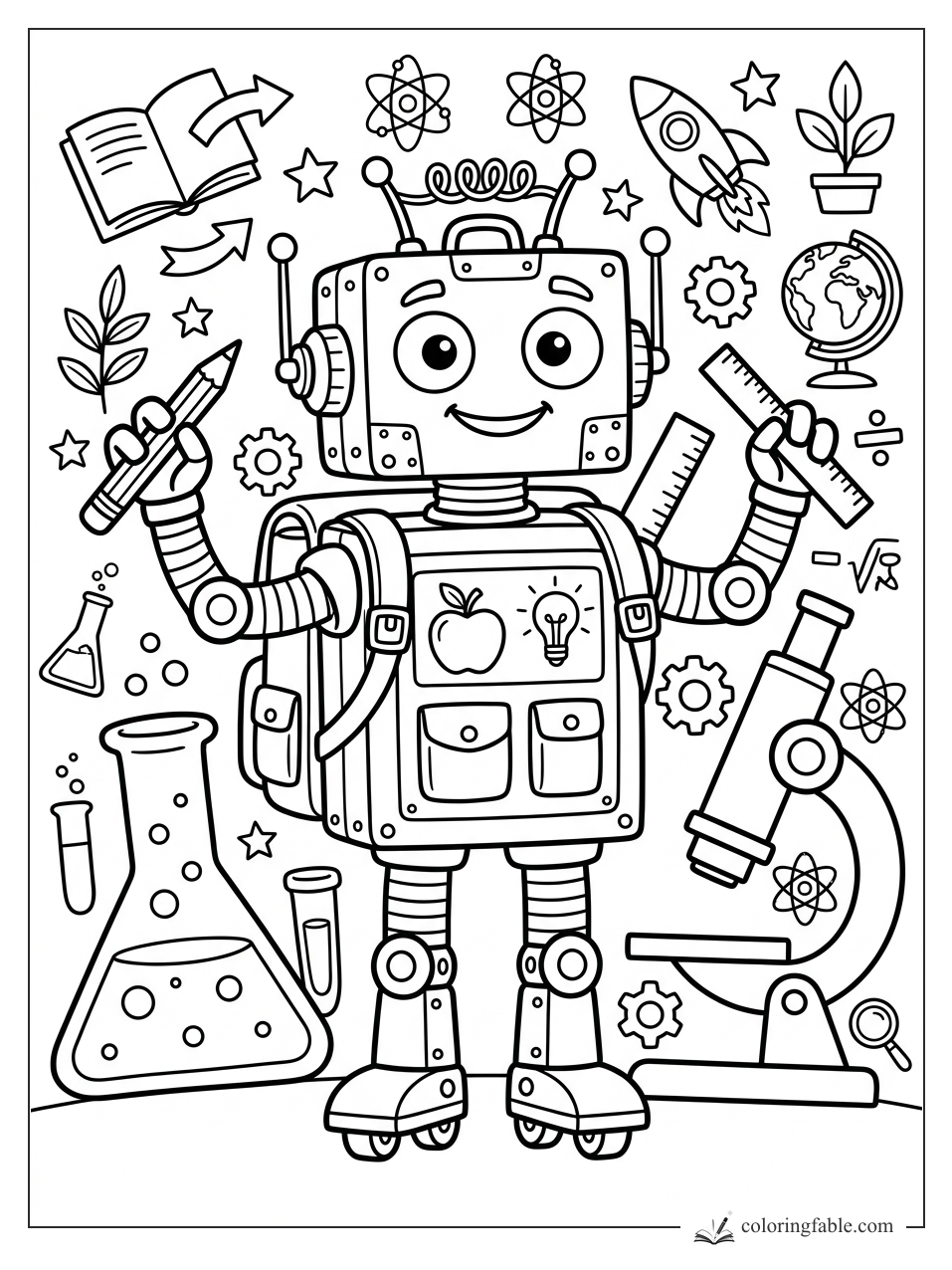
Under the midnight hum of the science classroom, Ciro rolled between the dark tables, tapping a pencil against his tin palm: click, click, think. He wanted to win the game he had just invented before the morning bell—Question Rulers. Every mystery earned a mark: Why did the globe wobble? One mark. Why did the rocket poster smell faintly of glue? Two marks. But the biggest question hovered over the teacher’s locked cabinet, where a blue light blinked behind the glass.
Ciro held up his ruler and whispered, “How long is a secret?” The ruler warmed in his claw. Its numbers slid away and became tiny glowing pictures: a leaf, a gear, a bubble, a star. Each picture matched something waiting around the room. When he touched the ruler to the beaker, it fizzed like lemon soda. When he touched the microscope, it purred. The cabinet clicked open, revealing not a prize, but a blank metal badge shaped just like his chest plate.
Ciro pressed the badge on. At once, every ruler in the room gave a soft tick-tick-tick, ready to measure not inches, but wonder. Ever since that night, lab robots have carried rulers so no question can sneak past uncounted—and if you spot Ciro’s ruler raised high, you may catch the next tick, click, think.