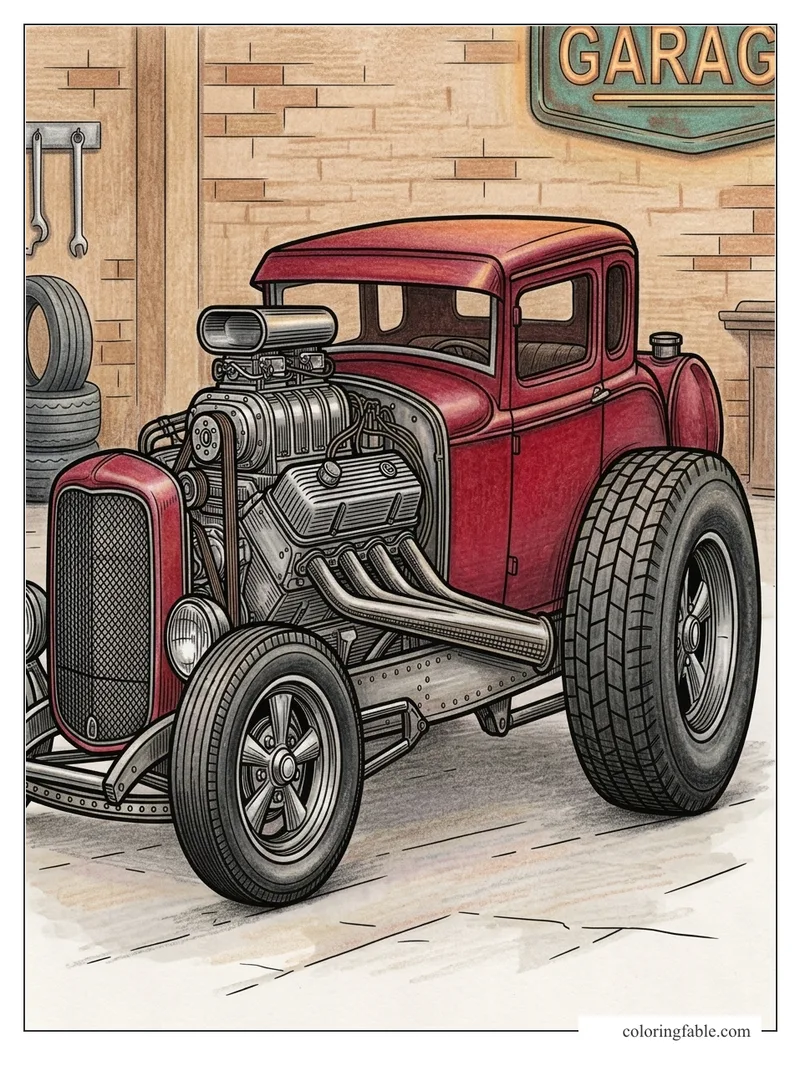
Why Hot Rods Hum Low — Behind the last brick wall on Carburetor Row, Vaughn kept clearing his throat through chrome pipes, trying to find the note that belonged to him. Read the full story →
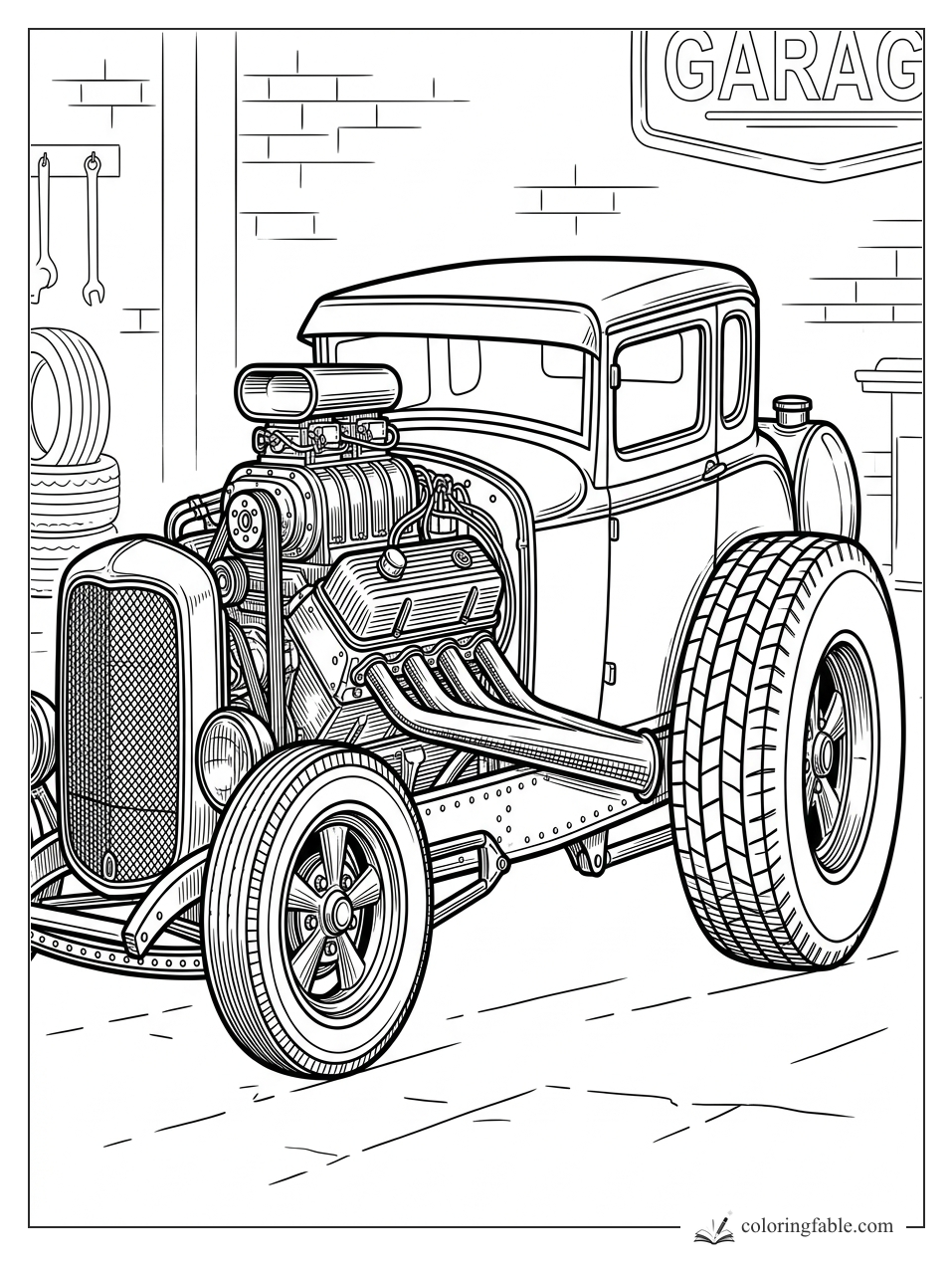
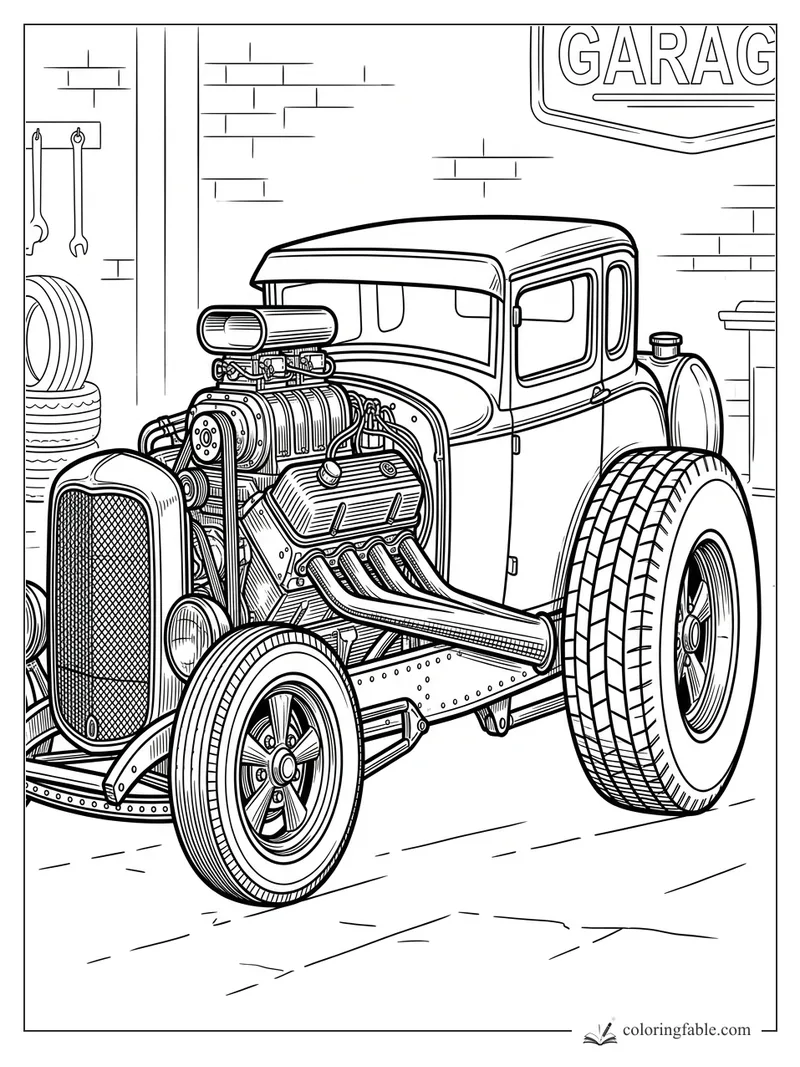
Behind the last brick wall on Carburetor Row, Vaughn kept clearing his throat through chrome pipes, trying to find the note that belonged to him. High whines bounced off the rafters. Sharp pops rattled the tire stacks. Nothing settled under his hood. Then, after midnight, the old GARAGE sign above the workbench clicked, though no hand had touched it, and a thin gold dust drifted from the lower seam like pollen from a secret flower.
You will not hear this from the manuals, but the sign had been hiding a tuning fork since the first wrench ever hung on that wall. Vaughn nudged it with one warm headlight. The fork answered with a sound so low it felt less like noise than a place to park: steady, smoky, exactly the width of his frame. Every belt, bolt, and pipe leaned toward it. “There,” whispered Vaughn, and the garage held its breath.
By morning, other hot rods were humming the same deep note before they rolled out, not to show off, but to remember where the sound lived. Ever since, a proper hot rod keeps a low hum under all its thunder, the secret note from behind the last brick wall on Carburetor Row.