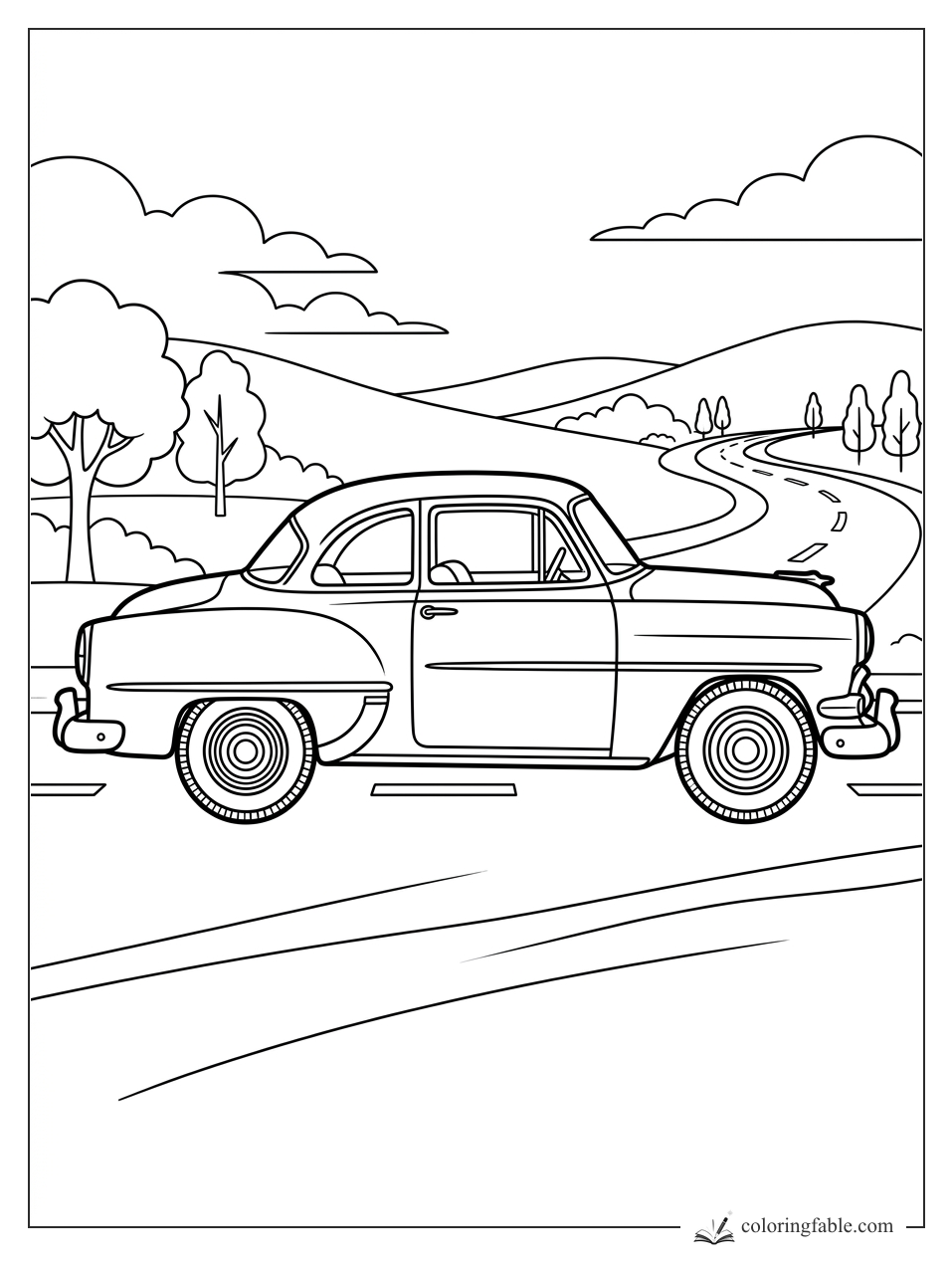
Why Roads Keep Curving — Under the long clouds, Orson rolled with one stubborn tick-tick-tick under his hood. Read the full story →
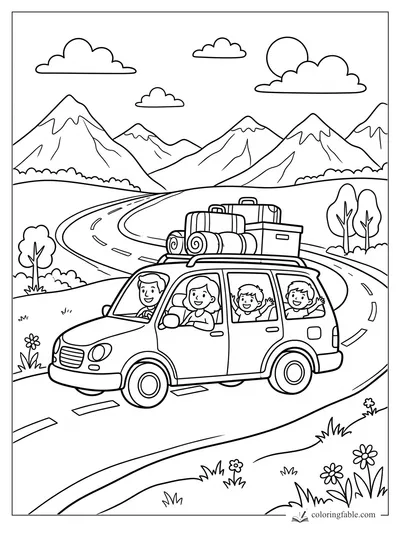
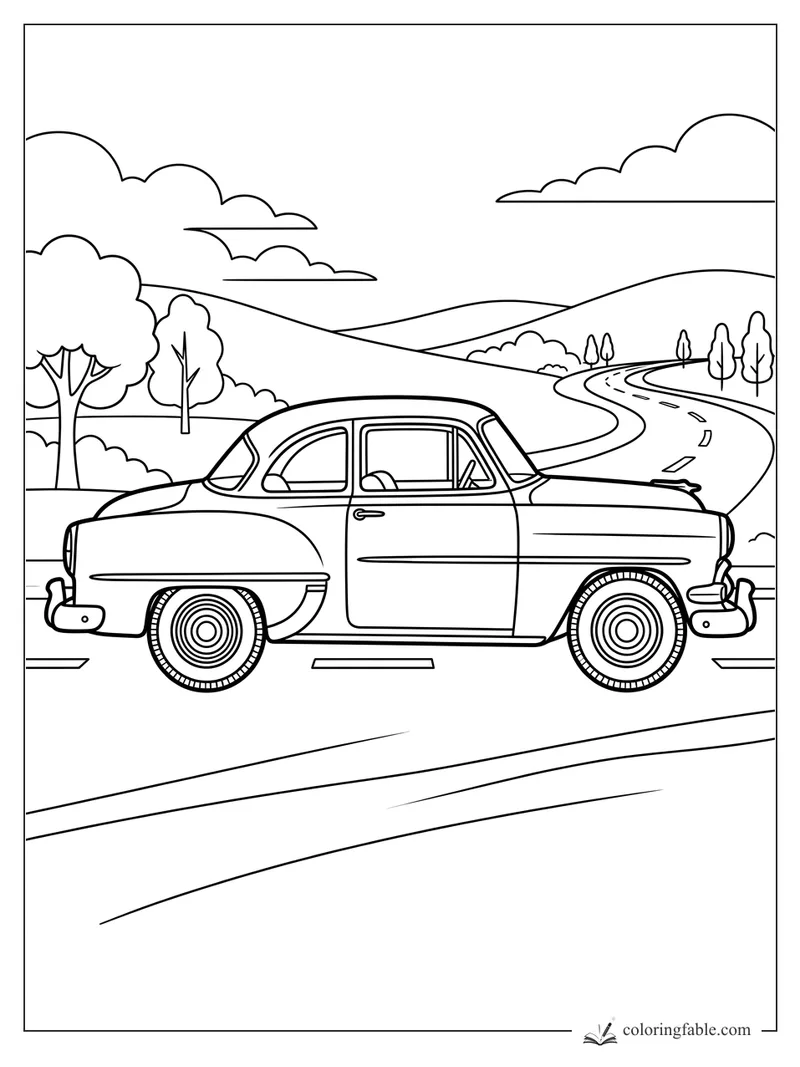
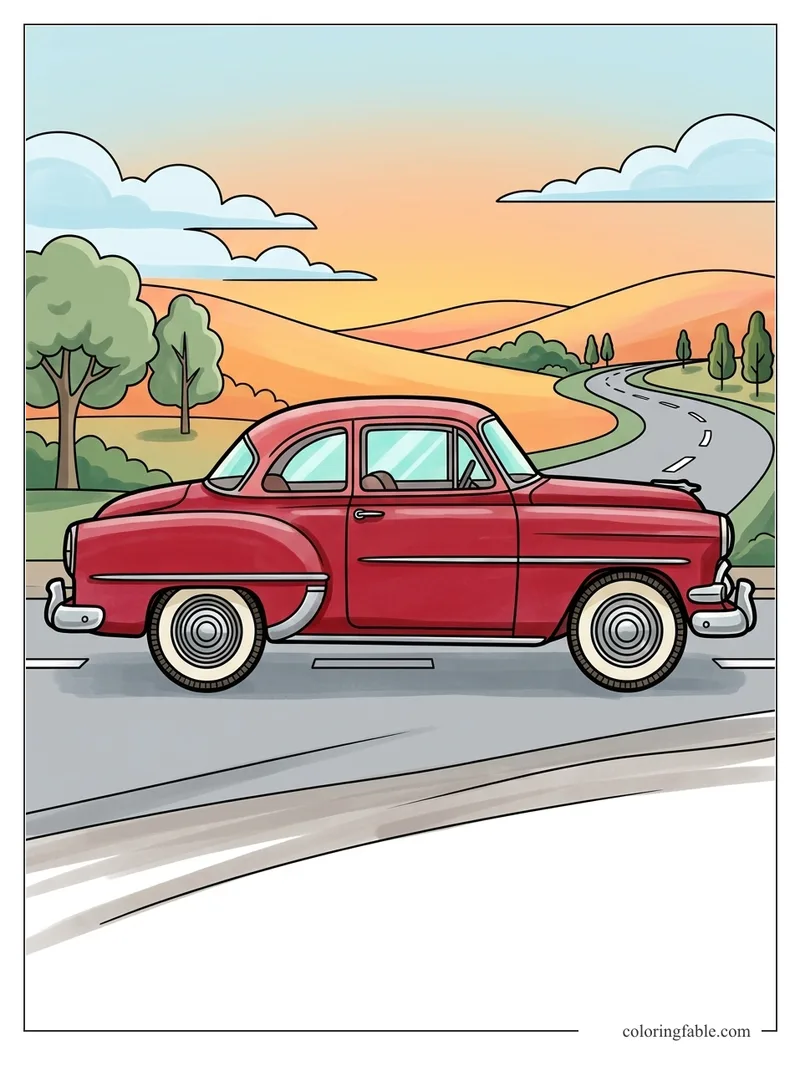
Under the long clouds, Orson rolled with one stubborn tick-tick-tick under his hood. He wanted it gone before he reached the hilltop toll bell, because every tick made his bumper twitch and every twitch made the gravel skitter like pepper in a pan. “Not the engine,” whispered Finch, the road painter, leaning close enough to smell warm rubber and clover. “Try where nobody ever tries.”
So Orson popped open the glove box. Not gloves. Not maps. Inside, behind a square of peeling velvet, spun a tiny brass compass with two needles, one pointing north and one pointing “What if?” The second needle jerked toward the empty meadow. Curiosity grabbed Orson by the headlights. He followed it—left, swoop, right, loop—while Finch hurried after him, dragging his wet white paint in bright dashed stripes.
By sunset, the straight old road had become a ribbon that bent around trees, dipped between hills, and curled toward surprises no driver could see from the start. The tick-tick stopped. Ever since, country roads keep curving because a secret compass once asked, “What if?”—and if you trace the bends behind Orson, you may feel curiosity run away with you under the long clouds.