Squirrel coloring pages with acorns, tree nests, and bushy tails
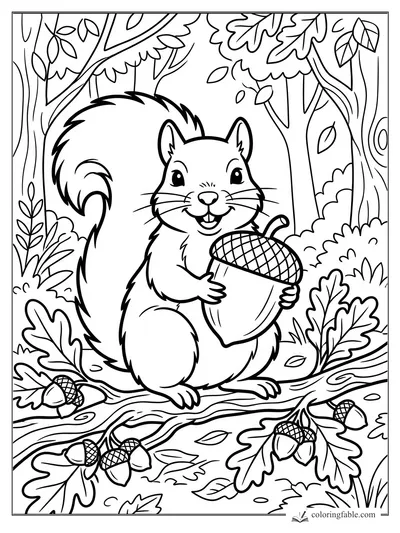
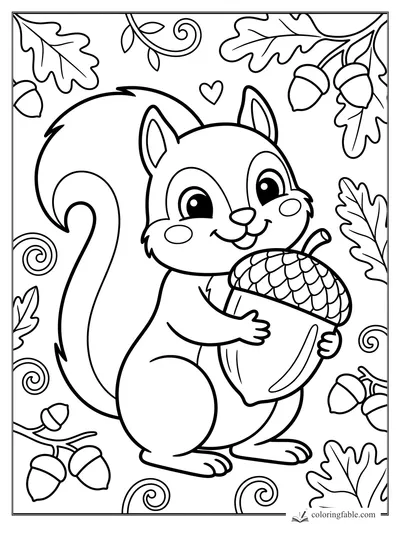
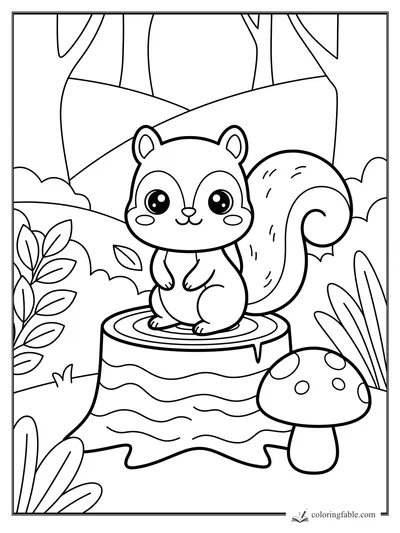
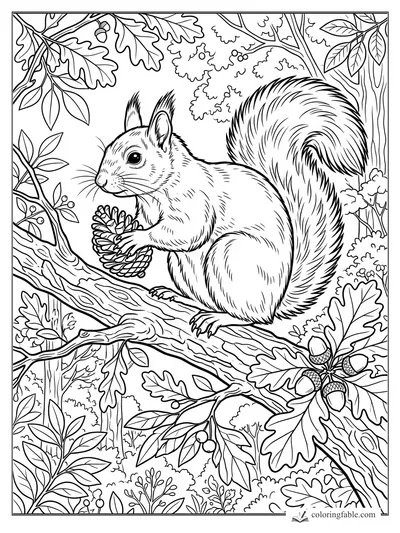
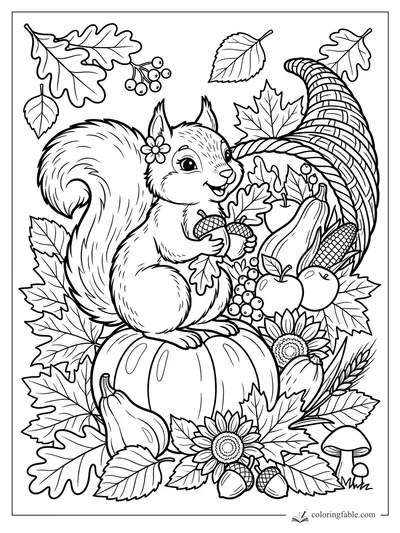
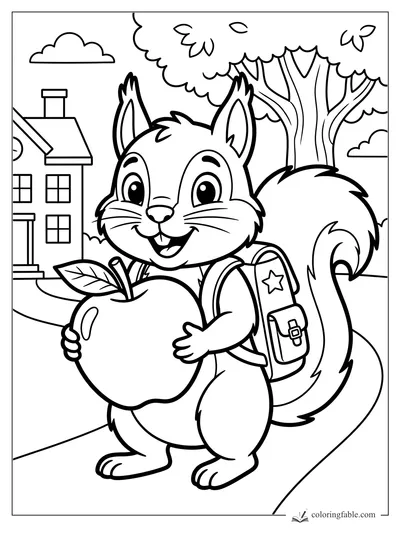
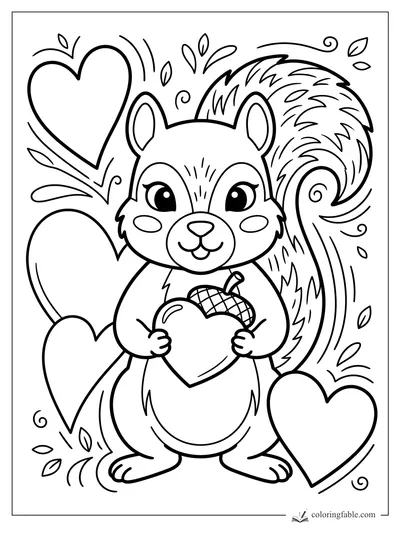
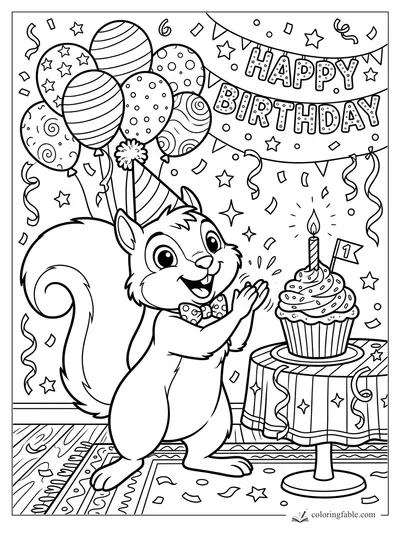
This squirrel collection includes curious backyard poses, acorn-gathering scenes, leafy branches, hollow logs, and big fluffy tails ready for coloring. Younger kids can start with bold, simple squirrels holding nuts or sitting on a stump, while older children and adults can try pages with bark textures, autumn leaves, pinecones, and more detailed fur. It is a good fit for animal units, fall craft time, forest-themed lessons, or a quiet afternoon activity for anyone who has watched a squirrel dart across a fence.
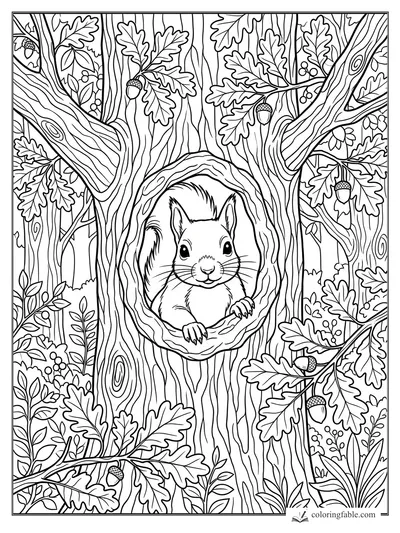
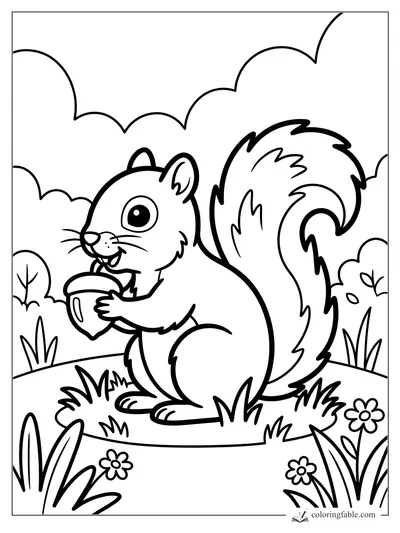
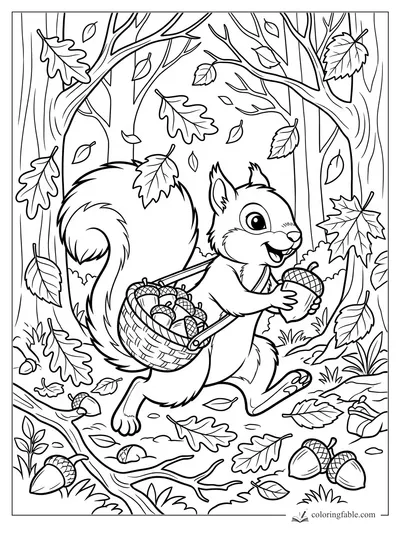
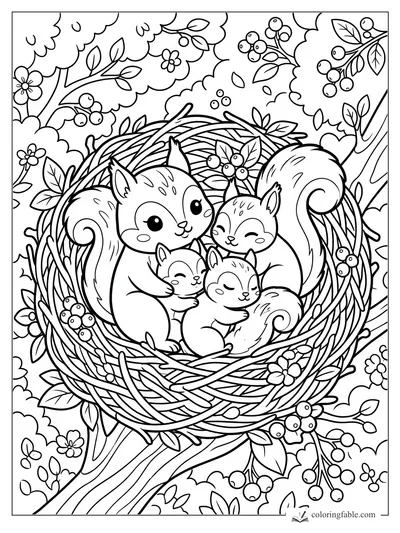
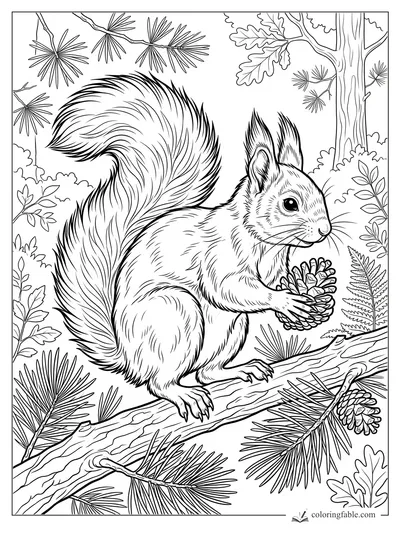
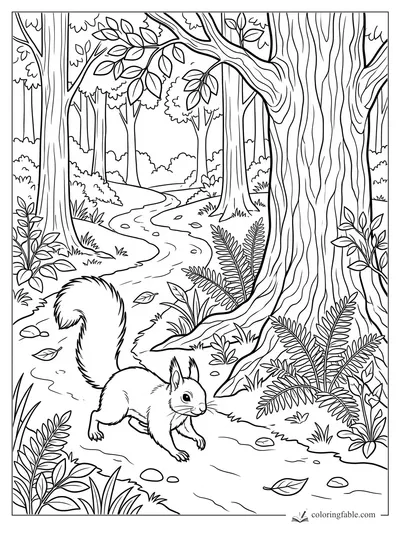
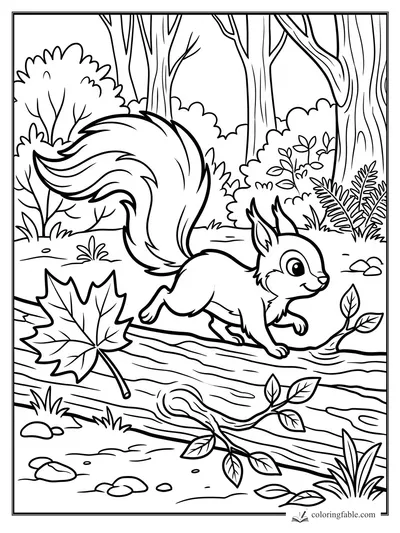
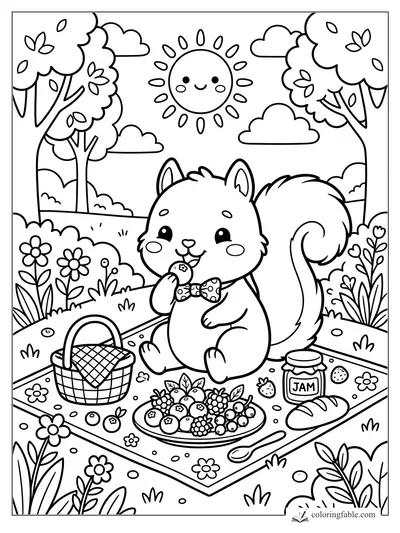
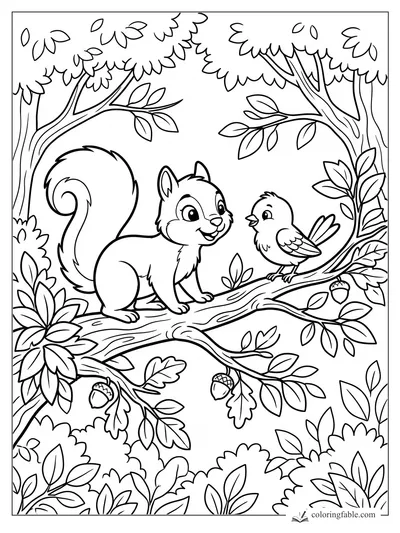
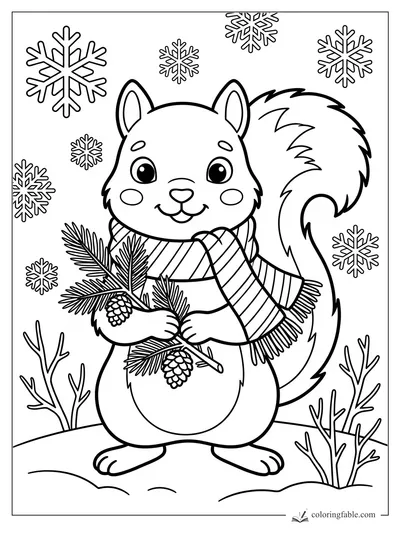
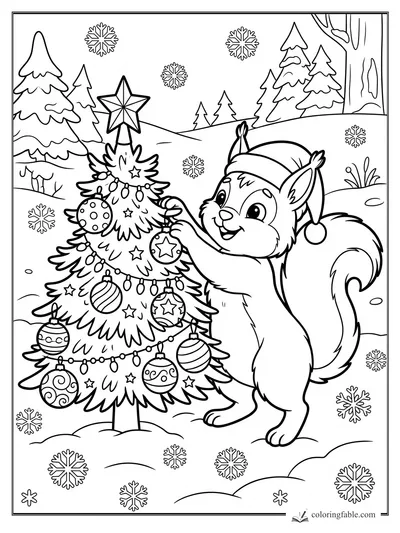
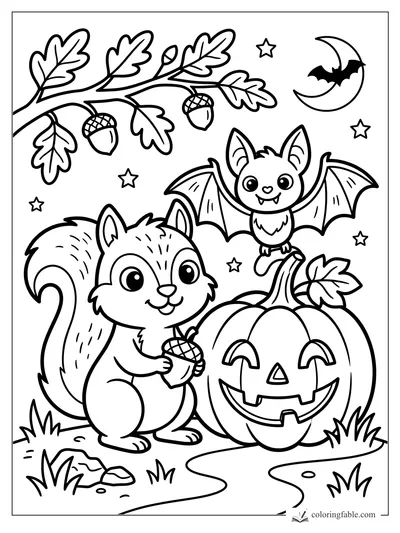
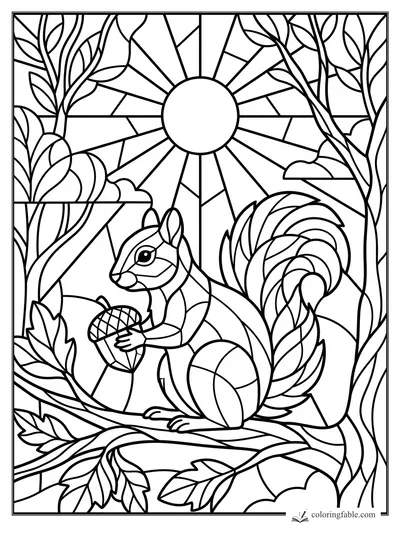
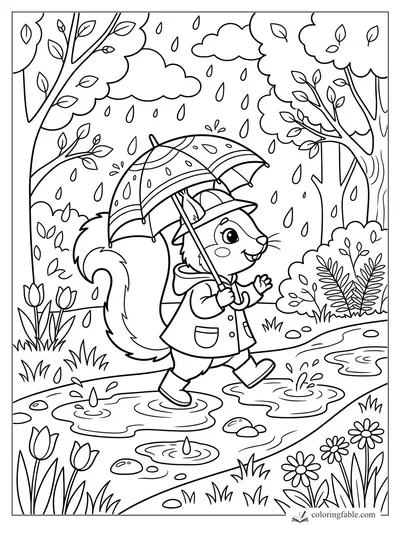
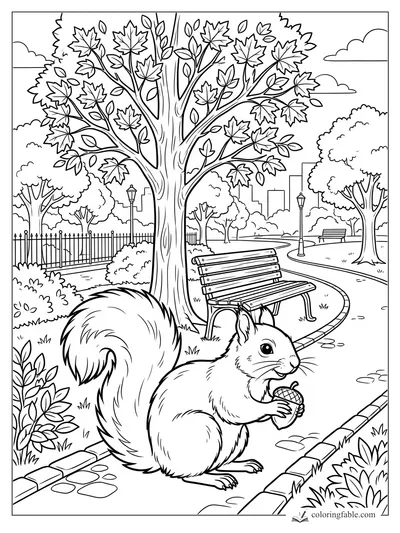
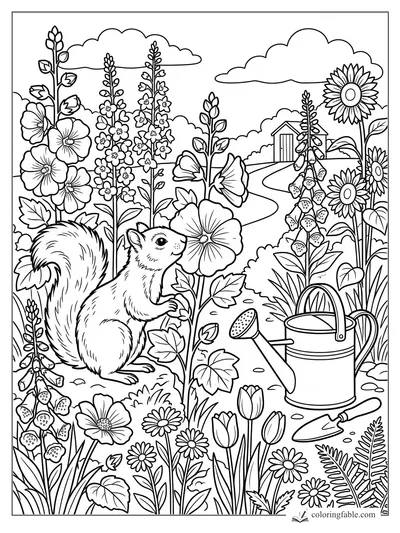
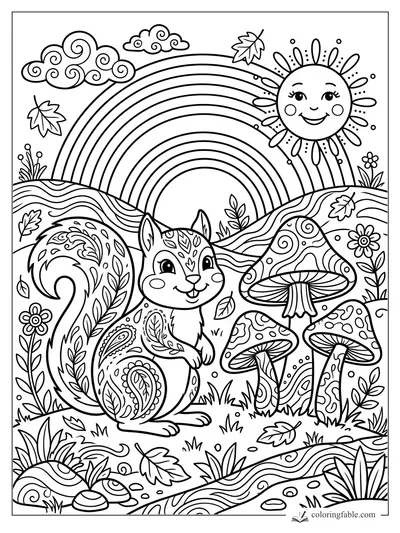
Squirrel pages by style, mood and season
Fun facts to share while coloring
Squirrels are rodents, which means their front teeth never stop growing; chewing nuts, bark, and twigs helps keep those teeth worn down. Many tree squirrels build leafy nests called dreys high in branches, often tucked close to the trunk for shelter. When they bury acorns and other nuts, they are storing food for later, but forgotten seeds can grow into new trees. A squirrel’s tail is more than decoration: it helps with balance while leaping, acts like a warm blanket in cold weather, and can flick signals to other squirrels when danger is nearby.
Coloring tips
For a classic squirrel palette, use soft gray or reddish brown for the body, creamy beige for the belly and chin, dark brown or black for the eyes, tan for tiny paws, and rich browns for acorns and tree bark. Add olive green, golden yellow, rust orange, and deep red if the page has fall leaves. Short, layered pencil strokes work especially well on squirrel fur; curve the strokes around the tail to make it look full and fluffy. Try stippling the acorn caps with tiny dots. For a playful twist, turn the scene into a “secret stash” picture by adding hidden acorns in bark cracks, under leaves, or beside the squirrel’s nest.