Wolf coloring pages with pups, packs, and moonlit forest scenes
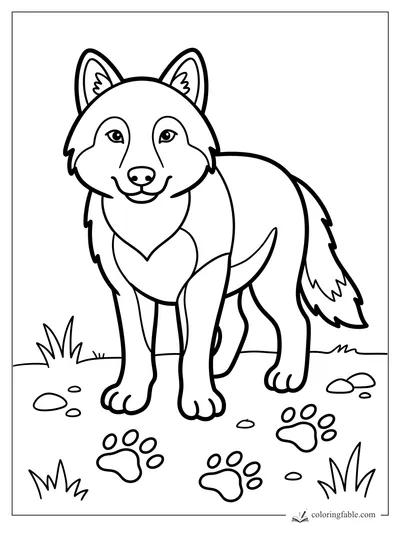
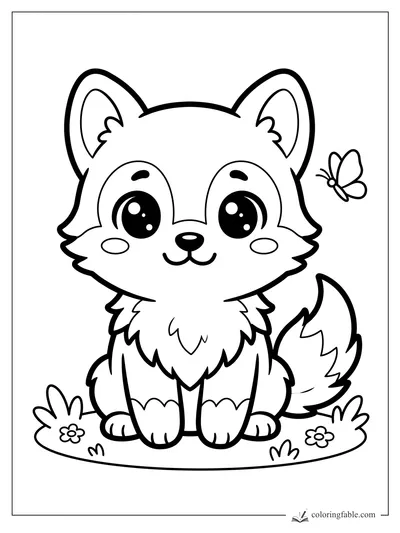
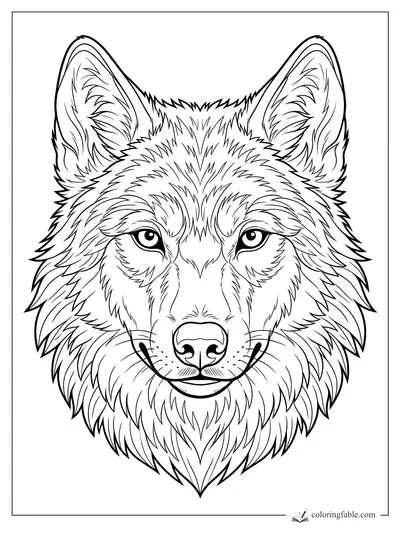
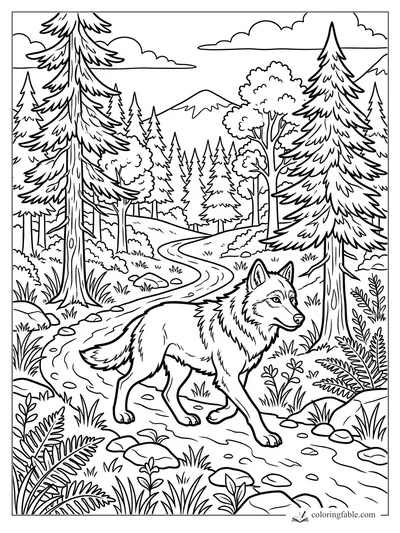
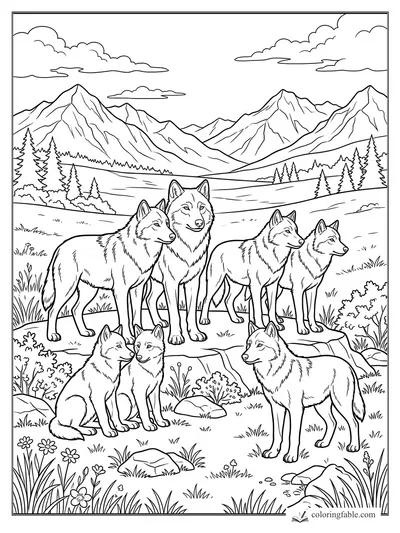
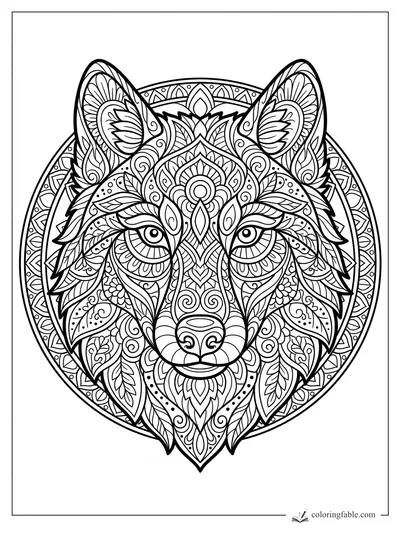
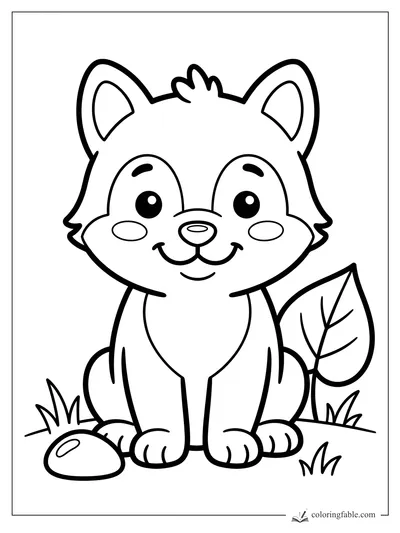
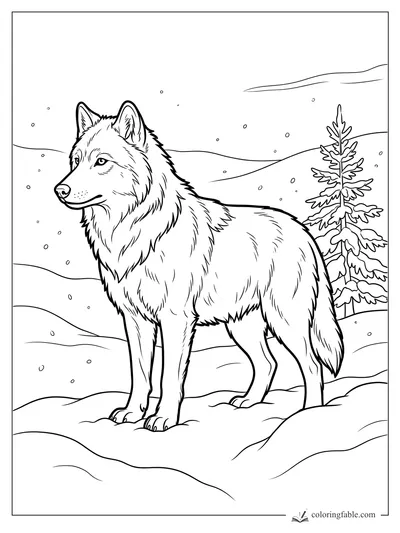
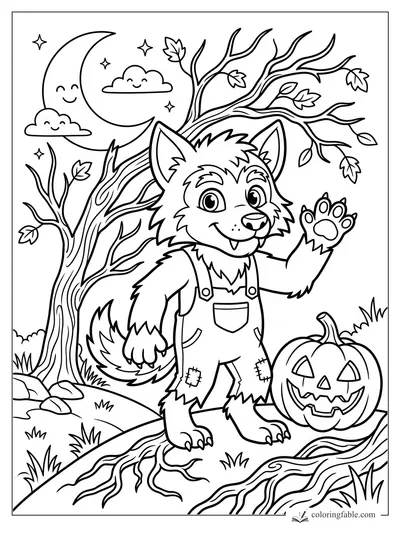
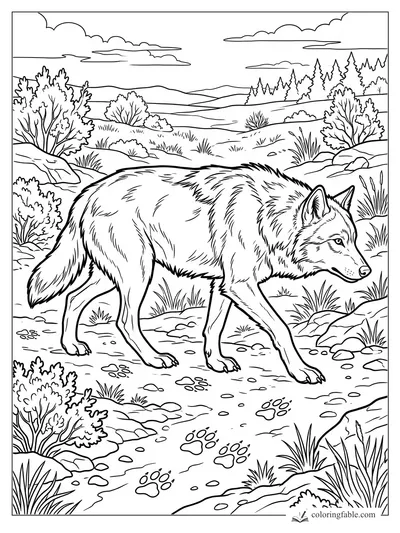
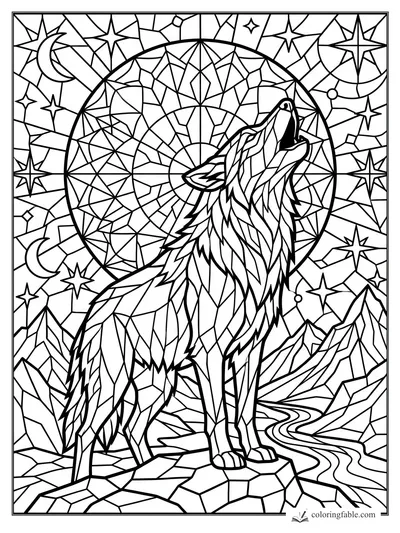
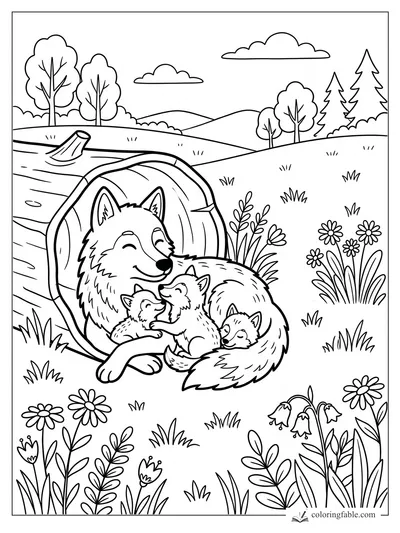
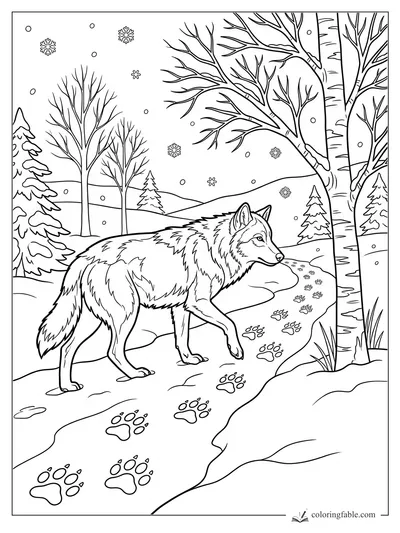
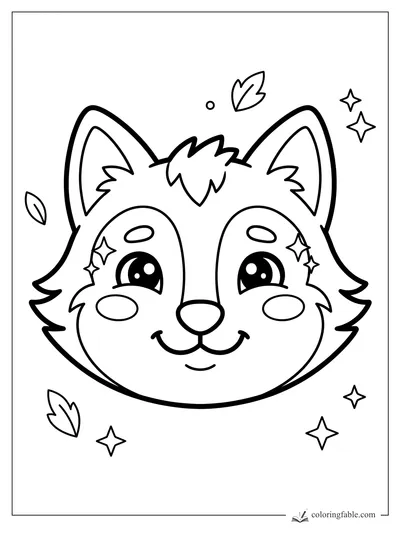
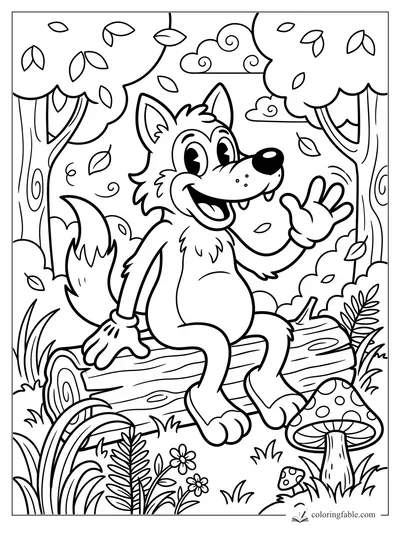
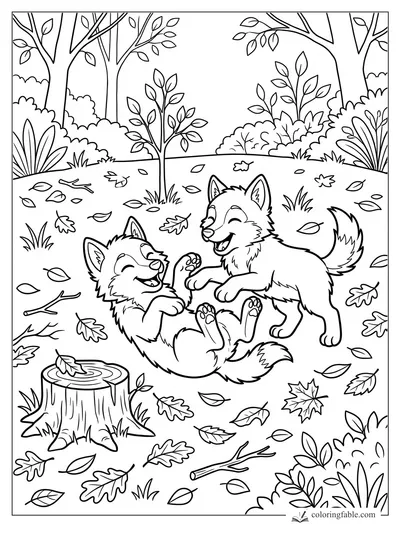
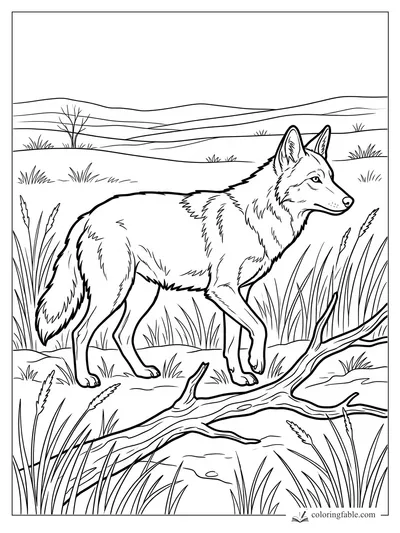
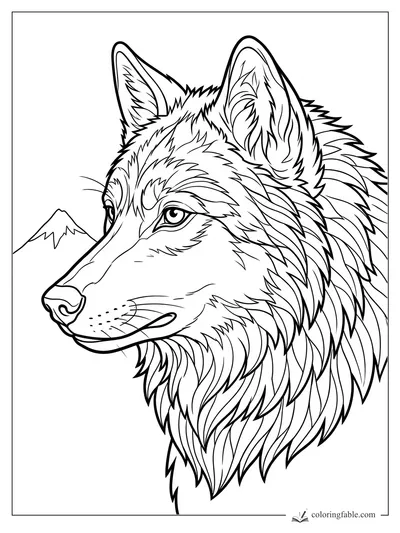
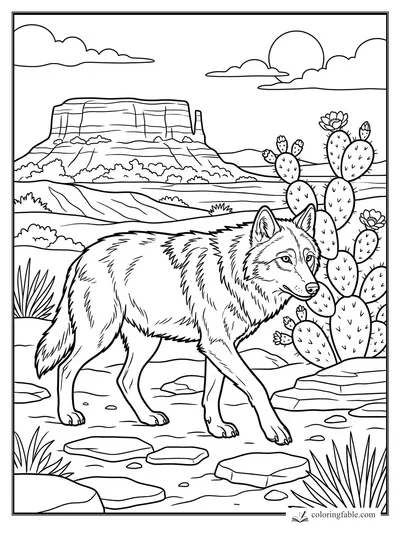
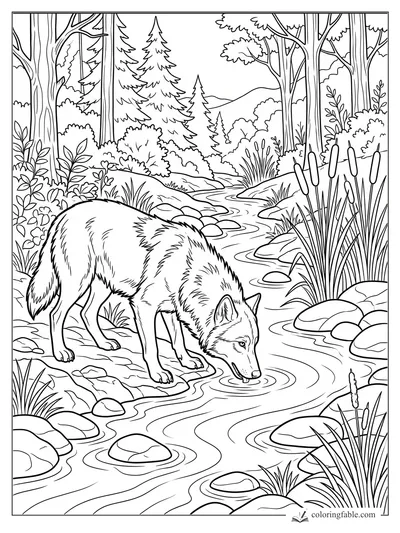
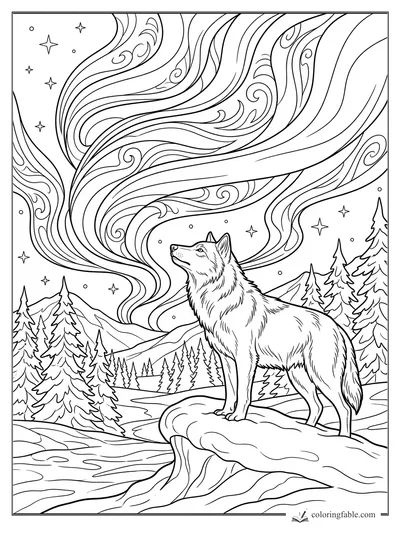
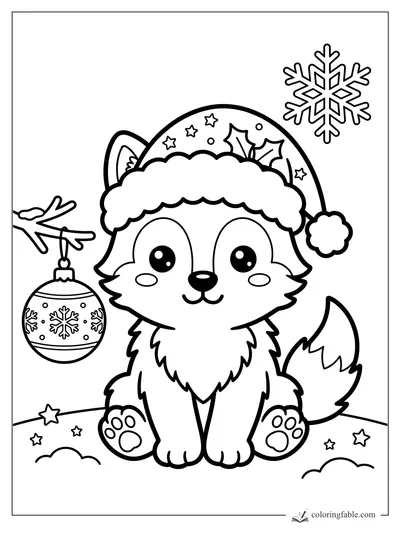
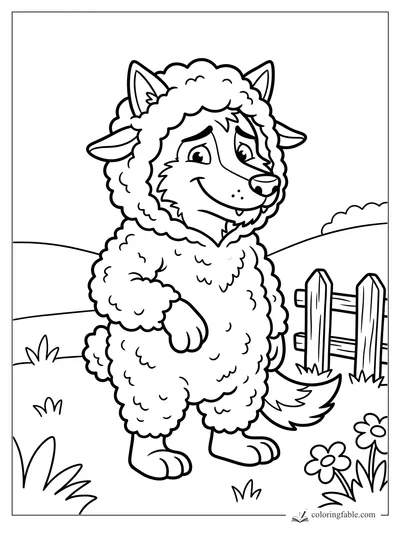
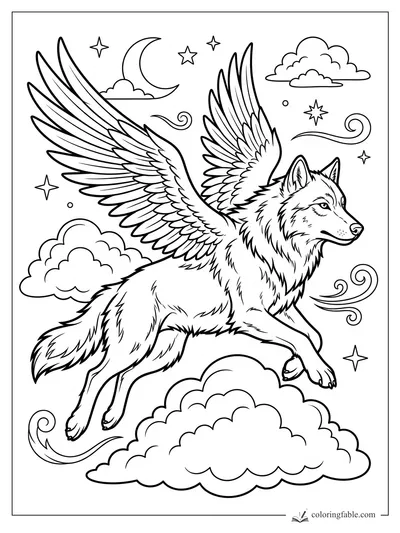
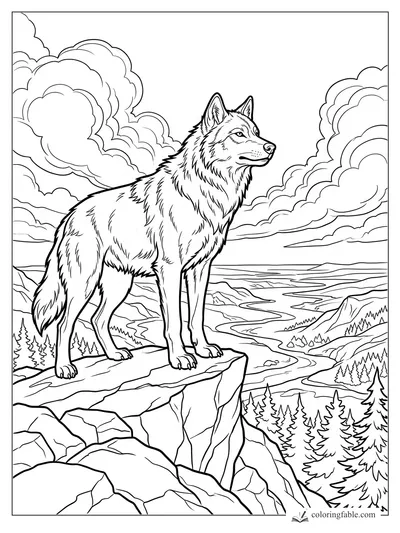
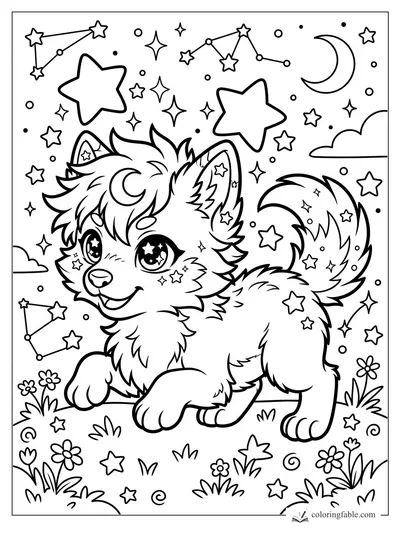
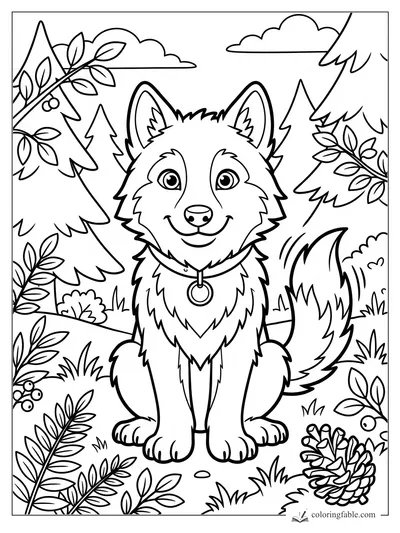
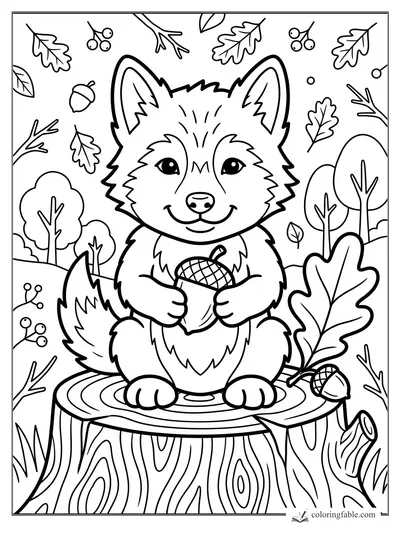
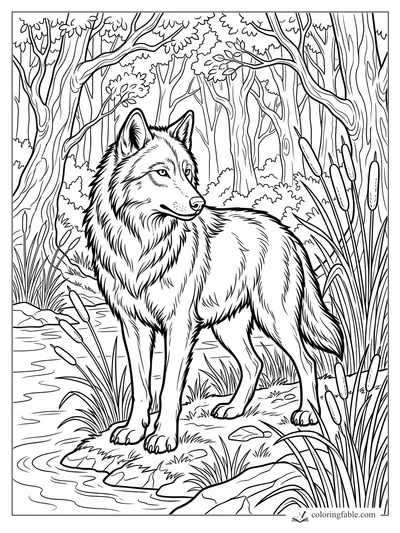
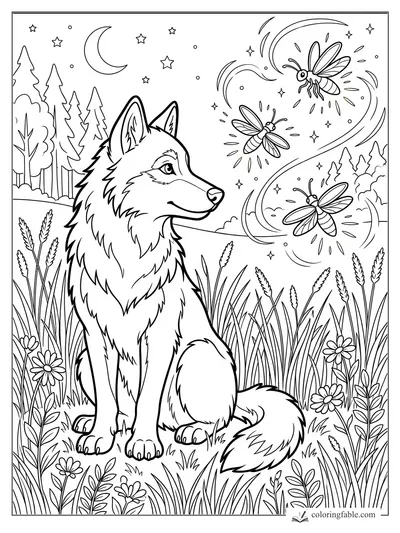
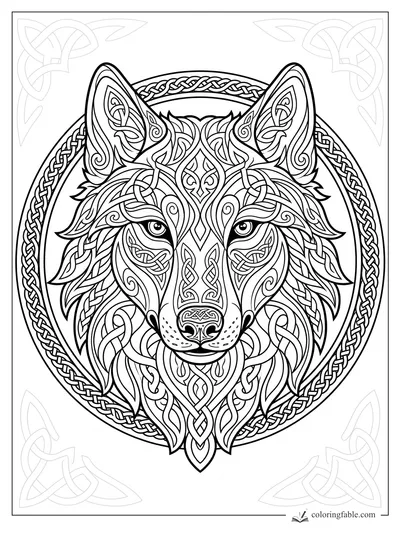
This wolf collection gathers printable pages of lone wolves, howling silhouettes, playful pups, close-up faces, and packs moving through pine forests and snow. Younger colorers can start with bold, simple outlines of sitting wolves or big-pawed cubs, while older kids, teens, and adults can try fur textures, alert eyes, rocky dens, and night-sky backgrounds. The mix works well for animal units, wilderness-themed classroom activities, scout projects, or a quiet afternoon for anyone who loves North American wildlife and dramatic forest scenes.
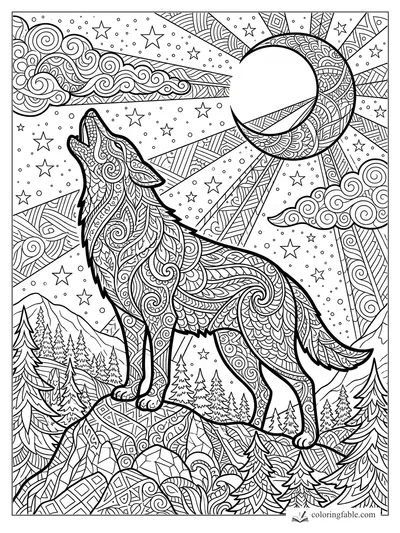
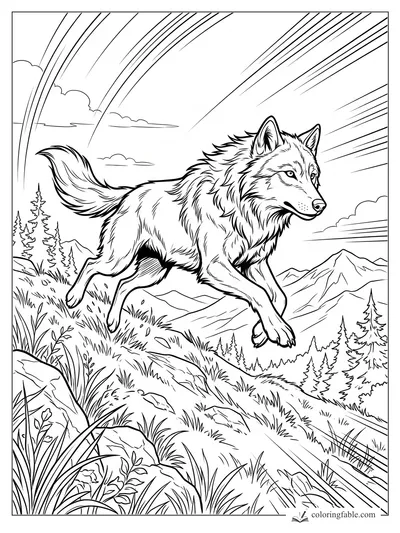
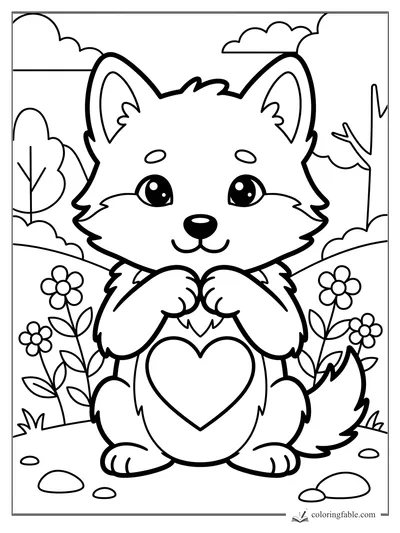
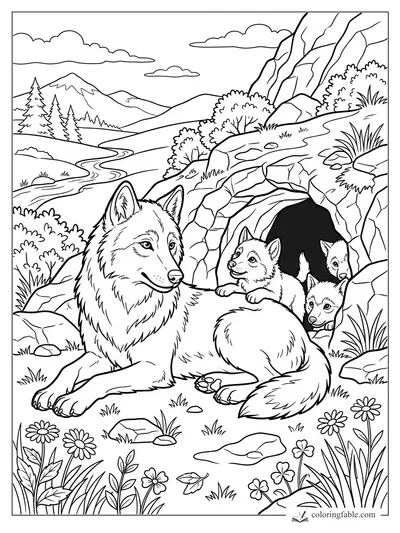
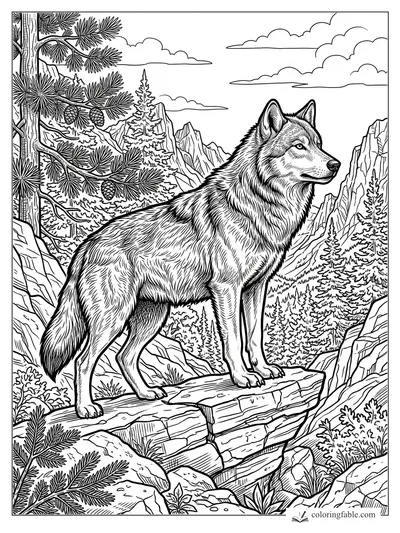
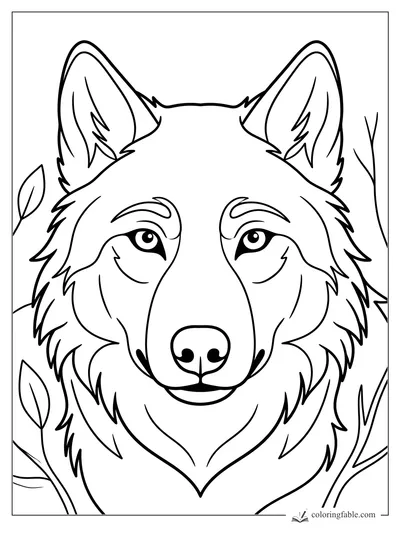
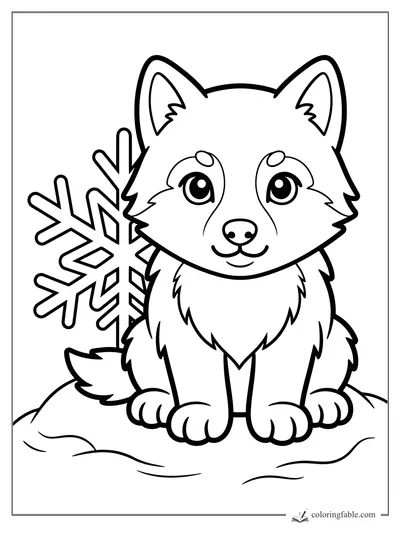
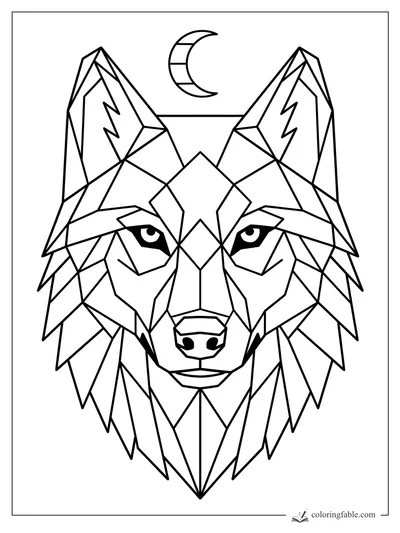
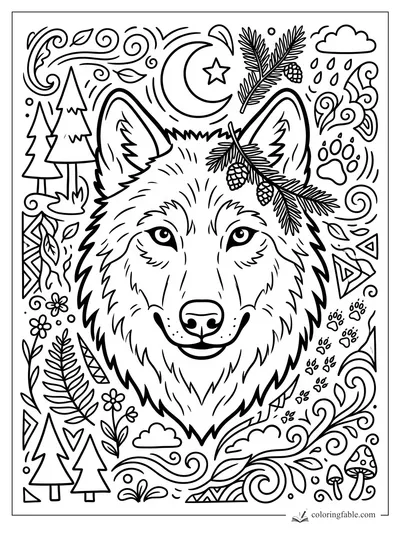
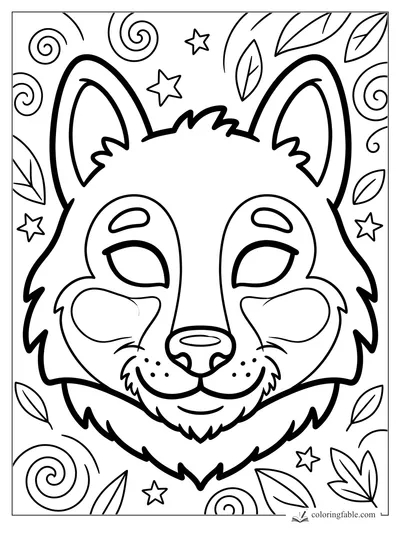
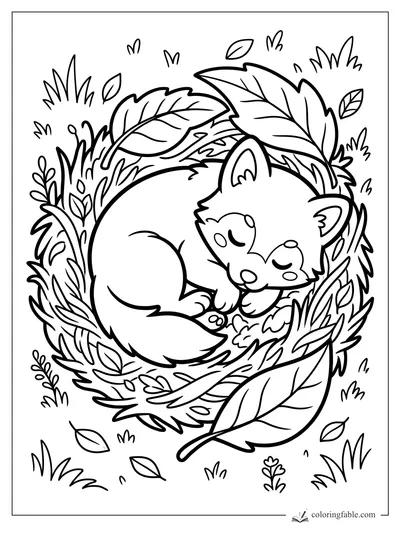
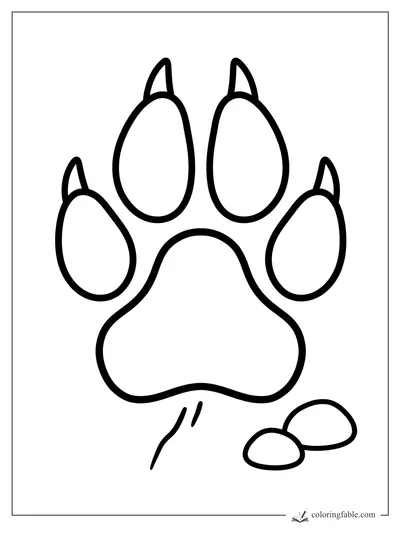
Wolf pages by style, mood and season
Fun facts to share while coloring
Wolves are members of the dog family, just like coyotes, foxes, and domestic dogs. A wolf pack is usually a family group, often led by a breeding pair and including their pups from recent years. Their famous howl can help pack members find one another and warn neighboring wolves to stay away. Gray wolves do not only come in gray; their coats can be white, black, brown, tan, or a mix of shades. In the wild, wolves use teamwork to hunt large animals such as deer, elk, and moose, but they may also eat smaller prey when that is what the habitat provides.
Coloring tips
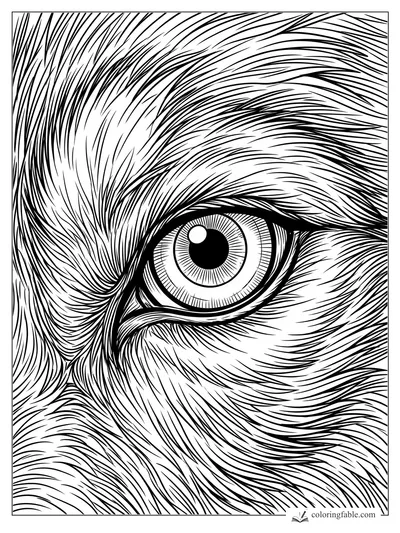
Build a wolf palette with charcoal gray, silver, ash brown, cream, white, and touches of black around the nose, ears, paws, and tail tip. For eyes, try amber, pale gold, or icy yellow, then add a tiny white highlight to make the stare feel alert. Wolf fur looks best when colored in short strokes that follow the body: down the muzzle, around the ruff, along the back, and outward on the tail. Layer light gray first, then deepen the shadows under the belly and behind the legs. For a theme-specific twist, turn the background into a moonlit territory map with pine trees, paw prints in snow, and a distant echo line for a howl.
📕 Prefer it as a book?
TheWolf Coloring Book: 20 pages hand-picked from this catalog, ordered from easy to intricate, with a personalized cover. One free PDF.