Owl Coloring Pages for Kids: Barn Owls, Snowy Owls, and Night Scenes
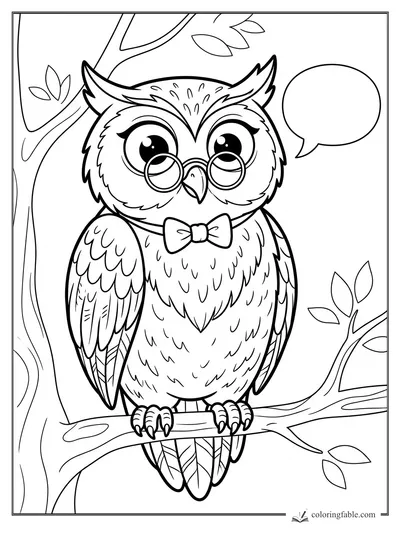
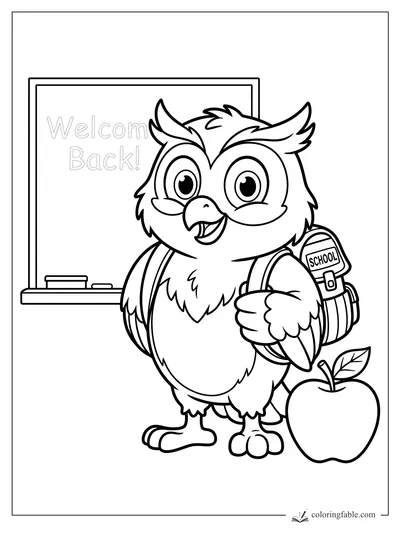
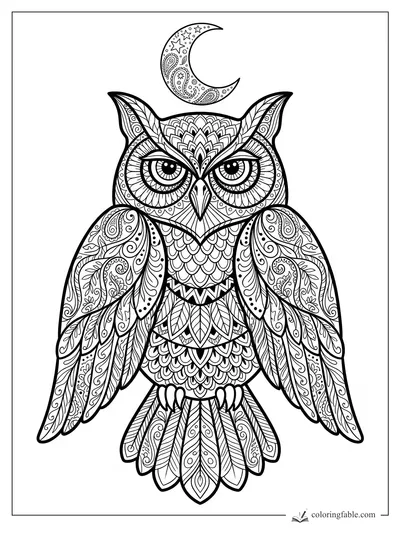
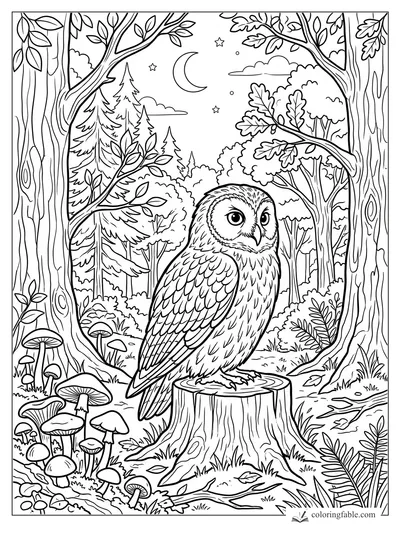
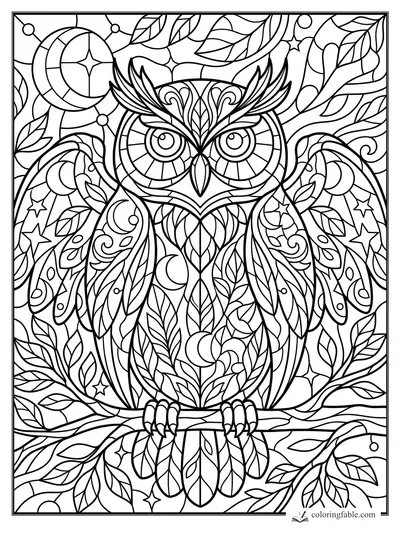
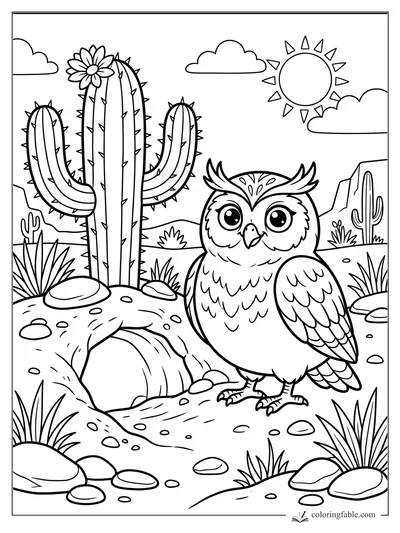
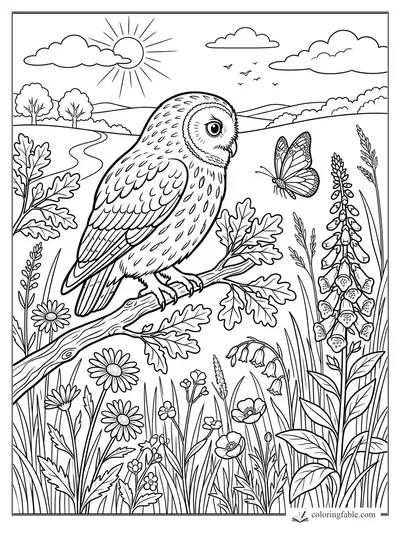
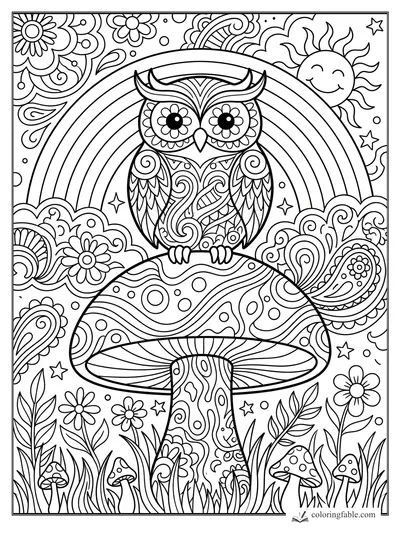
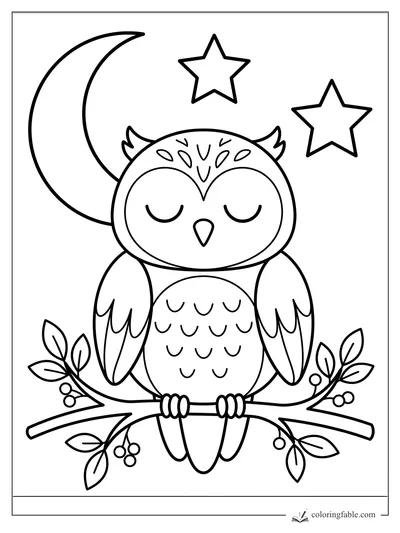
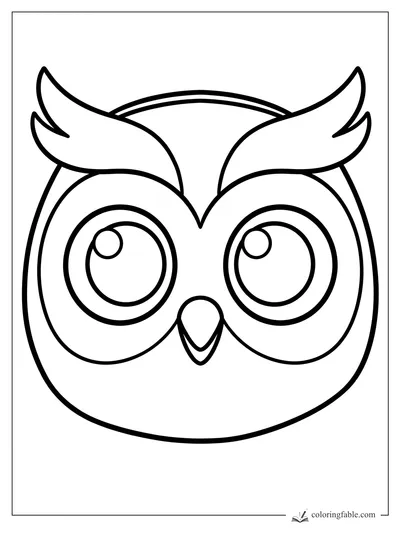
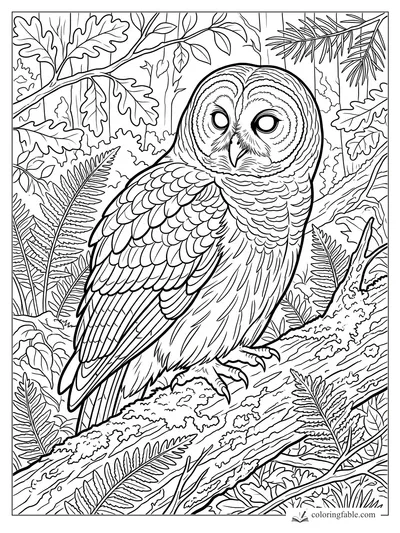
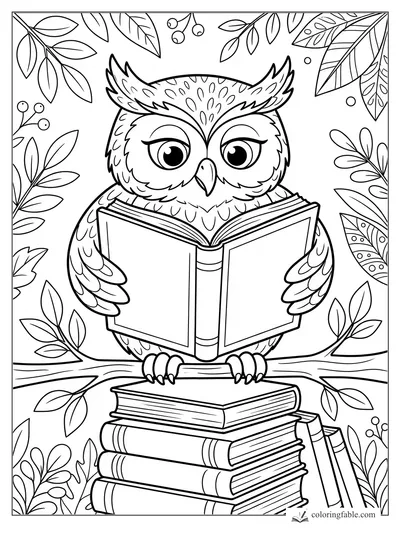
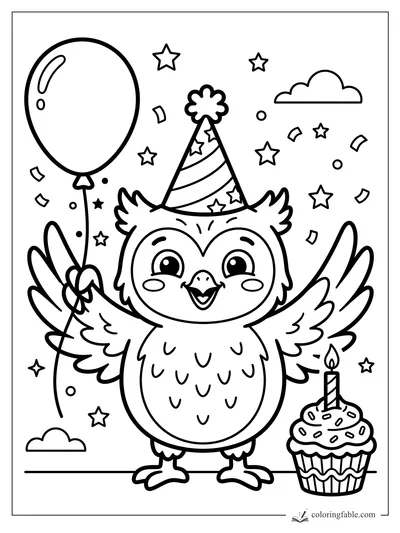
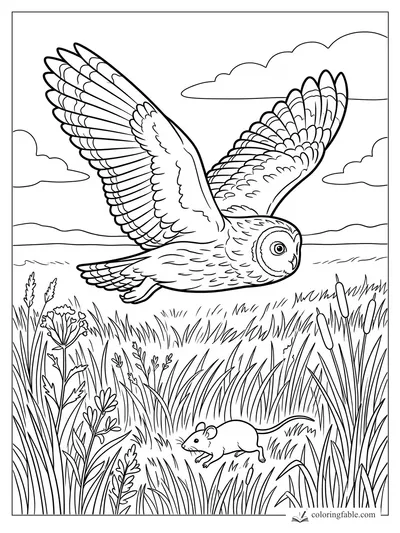
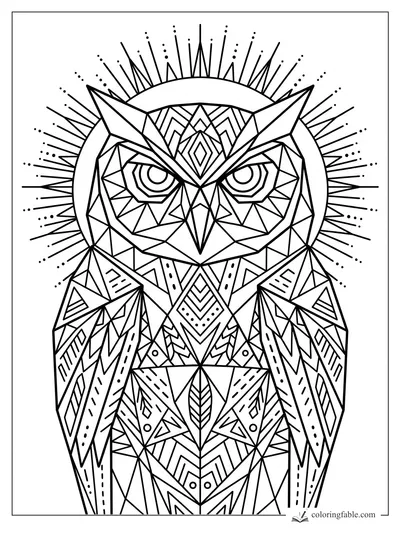
This owl collection brings together printable pages with big-eyed owlets, perched barn owls, snowy owls in flight, forest branches, moon shapes, and feather patterns to fill in. Younger colorers can start with bold outlines and wide faces, while older kids and adults can try pages with layered wings, patterned chests, and detailed tree bark. The mix works well for animal units, nocturnal-creature lessons, quiet art time, or anyone who loves birds with a little mystery in their stare.
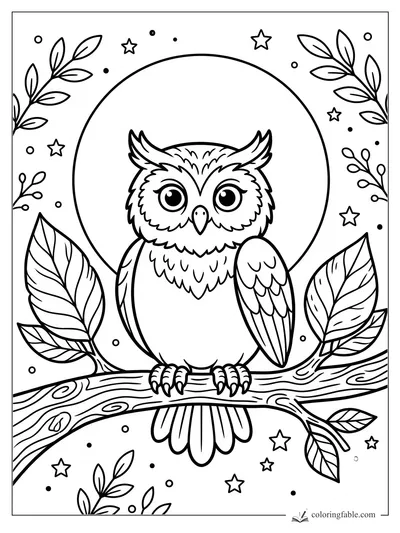
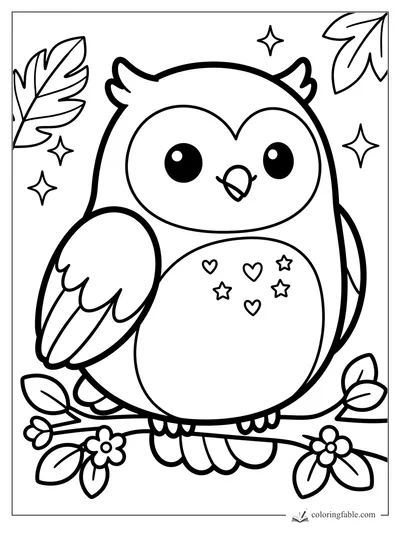
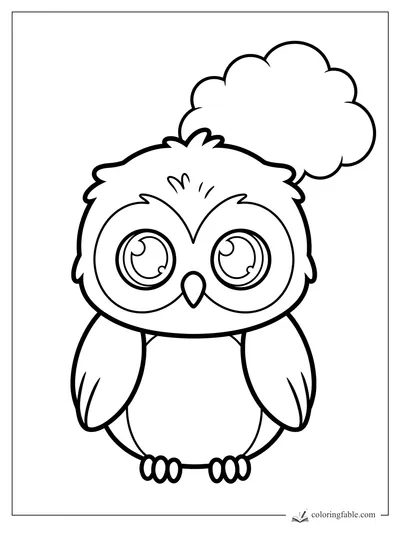
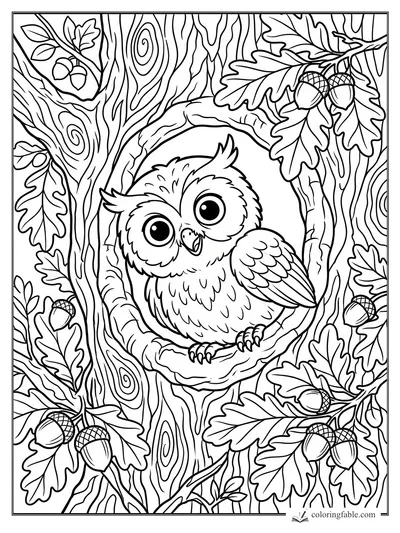
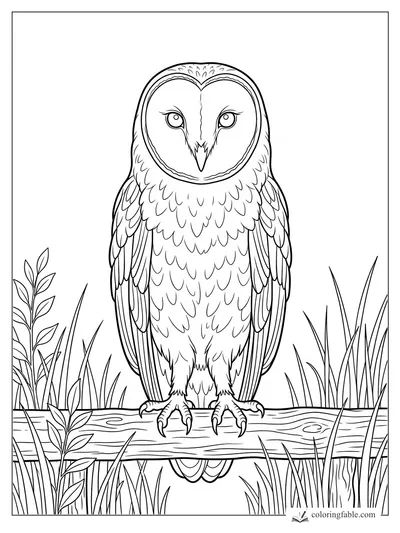
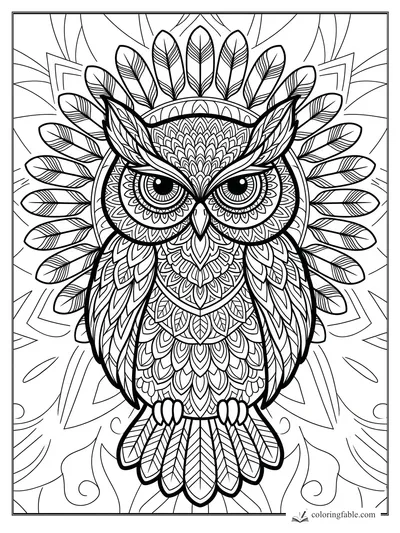
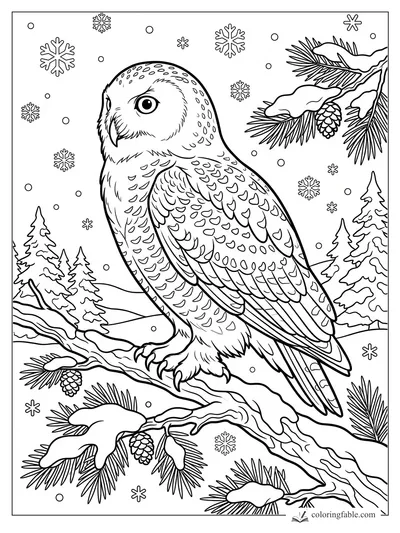
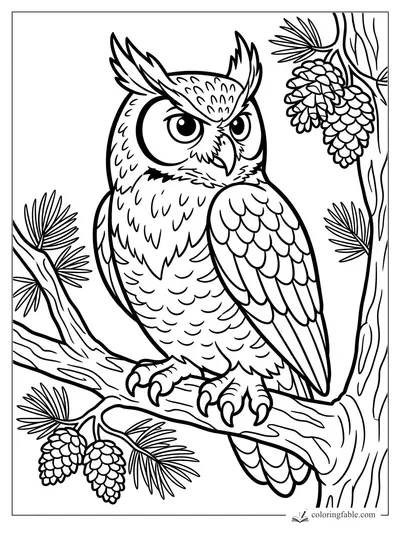
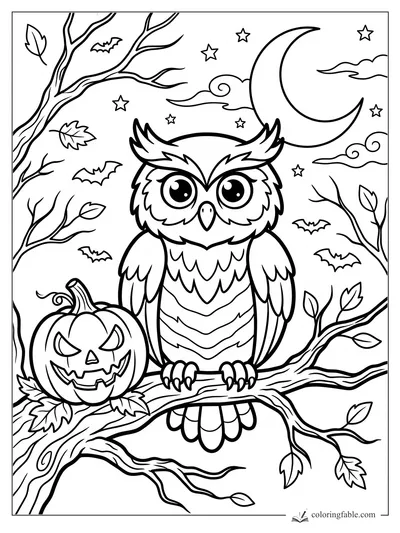
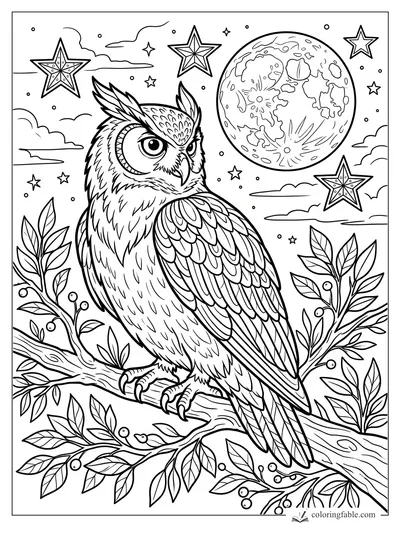
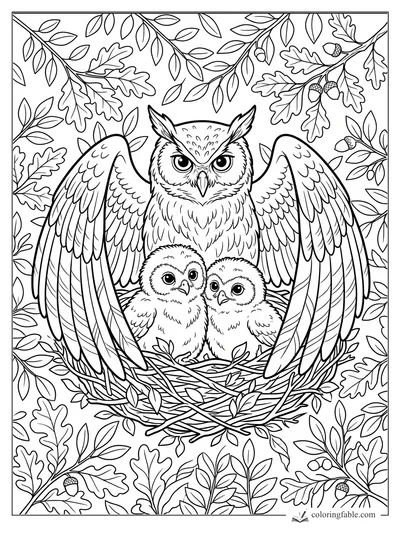
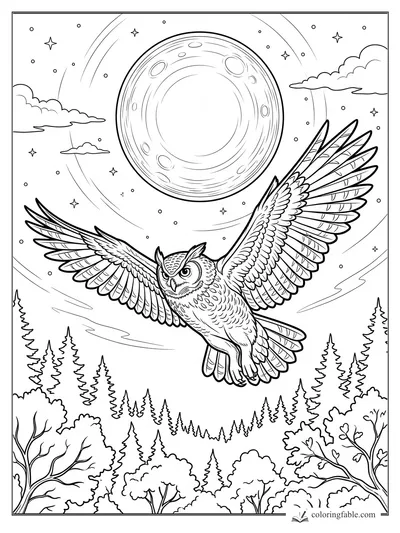
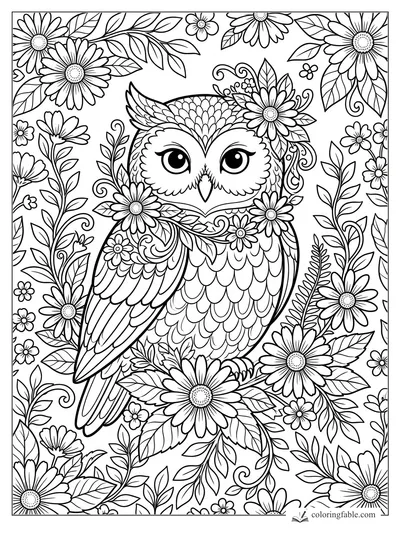
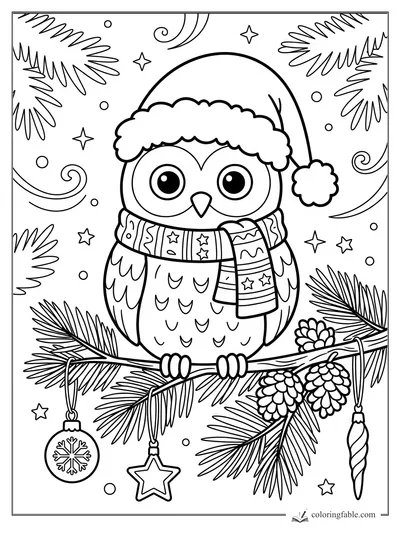
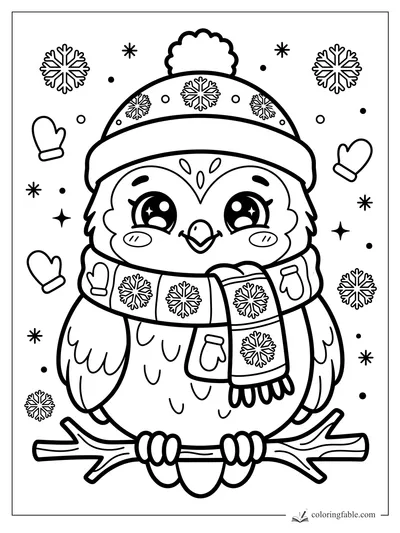
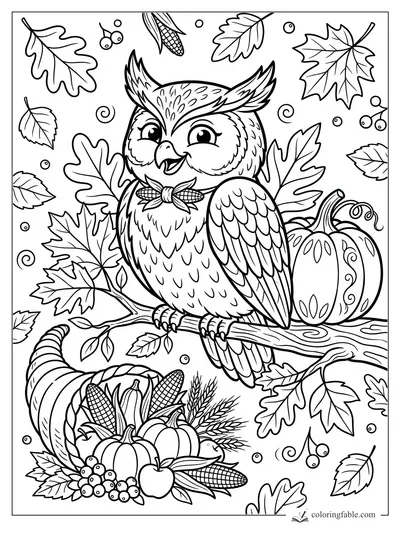
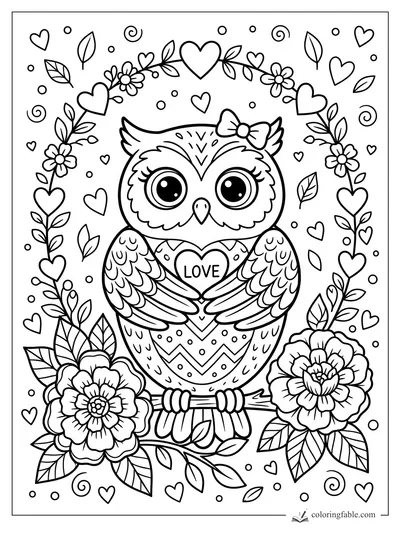
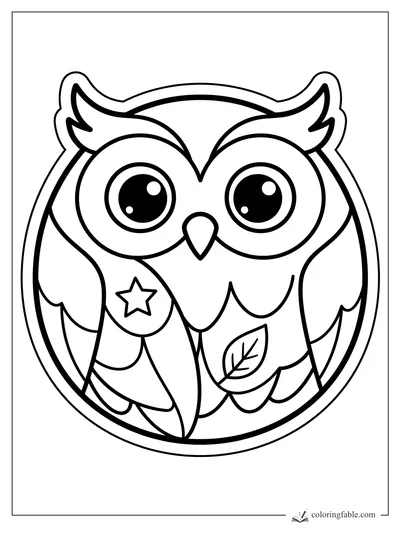
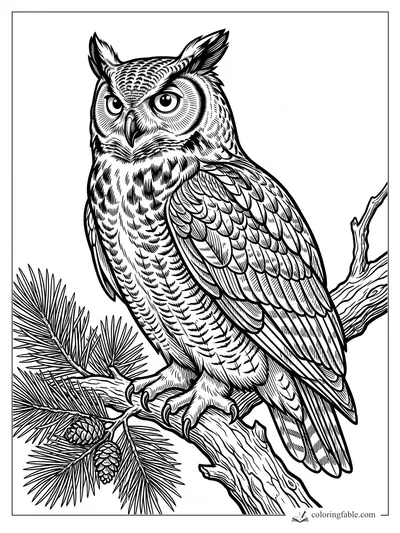
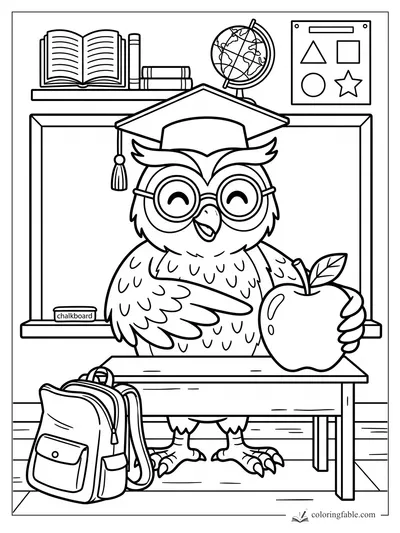
Owl pages by style, mood and season
Fun facts to share while coloring
Owls are famous for turning their heads, but they cannot spin them all the way around; many species can rotate their heads up to about 270 degrees. Their large eyes are tube-shaped rather than round, which helps them see well but means they move their heads instead of moving their eyes much. The flat circles of feathers around an owl’s face are called facial disks, and they help guide sound toward the ears. Many owls fly very quietly because the edges of their wing feathers break up the sound of rushing air. Not every owl is a night hunter, either; snowy owls and burrowing owls are often active during the day.
Coloring tips
A classic owl palette starts with tawny brown wings, cream or buff chest feathers, a pale facial disk, amber or golden eyes, dark gray beak and talons, and a branch in rough bark browns. Snowy owls can shift to white, pearl gray, black speckles, and icy blue shadows, while a night background looks great in navy, violet, and silver moonlight. For feathered bodies, use short strokes that follow the curve of the wings, then add tiny scallops or dots on the chest instead of coloring everything flat. A fun owl-specific twist is to turn the round eyes into glowing moons or hide tiny constellations in the dark feathers.
📕 Prefer it as a book?
TheOwl Coloring Book: 20 pages hand-picked from this catalog, ordered from easy to intricate, with a personalized cover. One free PDF.