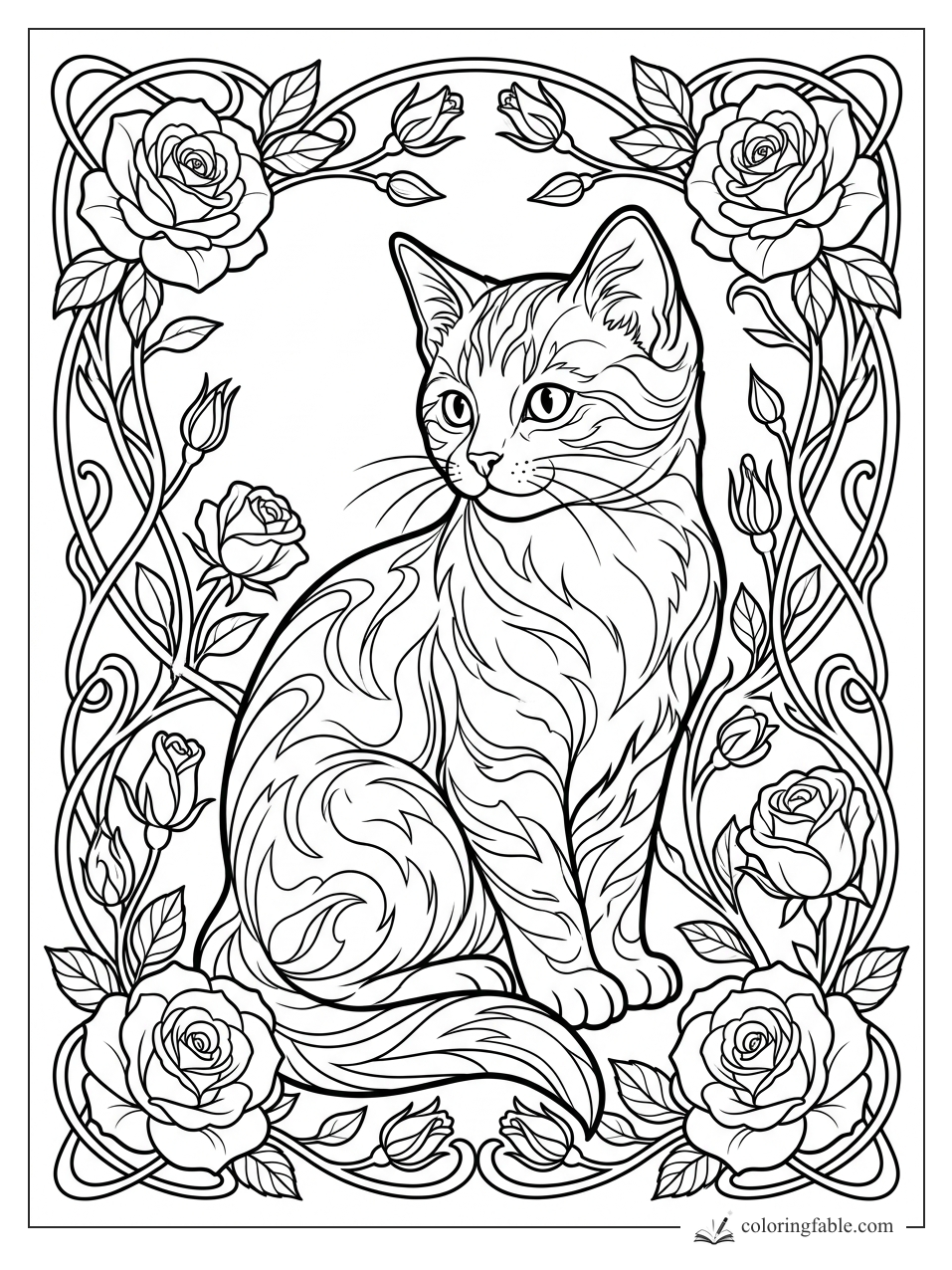

Why Rose Frames Curve — Before dawn, under the bitter-green smell of cut stems, Elian pressed four straight willow sticks around the lantern he had made from scraped mica and thread. Read the full story →
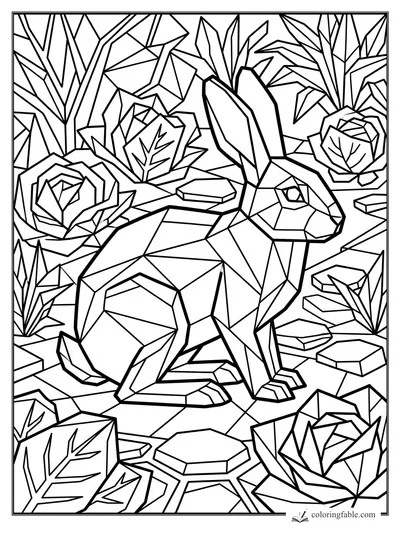
Before dawn, under the bitter-green smell of cut stems, Elian pressed four straight willow sticks around the lantern he had made from scraped mica and thread. He wanted a doorway worthy of its small flame, something no one could mistake for bought work; yet every corner split with a dry tick, tick, as if the wood refused his ruler. Then a rosebud at his elbow opened without sunlight, and a black beetle wearing pollen like gold dust stepped out. “Straight lines leak moonlight,” it said.
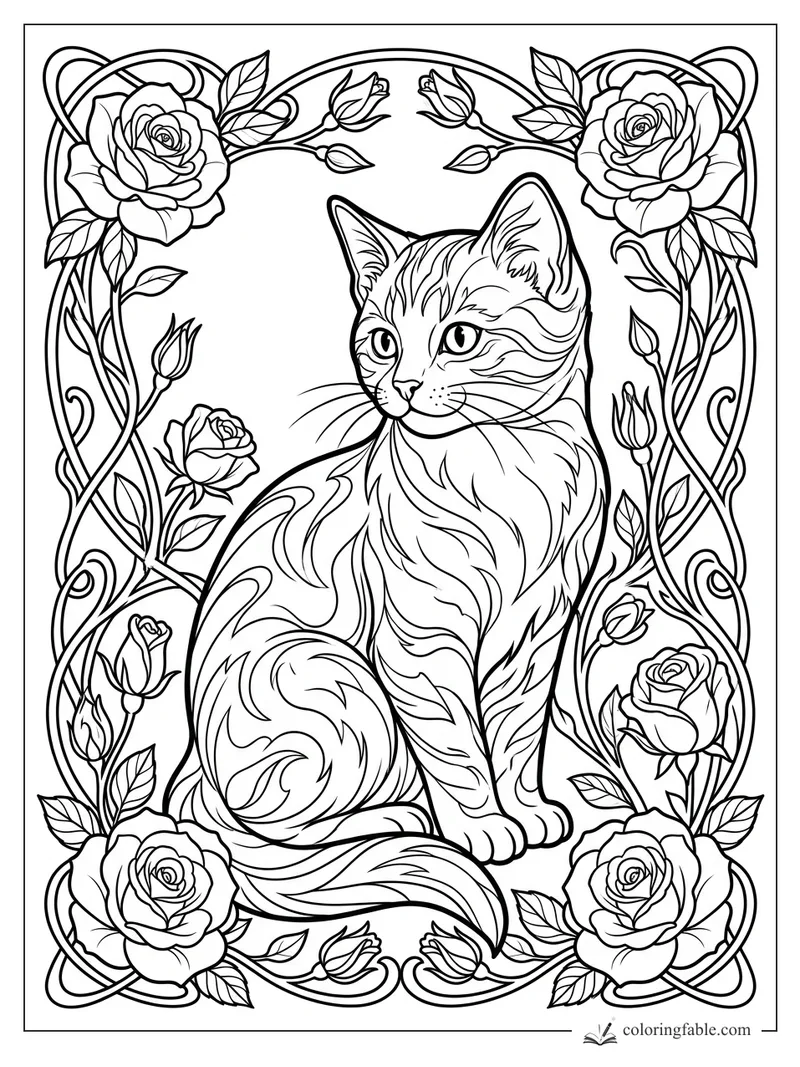
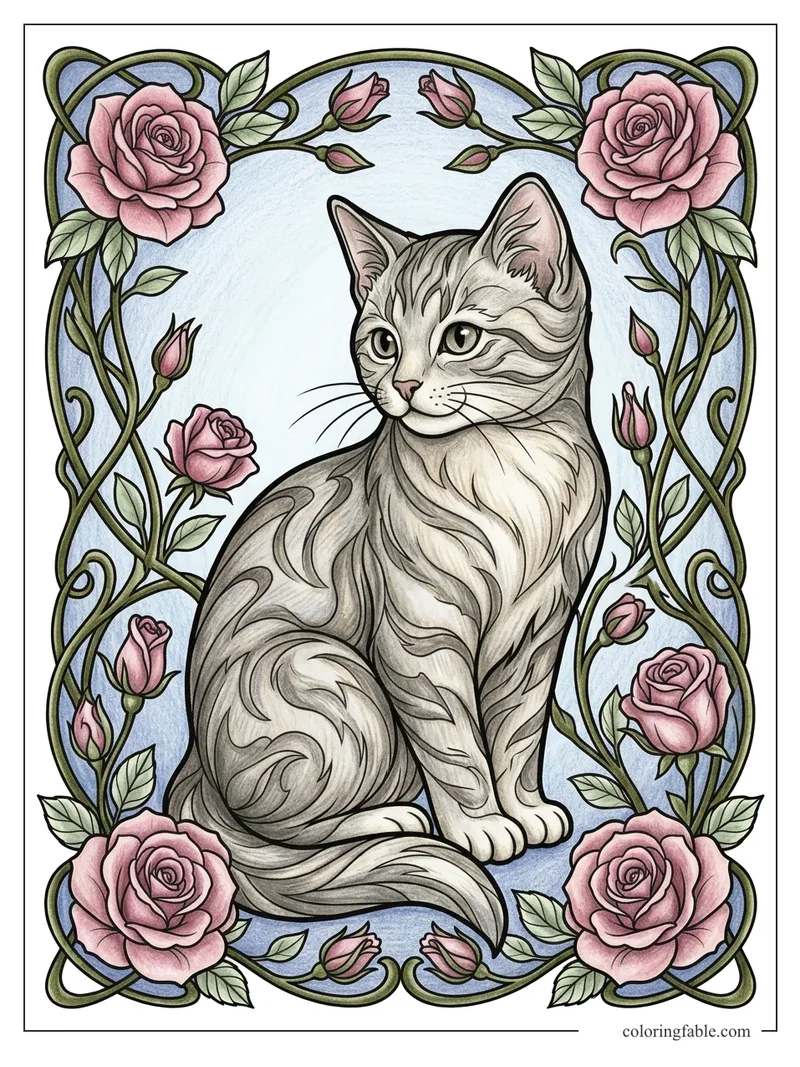
Elian did not answer at first. Pride warmed his paws more than the lantern did. He soaked the willow in rosewater, bent each strip slowly over his own tail, and tied the turns with whiskers he had saved in a blue cup. The beetle hummed inside the largest rose while the vines tested the new frame, curling through the gaps, clasping the handmade bends as if recognizing kin. When the lantern finally shone, its light did not spill away; it traveled the curves, petal to leaf, leaf to paw, and returned brighter.
By sunrise, every rose in the garden had learned the shape from Elian’s patient hands. Ever since, rose frames curve at their corners, not for ornament, but to keep a maker’s moonlight from escaping into the dark.