Bug coloring pages with beetles, butterflies, bees, and ladybugs
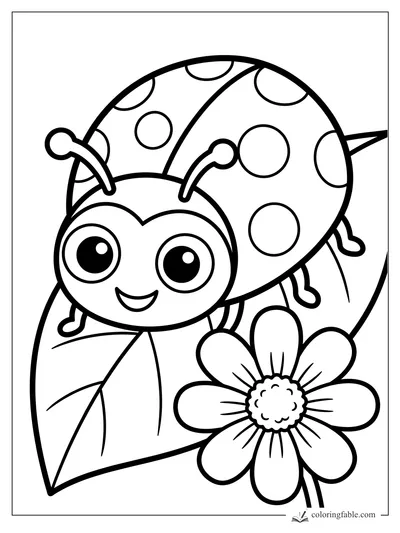
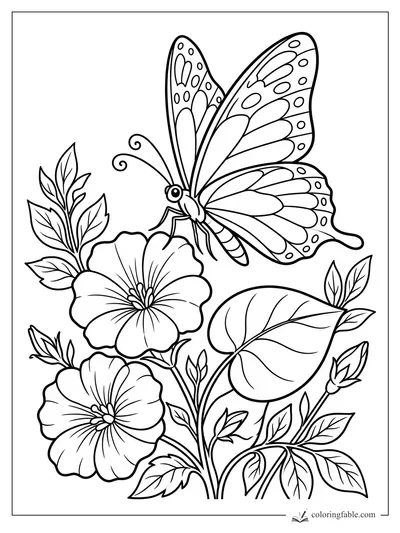
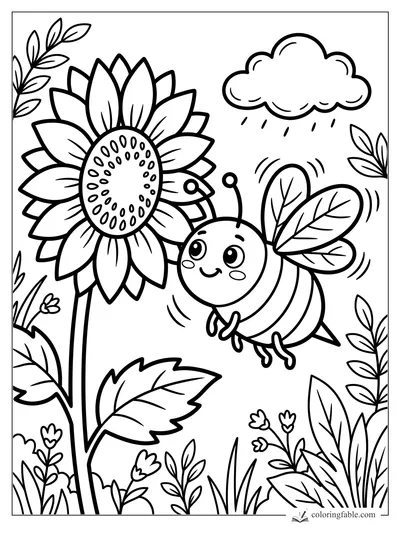
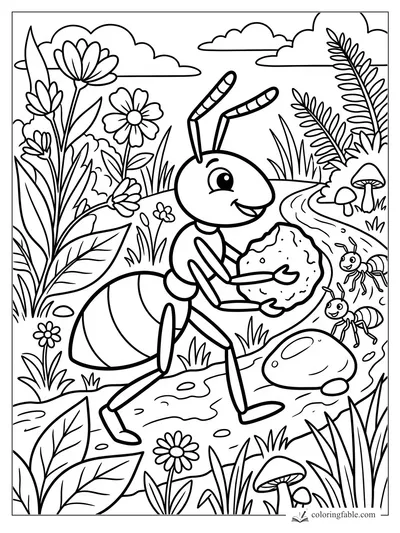
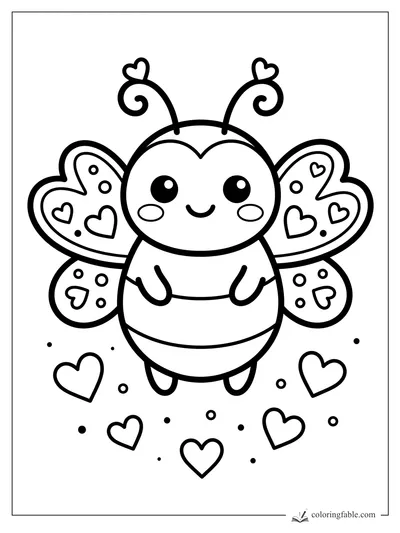
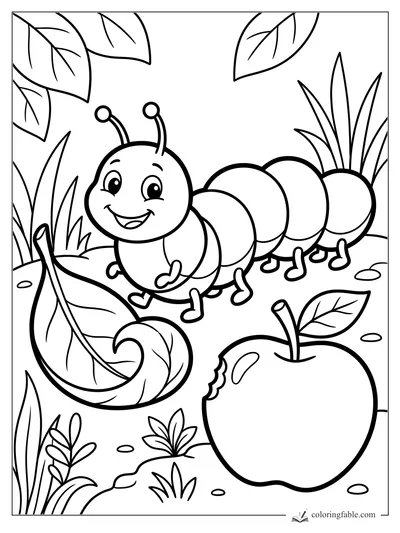
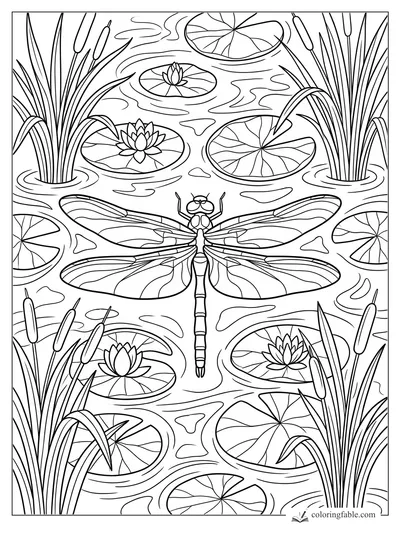
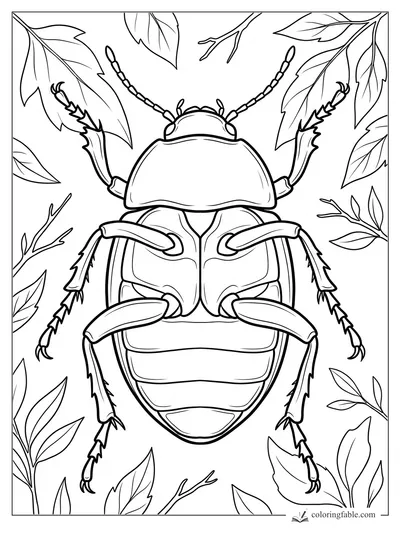
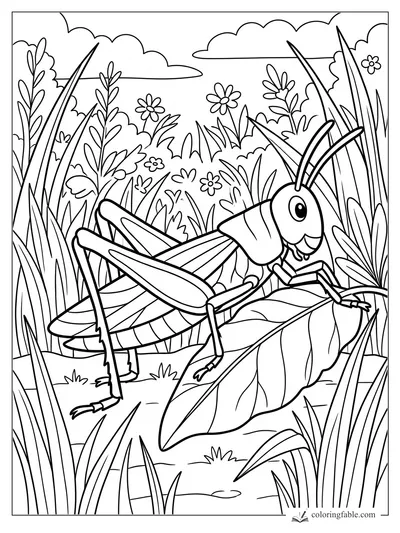
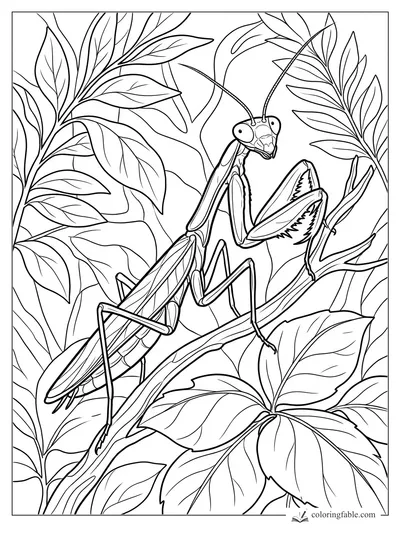
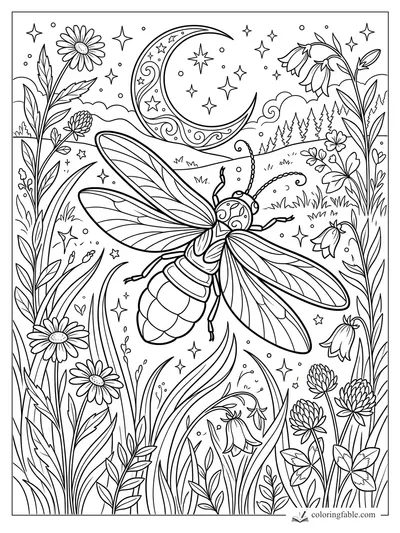
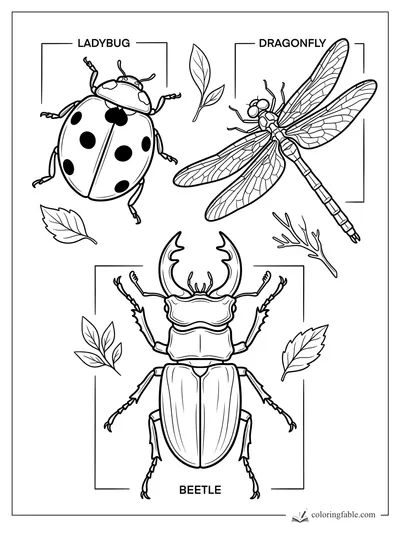
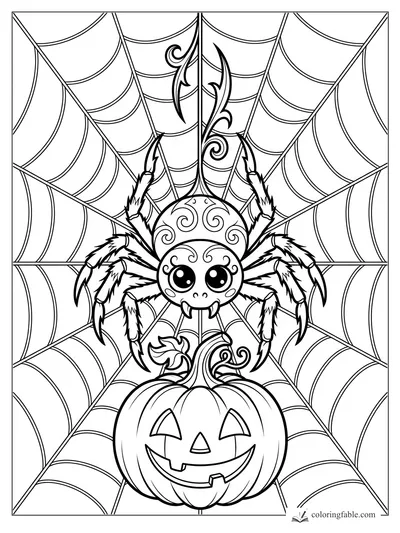
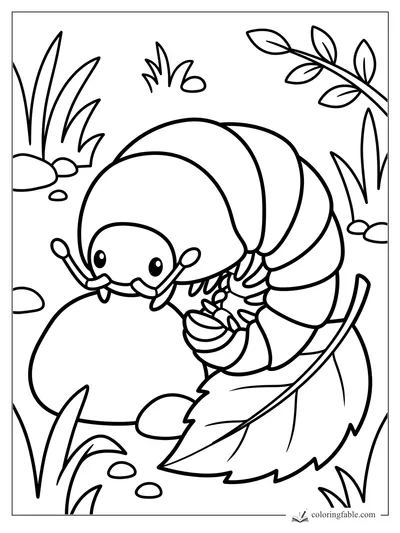
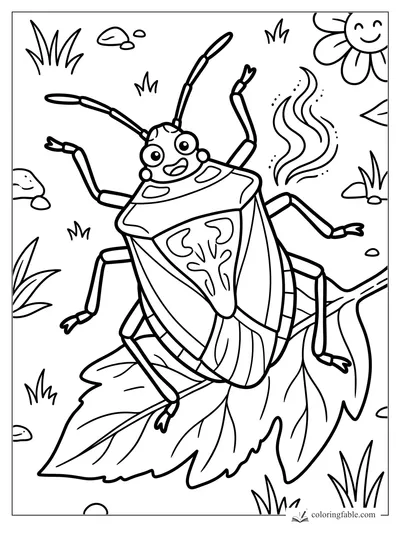
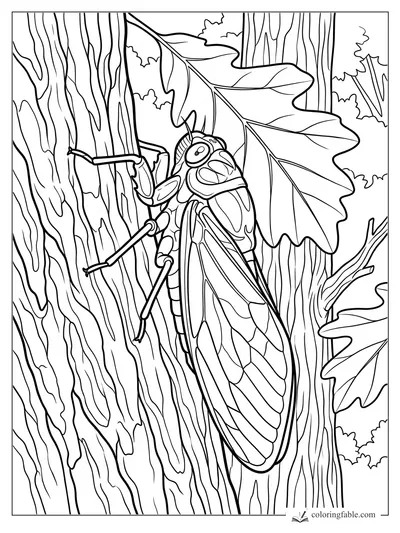
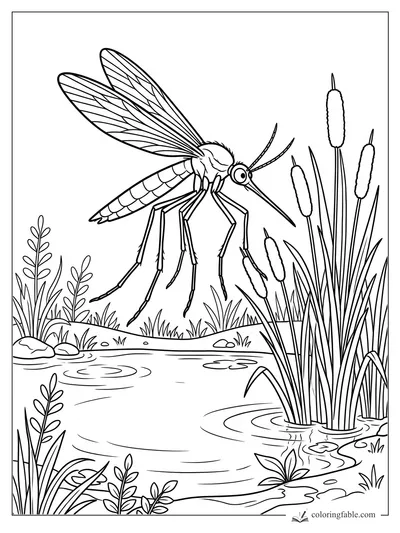
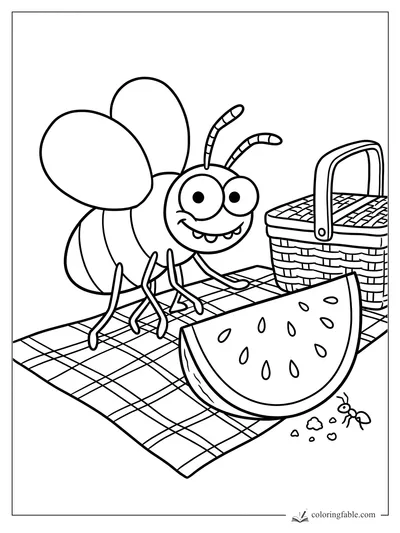
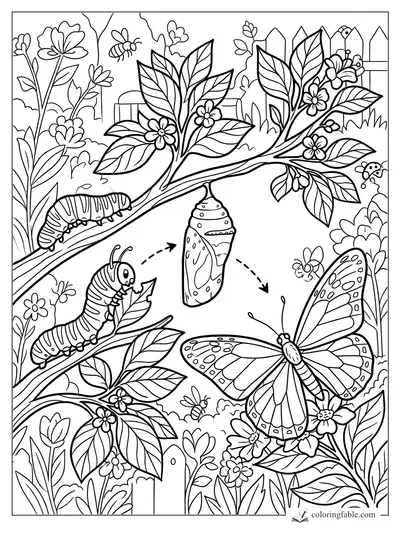
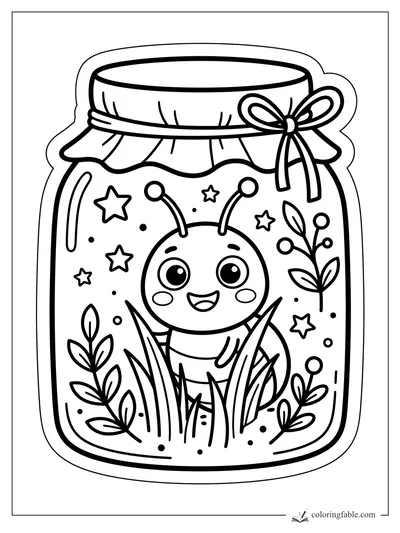
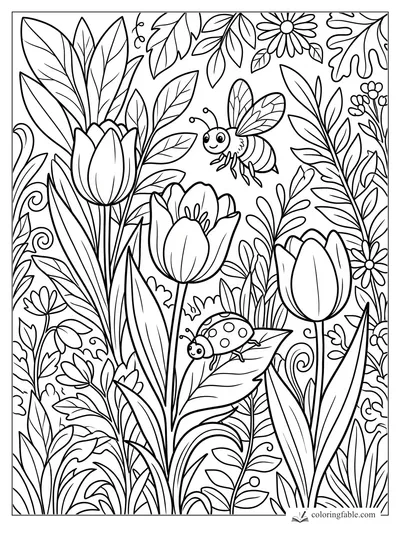
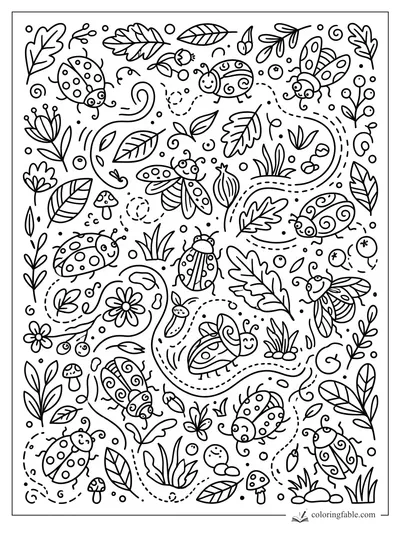
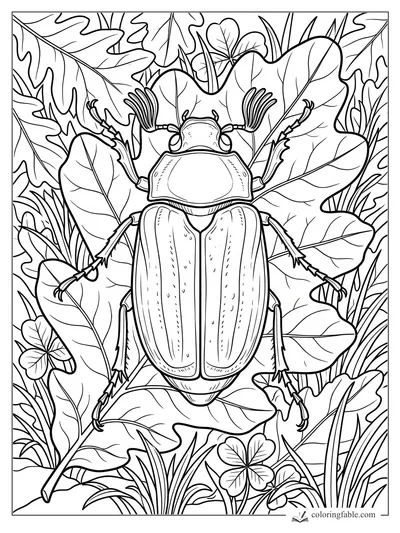
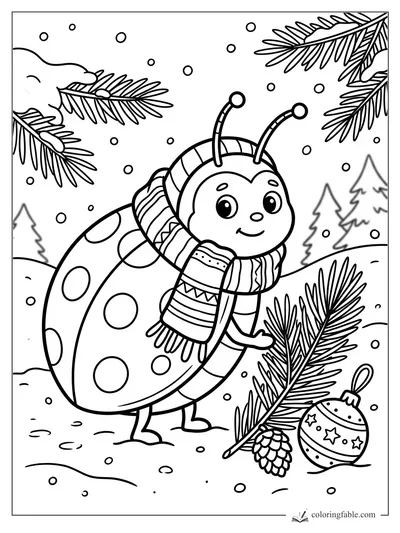
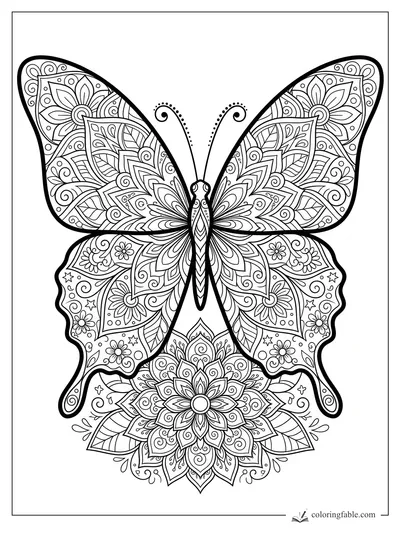
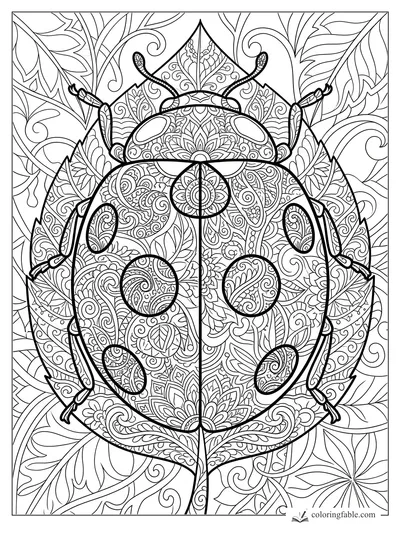
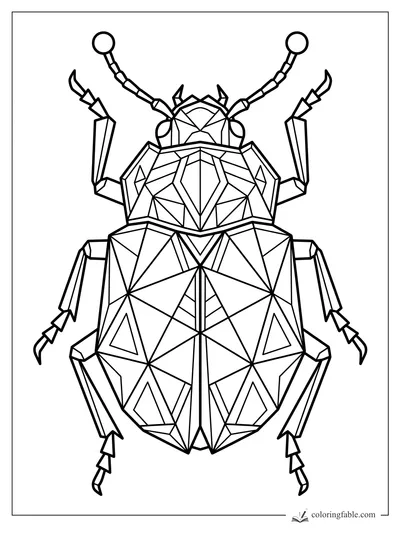
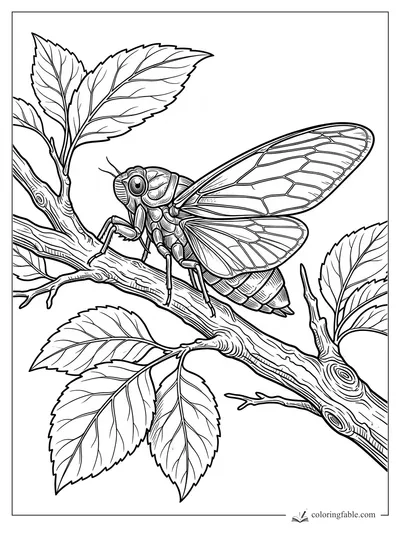
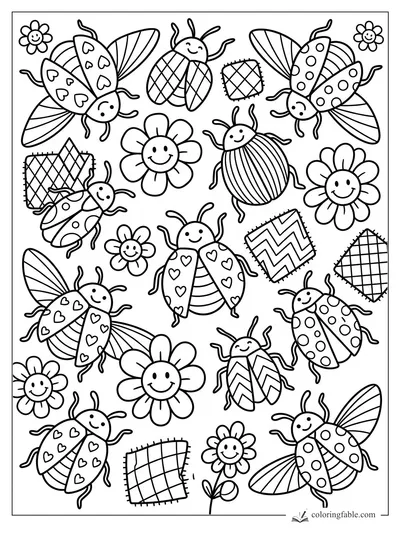
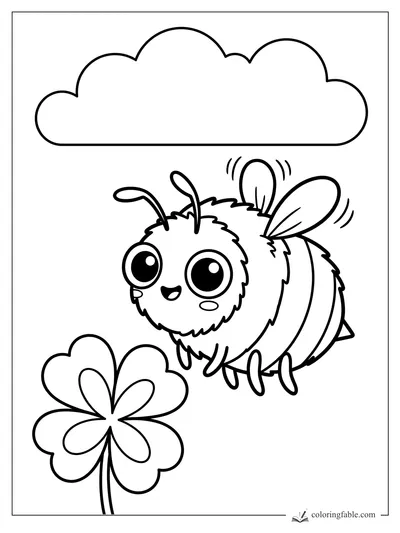
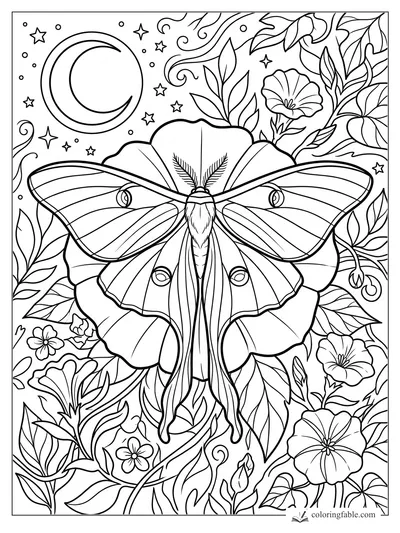
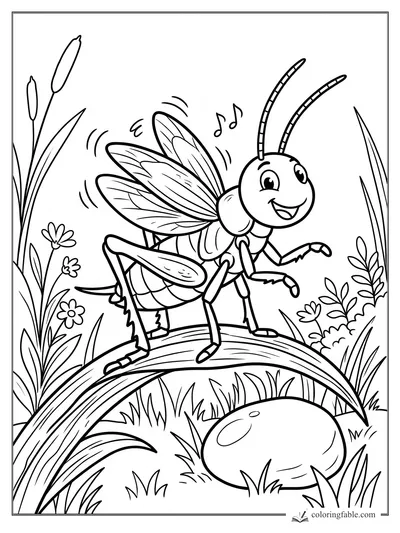
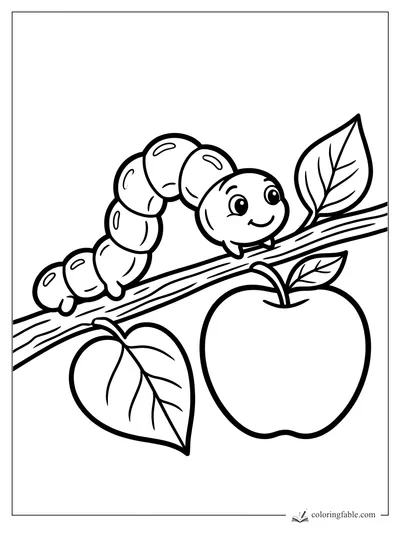
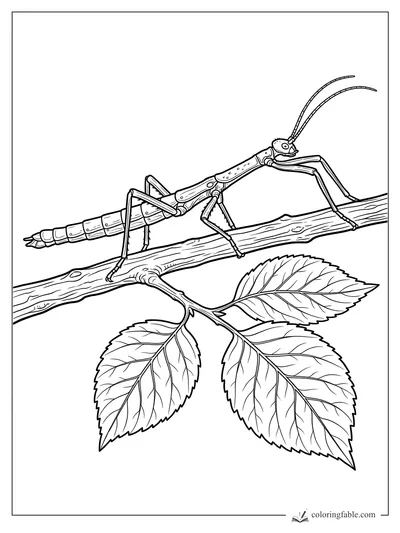
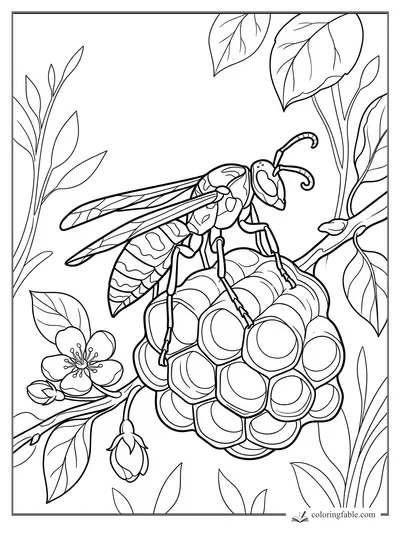
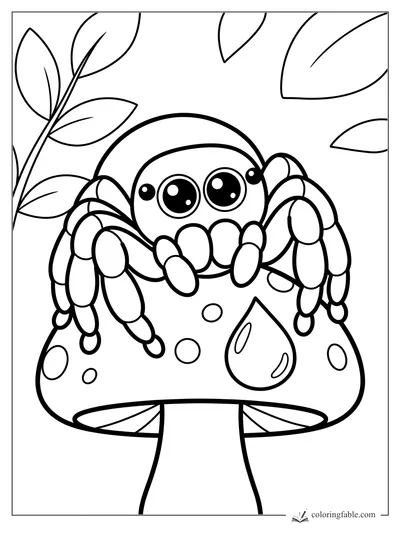
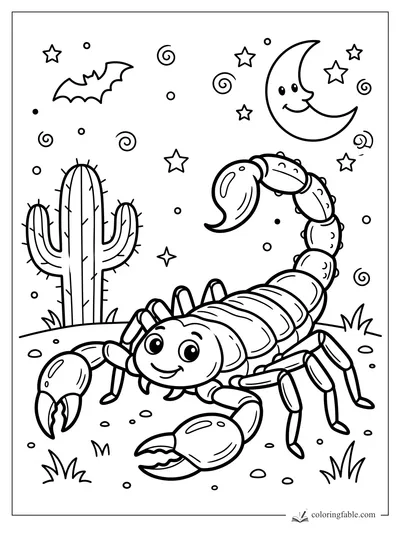
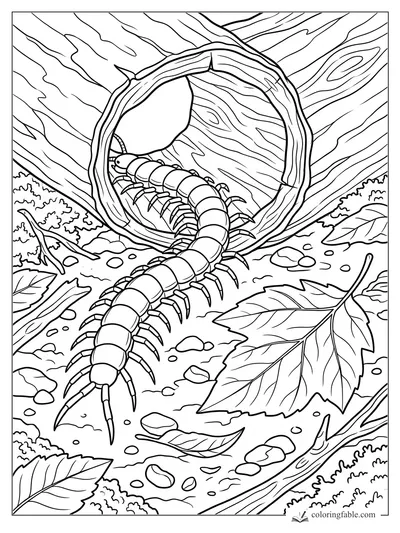
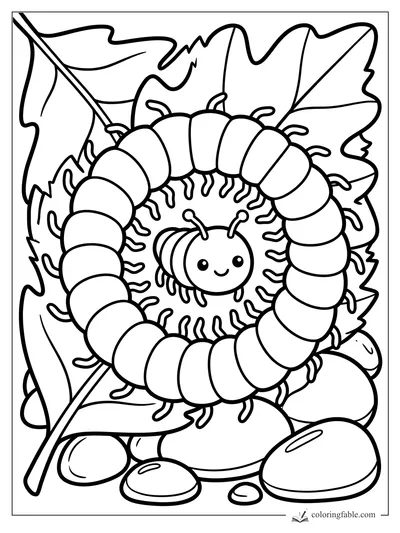
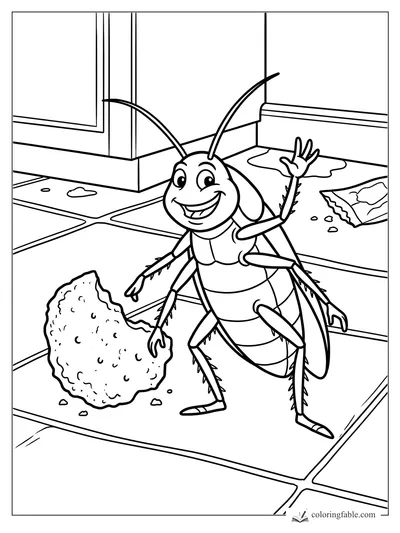
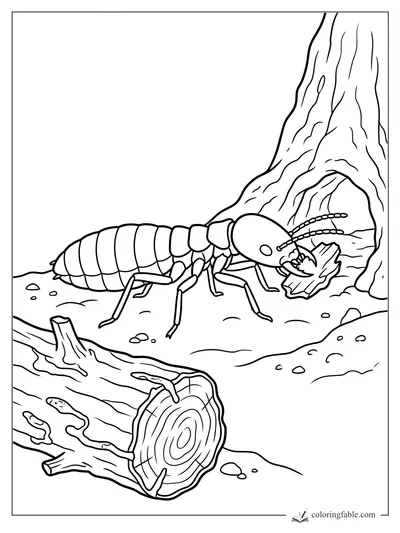
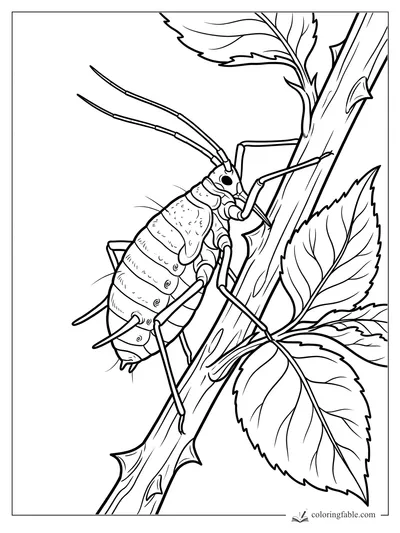
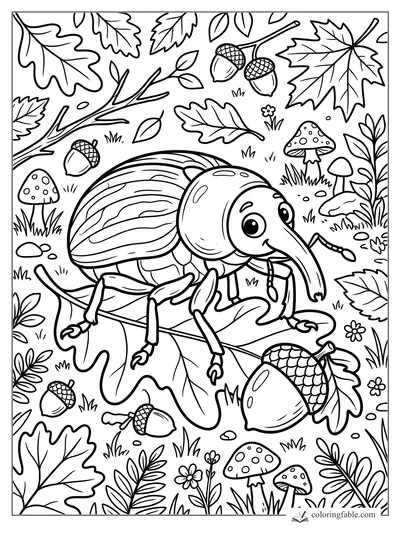
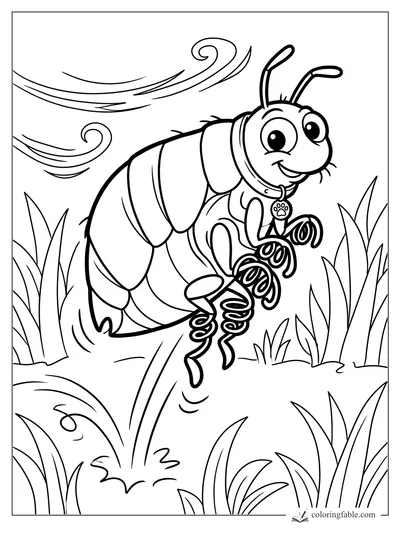
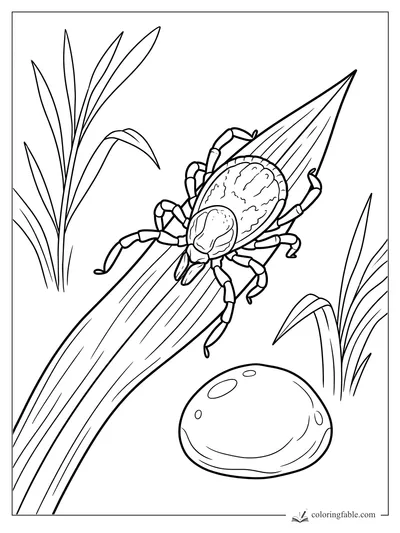
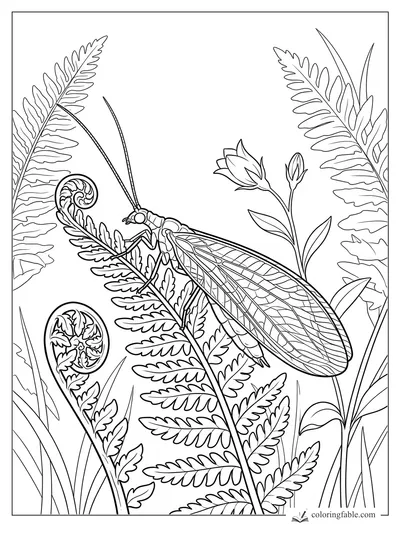
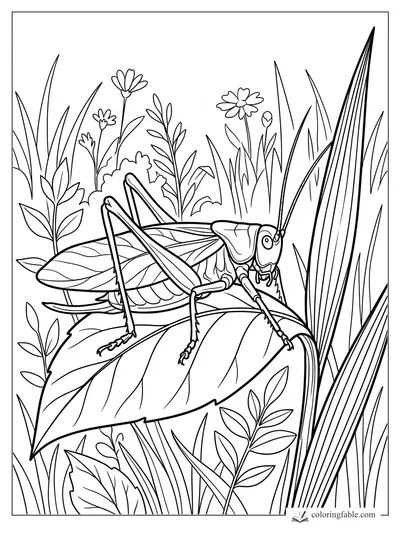
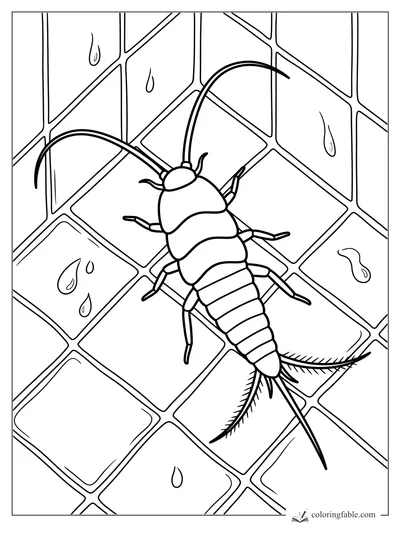
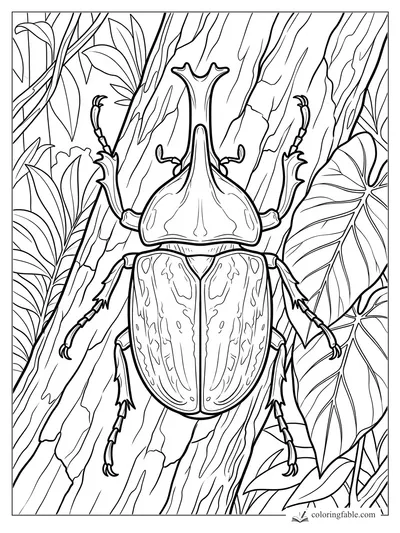
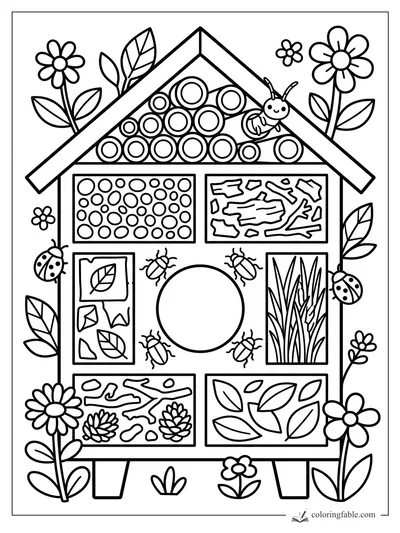
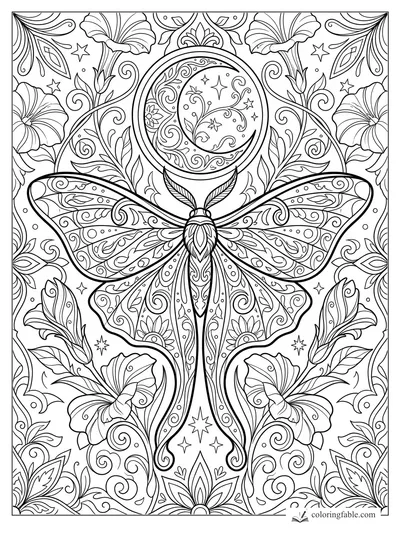
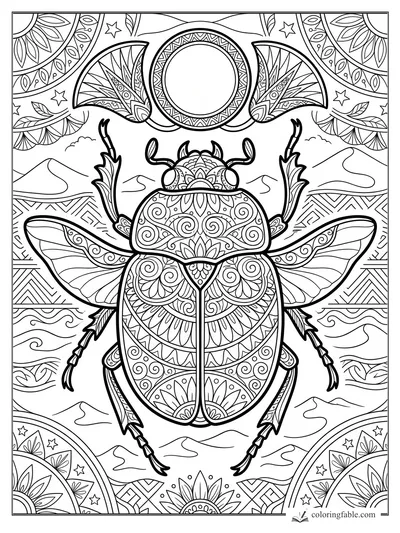
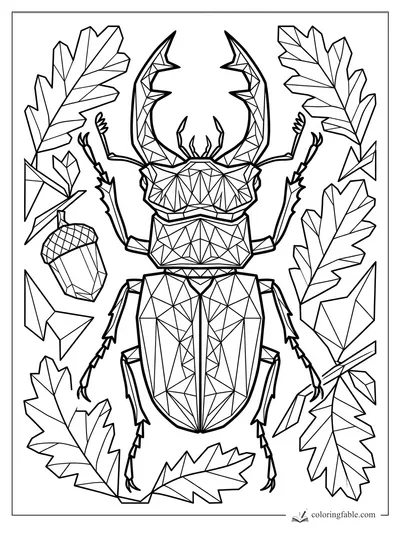
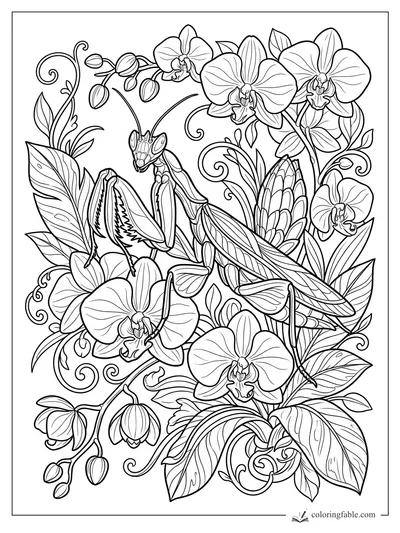
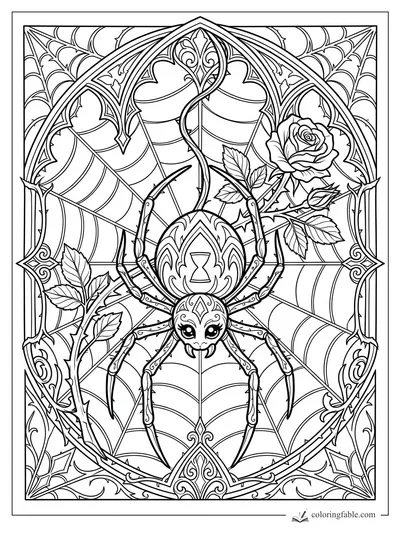
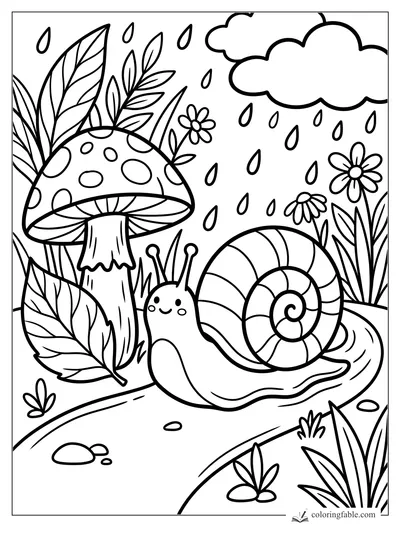
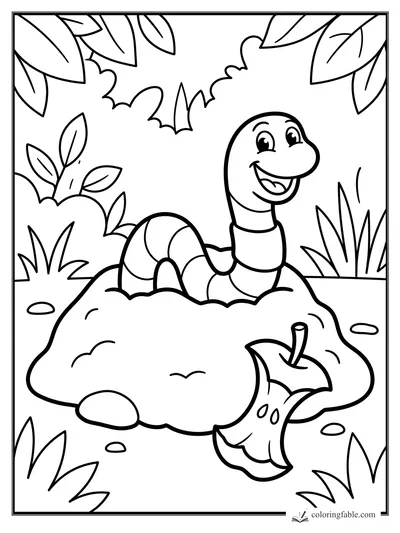
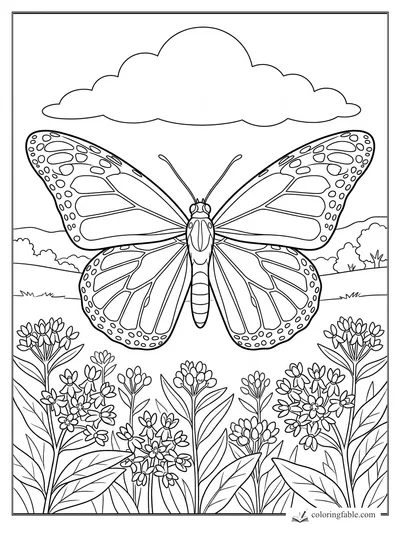
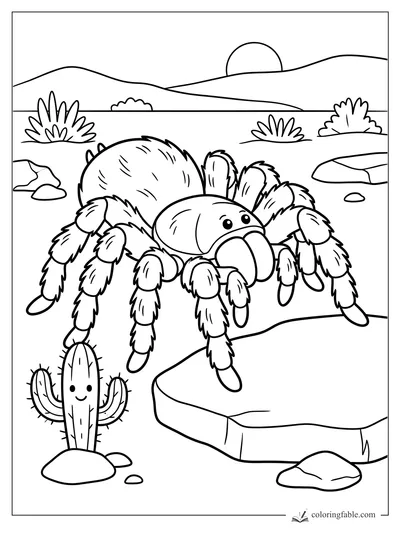
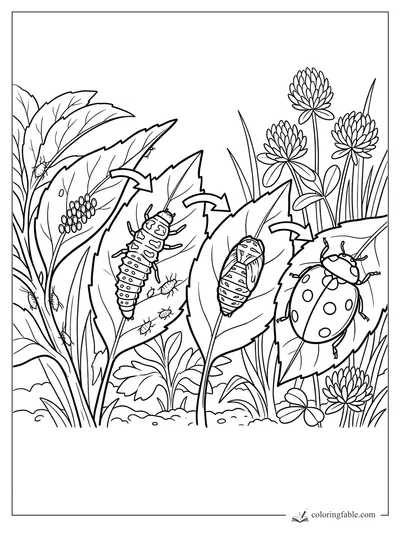
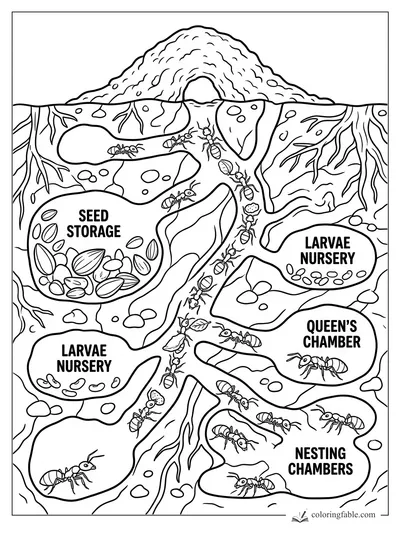
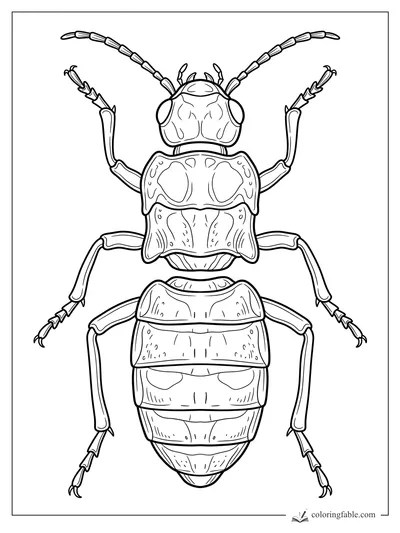
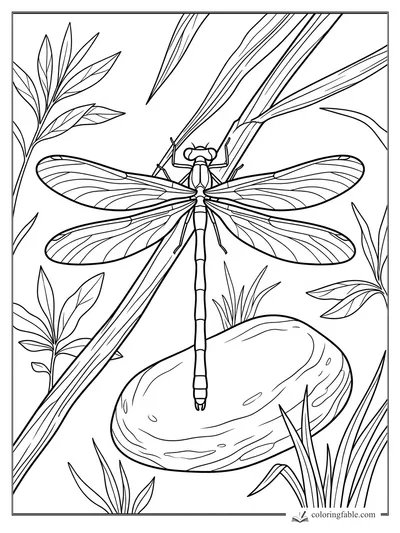
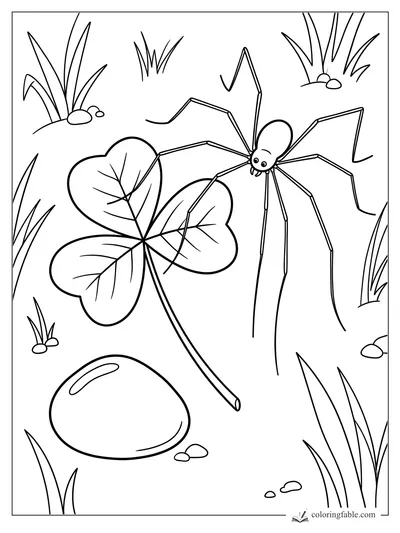
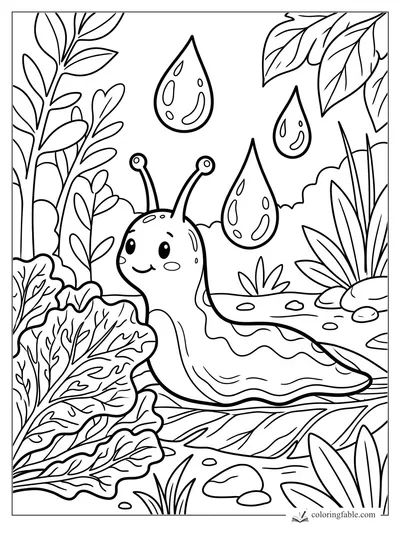
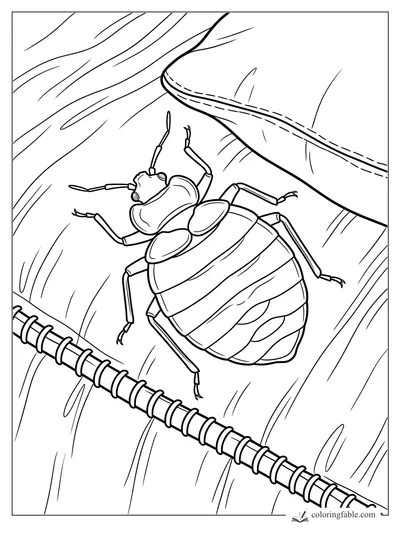
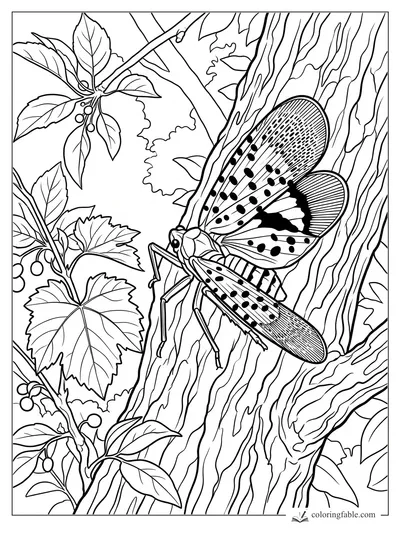
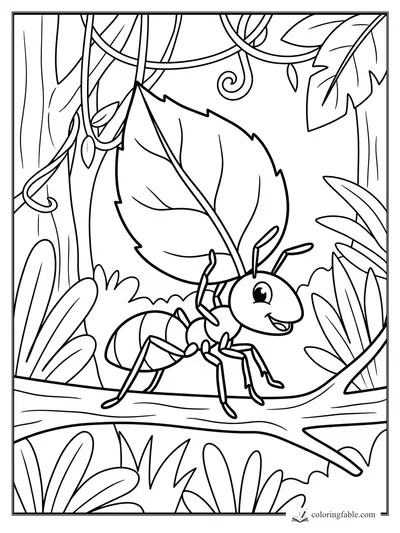
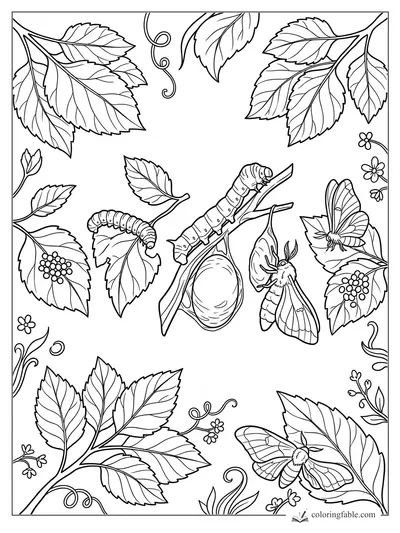
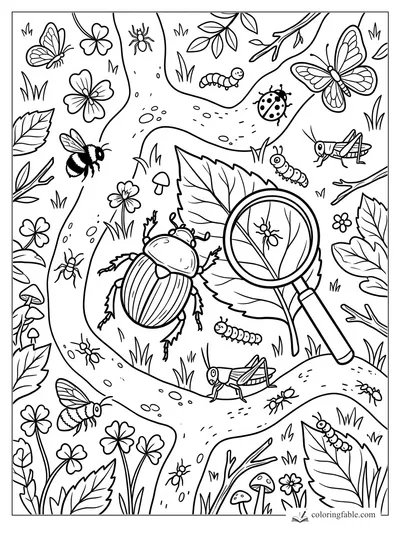
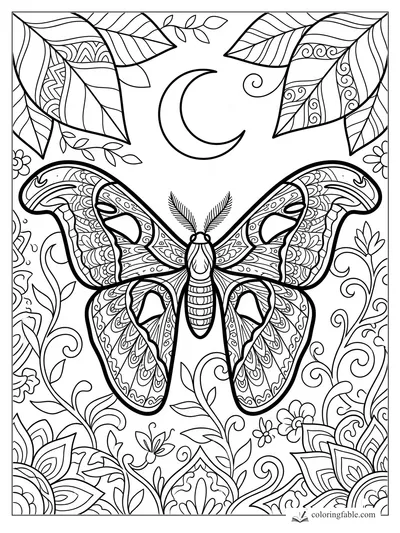
This bug collection brings together familiar backyard creatures: round ladybugs with big spots, striped bees, marching ants, patterned butterflies, grasshoppers, caterpillars, and shiny beetles. Younger kids can start with bold outlines, smiling faces, and wide spaces that are easy to fill. Older children and bug-loving adults will find pages with wing veins, shell segments, antennae, legs, and garden details that invite slower coloring. It is a good fit for spring lessons, insect units, rainy-day nature activities, or anyone who likes tiny animals with lots of texture.
🔢 35 of these also exist as bug color by number.
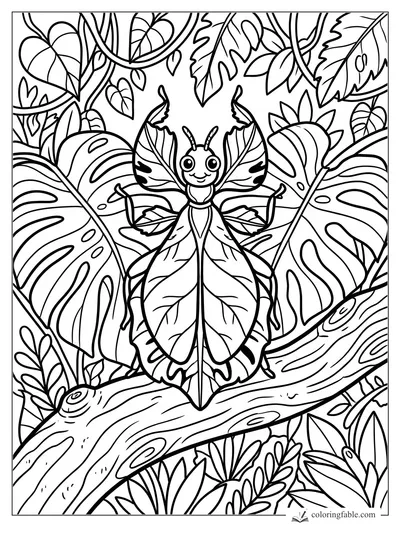
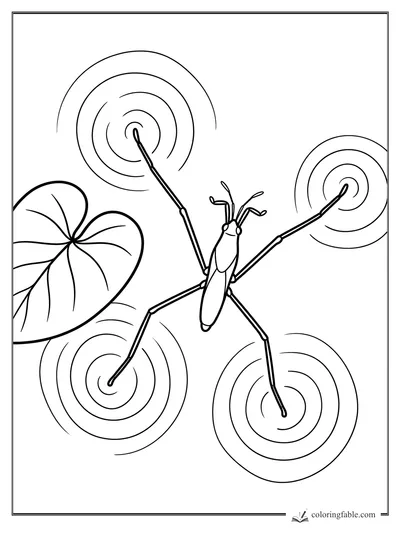
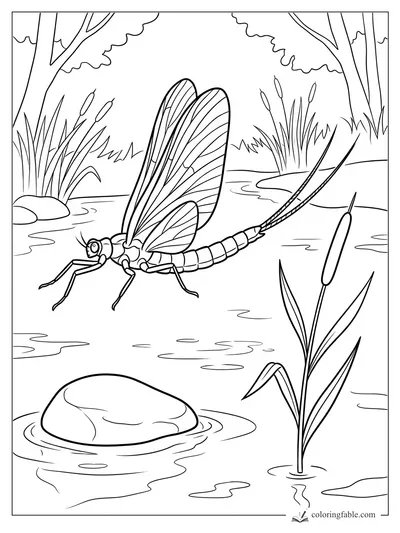
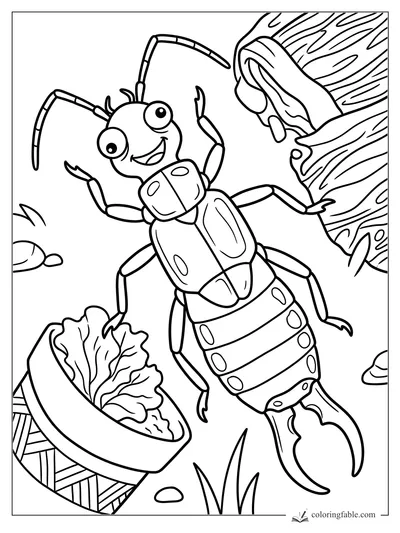
Bug pages by style, mood and season
Fun facts to share while coloring
Most insects have six legs, three main body parts, and antennae, though people often use the word “bug” for many tiny crawling creatures. Ladybugs are actually beetles, and many species eat aphids, which makes them helpful in gardens. Butterflies can taste with their feet, so landing on a leaf helps them decide whether it is a good place for their caterpillars. Honeybees use a “waggle dance” to point other bees toward food, while ants often follow scent trails left by nestmates. Those little details make the spots, stripes, wings, and legs on a coloring page more than decoration—they are clues to how each insect lives.
Coloring tips
For a classic bug palette, try ladybug red with black spots and tiny white highlights; bee golden yellow, black, and pale blue wings; butterfly orange, blue, purple, and yellow; beetle emerald green, copper, or deep navy; ant brown, rust, or glossy black; and fresh leaf greens for the plants around them. Because bugs have repeating shapes—spots, wing veins, stripes, shell plates, and segmented bodies—color one section at a time and repeat the same shades to create rhythm. A fine-tip marker works well for antennae and legs. For a playful twist, turn one beetle into a jewel bug with metallic pencils or add a magnified dew drop on a butterfly wing.
📕 Prefer it as a book?
TheBug Coloring Book: 20 pages hand-picked from this catalog, ordered from easy to intricate, with a personalized cover. One free PDF.