Why Herons Keep the Curve — At the edge of Cattail Fen, Bren set herself a dare: cross the mud-slick shallows and leave not one ring behind. The water smelled of minty weeds and old rain. Read the full story →
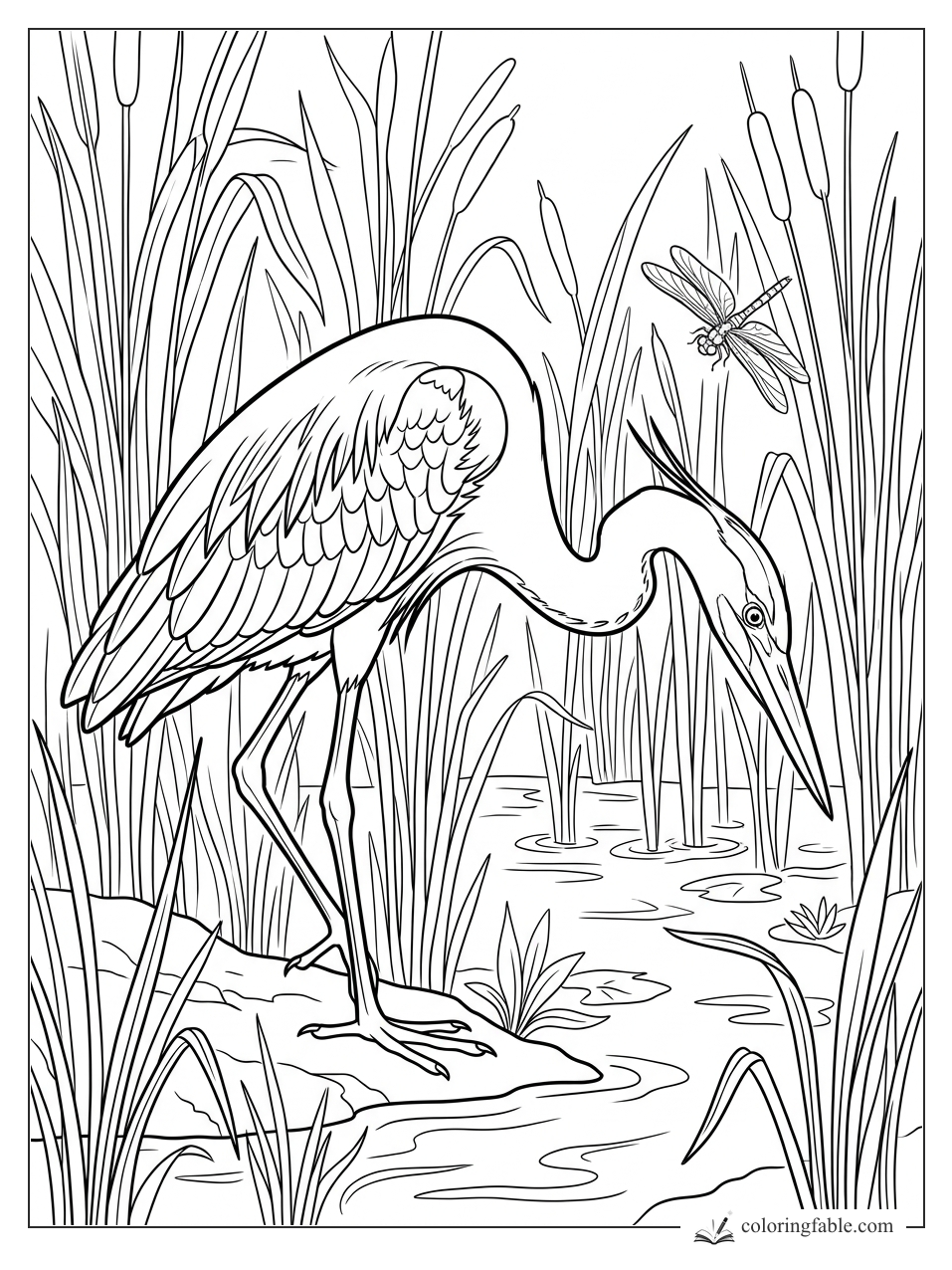
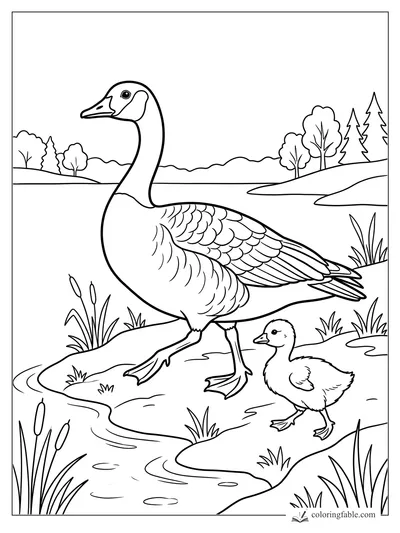
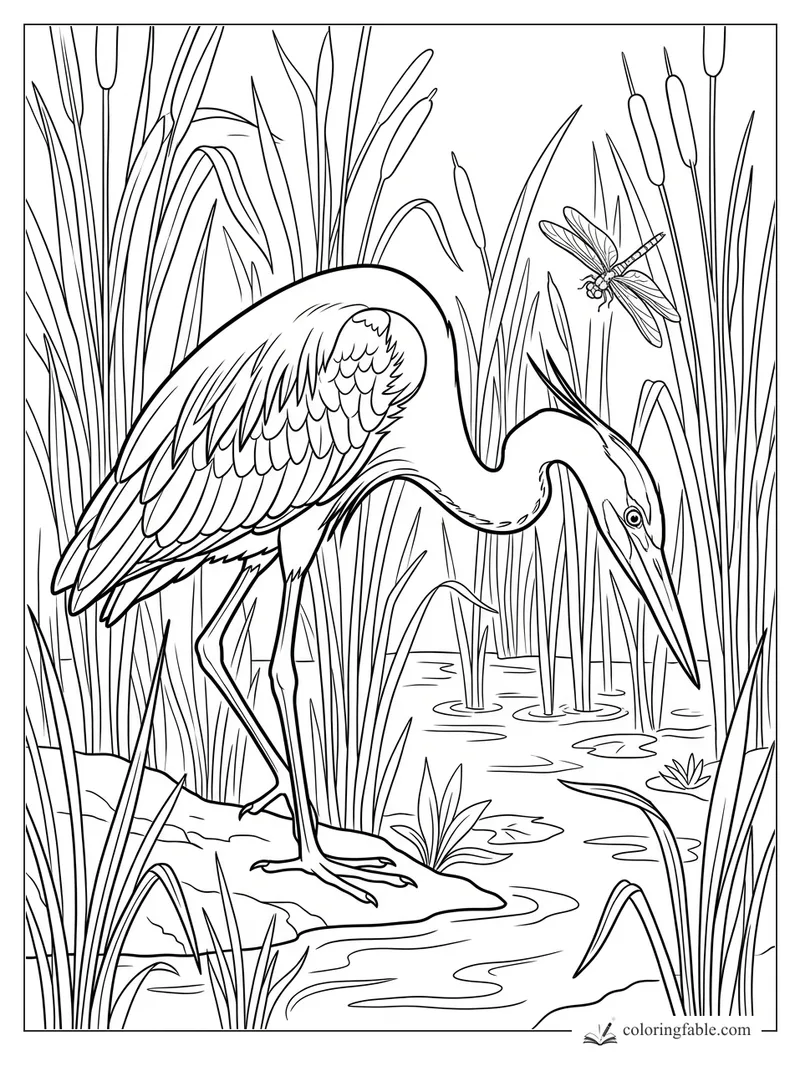
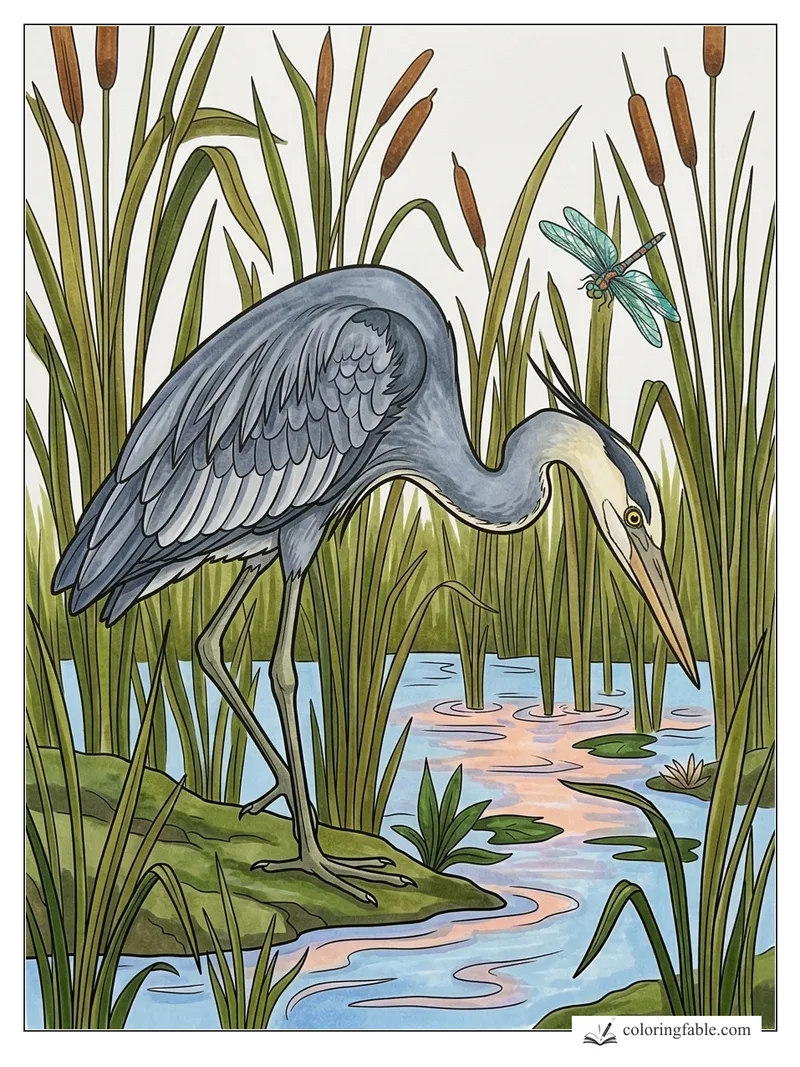
At the edge of Cattail Fen, Bren set herself a dare: cross the mud-slick shallows and leave not one ring behind. The water smelled of minty weeds and old rain. Crickets clicked like tiny locks in the reeds. Bren lifted one stilt-leg, then the other, but every step sent circles wobbling away. “Hush, feet,” she whispered.
A blue dragonfly zipped past her beak and stopped beside a bent cattail. Inside the brown velvet head came a sound like paper being rubbed together: skritch, skritch, listen. Bren lowered her head to hear. The cattail was not empty; it held the fen’s smallest secret, a reed-moth counting which minnows slept and which frogs dreamed. If Bren stood tall, the whisper vanished. If she curved her long neck, the whisper slid straight to her ear.
So Bren folded herself into that quiet question-mark shape and stepped where the whisper told her: over the buried shell, beside the lily root, around the sleepy frog. Not one ripple opened. Ever since, herons keep the curve when they hunt the shallows, because the marsh still tells its secrets low. Next time you see Bren’s bent neck among the cattails, can you guess what the water is saying?