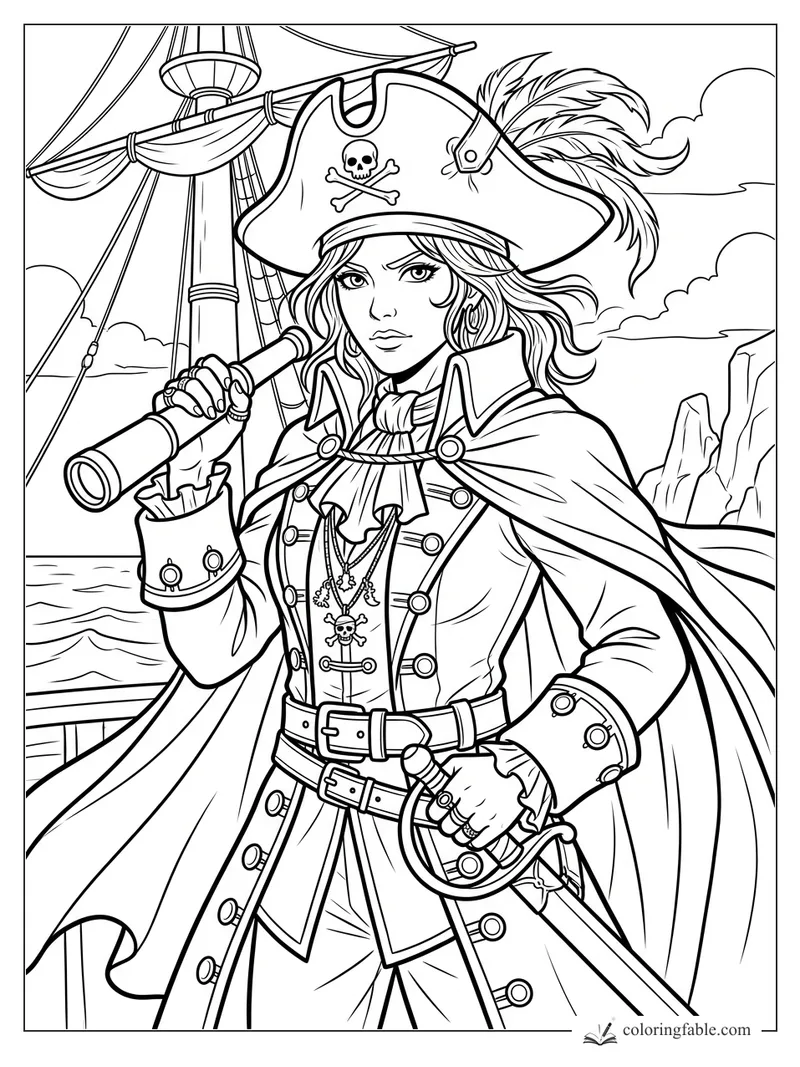
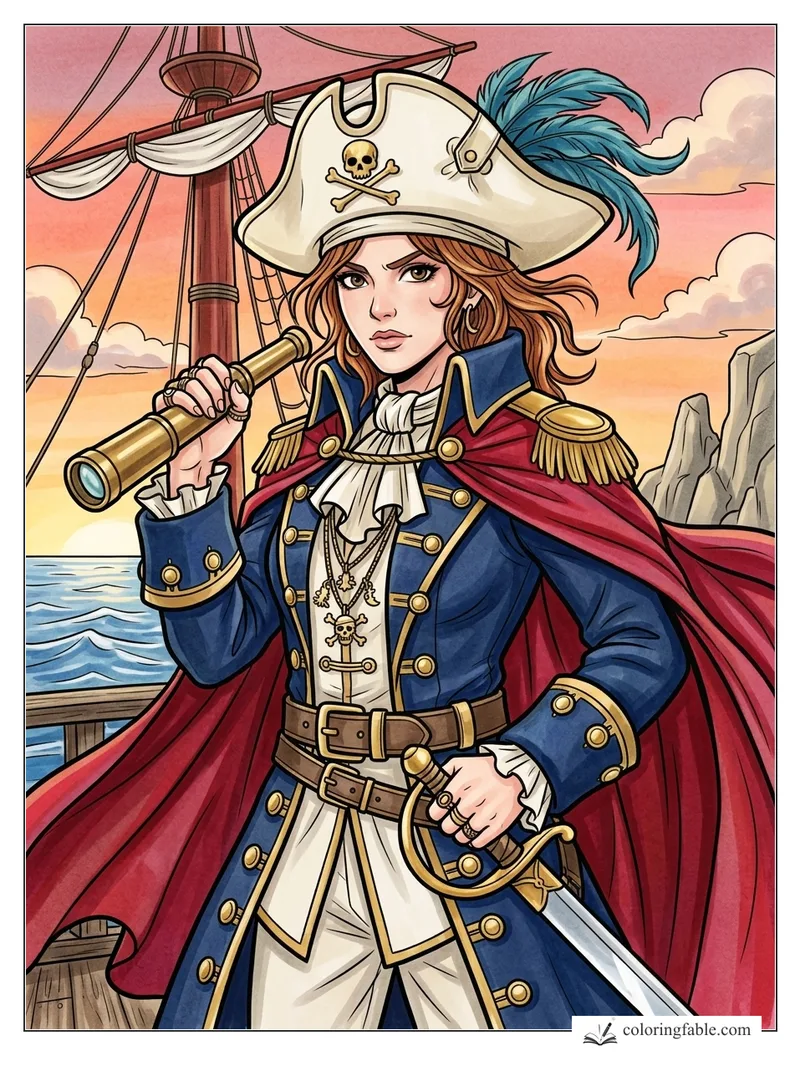
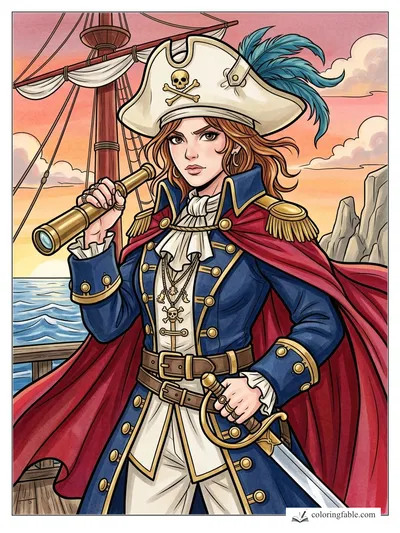
Why Pirate Hats Keep Feathers — The cliff channel breathed out fog so thick it tasted like wet stone, and Ysra pressed her brass spyglass to her eye until the rim chilled her cheek. Read the full story →
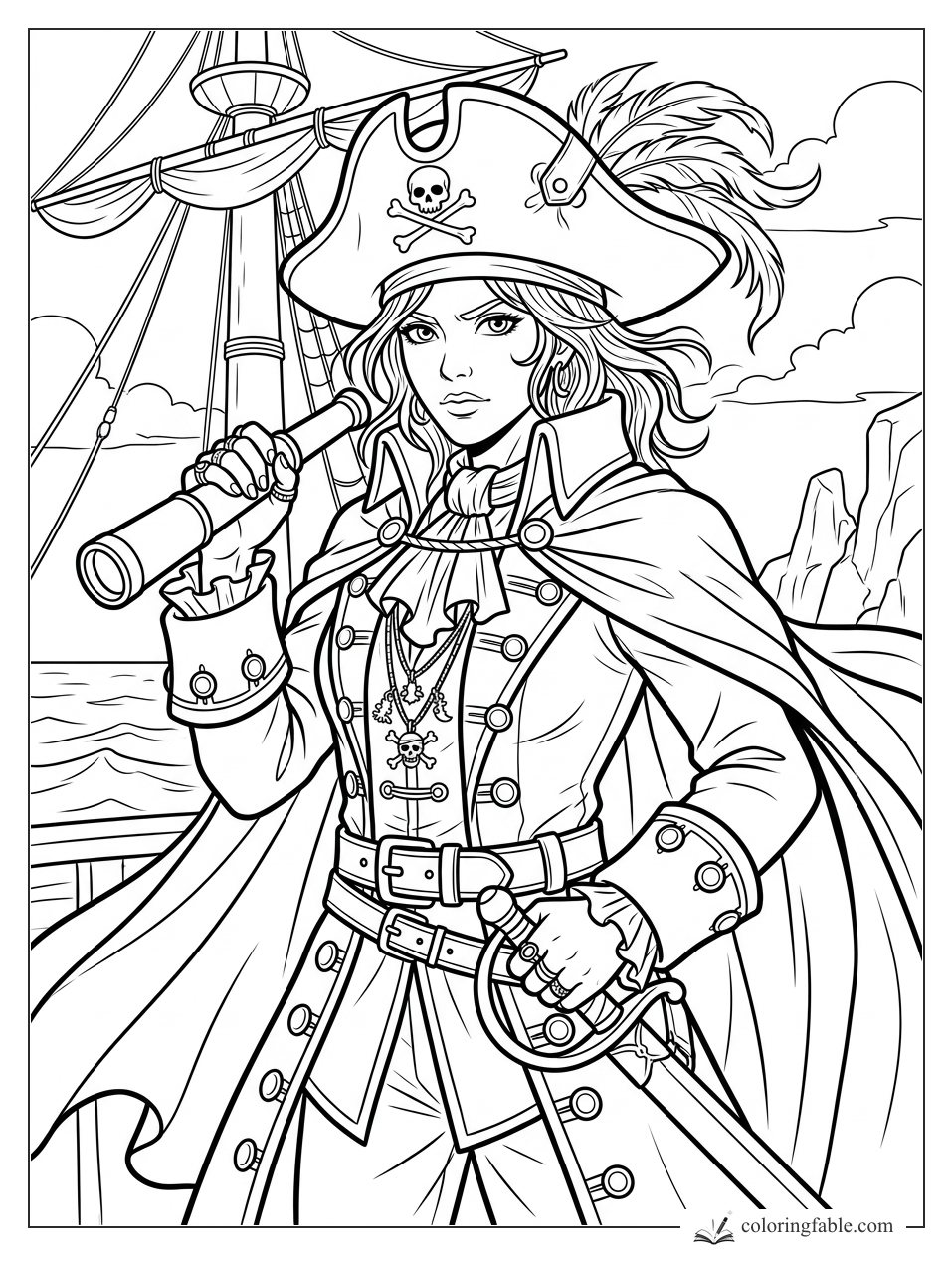
The cliff channel breathed out fog so thick it tasted like wet stone, and Ysra pressed her brass spyglass to her eye until the rim chilled her cheek. She wanted to steer the Black Minnow through before the tide snapped shut, but every rock looked like every other rock. The crew waited without a cough. Even the ropes seemed to listen.
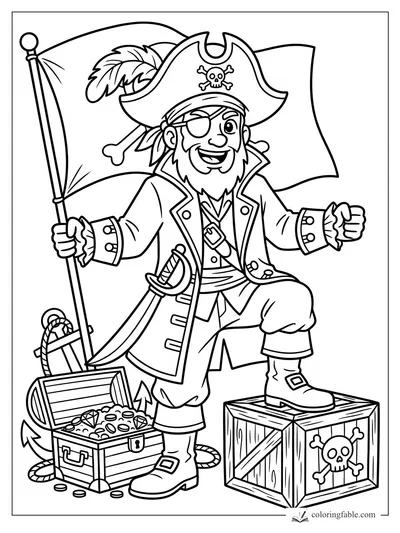
Then something landed on her hat with a soft whuff. Not a gull. Not a monkey. A silver sky-pelican folded its wide wings, plucked one feather from its tail, and tucked it under Ysra’s hatband as if sharing a secret. “Follow the feather,” it croaked. The feather leaned left, then right, twitching before each hidden reef. Ysra raised her cutlass, not to fight, but to point the way, and the ship slid through the gray water as neatly as a needle through cloth.
At sunset, the cliffs opened into gold, and every pirate aboard asked for a feather of their own—not for fancy, mind you, but because the wind speaks first to feathers. Ever since, pirate hats have kept them. Next time you spot one tucked high on a captain’s hat, you’ll know it may be listening to the air before anyone else hears a thing.