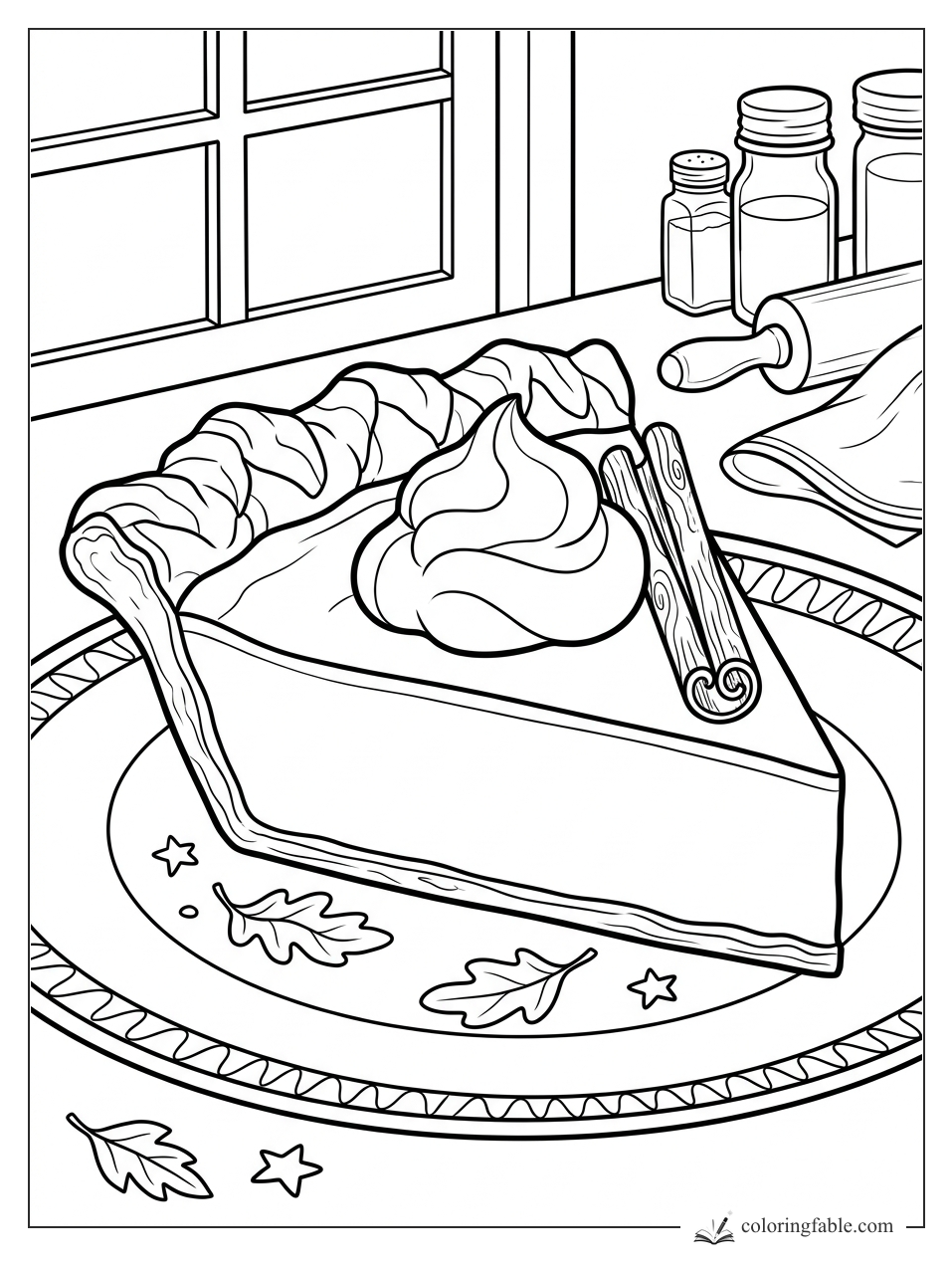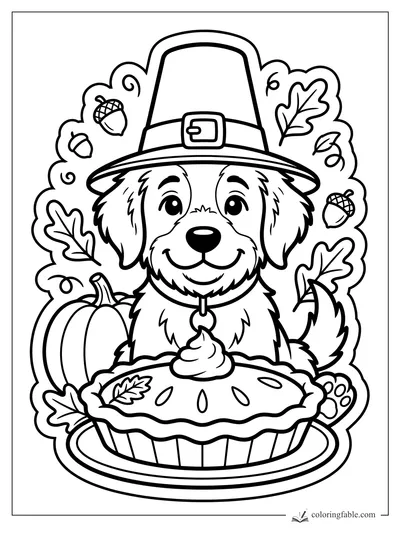
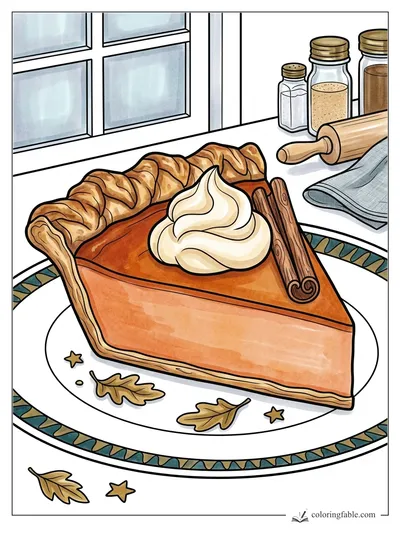
Why Pie Crusts Remember Leaves — Behind the old mill window, Hazel pressed dough around a pumpkin pie and tried to make the edge stay neat before the Thanksgiving trays were carried away. Read the full story →
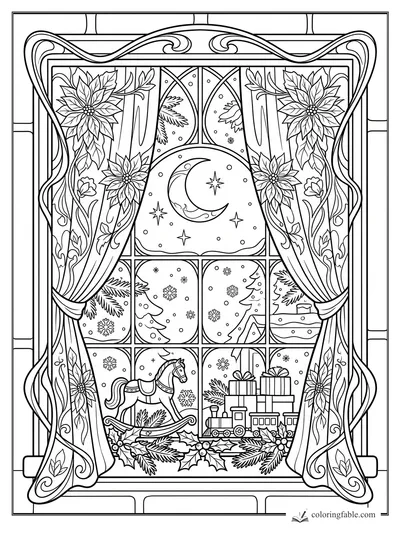
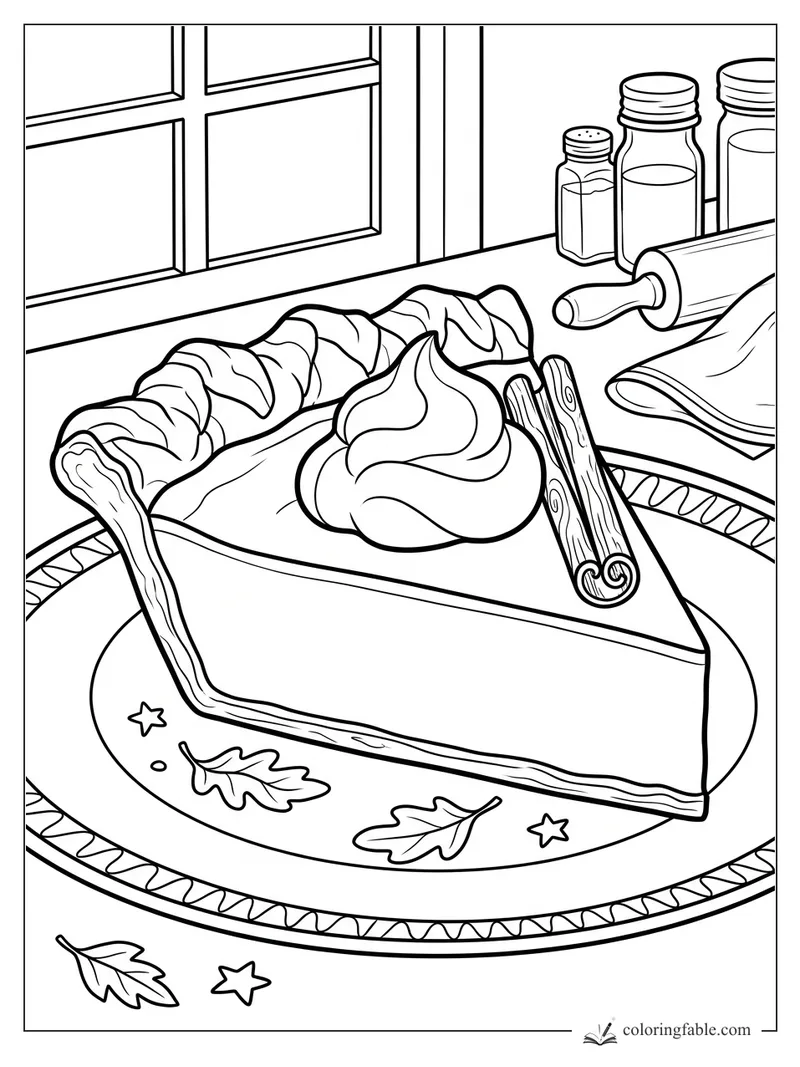
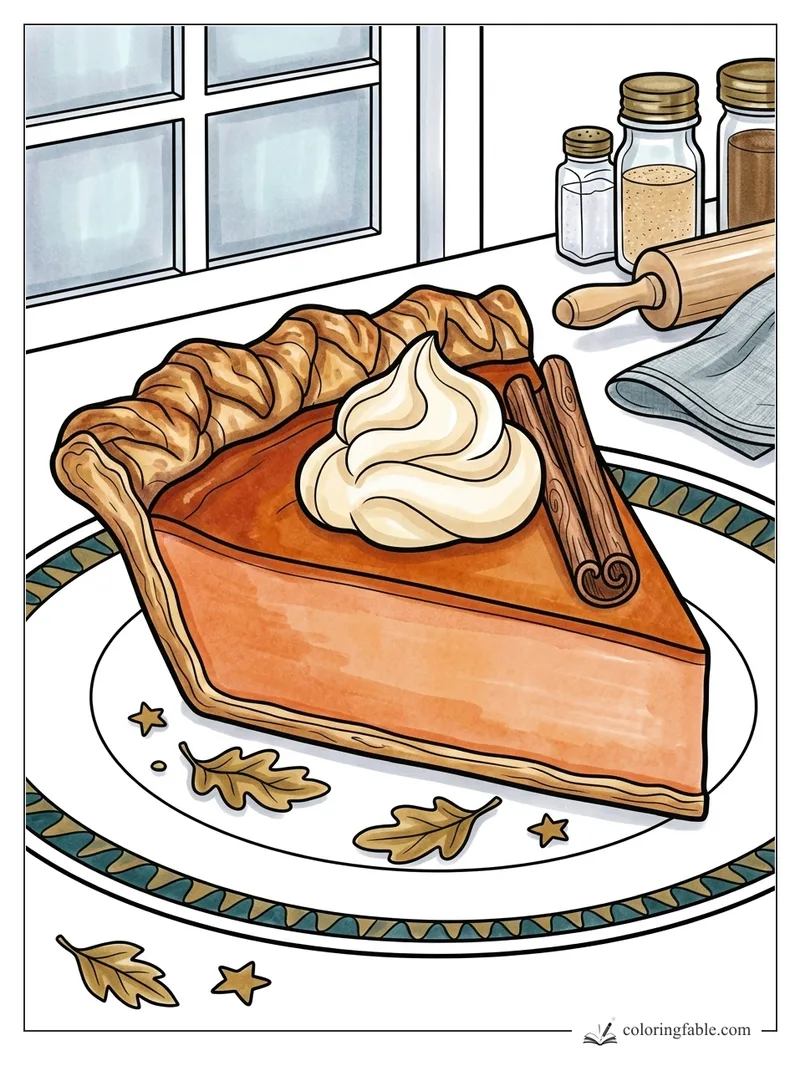
Behind the old mill window, Hazel pressed dough around a pumpkin pie and tried to make the edge stay neat before the Thanksgiving trays were carried away. Each time she pinched a ridge, it sagged flat, soft as a sigh, while cinnamon dust tickled her nose and the rolling pin knocked gently against the flour board.
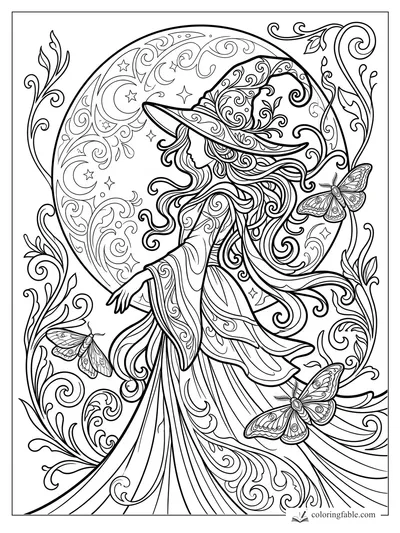
At moonrise, something tapped the glass: not a bird, but a pale leaf-moth with wings shaped like tiny oak leaves. Hazel opened the latch. The moth fluttered to the crust and whispered, “Wait for the dough to listen.” So Hazel waited. The room grew quiet except for the creek wheel thump-thumping outside. She pressed one patient thumb, then another, and the crust held every little fold.
When the pie cooled, real oak leaves outside shivered, but the leaf marks around the crust stayed firm and golden. From then on, bakers who rushed got plain edges, while bakers who waited found autumn waiting back in the dough. Next time you see those crimped ridges by a slice, see if you can spot where Hazel’s patient thumbs taught pie crusts to remember leaves.