The Heartbeat in the Locket — Under the museum’s glass roof, Tessa carried a plain brass locket in her fist and followed the smell of pencil shavings into the anatomy hall. Read the full story →
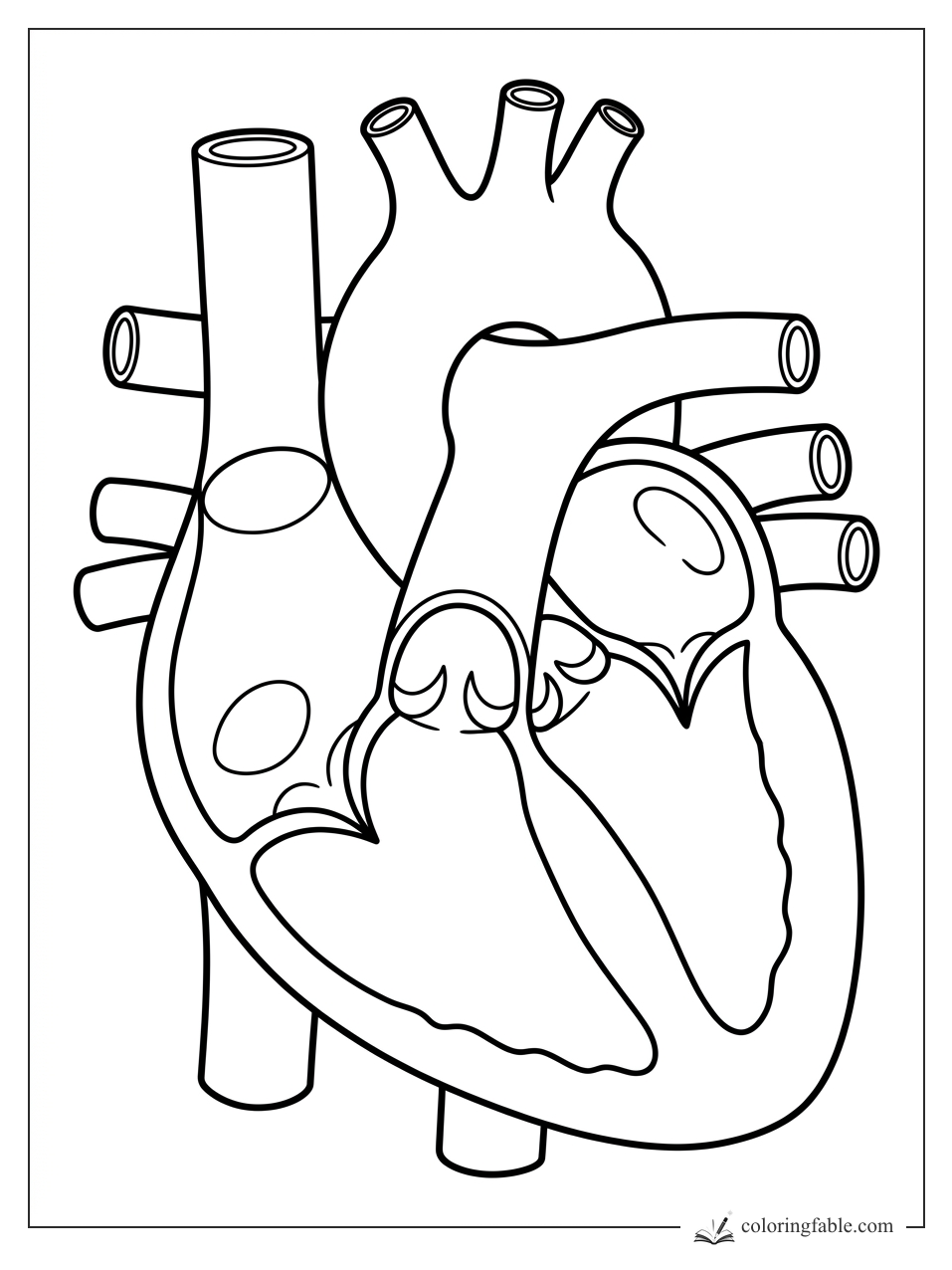
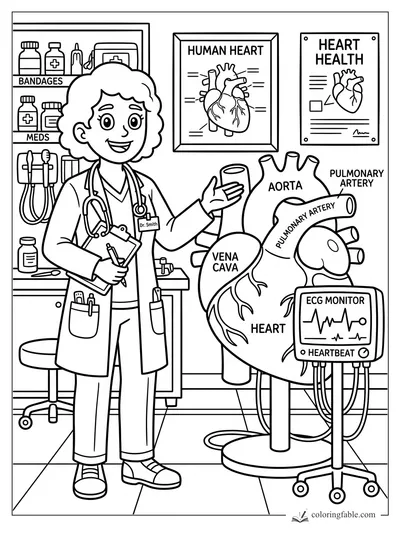
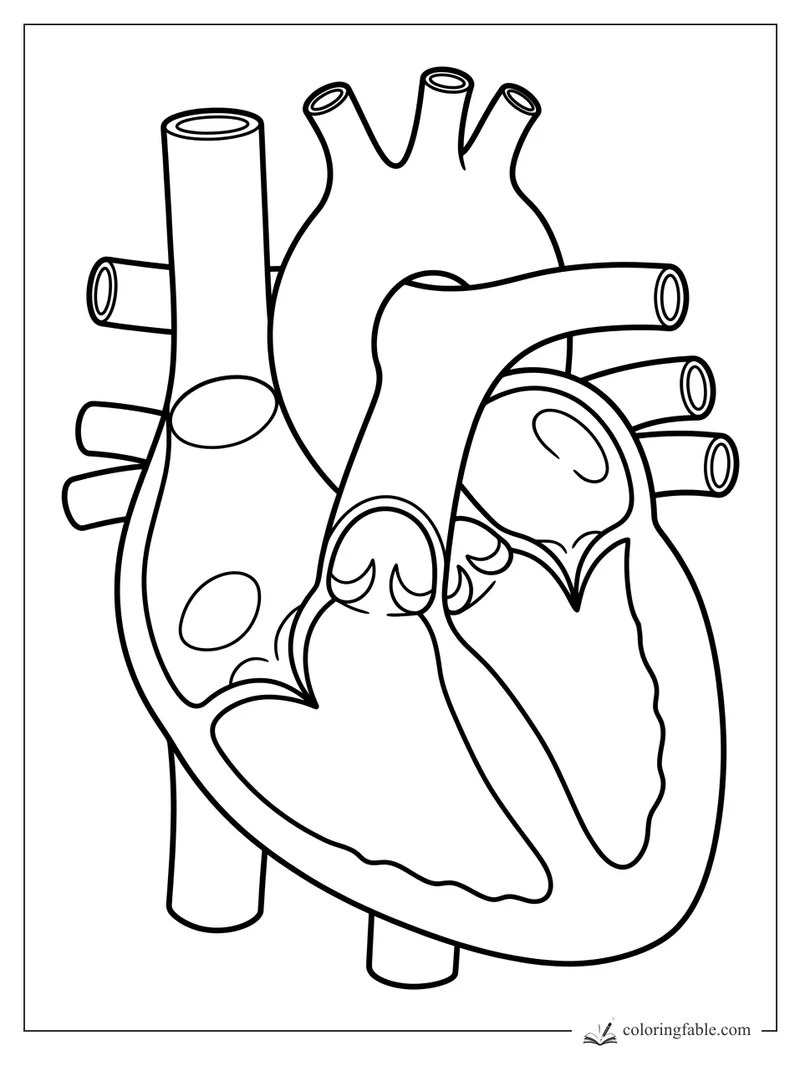
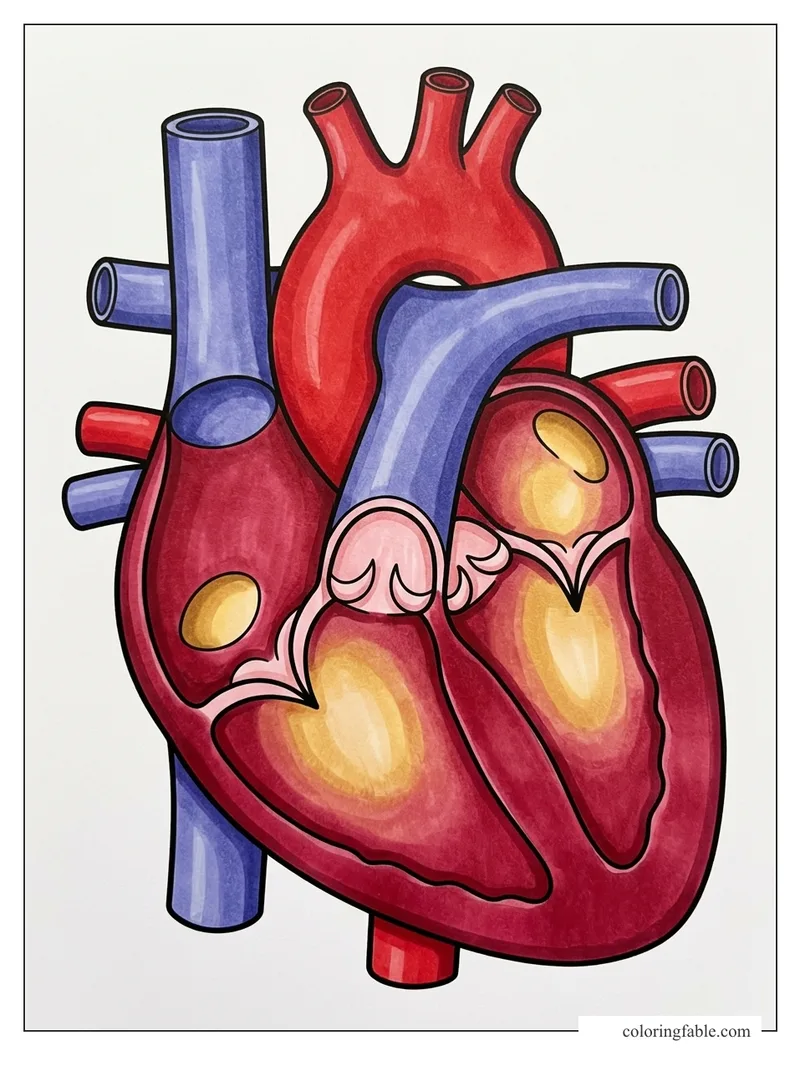
Under the museum’s glass roof, Tessa carried a plain brass locket in her fist and followed the smell of pencil shavings into the anatomy hall. She had come to sketch the great heart model, with its branching tubes and hidden rooms, because the locket ticked whenever she stood near it. Tick-tuck, tick-tuck, it said against her palm, softer than a clock and warmer than sunlight on wood.
She opened her notebook. The atriums looked like small waiting rooms; the valves, like doors that knew exactly when to swing. As she drew each vessel, the locket answered: tuck-tick, tuck-tick. “Are you copying it,” Tessa whispered, “or is it copying you?” The hall hummed with distant footsteps and the dusty hush of old display cases.
Then the museum guide placed a stethoscope in her ears. The locket did not tick at all. It listened. Through the rubber tubes came Tessa’s own steady thump, and the brass circle in her hand warmed like a seat saved just for her. Next time you trace the curving vessels and quiet chambers, see if you can find the place where a tiny locket would feel exactly where it belongs.