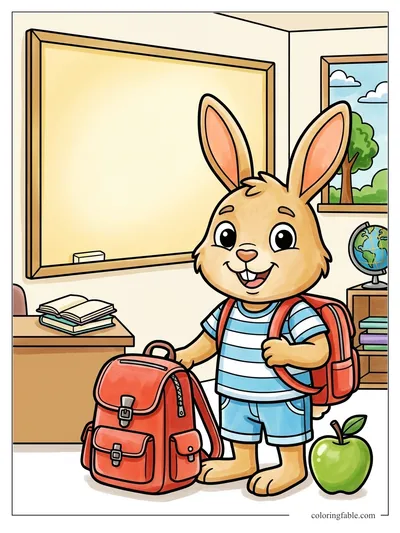
Why Chalkboards Wait Quietly — Before the bell, a hush sat in Room Three like dust on a windowsill. Read the full story →
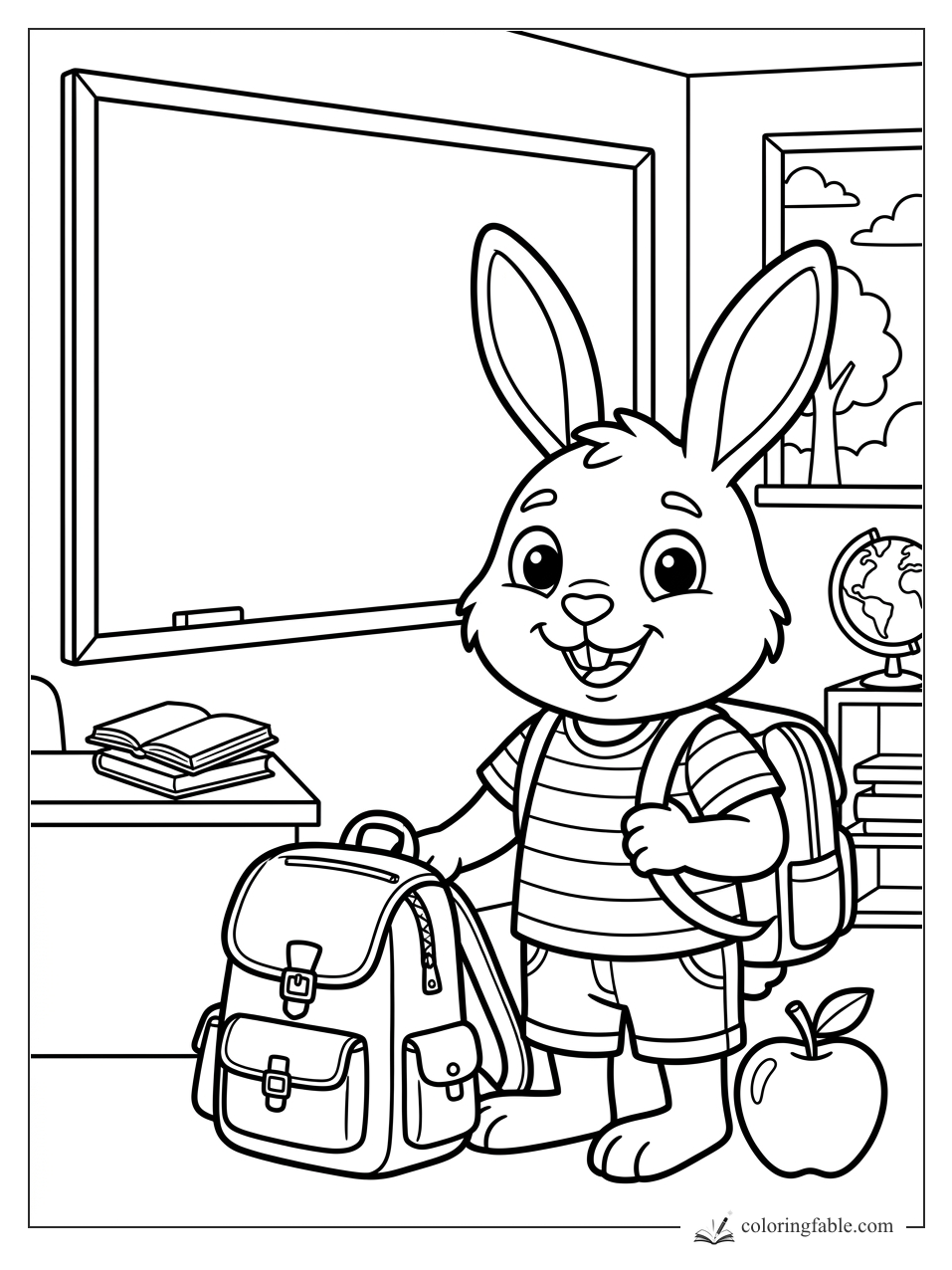
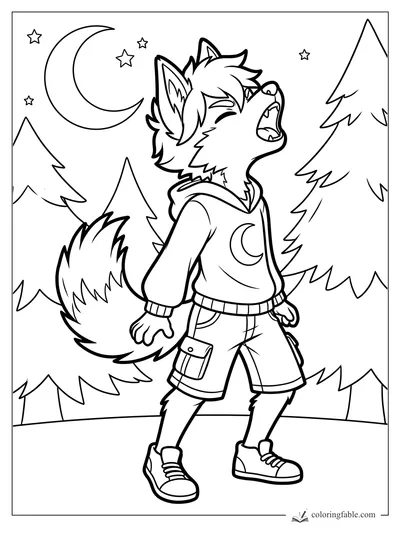
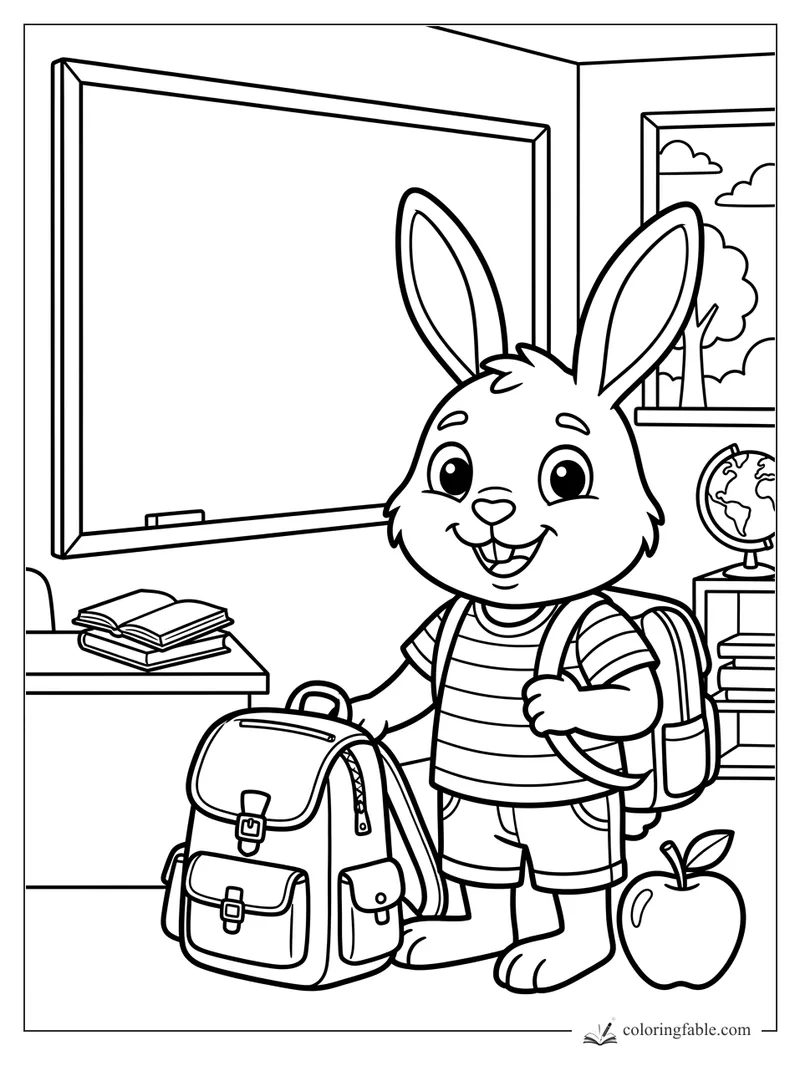
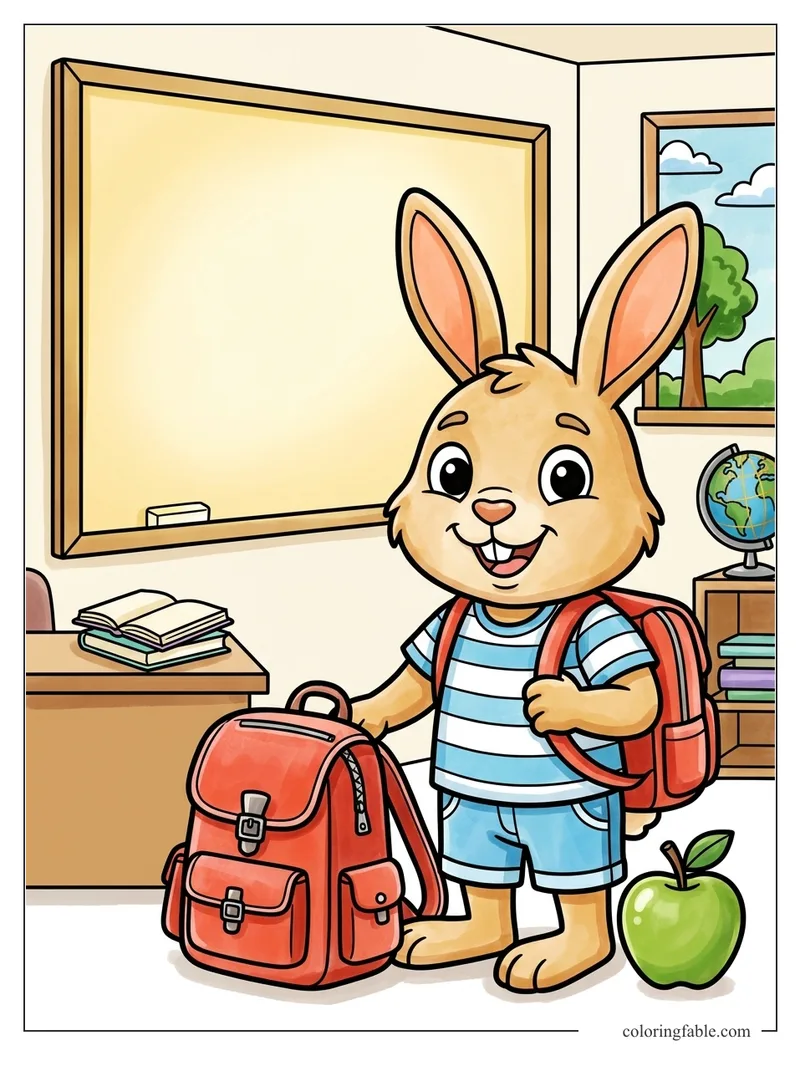
Before the bell, a hush sat in Room Three like dust on a windowsill. Corbin set his lunch apple beside his pack and invented Chalk-Sleep, a game where the board won if no one heard the chalk wake up. He wanted to leave one secret star in the corner before the gecko monitor clicked in, but the chalk tray held only a stub, cool and powdery against his paw.
Then Corbin saw the stack of new students’ name cards on the desk. Some would come in not knowing where to sit, with backpack straps squeaking and stomachs tight as knots. He rubbed out his star. In tiny marks, soft as snow, he drew a small open place around every name—enough space for a joke, a question, or a brave wrong answer. “There,” he whispered.
When feet pattered in, nobody noticed why the board seemed kinder. The teacher only smiled and let the first chalk line begin in the middle. Ever since, chalkboards wait quietly, holding blank room for voices that are almost ready; if you spot the wide board behind Corbin, can you imagine the first soft mark waking up?