The Stone That Remembered — By the prairie’s long north field, Ansel pressed his homemade wooden markers into a bucket of damp clay. Read the full story →
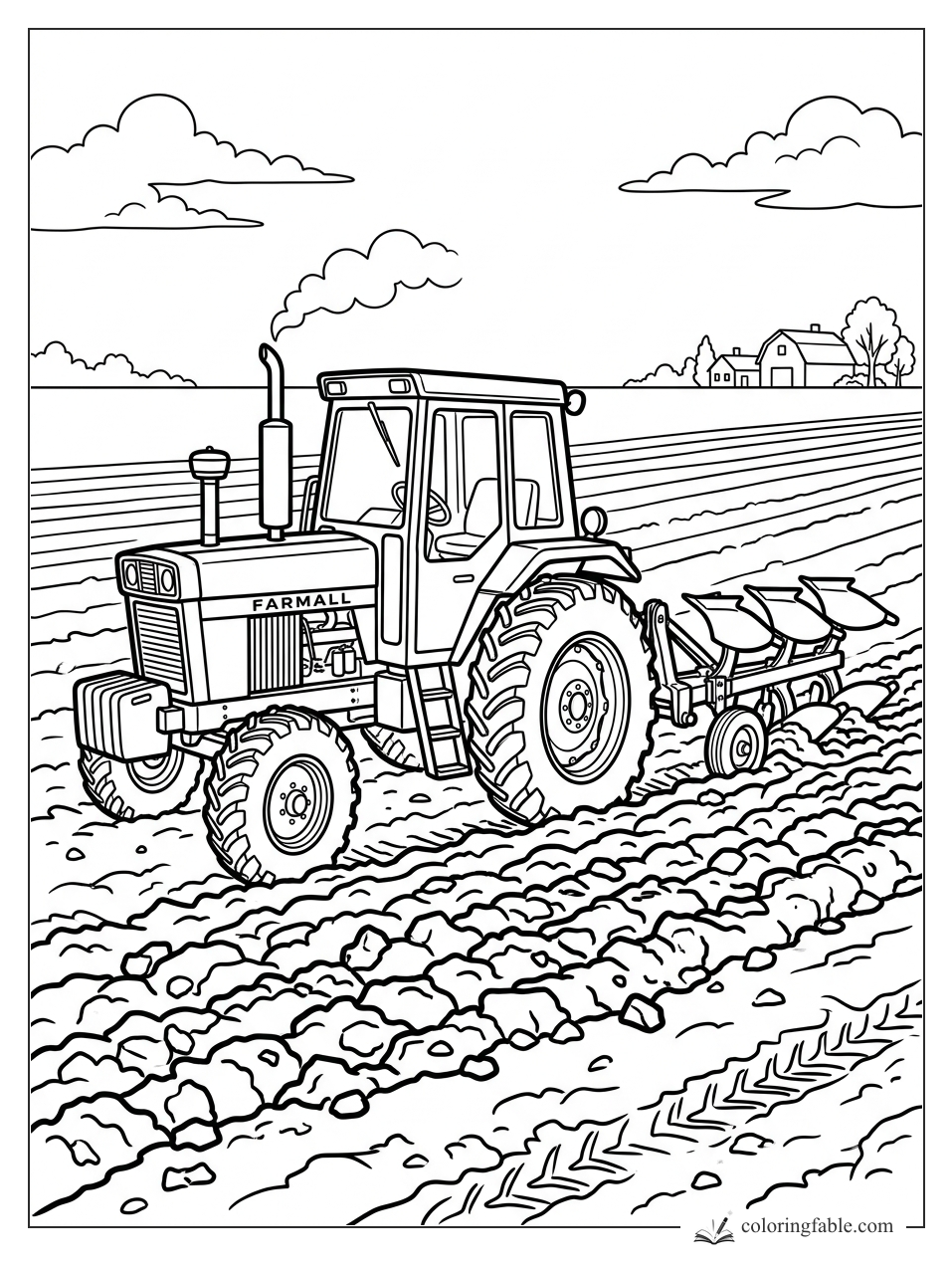
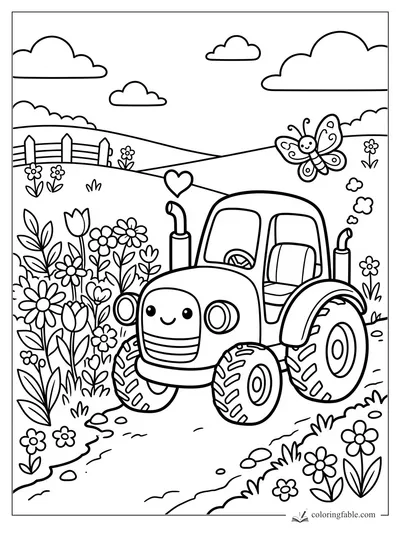
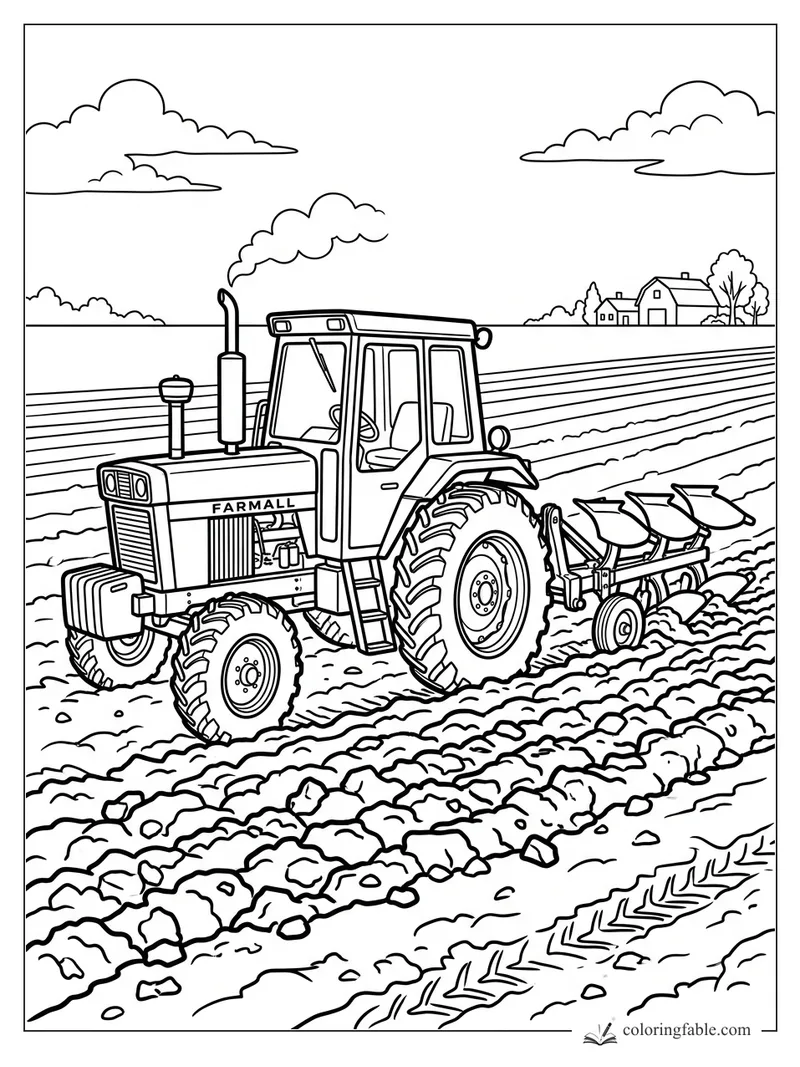
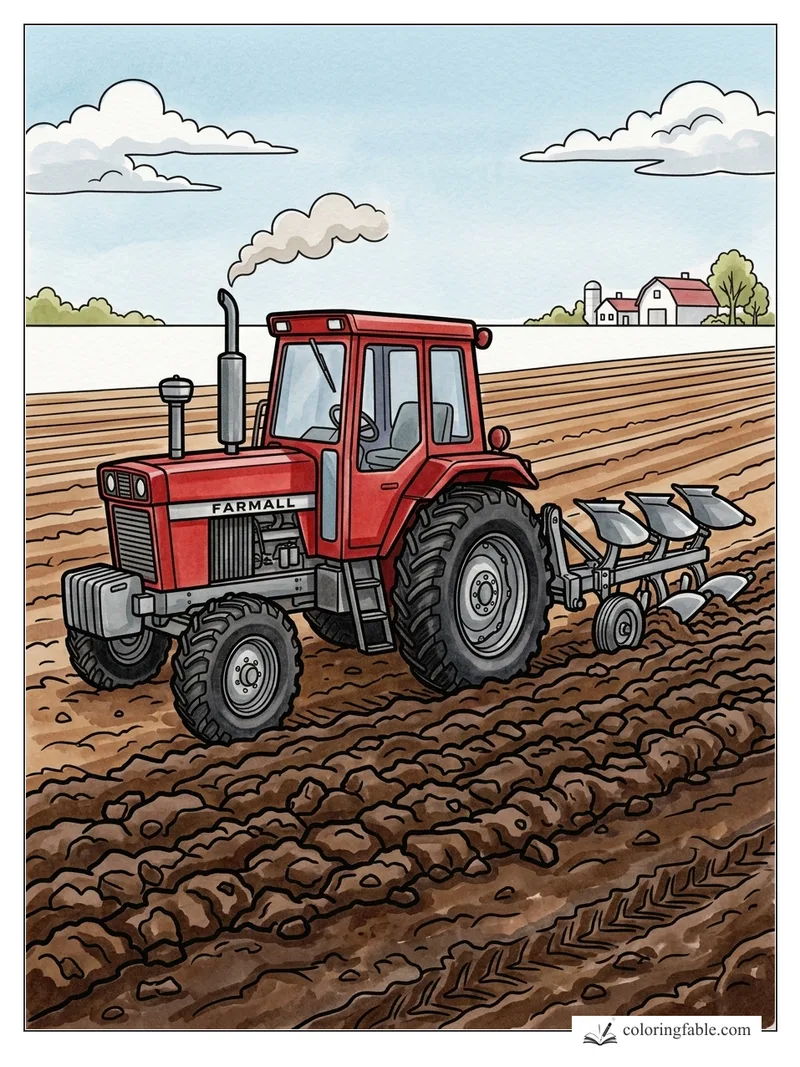
By the prairie’s long north field, Ansel pressed his homemade wooden markers into a bucket of damp clay. He had carved each one himself with a pocketknife and sanded the handles until they felt smooth as river shells. When the Farmall rolled ahead with its steady chug-chug, he walked behind the fresh furrow, setting a marker beside every row that looked straight enough to make his chest lift.
The morning smelled of diesel smoke, wet earth, and the sharp green edge of grass. Rooks ticked in the stubble. Ansel knelt to fix a crooked marker when the plow turned up a flat gray stone, striped with a perfect fern. Not painted. Not scratched. Pressed there before barns, before roads, before anyone had thought to make a field. “I made a row,” he whispered, “and the ground showed me one it made first.”
He set his best marker beside the fossil, not to claim it, but to point the way back. By sunset, his handmade line and the ancient fern lay side by side in the cooling soil. If you trace the rough clods near the plow, can you find the place where Ansel’s row met the prairie’s older one?