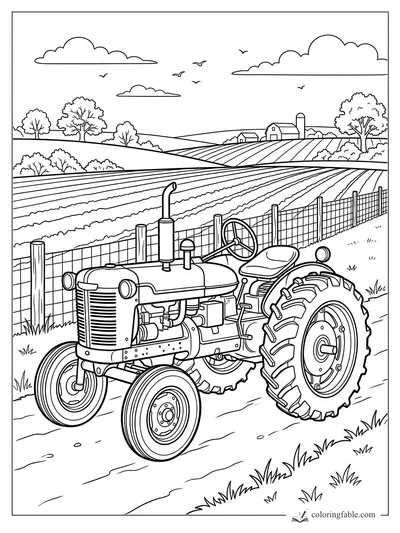
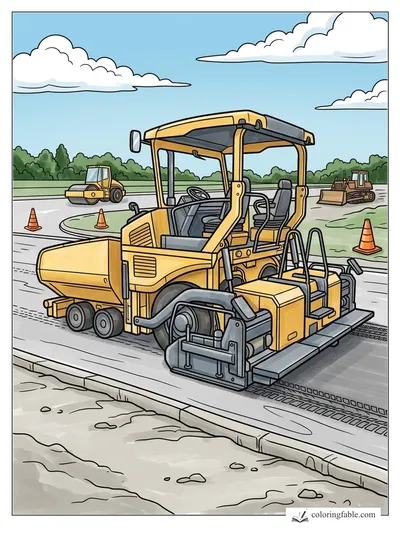
Why Pavers Wear Roofs — Before sunrise, when the tar kettle gave off its warm peppery smell, Rafi rolled to the boulevard curb and whispered, “One smooth lane, no bumps.” He wanted to lay the finish strip before the parade carts arrived, but a gray drizzle began tapping his metal sides. Read the full story →
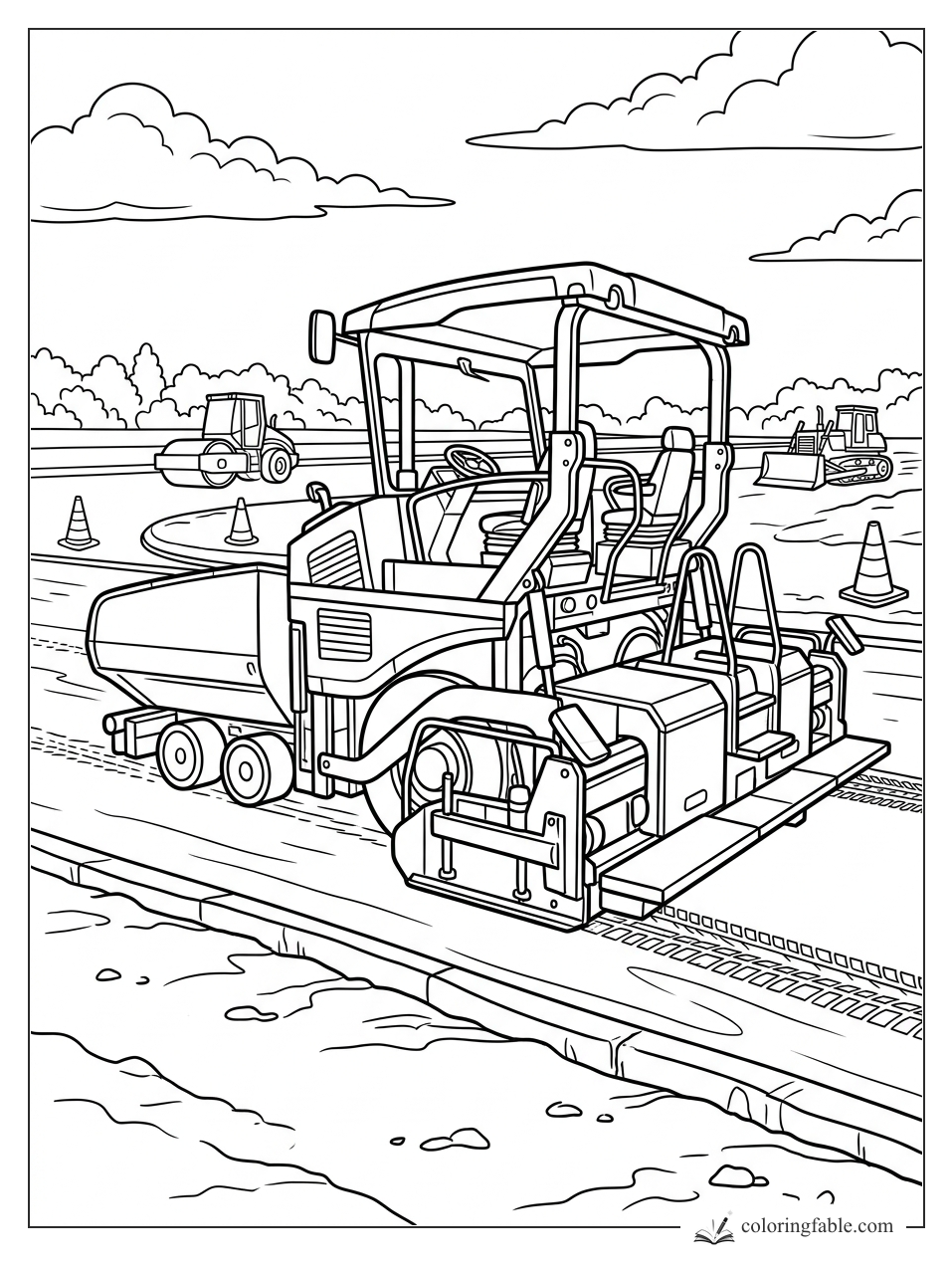
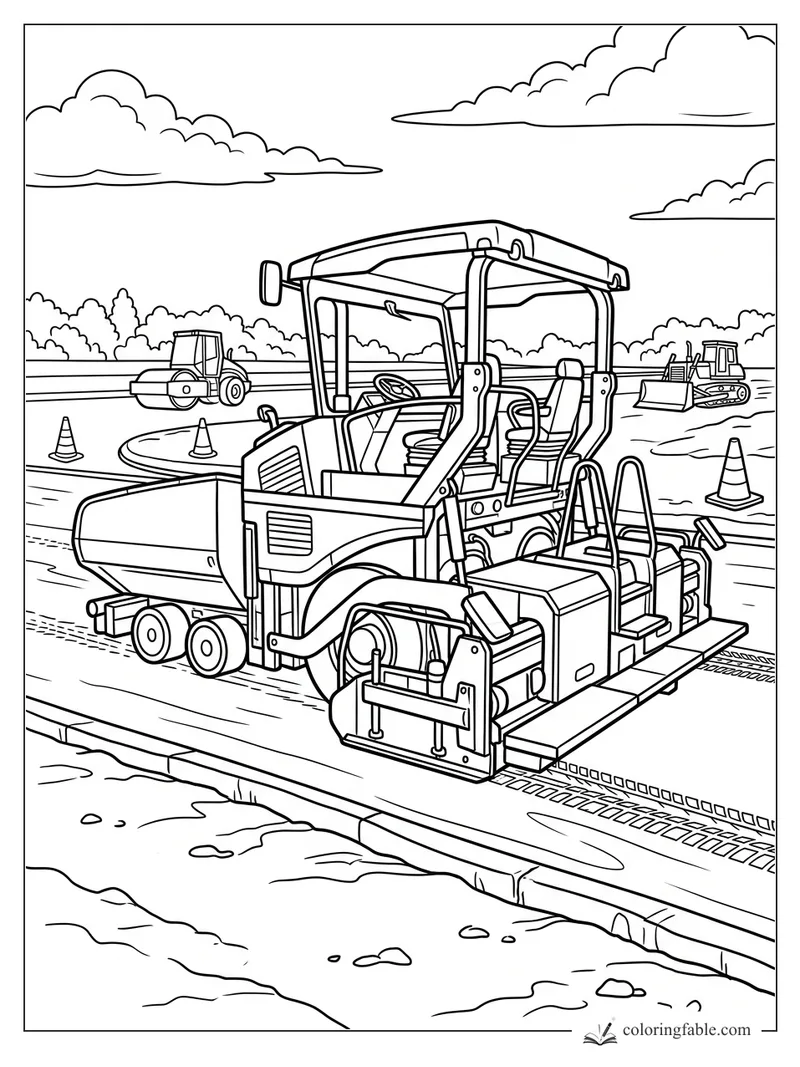
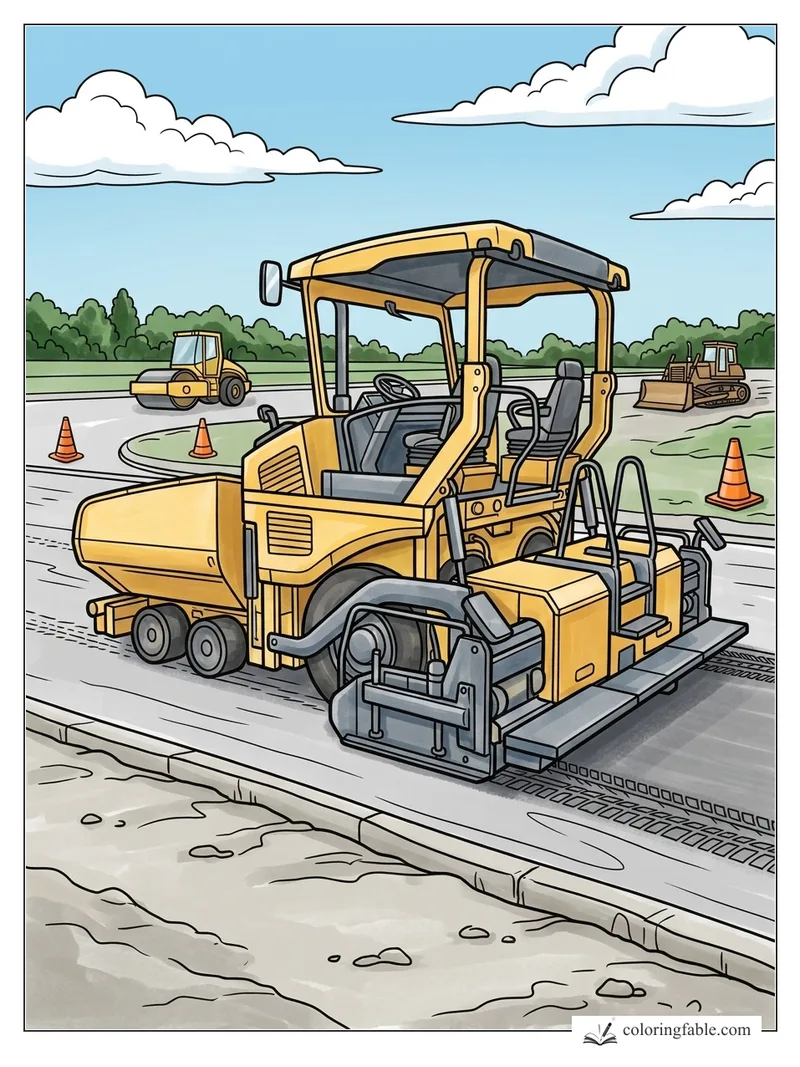
Before sunrise, when the tar kettle gave off its warm peppery smell, Rafi rolled to the boulevard curb and whispered, “One smooth lane, no bumps.” He wanted to lay the finish strip before the parade carts arrived, but a gray drizzle began tapping his metal sides. The roller grumbled in the distance. The dozer blinked mud from his blade. Rafi waited, engine humming low, because fresh asphalt hates hurry almost as much as cats hate baths.
Drip, drip, drip. Rafi felt one tickle beneath his seat, where nobody ever checked because it was all springs and bolts and crumbs from the mechanic’s lunch. He waited through seven slow drips, then lifted the cushion with his smallest hydraulic nudge. Hidden there was a folded tin roof, thin as a cookie sheet, with two little arms curled tight around it. When the eighth drop fell, the arms popped open—clack!—and the roof stretched above him, keeping the rain off the hot mix.
Rafi finished the lane in a silver hush, smooth enough to hold cloud-shadows. Ever since, asphalt pavers have worn roofs, not for shade first, but because one patient paver found a surprise under his seat when the drizzle went drip, drip, drip.