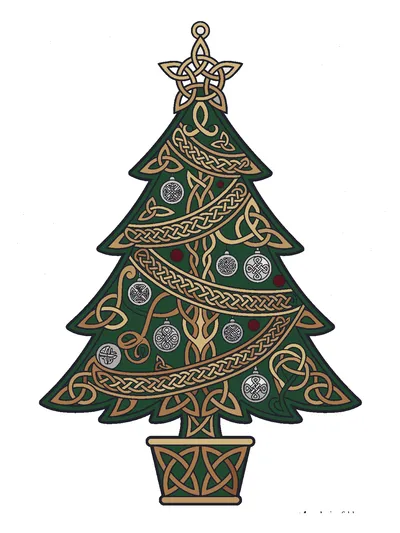
The Game That Braided Christmas — Behind the cedar court, where resin sharpened the cold air and candles breathed in blue glass cups, Nerys cut thin strips of willow and whispered a game no one else had been allowed to hear. Read the full story →
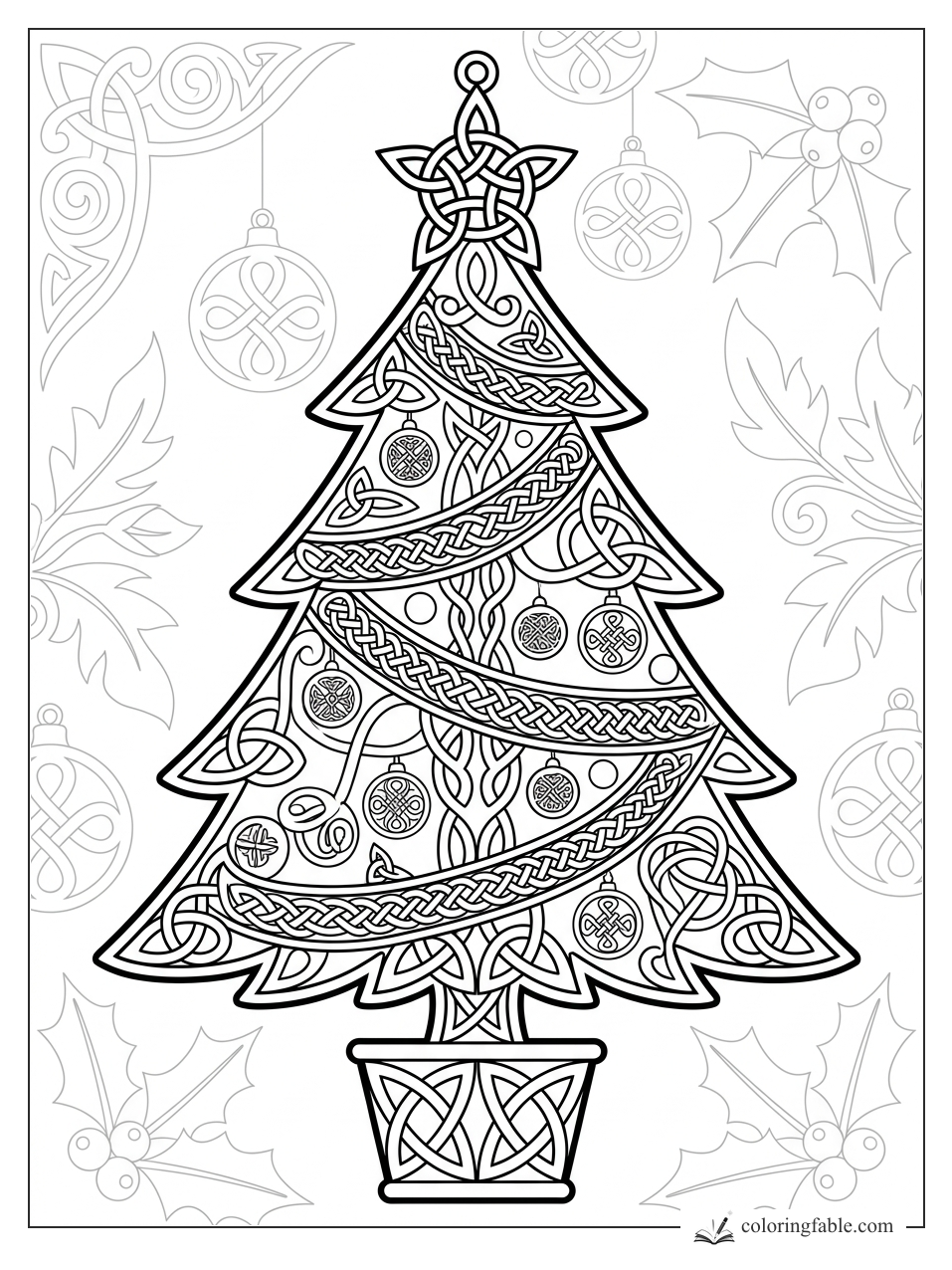
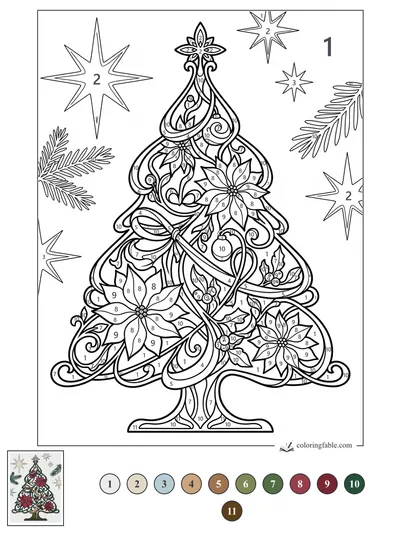
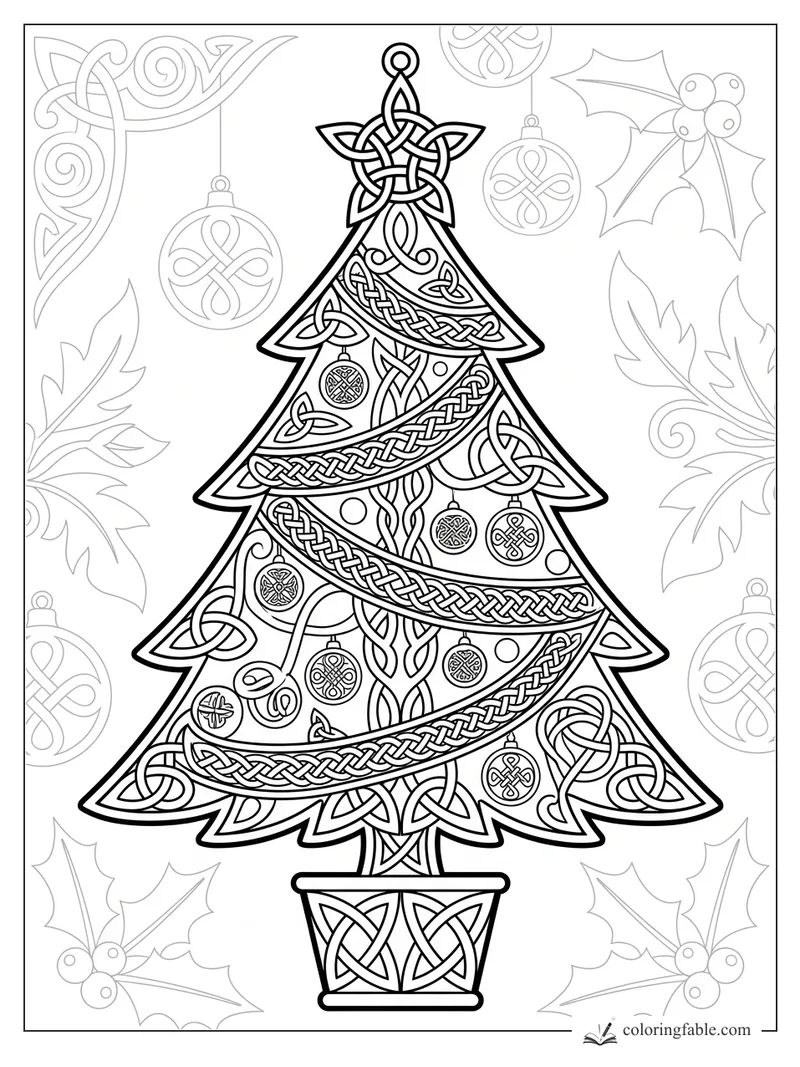
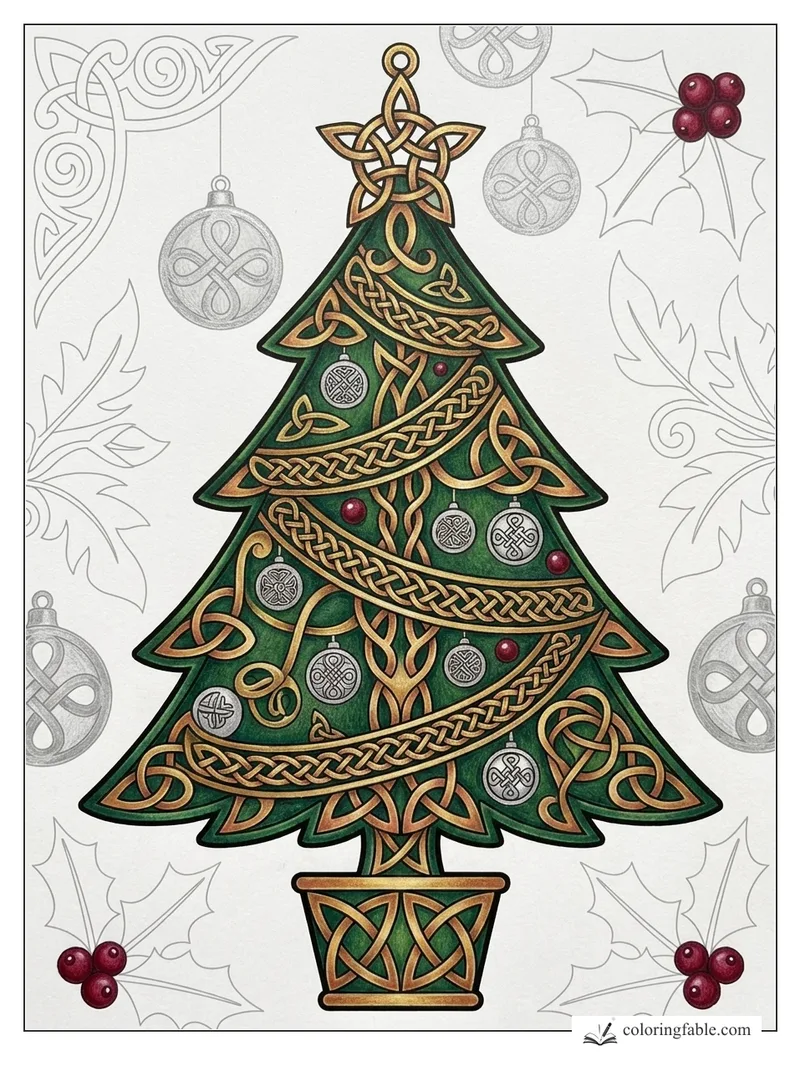
Behind the cedar court, where resin sharpened the cold air and candles breathed in blue glass cups, Nerys cut thin strips of willow and whispered a game no one else had been allowed to hear. “Over, under, never loose,” she told her hands, guiding each strip across a small fir she had raised in a square tub. The rule was simple: if her fingers could travel from root to star without lifting, the winter hall would have a path for every guest who arrived in silence.
Then the musicians stopped. Snow pressed against the shutters with a dry hiss, and the old door would not open; its iron latch had frozen into a stubborn lump. Nerys looked at the tree she had made herself—the crossing bands, the tucked ends, the little round charms carved while her thumbs ached—and understood the missing move. She looped the last willow strand through the top star, drew it down through every braided turn, and tied it around the latch. The door warmed, not from fire, but from all those patient over-and-under paths holding together.
That is why, ever since, Celtic Christmas trees wear their knots proudly: they remember the night one maker’s private game became a welcome strong enough to open winter.