Why Trophies Face the Sun — Behind the upper banners, where the air smelled of dust, brass polish, and paper pennants, Iven invented a game called Sunward. No one kept points. Read the full story →
Behind the upper banners, where the air smelled of dust, brass polish, and paper pennants, Iven invented a game called Sunward. No one kept points. You won by sliding a small golden tile along the balcony rail until it caught the afternoon light and flashed on someone who thought no one had noticed: the usher retying a child’s shoe, the vendor sharing his last cup of ice, the sweeper clearing a path before the roar arrived.
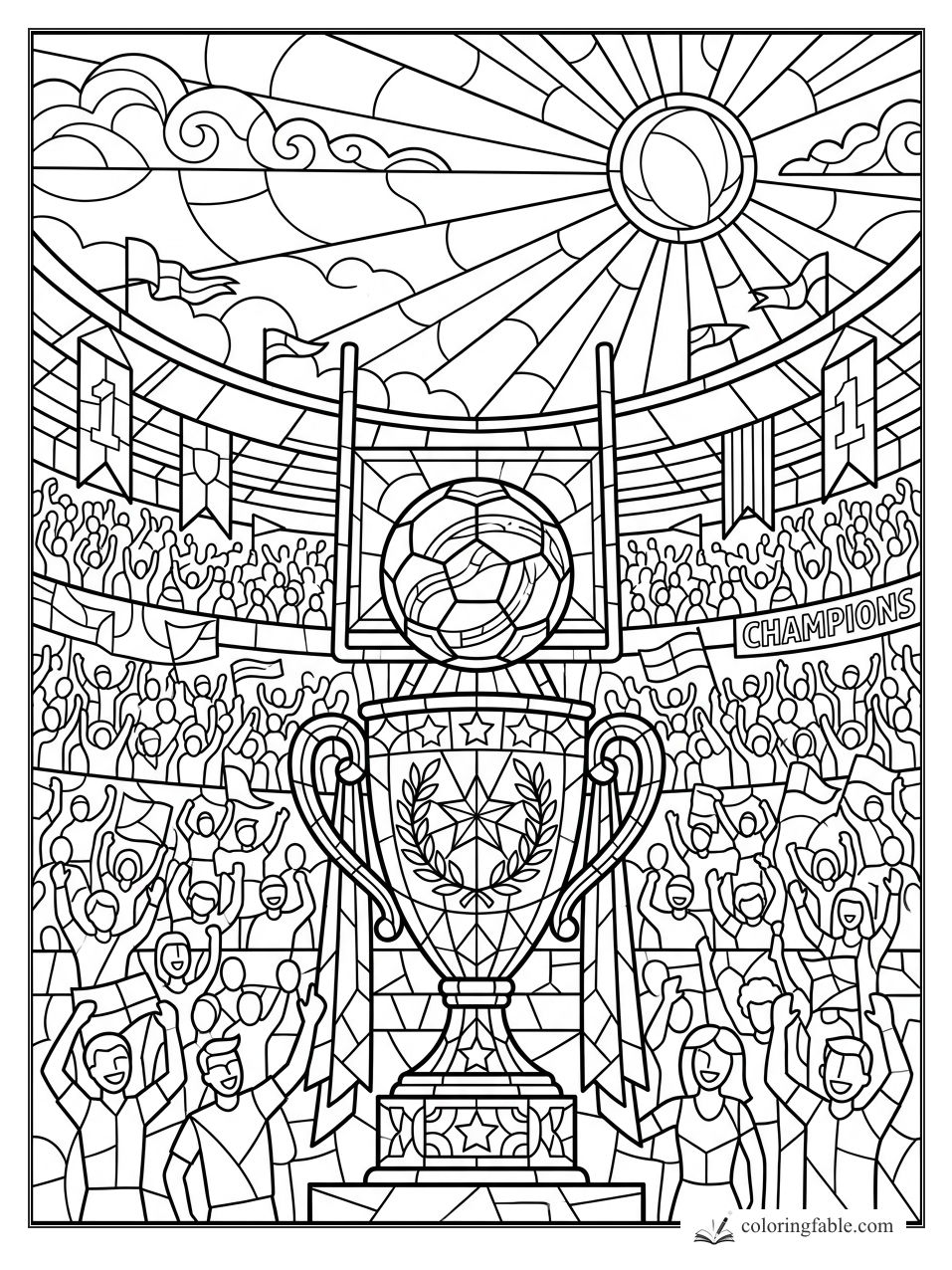
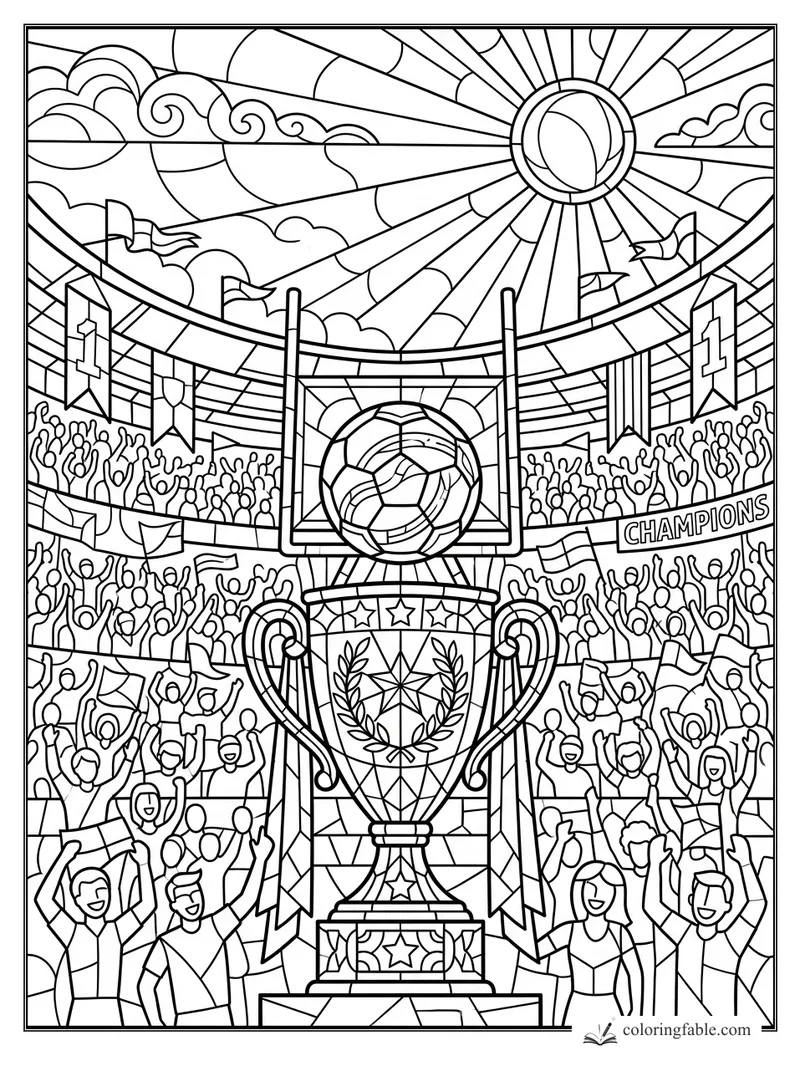
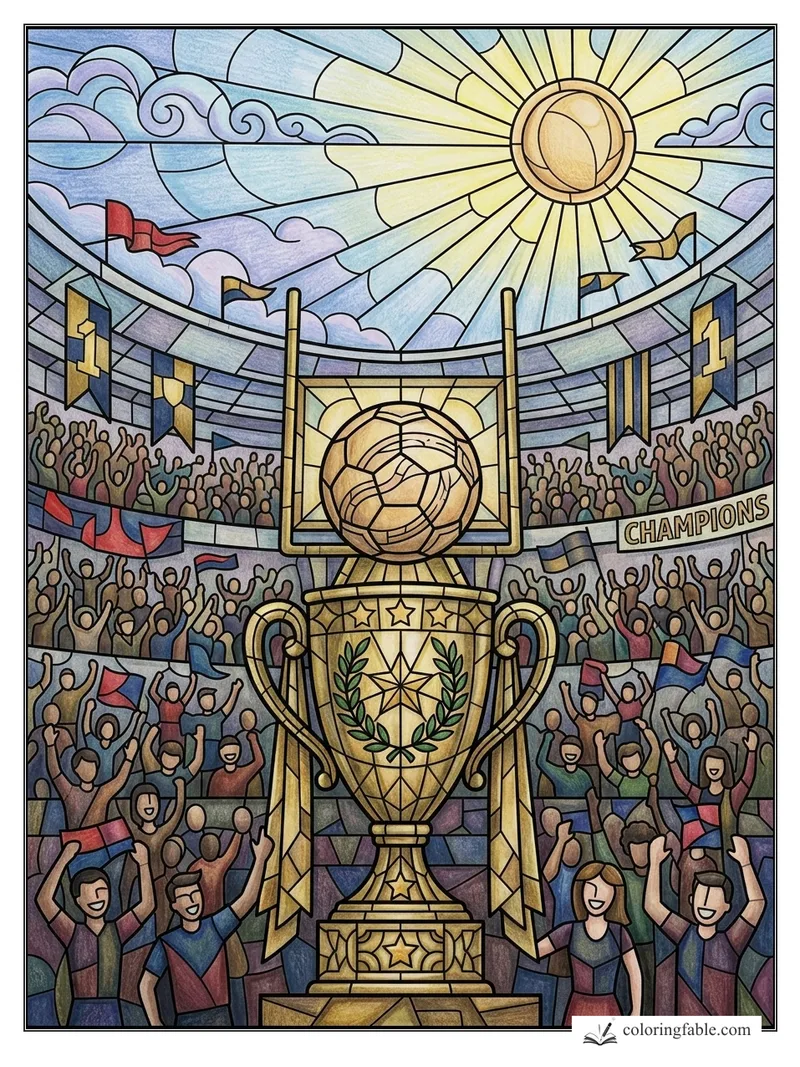
Iven had only one tile, cut from a cracked nameplate, and he wanted to keep its shine for the final flash over his own seat. Then the championship trophy was rolled beneath the glass roof, dull from storage, its blank face turned toward the tunnel. The crowd shouted for teams that were not yet there. Iven looked at the trophy, looked at the small sun burning in his palm, and pressed the tile into the cup’s highest star where no camera could see.
The light broke open. It ran up the handles, over the laurel, through the goal frame, and lifted every quiet favor into gold for one breath. Ever since, trophies are turned toward the sun before a game begins—not to boast, but to remember the gifts given from behind the upper banners.