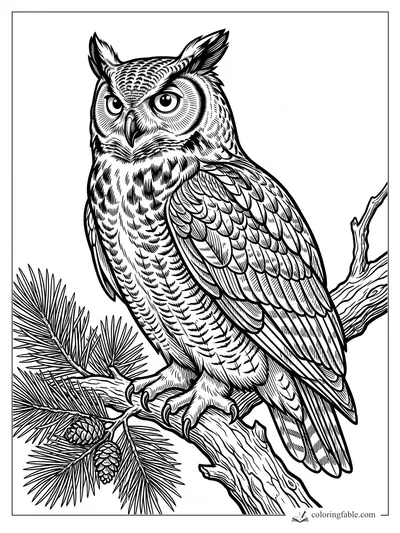
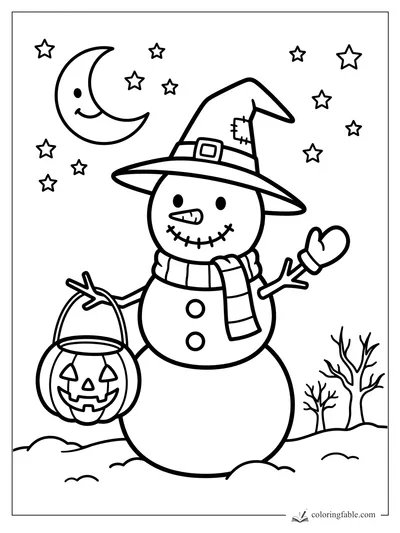
The stained glass style
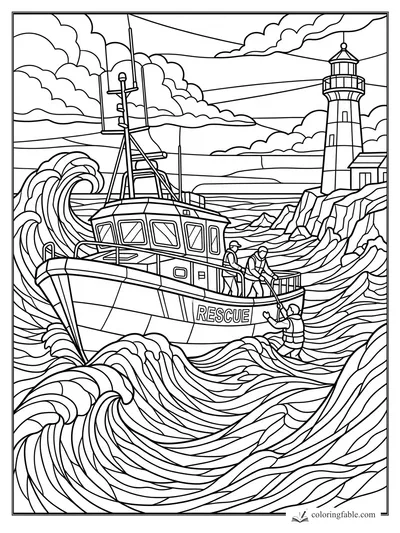
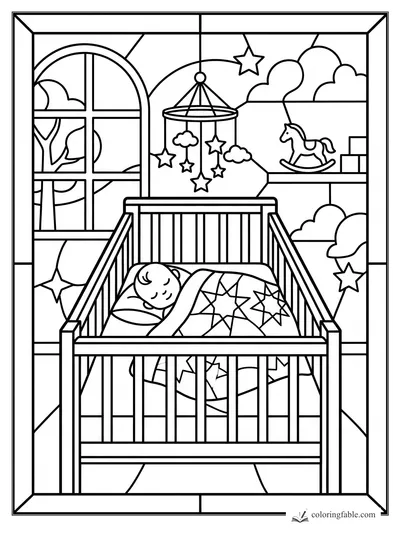
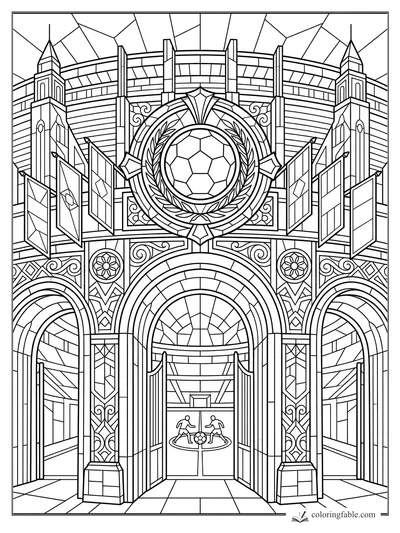
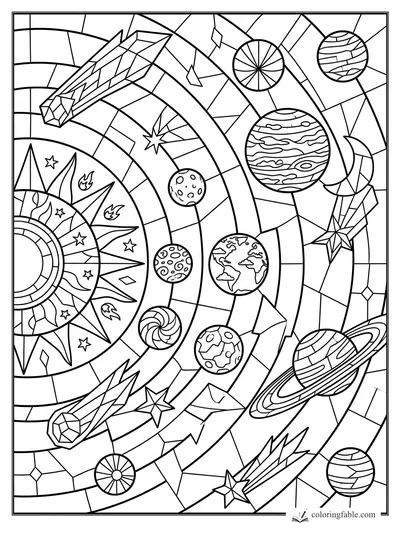
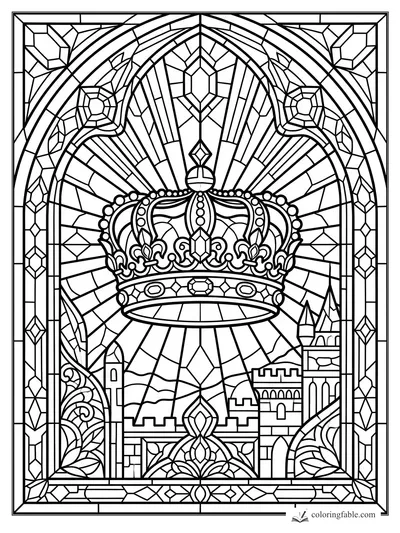
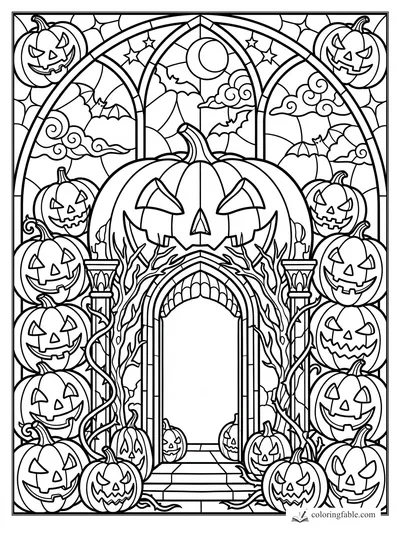
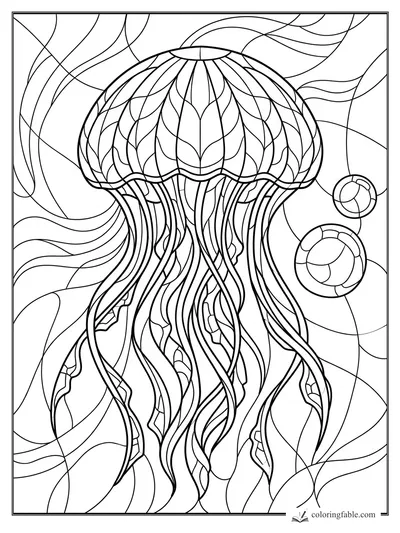
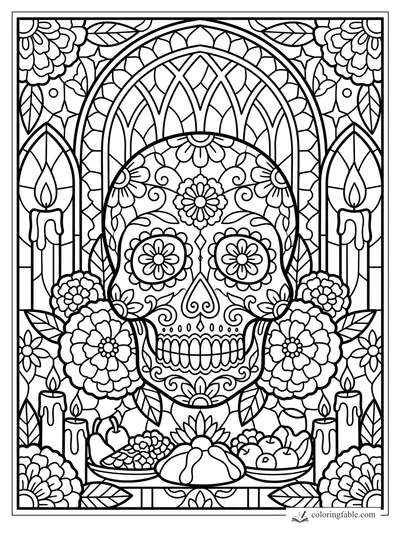
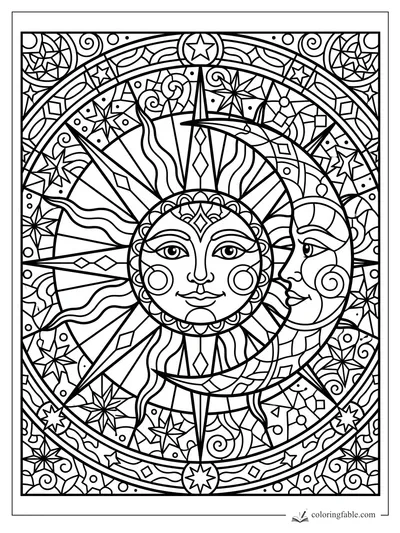
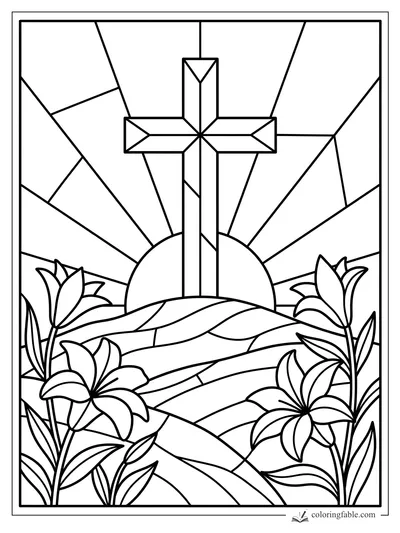
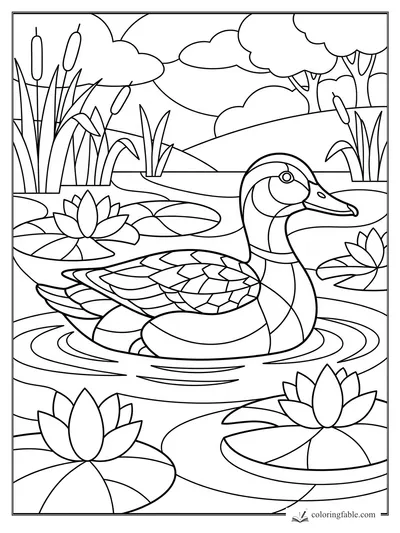
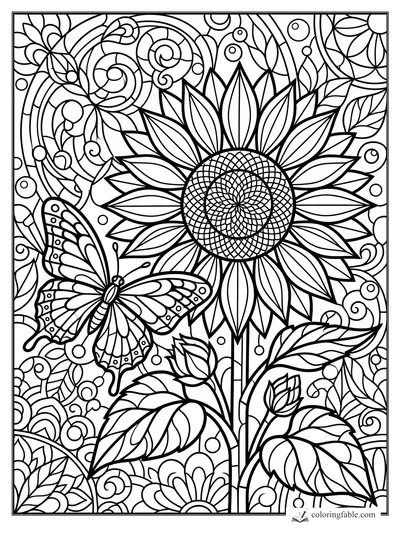
Stained glass coloring pages with bold patterns and luminous designs
Inside this collection, you’ll find printable stained glass designs built from cathedral-style windows, geometric mosaics, floral panels, sunbursts, and abstract leaded shapes. Some pages have wide panes and simple outlines for younger colorers or a quick relaxing session; others pack in tiny shards, repeating borders, and layered symmetry for teens and adults who enjoy careful detail work. The designs fit the patterns-and-abstract mood while still suggesting real glass: thick leading, jewel-like sections, and light-catching curves. Print one for markers, colored pencils, or gel pens, and treat each pane like its own little color decision.
Stained-glass pages mimic the leading of a church window: thick dark outlines dividing the drawing into closed cells, each begging for its own color. The result looks striking even with simple coloring — fill every cell and the page glows.
The Stained Glass collection
20 original pages drawn FOR this style — the heart of the theme.
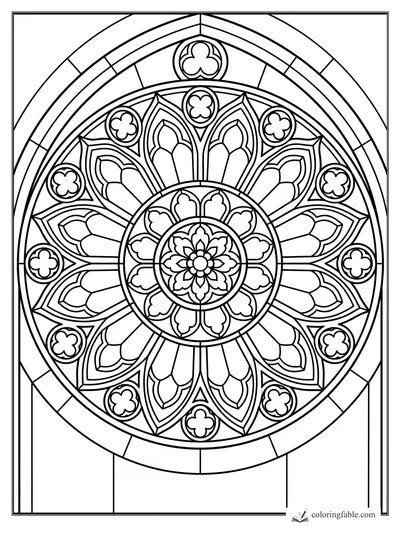
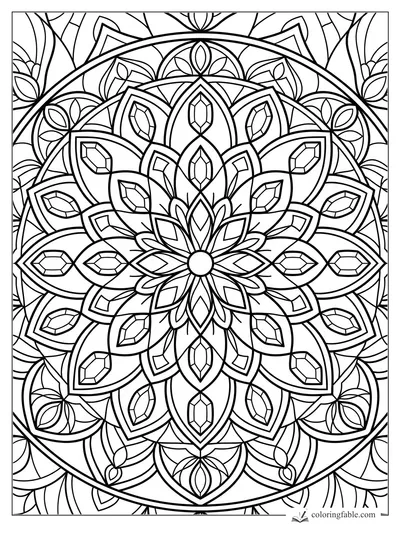
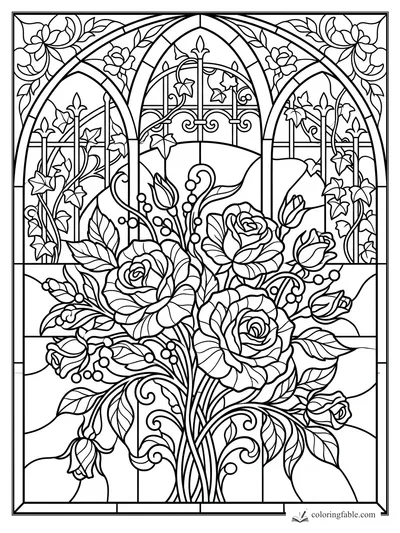
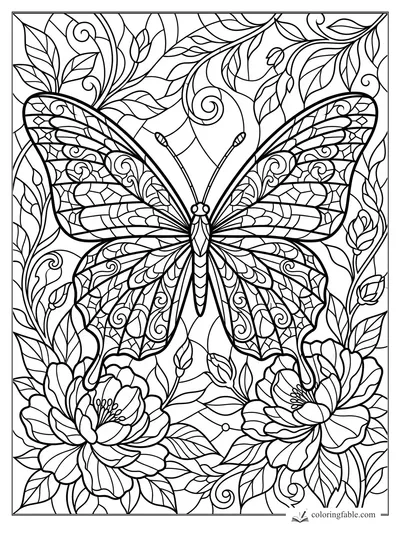

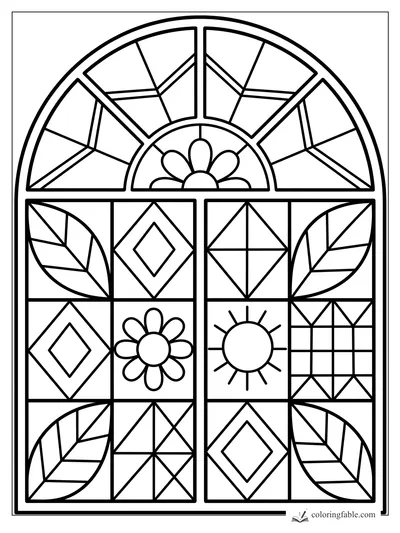
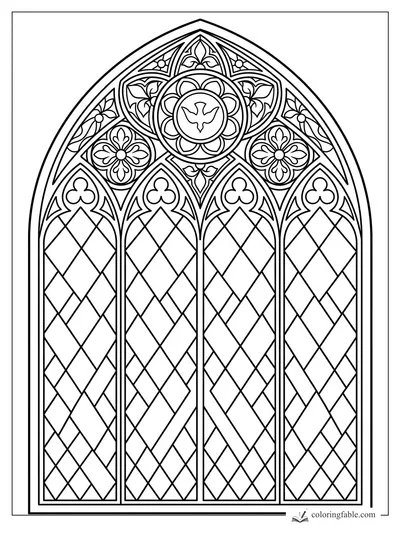
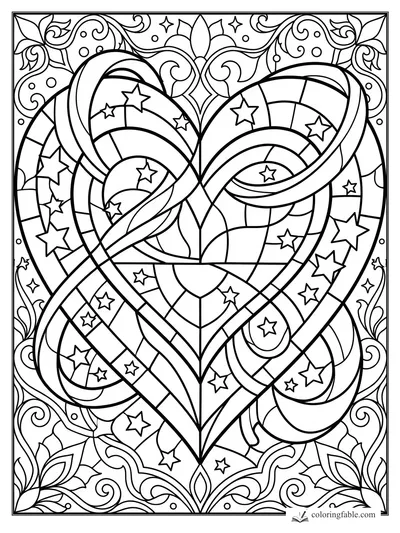
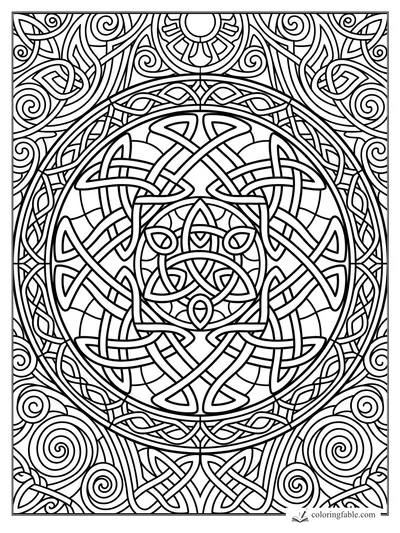
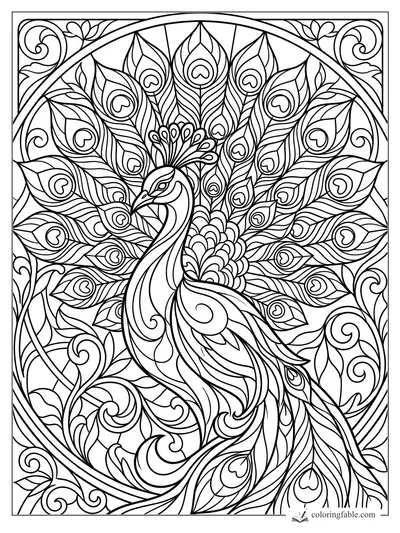
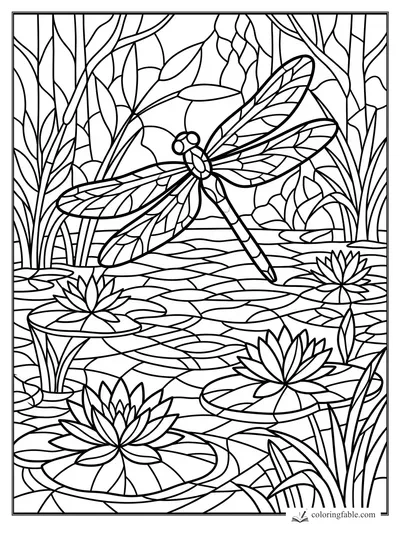
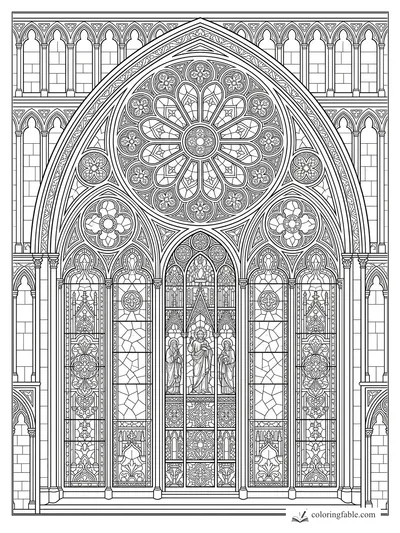
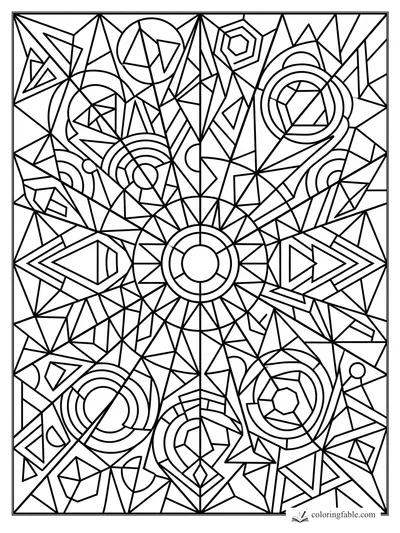
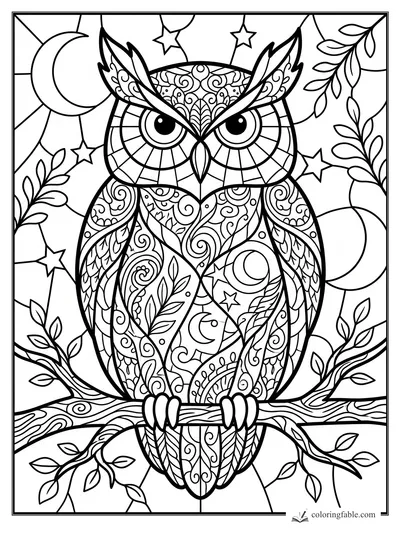
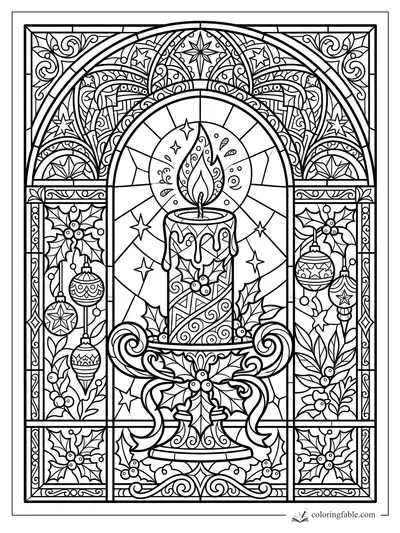
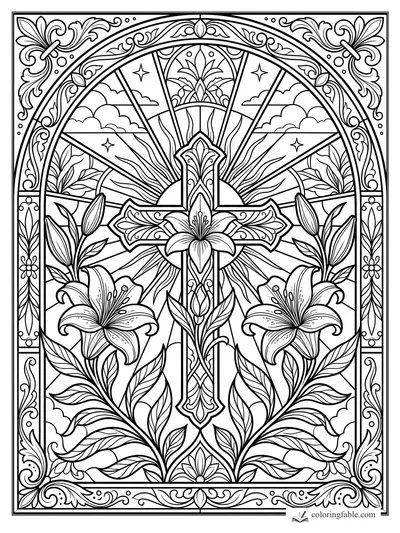
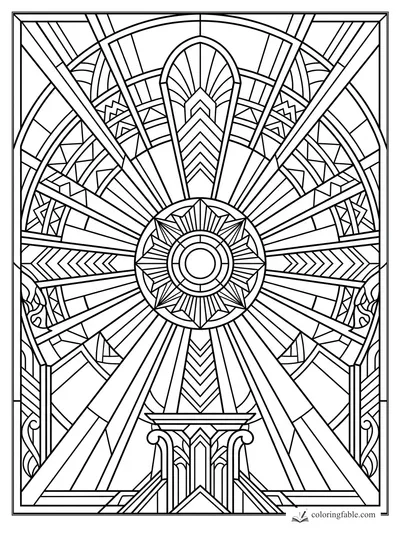
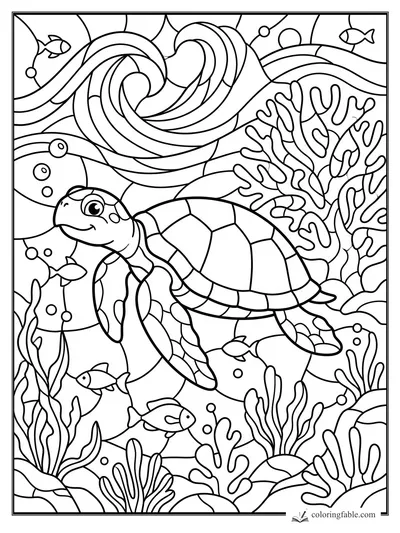
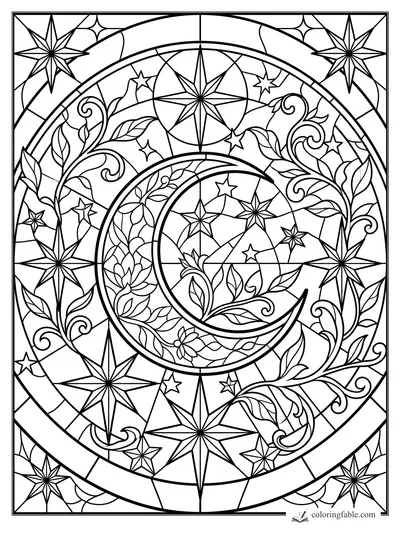
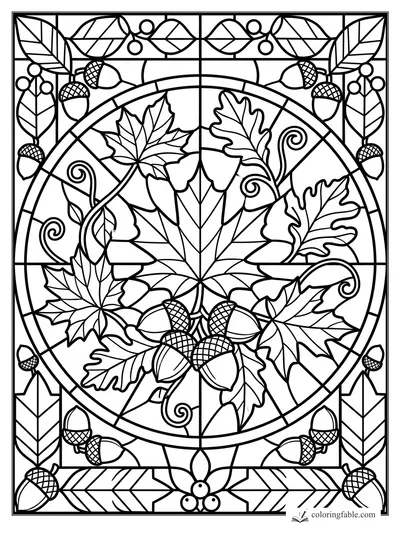
Stained Glass across all our worlds
The stained glass style lives beyond its collection — a varied pick from the rest of the catalog, each page linking home. A sample of 48 pages out of 179.
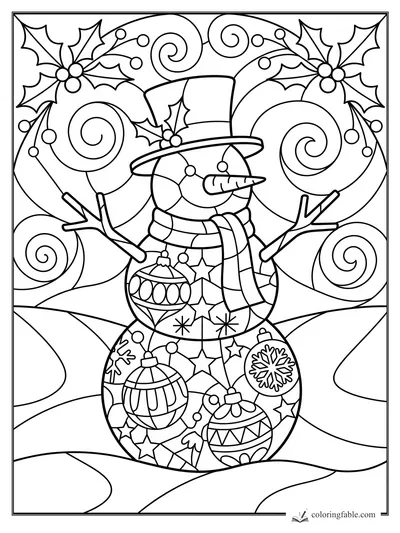
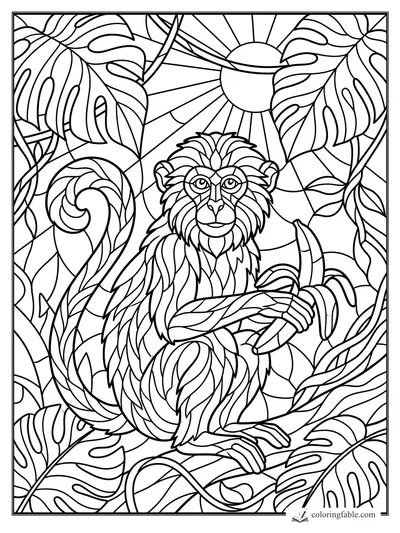
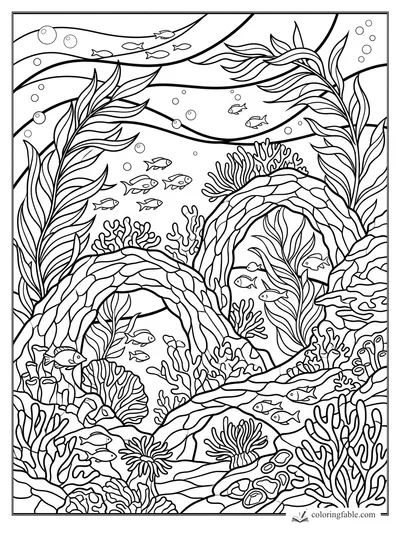
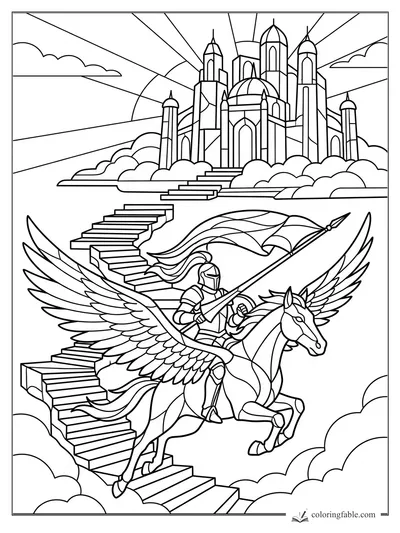
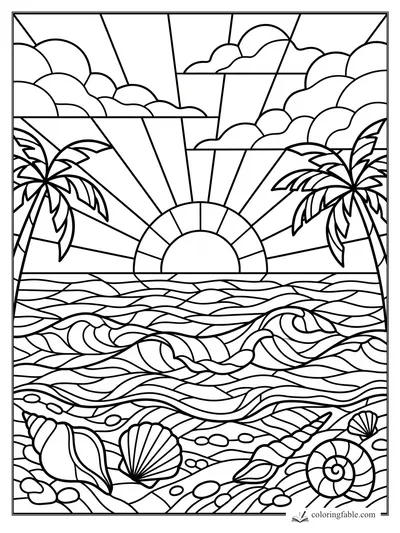

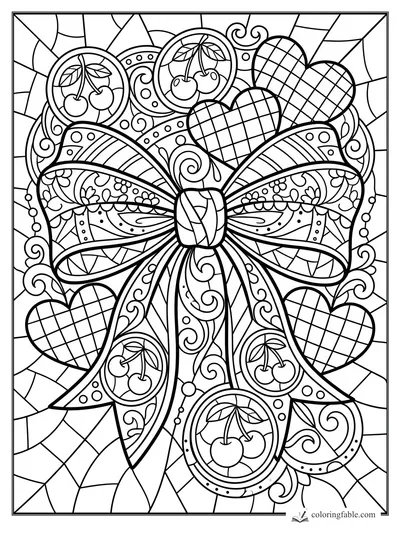
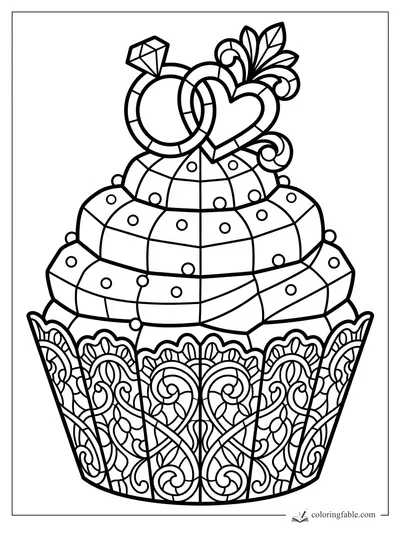

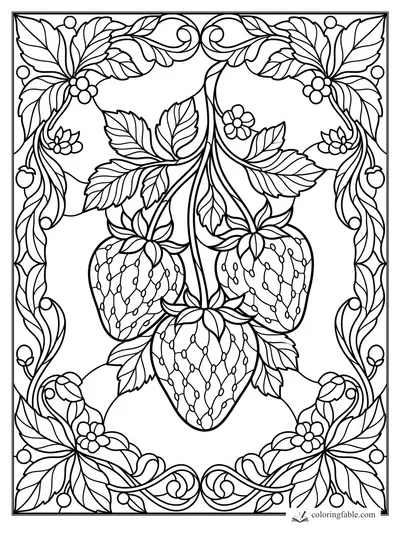
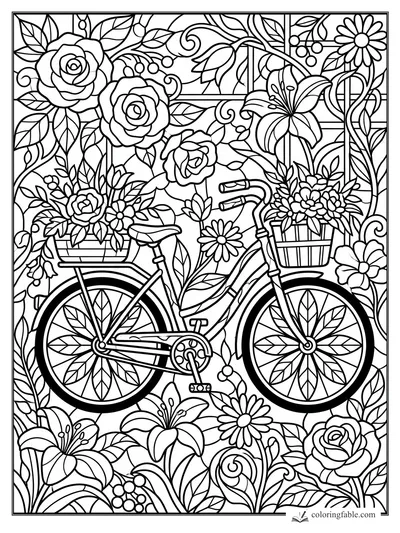
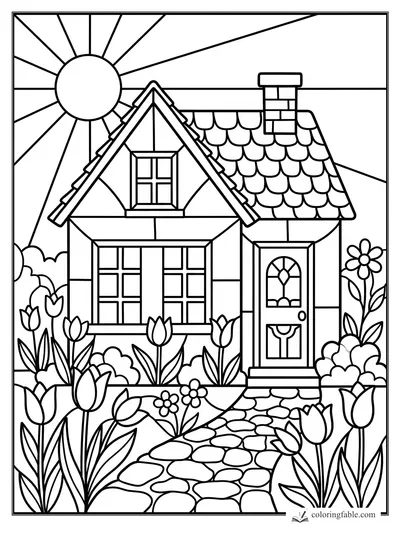
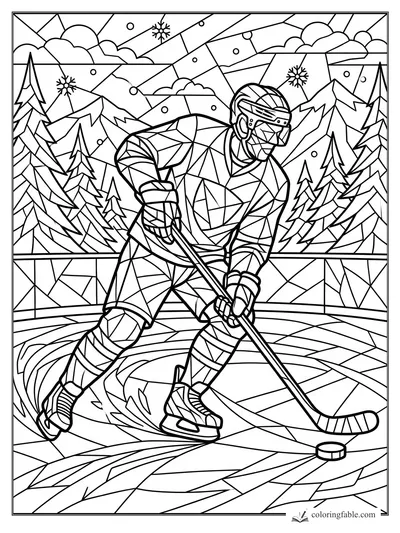


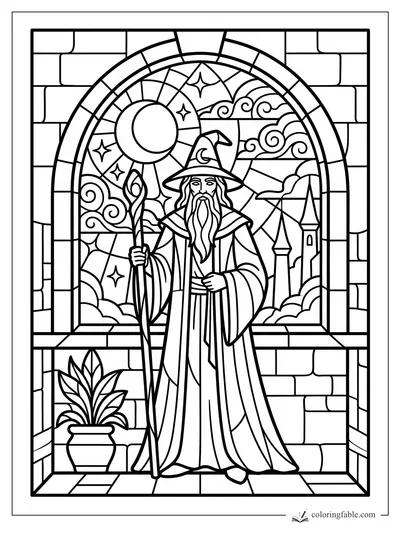
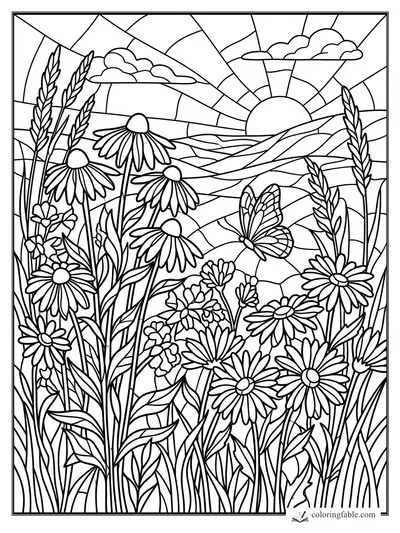
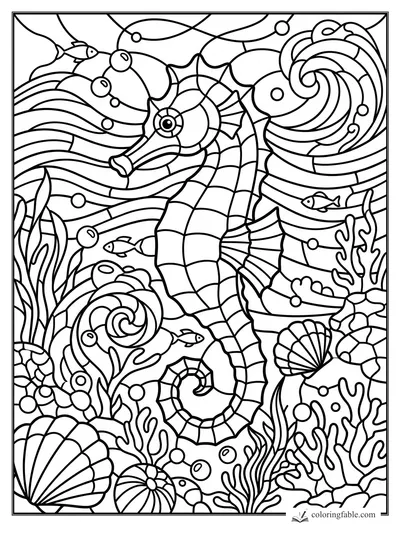
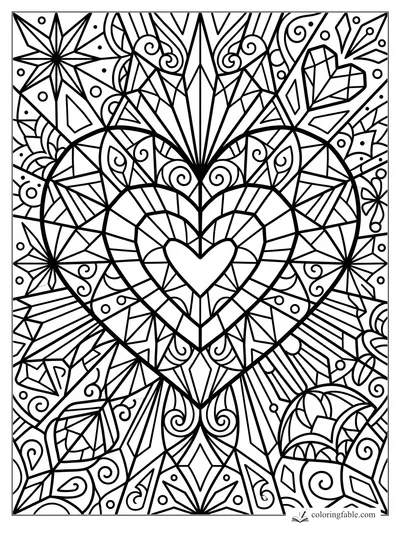




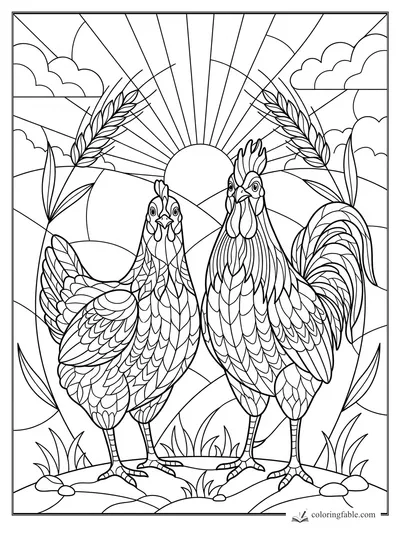
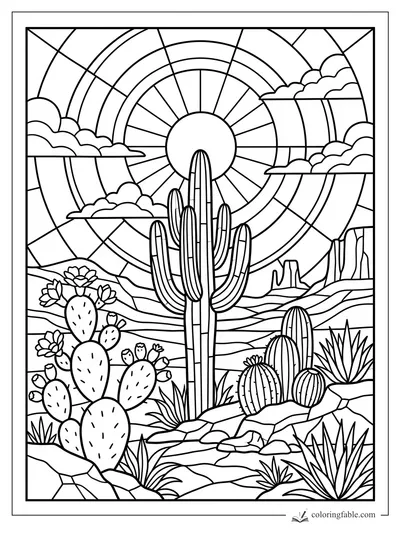
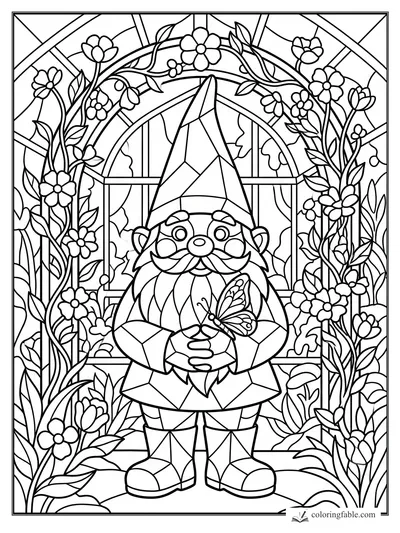
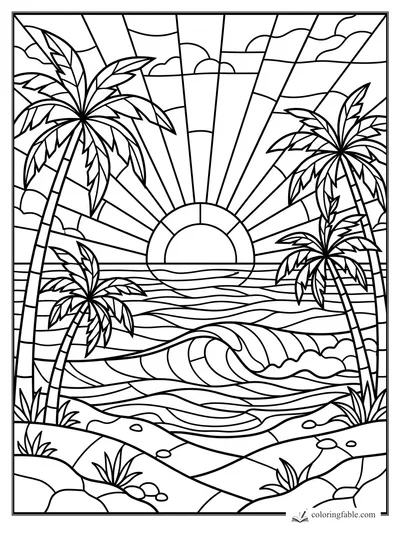
Collections that love this style
Each card opens the whole collection — the count is its stained glass pages.

Fun facts to share while coloring
Stained glass gets much of its color while the glass is being made, when small amounts of minerals or metal compounds are added to the molten mixture; cobalt can create deep blues, copper can make greens, and gold compounds can produce ruby reds. In traditional windows, cut pieces of glass are held together by H-shaped strips of lead called cames. Medieval church windows often used painted details, such as faces and folds in clothing, fired onto the glass so they would last. Gothic cathedrals made rose windows famous: their circular designs used stone tracery to hold radiating patterns of glass. In the late 1800s, Louis Comfort Tiffany helped popularize opalescent glass and the copper-foil method in decorative lamps and windows.
Coloring tips
A classic stained glass palette starts with ruby red, cobalt or sapphire blue, emerald green, golden amber, amethyst purple, icy turquoise, and charcoal gray for the lead strips. Color the black leading first or darken it at the end so the panes look crisp. For each glass piece, shade from a darker edge toward a lighter center, then add a tiny white streak or uncolored sliver to mimic shine. Because these pages are built from repeated panes and borders, try limiting each section to three colors and rotating them like a real window pattern. For a theme-specific twist, add a pale yellow “sunbeam” wash across several panes so the finished page looks lit from behind.
You might also like

More styles and moods to explore
The same worlds drawn another way — each page gathers the whole catalog in one style or mood.